
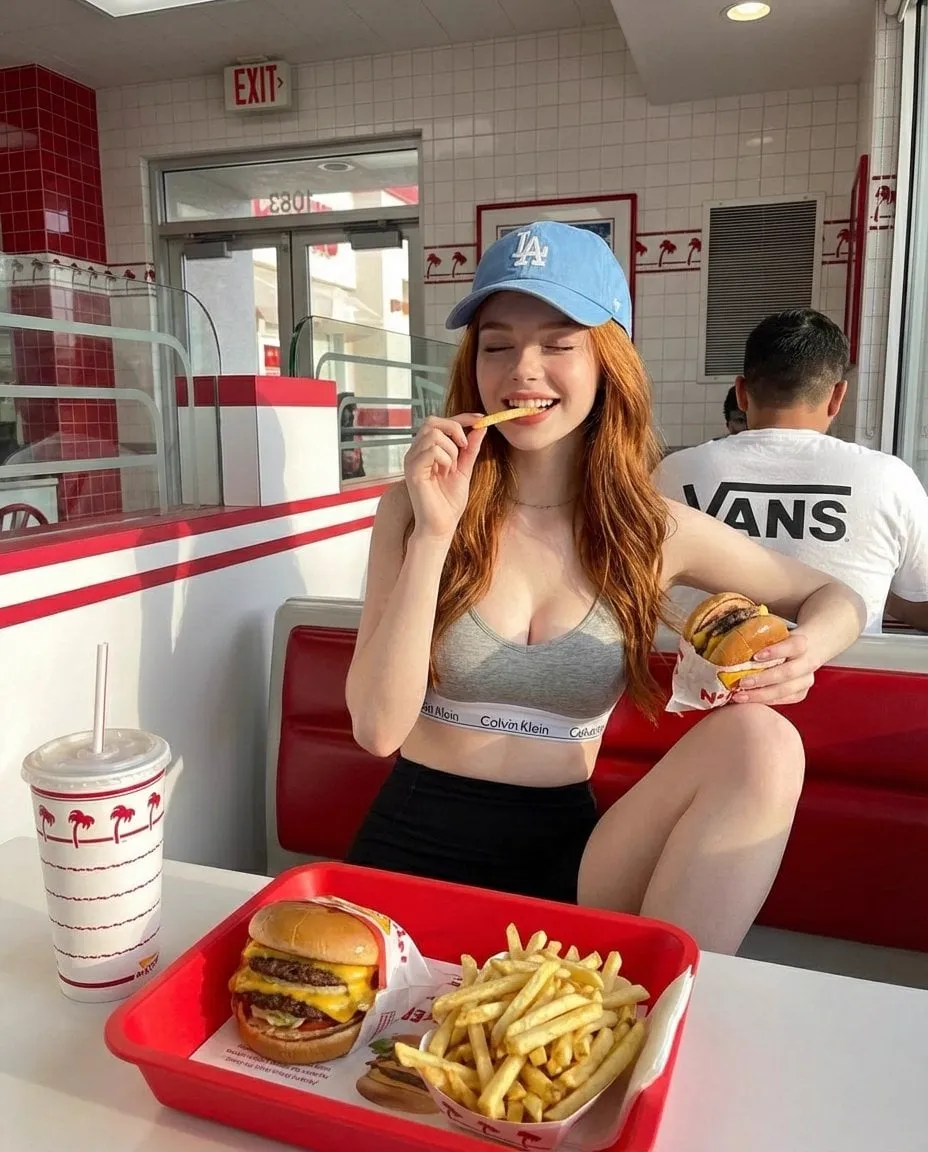

Every day, millions of short-form videos compete for a fraction of a second of attention. On Instagram Reels, that battle is decided before the video even plays: the thumbnail. It is the first visual signal a viewer sees while scrolling, and it quietly determines whether a creator gets a view, a save, or a swipe. In the current content ecosystem, thumbnail quality has moved from a nice-to-have to one of the most measurable levers of engagement.
The challenge is that good thumbnails are hard to produce at scale. A single high-performing Reels account may publish several videos per week, each needing a distinct, platform-native preview image that works at small sizes and on every device. Manual design cannot keep up. This is where AI-assisted thumbnail design enters the workflow: not as a replacement for a designer's taste, but as a systematic way to generate, evaluate, and optimize preview images far faster than hand-crafting allows.
This article explains how AI is used for Instagram Reels thumbnail design, what actually moves click-through rates, and how to build a repeatable workflow around it.
Why the Thumbnail Decides the Scroll
Instagram's interface presents Reels as a full-screen vertical feed, but discovery surfaces such as the Explore grid, profile grids, and search results show thumbnails first. In those contexts, the thumbnail is the entire advertisement for the video. A user scanning a grid makes a snap judgment in well under a second: does this look interesting, professional, or relatable enough to tap?
Several dynamics make this moment more important than it used to be:
- The scroll is competitive. Videos from different creators sit next to each other, so the visual that breaks the pattern wins.
- Small screen real estate punishes clutter. A busy thumbnail that looks fine on a desktop monitor often becomes unreadable noise at 150 pixels wide.
- Consistent thumbnails build a recognizable brand. Viewers who recognize a creator's visual style are more likely to stop scrolling.
- Platform algorithms pay attention to early engagement. A thumbnail that earns a higher tap-through rate signals relevance, which influences distribution in recommendation feeds.
The practical consequence is straightforward: if the preview image does not earn the tap, the best video in the world never gets its chance.
What AI Models Actually Learn About Visual Appeal
It is tempting to think of AI thumbnail tools as automated crop machines. The reality is more interesting. Modern models are trained on large datasets of images and engagement signals, which allows them to internalize the same principles that human designers learn in school: composition, color theory, and visual hierarchy.
Three factors dominate what these models evaluate:
- Composition: where the subject sits in the frame, how negative space is used, and whether the eye has a clear path to the focal point.
- Contrast and color: whether the palette stands out against Instagram's predominantly dark or light feed backgrounds, and whether the subject separates from the background.
- Text-legibility: whether any overlaid text is readable at thumbnail size and whether it creates hierarchy instead of competing with the subject.
None of these are magic. A well-trained model is essentially a fast, consistent evaluator that can score thousands of candidate frames and rank them by the likelihood of earning attention. The human still decides the strategy: which emotion to show, which promise to make, and which audience to target.
Building a Thumbnail That Works: Core Design Principles
Before automating anything, it helps to know what a strong Reels thumbnail contains. These principles apply whether you design by hand or generate candidates with AI:
One Clear Subject
The eye needs a single anchor. A face with a strong expression, a product in sharp focus, or one bold graphic element outperforms scenes with competing focal points. If the video features a person, the face should occupy a meaningful portion of the frame and the expression should communicate the video's emotional tone.
Readable at Any Size
Test every thumbnail at small dimensions. If the subject becomes a blur and the text becomes unreadable, it fails. The safest approach is to keep text short, large, and positioned away from the edges where Instagram crops may cut it.
High Contrast Against the Feed
Instagram's interface uses white and dark surfaces depending on the mode. A thumbnail with strong contrast between the subject and its background stands out in both contexts. Warm, saturated colors tend to perform well in entertainment and lifestyle niches, while cooler palettes can work for premium or educational content.
A Promise, Not a Spoiler
The thumbnail should tease curiosity without giving away the payoff. A question, a surprising expression, or a dramatic before-and-after state invites the tap. A thumbnail that fully explains the video removes the reason to watch it.
How AI Automates Thumbnail Generation and Scaling
The most practical use of AI in this workflow is not "design from a blank canvas." It is taking the raw material you already have and turning it into a set of strong candidates.
Automatic Key Frame Selection
Every Reels video contains hundreds of individual frames. Most are unusable: motion blur, awkward expressions, mid-transition poses. AI models trained to detect faces, action peaks, and composition quality can scan the entire clip and return the five or ten frames most likely to work as previews. This single step turns a tedious manual hunt into a fast, repeatable process.
Style and Brand Consistency
Once a creator settles on a visual direction, AI tools can apply it consistently across every video: the same color grade, the same title style, the same layout. This matters for account-level branding. A grid of videos with a uniform thumbnail style reads as a professional brand; a grid of random crops reads as noise.
Batch Processing for High Volume
For accounts publishing multiple times per week, batch workflows are the real time-saver. A production pipeline can render a video, extract key frames, generate several thumbnail variants, and push them to a review queue without a designer touching each one. The designer's job shifts from execution to curation and approval.
Turning Thumbnails into Performance: CTR Optimization
Click-through rate is the number that matters. A thumbnail that gets tapped more often, relative to impressions, improves not only views but also the signal that feeds into recommendation systems.
Predictive Scoring and A/B Testing
Many teams now score thumbnail candidates before publishing. Predictive models estimate which variant is likely to earn the highest CTR based on historical performance of similar visuals in the same niche. When uncertainty remains, Instagram's built-in tools allow creators to test multiple thumbnails and let the platform show the best performer to most viewers. A simple testing habit to adopt: always produce two or three genuinely different candidates rather than one safe option.
Tuning Emotion and Energy
Thumbnails communicate energy. A high-energy expression, dramatic lighting, and motion cues work for entertainment and comedy. A calm, clean, professional frame works for tutorials and educational content. The emotional match between thumbnail and video matters: viewers who feel misled by an over-promising thumbnail may watch for a second and leave, which hurts retention.
Micro-Segmenting the Audience
Different audience segments respond to different visual cues. A creator serving both beginners and advanced viewers can test thumbnails that emphasize different benefits: "start here" versus "level up." The same video can be framed for different motivations, and the thumbnail is the cheapest way to run that experiment.
A Practical AI Thumbnail Workflow
Here is a repeatable process that combines AI speed with human judgment:
- Define the hook. Write one sentence that captures the video's promise, then decide which single emotion or visual element best represents it.
- Generate raw candidates. Use an AI video or image tool to produce key frame selections, or generate several concept variations from the video's strongest moments.
- Score and shortlist. Apply composition, contrast, and legibility checks. Keep three candidates that are meaningfully different, not three versions of the same idea.
- Test when it matters. For flagship videos, run an A/B test between the top candidates. For regular uploads, rely on the scoring model and rotate styles occasionally.
- Review the data loop. After publishing, compare tap-through and retention across thumbnail styles. Feed what works back into the next round of generation.
Choosing the Right AI Tools for Thumbnail Work
The tool landscape for AI-assisted thumbnail design breaks into three useful categories, and most creators end up combining at least two of them.
AI Video and Image Generators
The same tools that produce Reels content can produce thumbnail candidates. Image generation models are excellent for creating concept variations: different expressions, backgrounds, or text layouts for a video that exists only as an idea. The workflow is simple: describe the key visual, generate several options, and drop the winners into your review queue. These tools shine early in the creative process, when the video itself may not be finalized.
Key-Frame Extractors and Selectors
Once a video exists, the fastest path to a thumbnail is mining the footage itself. Tools that analyze frames for faces, sharpness, composition, and expression can pull the strongest moments out of a finished Reel in seconds. This approach has a major advantage over generation: the thumbnail is guaranteed to represent the actual content, which keeps the promise between preview and video honest.
Design Automation and Templating Tools
For consistent branding across many videos, templating tools matter. These let you define a layout once, then automatically place the key frame, the title text, and the brand colors on every new video. The result is a uniform grid that builds recognition, produced at a fraction of the manual effort.
The winning setup for most creators is a loop: generate concept variations when planning, extract key frames when the video is done, and apply a brand template to everything that ships.
Measuring Whether Your Thumbnails Are Working
Improvement requires feedback, and thumbnail performance is one of the easiest things to measure on Instagram.
The core numbers to watch are tap-through rate on impressions and the retention curve once the video starts playing. A high tap-through rate with poor retention suggests the thumbnail over-promised; a low tap-through rate with good retention suggests the preview undersells the content. The goal is alignment: the thumbnail should accurately represent a video that holds attention.
Set a review cadence. Once a month, look back at the thumbnails from the previous period, grouped by style, and compare their performance. Patterns emerge quickly: faces outperform objects, bold text outperforms subtle text, and certain color families dominate the feed. Feed those patterns back into your next batch of generated candidates.
Common Mistakes to Avoid
- Overloading with text. Three words maximum, in a bold font, with strong contrast. Anything more fails at grid size.
- Ignoring the grid view. A thumbnail that looks great full-screen can vanish in a row of similar colors.
- Chasing clicks with misleading images. A sensational thumbnail that mismatches the video earns quick taps but destroys retention and trust.
- Using the same template for every video. Consistency in style is good; identical layouts become invisible.
- Forgetting the first frame. If Instagram ever falls back to the video's opening frame, that frame should also look intentional.
Frequently Asked Questions
What size should an Instagram Reels thumbnail be?
Instagram recommends a 9:16 vertical ratio, roughly 1080 by 1920 pixels. Keep critical elements inside the center-safe area because profile grids and Explore may crop edges.
Can AI design a thumbnail completely on its own?
AI can generate and rank candidates, but the strategic choices, such as which emotion to show and which audience to target, still belong to the human. The best results come from collaboration.
How many thumbnail variants should I create?
For regular posts, three distinct candidates is a reasonable minimum. For high-stakes videos, five or more, including one designed specifically for A/B testing.
Do thumbnails really affect the algorithm?
Indirectly, yes. Higher tap-through and retention signal relevance to recommendation systems, which can increase distribution. The thumbnail is the first engagement gate.
Is A/B testing worth it for small accounts?
Yes, with a caveat: collect enough impressions to draw a conclusion. On a small account, test the thumbnail you care most about and let the data accumulate before changing strategy.
Final Thoughts
AI-powered thumbnail design does not replace creativity; it removes the bottleneck between creative intent and published visual. By automating key frame selection, enforcing brand consistency, and enabling fast testing, it lets creators spend their energy on the decisions that actually move performance. In a feed where the first impression decides everything, treating the thumbnail as a system, rather than an afterthought, is one of the highest-ROI habits a Reels creator can build.
