

Introduction
Short-form video is the most competitive content format on the internet. On Instagram Reels, users decide within the first two seconds whether to keep watching, and the algorithm amplifies content that holds attention. Producing that kind of content consistently used to require a camera crew, editing skills, and hours of post-production. AI tools have collapsed that pipeline: a single creator can now write a script, generate visuals, add a voice-over, and publish a polished Reel in a fraction of the time.
This guide covers the practical side of using AI for Instagram Reels: how to plan a clip that fits the format, which AI tools actually help at each stage, and how to avoid the mistakes that make AI-generated content feel generic. The goal is not to replace creativity, but to remove the busywork so the creative decisions get the attention they deserve.
Why Reels Reward Speed and Specificity
Instagram's algorithm optimizes for watch time, rewatchability, and engagement. It does not care how long a video took to make; it cares how long people watch it. That creates a structural advantage for creators who can iterate quickly: publish more often, test more hooks, and keep the clips that resonate.
Speed, however, is not the same as laziness. Reels that perform well are usually specific. They answer a clear question, demonstrate a transformation, or tell a tight story. Generic AI-generated clips with no point, no hook, and no payoff get scrolled past regardless of how smooth the visuals are.
The practical implication is that AI should be used to compress the production pipeline, not to replace the thinking. Spend your saved time on the script, the hook, and the pacing, because those are the variables the algorithm actually measures.
Planning a Reel Before You Generate Anything
Before touching any AI tool, define the clip in one sentence. "A 15-second before-and-after of a messy desk becoming an organized workspace." "A 20-second explanation of why cold email fails without a follow-up." This sentence is your creative contract; every generated asset should serve it.
Next, decide the format constraints. Reels are vertical, usually 9:16, and the first frame is the thumbnail that appears in feeds. The hook matters twice: once in the preview and once in the first second of playback. Plan a single strong opening line or visual, then keep the body of the video to one idea.
Finally, choose the AI division of labor. A common split is: AI writes the script, AI generates the b-roll or background visuals, AI provides the voice-over and music, and you handle the edit. Different tools have different strengths, so match the tool to the task instead of expecting one platform to do everything well.
Writing a Script That Holds Attention
Script generation is where AI saves the most time, but it is also where poor prompts produce unusable output. A good Reels script is short, conversational, and structured around a payoff. Roughly 60 to 90 words works for a 15-to-30-second clip, and about 150 to 200 words for a 60-second reel.
Use AI as a drafting partner. Give the tool the topic, the format, and the audience, then ask for three opening lines that create curiosity. Pick the strongest, then have the tool expand the rest of the script around that hook. Edit the result yourself: AI drafts tend to be wordy, and every extra sentence dilutes a short-form video.
Strong Reels scripts share a few patterns. They open with a specific, relatable problem. They promise a quick answer. They use concrete details instead of vague claims. They end with a clear takeaway or a prompt for engagement, like asking viewers to comment their own experience. Avoid the classic AI tell: starting with "In today's video" or ending with a generic call to action that adds nothing.
Generating Visuals and B-roll
For creators without a camera, AI video generators turn a text prompt into footage that can fill a Reel. The quality varies by model and prompt, but the workflow is consistent: describe the subject, the camera movement, the lighting, and the mood, then render several short clips and pick the usable ones.
When generating b-roll for Reels, think in terms of shots rather than scenes. A 15-second clip needs maybe three to five distinct shots to feel dynamic. Generate each shot separately with its own prompt, then cut them together. This gives you control over pacing and avoids the repetitive look of a single long AI render.
Real footage still wins for authenticity in many niches, but AI-generated backgrounds, abstract transitions, and establishing shots can supplement it. Some creators use AI to generate still images, then animate them with camera movement in the editor. Others use image-to-video tools to turn a single strong frame into a moving shot. Match the technique to the content: a tutorial about cooking needs real food footage, while a motivational or aesthetic reel can work entirely with generated visuals.
Keeping Characters and Style Consistent
One of the biggest problems with AI video is that a character or object changes appearance between shots. If your Reel features a recurring presenter, mascot, or product, inconsistency destroys immersion.
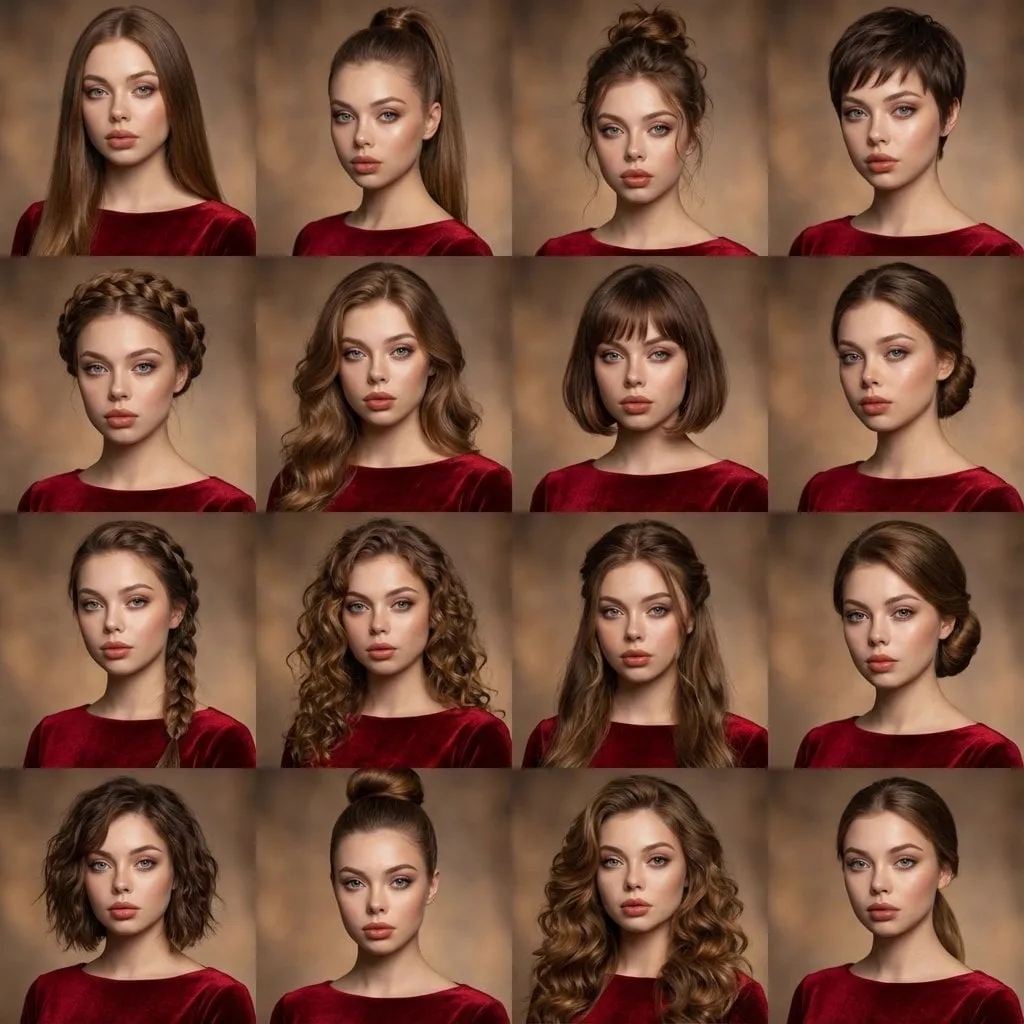
The fix is to anchor the visuals with reference material. Many image and video tools accept a reference image that keeps the subject's identity stable across generations. Generate a single character sheet or product shot first, then use it as the reference for every subsequent clip. Describe the character's clothing, lighting, and background in every prompt, because the model will not remember the previous generation on its own.
For multi-shot Reels, another approach is to generate one keyframe and ask the model to continue the scene from that frame, rather than starting from text each time. This preserves not just the character but also the environment and the mood of the scene.
Voice-over, Music, and Sound Design
Audio decides whether a Reel feels finished. AI text-to-speech has reached the point where a well-chosen voice and a few pronunciation fixes pass as human narration, and AI music generation can produce an original track in seconds.
For the voice-over, choose a voice that matches the content's energy. A calm explainer wants a measured voice; an energetic fitness reel wants something brighter. Keep the same voice across your channel so your audience starts to recognize it. Fix any mispronounced words with the tool's pronunciation controls, and add pauses with punctuation rather than writing run-on sentences.
For music, ask the generator for the mood and tempo that match your edit, or search a stock library for a track with the right energy. The music should support the pacing: a rising beat for the build-up, a drop at the payoff. In the editor, keep the music below the voice-over in the mix, and use sound effects sparingly for transitions and emphasis.
Editing for the Vertical Format
The edit is where everything comes together. Even the best AI assets look amateur if the edit ignores the platform's conventions.
Keep text overlays short. Viewers watch Reels with sound on, but many still read captions, and on-screen text improves accessibility. Put the most important words in the first line, sized large enough to read on a phone, and animate them so they do not sit static for the whole clip.
Cut to the beat. Short-form editors default to cutting every two to four seconds, matching transitions to the music's rhythm. AI-generated b-roll often has a slow, dreamy quality, so you may need to speed clips up or add motion to keep the pace energetic.
Reserve the strongest moment for the first second. Lead with the hook, not a logo or a title card. If you cannot hook the viewer immediately, no amount of polish later in the clip will rescue the retention curve.
Iterating With Feedback and Data
Reels give you feedback in the form of metrics: watch-through rate, average watch time, likes, saves, and shares. Treat each post as a test. When a Reel underperforms, look at where viewers dropped off and change that specific element, rather than abandoning the format.
AI makes iteration cheap, which is its real superpower in this workflow. If the hook did not land, generate ten new hooks with the script tool and test a new version. If the visuals looked generic, change the style prompt and regenerate. Because the cost of a new version is minutes instead of hours, you can treat your channel like a rapid experiment loop.
Keep a simple log of what you tried: topic, hook, format length, visual style, and the resulting metrics. After a few weeks, patterns emerge about what your specific audience responds to, and those patterns become the input for the next batch of AI prompts.
Common Mistakes to Avoid
The most common mistake is letting AI generate the entire Reel with no human direction, then publishing the result. The output is technically video but almost always lacks a hook, a point, and a payoff. Always write a one-sentence concept first.
Another mistake is over-relying on one tool. A single platform that does script, video, and audio often does all three at a mediocre level. Mixing best-in-class tools, even if it means copying text between them, produces better results.
A third mistake is ignoring the platform's native feel. Reels reward trends, sounds, and formats that fit the ecosystem. An AI-generated clip that looks like a demo render from a model card will feel out of place. Study what successful creators in your niche do with pacing, text, and hooks, and design your prompts around those patterns.
Finally, do not post without a human review pass. Check the video end to end for visual glitches, mispronunciations, and factual errors. One bad render published to your audience damages trust more than a delayed post.
FAQ
How long should an AI-generated Reel be?
It depends on the content, but 15 to 30 seconds is the sweet spot for most topics. Longer Reels, 60 to 90 seconds, work when the content is a tutorial or a story with a genuine arc. Match the length to the idea, not the platform limit.
Can I use AI-generated visuals on a business account?
Yes, with disclosure requirements in mind. Instagram's policies on AI-generated content have evolved, and transparency rules can apply, especially for political or commercial content. When in doubt, label the content as AI-generated and keep the assets original rather than copying others' work.
Do I need to show my face if I use AI for everything?
No. Entire faceless channels run on AI scripts, AI visuals, and AI voice-overs. The trade-off is authenticity: audiences connect with faces and real stories, so a fully AI channel must compensate with strong editing, distinctive hooks, and genuine value in the content itself.
Which is better, AI video or real footage for Reels?
Use real footage for anything where authenticity matters: reviews, cooking, fitness, travel, personal stories. Use AI for b-roll, backgrounds, transitions, and abstract shots where real footage would be expensive or impractical. The strongest Reels often combine both.
How much does the AI Reels workflow cost?
Entry-level tools cost nothing for basic usage, while a solid stack of script, video, voice, and music tools usually runs a few tens of dollars per month. Start free, identify the one or two tools that save you the most time, and pay for those first.
Final Thoughts
AI did not make Reels easier to succeed at; it made them easier to produce. The competitive advantage now sits in the decisions AI cannot make for you: which idea deserves a video, how to hook a specific audience, and what to change when the data disagrees with your intuition.
Build a pipeline that turns an idea into a finished Reel in under an hour. Use AI for the repetitive generation and editing work, keep your own judgment on the creative direction, and treat every post as an experiment. Creators who combine fast production with sharp decision-making will keep winning as the format evolves.
