
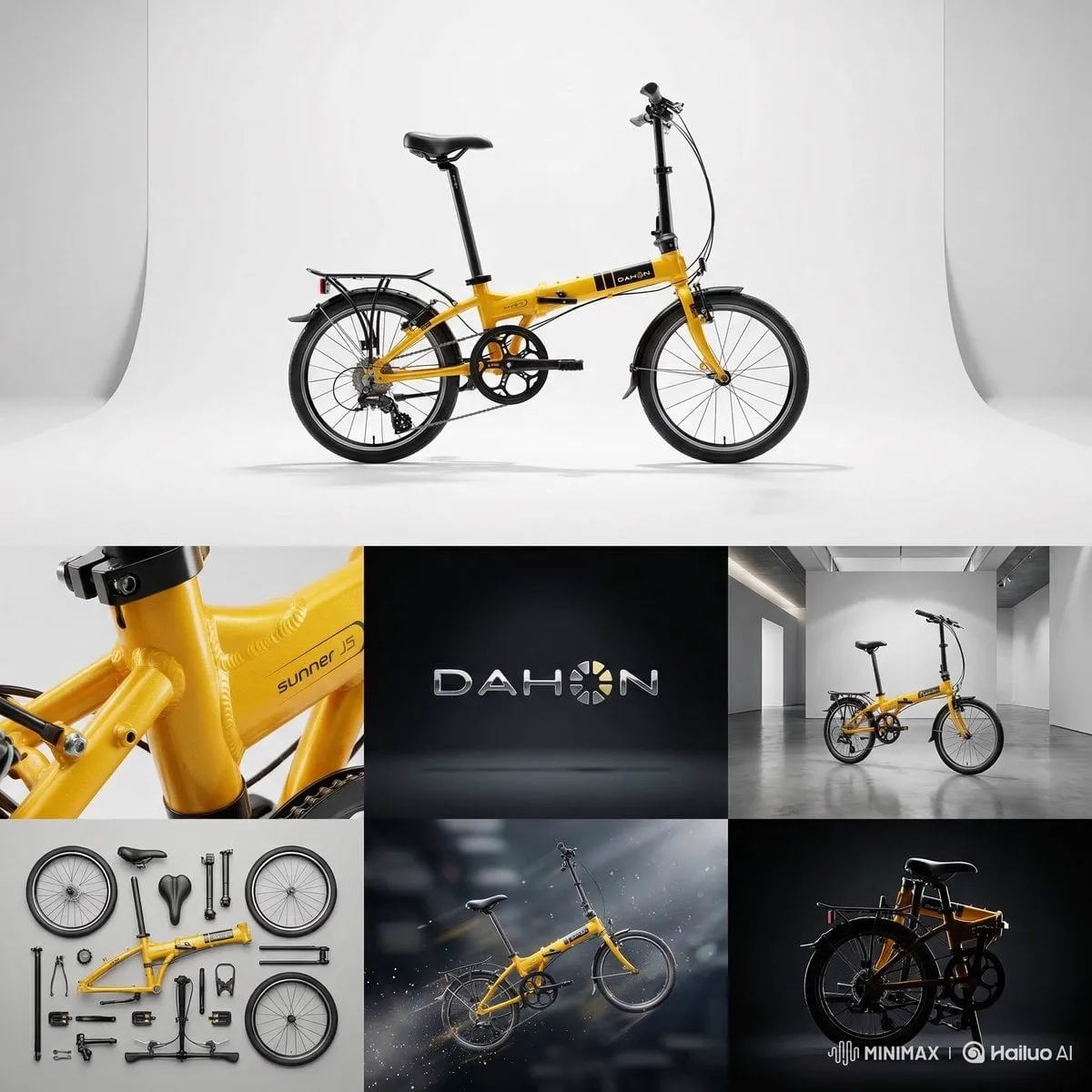

The Attention Economy Runs on Video
If you work in content marketing, you already know the numbers by instinct. Short, engaging video is what dominates the feeds on TikTok, Instagram Reels, and YouTube Shorts. Every brand competes for the same scarce resource: the viewer's attention in the first few seconds. The teams winning that competition are not necessarily the ones with the biggest budgets. They are the ones with the most efficient production systems.
Advanced AI has turned video production from a bottleneck into a scalable process. Where a brand once produced a handful of polished videos every quarter, the same team can now produce a steady stream of trend-responsive videos each week. This guide explains the shift from manual to AI-driven video creation, how to build a model library that matches your content needs, and the workflow that takes you from trend spotting to published video.
From Manual Production to AI-Driven Workflows
Why Manual Production Cannot Keep Up
Traditional video production is slow by design. Every video needs a concept, a shoot or a design session, an edit, a review, and a distribution plan. For a brand trying to stay visible across multiple platforms, this cadence is impossible. By the time a manually produced video is ready, the trend it was chasing is often over.
AI-driven production changes the math. Text prompts turn into video clips in minutes. Reference images become consistent scenes. Captions, music, and voiceovers are generated and aligned automatically. The bottleneck shifts from production speed to idea quality, which is exactly where a human team should spend its time.
The New Role of the Marketer
In this workflow, the marketer stops being a producer and becomes a director. The job is to decide what to say, which style fits the message, and which platform the content targets. The AI handles the repetitive execution. This is not about replacing creativity; it is about removing the friction between an idea and a published video.
Building a Model Library That Matches Your Content Mix
No single video model fits every use case. A luxury brand needs a different visual style than a fast-moving meme account. The practical solution is to build a small library of models, each assigned to a specific job.
Premium Models for Flagship Content
For hero videos, product launches, and brand films, use the highest-quality models available. These produce the most realistic motion, the best lighting, and the most control over composition. They cost more in time and resources, so reserve them for content that carries the brand.
Fast Models for Trend Responsiveness
Trends move in days, sometimes hours. When a sound, a format, or a meme spikes, you need a model that can turn around a video quickly. Speed models prioritize generation time over absolute quality. They are the right tool for reaction content, trend participation, and testing which hooks land.
Specialized Models for Niche Formats
Some content formats need specialized visual models: product shots that require accurate branding, character content that requires consistent faces, or stylized formats that imitate a particular art direction. Matching the model to the format produces better results than forcing one tool to do everything.
The AI Director Layer: From Clips to Cinematography
The biggest leap in AI video tools is not the models themselves but the direction layer on top of them. An AI director acts as a virtual cinematographer: it takes your creative brief, breaks it into shots, chooses compositions, and sequences the clips into a coherent narrative.
For a marketer, this matters in two ways. First, it reduces the skill barrier. You do not need to know camera angles and editing rhythm to get professional-looking output; you describe the story and the AI structures the visuals. Second, it keeps the output consistent. When the same director layer processes multiple videos, the result is a recognizable style, which is what builds brand identity.
Consistency as a Brand Anchor
Visual consistency is one of the hardest things to achieve in AI video. Characters change appearance, colors shift, and settings drift between clips. Tools that support reference images and keyframe control fix this by letting you lock down the look. A brand's colors, logo treatment, and recurring characters should stay stable across every video, and the direction layer is where that stability is enforced.
The Production Architecture Behind the Scenes
Understanding a little about how these systems are built helps you choose tools and debug problems.
Reliable Data at the Core
Every AI video platform is built on a backend that manages projects, media assets, and user data. Tools built on solid, typed foundations tend to have fewer surprises: files stay where they should, projects load reliably, and API integrations behave predictably. For a marketing team, reliability matters more than any single feature.
Queues for GPU-Intensive Work
Video generation is computationally heavy. Behind the scenes, generation jobs run on GPU clusters, and the platform must queue them sensibly so your video is not lost when the service is busy. When you are choosing a tool, check how it handles load: do jobs queue cleanly, and can you see status and retry failed ones? Good queue management is invisible until it fails, and then it is everything.
From Trend Spotting to Published Video: A Workflow
Step 1: Watch the Trends with Intent
Trend spotting is not scrolling aimlessly. Set up a routine: check the trending sounds and hashtags on your target platforms each morning, note the formats that keep appearing, and decide which ones fit your brand. Not every trend deserves your participation. The filter is simple: can your brand add value to this format without looking desperate?
Step 2: Match the Trend to a Model
Once you pick a trend, choose the model that matches the job. Fast model for a quick reaction, premium model for a polished interpretation, specialized model for a branded format. Writing the prompt is the creative work: describe the scene, the mood, the motion, and the specific details that make the video feel intentional.
Step 3: Direct, Review, and Polish
Run the generation, then review with the same standards you would apply to any creative asset. Check the hook in the first second, the text readability, the audio balance, and the brand consistency. Regenerate weak clips instead of shipping them. The polish pass is what separates content that feels native to the platform from content that feels generated.
Step 4: Publish and Learn
Publish, then track the metrics that matter: completion rate, shares, and saves. Compare videos that worked against videos that did not, and feed those lessons back into your next batch. The advantage of AI workflows is volume, and volume only helps if you actually learn from it.
Building a Monthly Content System
The most successful teams treat AI video as a system, not a series of one-off tasks. Define your monthly themes, map them to formats, and assign models and prompts for each. Set a review day where the team watches everything produced that week and gives structured feedback. Keep a swipe file of formats, hooks, and prompts that performed well.
This system turns production from a scramble into a rhythm. The output quality rises because every video benefits from the lessons of the previous ones, and the team's creative energy goes into the choices that matter.
Common Mistakes and Frequently Asked Questions
Common Mistakes to Avoid
- Chasing every trend instead of filtering through the brand lens.
- Using one model for everything, then wondering why the content looks generic.
- Skipping the review pass because generation is fast.
- Ignoring completion rate in favor of vanity metrics like views.
- Producing content that has no clear call to action or next step.
- Treating AI output as final without brand consistency checks.
Running the System: Cadence and Measurement
A production system without a cadence is just a collection of tools, and a cadence without measurement is guesswork. This section lays out a weekly rhythm that keeps a team producing, then explains the metrics that separate content that works from content that merely exists.
A Weekly Production Cadence for Marketing Teams
A reliable cadence beats heroic sprints. Set a weekly rhythm that everyone on the team can predict. Monday is trend scanning and idea selection: pick the formats and sounds worth participating in, and assign each idea to a model tier. Tuesday and Wednesday are generation days: produce first drafts, run them through the AI director layer, and flag anything that needs a different model or a rewrite.
Thursday is the review pass. The team watches the week's output together, checks brand consistency, text readability, and audio balance, and approves or sends back each video. Friday is publishing and learning: schedule the approved videos, log the metrics that matter, and update the swipe file of prompts and formats that worked.
This rhythm does three things. It makes volume sustainable, because every week has the same shape. It builds a shared quality standard, because every video goes through the same review. And it turns production into a compounding system, because the lessons from one week feed directly into the next. If a team cannot keep the full rhythm at first, start with just two days: one generation day and one review day. The structure matters more than the speed, and the structure can be tightened once the habit is established.
Measuring What Matters in AI Video Content
The metrics that matter depend on the job the video does. For brand awareness, track reach, completion rate, and shares; completion rate tells you whether the content held attention, and shares tell you whether it earned a reaction. For conversion content, track saves, link clicks, and direct messages; these show intent, not just interest.
Compare videos within the same format rather than across formats. A polished hero video and a fast trend video serve different jobs, so their metrics should be read differently. Keep a simple scorecard: for each video, log the format, the model tier, the hook text, the publish time, and the three key metrics. After a few weeks, patterns emerge: which hooks hold, which models produce consistent quality, which formats drive the behavior you actually want. Review the scorecard monthly with the whole team, and let it set the priorities for the next month's calendar. The scorecard is the bridge between production and strategy: it shows where the content is working, where it is wasting effort, and where a small change in format or model choice could produce a large jump in results.
Frequently Asked Questions
How many videos should a brand produce per week with AI?
Start with three to five and measure. If the quality holds and the metrics improve, scale up. Volume without learning is just noise. The number also depends on the format: fast trend videos can be produced in larger batches than flagship brand films, so a realistic target balances both types against the team's review capacity.
Will AI video make every brand look the same?
Only if every brand uses the same prompts and models. The differentiator is direction: your brand voice, your visual identity, and the choices you make in the director layer.
Do we still need a video editor on the team?
The editor role shifts from cutting footage to directing AI output: reviewing, refining, and ensuring brand consistency. The skills are different, but the role is still essential.
How do we avoid looking like an AI-generated brand?
Invest in consistency: a stable visual identity, real storylines, and content that answers a genuine audience need. The audience forgives the tool once they value the message.
The Practical Starting Point
You do not need to rebuild your entire production pipeline in a week. Pick one recurring content type, run it through an AI-driven workflow, and measure the difference in speed and quality. Then expand to a second format, and a third.
The teams that win the attention economy will not be the ones with the fanciest models. They will be the ones with the clearest process: trend spotting with intent, model selection with purpose, and a review loop that turns every video into a lesson.
