
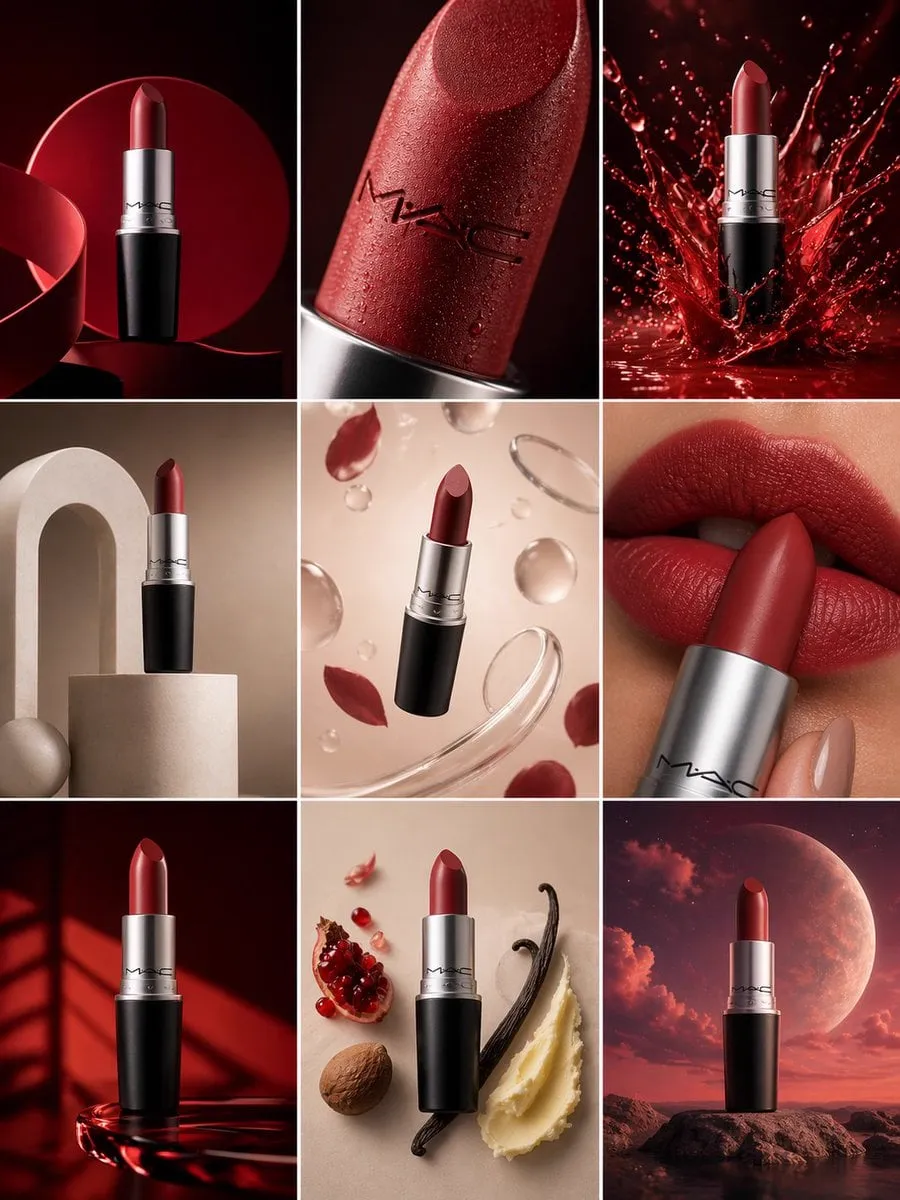

Video advertising has always been a battle for attention, but the weapons have changed. Ten years ago, a polished thirty-second spot required a production company, a shoot day, a director, and a budget that most small teams could not justify. Today, the same team can generate, iterate, and ship dozens of video variations in a week using AI tools. The revolution is not that machines can make moving images; it is that creative teams can now treat video like a software product: prototype fast, test versions, keep what works, and discard what does not.
This guide walks through a complete AI video advertising workflow, from turning a strategy brief into visuals to measuring whether the campaign actually moved the business. It is written for marketers, founders, and creators who want the leverage of generative video without losing the discipline of good advertising.
Why Creative Video Ads Are Hard to Scale
Every marketer knows the feeling: the first video ad performs well, the second one holds its own, and the third one quietly dies. The pattern is not random. Creative video ads fail to scale for three structural reasons, and AI does not fix any of them by itself.
The first reason is inconsistency. When a brand publishes one video with a photorealistic product shot and the next with a stylized illustration, the audience does not recognize the brand. Viewers scroll past things that look unfamiliar, no matter how good each individual frame is. Maintaining a consistent look across a series of ads is harder than producing any single ad.
The second reason is iteration cost. A classic creative testing loop looks like this: write three hooks, shoot three versions, wait two weeks for results, then produce the winner. By the time the data arrives, the trend that made the original idea relevant has usually passed. Speed of iteration is the real competitive advantage in feed-based advertising, and traditional production is simply too slow.
The third reason is the gap between what a brief says and what a viewer feels. A brief can say "show the product solving a frustrating problem," but translating that sentence into an emotionally legible sequence of shots requires a human eye. AI models are getting better at this translation, but only when someone directs them with intention.
The good news is that all three problems have concrete, repeatable solutions. The rest of this article lays them out step by step.
What a Modern AI Ad Workflow Looks Like
Before diving into tactics, it helps to see the whole pipeline. A mature AI video ad workflow has six stages, and skipping any of them tends to produce expensive-looking content that performs poorly.
- Strategy: define the audience, the single message, and the action you want the viewer to take.
- Concept: write hooks, describe scenes, and sketch the emotional arc of the ad.
- Visual foundation: generate or source the key images, characters, and brand assets that will recur across all versions.
- Generation: turn the concept into video segments, either from text prompts or from the visual foundation.
- Assembly: cut the segments together, add sound, voice, captions, and the call to action.
- Testing: publish variants, read the metrics, and feed the learnings back into stage two.
Notice that AI does not replace the strategy stage or the testing stage. It compresses the middle of the funnel, where production used to eat weeks. That compression is the whole point: the bottleneck of advertising moves from making the video to deciding which video to make.
Step 1: Turning a Brief into Visuals
The most common mistake in AI advertising is opening a generator and typing a vague prompt like "cool product video." What comes back looks generic because the input was generic. Instead, treat prompt construction as the same discipline as writing a creative brief.
Start with a one-sentence core: who the ad is for, what it shows, and what feeling it should leave. Then describe the scene with the specificity of a storyboard. Include camera language, lighting, action, and the emotional beat of each shot. For example, instead of "a coffee brand ad," write: "A tired designer at a cluttered desk at 7 a.m., soft window light, close-up on their hands pouring a single cup, the steam visible, the frame slowing down as the first sip happens, warm and calm."
The model cannot read your mind, but it can read your words remarkably well. Give it a complete scene and it returns something usable. Give it three words and you will spend the afternoon rolling a dice.
This is also the stage where you decide the visual world of the campaign: photorealistic, cinematic, illustrated, 3D-rendered, or deliberately lo-fi. The choice should come from the brand and the platform, not from whatever looks impressive this week. A luxury skincare line and a gaming brand can both use AI, but they should rarely use the same visual language.
Step 2: Keeping Your Brand Consistent
Consistency is the single biggest technical problem in AI video advertising, and it is also the most solvable. The core trick is to separate the stable assets from the generated ones. Characters, logos, products, and signature colors should be fixed reference points; the scenes around them can vary freely.
Practically, that means building a small asset library before you start generating full ads. Generate or design the hero character once, refine it until it is right, and reuse that same reference across every version. The same applies to the product: a clean shot of the bottle, the device, or the interface should be treated as a brand asset, not as something to re-roll every time.
Modern generation platforms support reference-based workflows where you feed an existing image and ask for new scenes around it. This is dramatically more reliable than describing the character again in words, because the character stops being a verbal idea and becomes a visual fact. Once the foundation assets exist, every new ad inherits the look automatically.
If you are working with a series, also fix the style tokens: the color palette, the lighting mood, and the lens feel. Document them the way a brand book documents the logo and the typography. When the next campaign needs a new batch of videos, the team should be able to pick up the style guide and match it without asking questions.
Step 3: Iterating Fast with Test Versions
The real payoff of AI advertising comes in the testing loop. Since the marginal cost of a new version is close to zero, you can afford to make many bets and let the data pick the winner. The trick is to vary one dimension at a time, or you will never know what caused the change.
Run a hook matrix first. Write ten opening lines or scenarios, generate a short first-three-seconds segment for each, and review them as a team before spending time on full ads. The first three seconds decide most of the outcome in feed-based platforms; everything after that is execution.
Then generate a small batch of full versions, each built on the same foundation but differing in one meaningful way: a different hook, a different aspect ratio, a different pacing, or a different voice-over tone. Launch them together with equal budgets and let the platform's algorithm do the allocation. Within a few days you will have a clear leader, and the losing versions cost you only the generation time.
Keep a results log. For every version, record the hook, the visuals, the audio, and the metrics. Over a few campaigns, that log becomes a proprietary playbook: you will know that this audience responds to direct problem statements in the first second, or that this product only converts when the call to action appears on screen early. That knowledge compounds, and it is exactly what competitors who outsource their creative to a single big production cannot reproduce.
Choosing the Right Tool for Each Job
No single AI model does everything well, and pretending otherwise wastes money and time. The useful mental model is to sort tools by what they optimize for.
For photorealistic, cinematic motion, text-to-video models in the Sora and Runway family set the bar for quality. They are the right choice when the ad depends on realistic motion, believable physics, and emotional close-ups. The trade-off is cost and speed: the best-looking generation usually costs more and takes longer per attempt.
For speed and high-volume production, lighter and faster models let you generate many short clips quickly, which is perfect for hook testing and for platforms that demand a steady stream of new variations. When you need twenty versions of a five-second opening, a fast model beats a beautiful one.
For image generation that anchors the visual world, diffusion-based image models remain the workhorses. Video is expensive to iterate on; images are cheap. Generate the look in stills first, lock it, and only then move to motion. This one habit saves more production time than any single tool upgrade.
Finally, audio is not an afterthought. Voice-over, music, and sound design carry more emotional weight in short video than most marketers realize. Use a capable text-to-speech voice that fits the brand, or record your own and clean it up; either way, decide the voice at the same time you decide the visuals, not after the video is cut.
The specific tools will keep changing, but the selection logic will not: match the model to the job, iterate on stills before motion, and never let tool loyalty override the metric that matters.
Common Mistakes and How to Avoid Them
Even with a good workflow, AI ad projects fail in predictable ways. Here are the ones to watch for.
Mistake one: generating the full video first and asking questions later. Always build the foundation assets and approve the look on stills before burning budget on long generations.
Mistake two: letting the model choose the brand. If every version looks like a different company, the audience never builds recognition. Fix the style guide early and enforce it in every prompt.
Mistake three: ignoring audio until the end. A video with mismatched music or a robotic voice reads as cheap no matter how good the frames are. Plan the voice and the sound track from the concept stage.
Mistake four: testing nothing. Producing one polished video and posting it everywhere is the old model. The new model is producing a small batch, testing hooks, and scaling the winner.
Mistake five: chasing realism instead of message. An ad can be technically stunning and commercially useless if it does not make the viewer feel the problem and see the solution. Review every version against the single core message before you judge its production quality.
Measuring Whether AI Ads Actually Work
AI changes the production cost, but it does not change the laws of advertising measurement. The metrics that matter are the ones tied to the business outcome: click-through rate if the goal is traffic, conversion rate if the goal is sales, and retention of the message if the goal is awareness.
The intermediate metrics still deserve attention. Hook rate tells you whether the first seconds work. Completion rate tells you whether the video held attention to the end. Cost per result tells you whether the ad is profitable, which is the only number that ultimately decides whether to scale.
One caution: do not benchmark AI ads against the entire platform average. Benchmark them against your own previous creative, because the same audience, product, and offer will always produce comparable numbers. If the new AI workflow beats your last campaign's baseline, it is working. If it does not, the problem is usually the message or the offer, not the tool.
Set up a simple feedback loop: every month, review the results log, kill the losing patterns, and double down on the winners. The teams that win with AI advertising are not the ones with the best models; they are the ones with the most disciplined loop.
Frequently Asked Questions
Do AI-generated ads look obviously artificial? It depends on the model, the prompt quality, and the style choice. Photorealistic prompts can look extremely convincing, while stylized looks are intentionally non-photorealistic. The audience cares less about whether it is AI and more about whether it feels relevant and well made.
How many variations should we test at once? Start with three to five full versions built on one foundation, plus a wider set of hook-only tests. More than that becomes hard to read. Let the first batch teach you, then run a second batch on the lessons.
Can we keep a consistent character across multiple ads? Yes, if you build the character as a fixed reference asset and reuse it. Treat the character like a brand asset, not like a new prompt every time.
Is AI video advertising suitable for small budgets? It is actually where small budgets shine. The low cost per version means a small team can test more creative angles than a large agency could afford to shoot.
How long until AI video ads look indistinguishable from traditional production? The gap is already closing on quality. The remaining edge for traditional production is art direction and strategy, which is exactly why this guide spends so much time on the workflow around the generation.
Final Thoughts
The revolution in video advertising is not the technology itself; it is the workflow the technology unlocks. Teams that once could afford one or two polished videos can now run continuous creative experiments. That changes the economics of advertising in favor of iteration, learning, and speed.
None of that happens automatically. The tools amplify whatever process you put them in. If your process is sloppy, you will produce more sloppy content, faster. If your process is disciplined, you will produce a compounding library of what works and a clear map of what does not.
Start small: pick one campaign, build the foundation assets, generate a handful of versions, and let the data speak. The model in the loop is not the magic; the loop itself is.
