

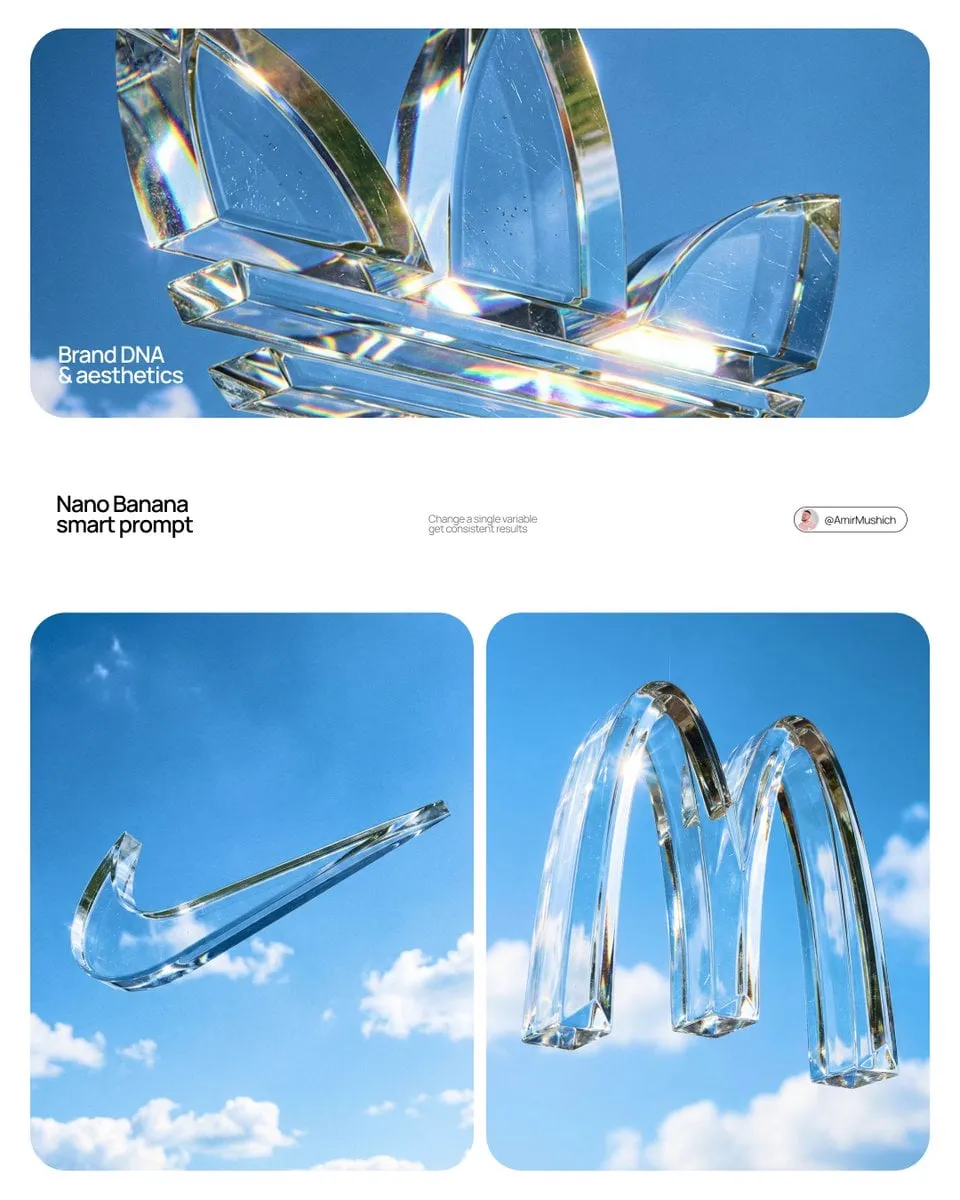
Advertising has always been a battle for attention, but the battlefield changed shape. Consumers scroll past thousands of videos every day, and the ones that stop the thumb are no longer the loudest; they are the most relevant. In this environment, video advertising is becoming a production problem as much as a creative one. You cannot shoot, edit, and scale thousands of personalized variations with a traditional crew. You need a different approach.
This article looks at the techniques and trends that define AI-driven video advertising today: how generative tools turned ad production from a linear process into an industrial pipeline, how personalization scales without a thousand shoots, and how brands keep their identity intact while producing dozens of variations. If you plan campaigns, create ad content, or manage a marketing team, these are the changes you need to understand.
The Attention Problem
The average viewer encounters more video ads in a day than they can consciously process. Platforms rank content by engagement, and engagement begins with the first two seconds. A generic ad, even one with beautiful production values, competes with native content that looks like it belongs in the feed. The result is that advertisers cannot rely on interruption anymore; they have to earn relevance.
Relevance means different things to different viewers. A fitness brand's ad for a runner should not look identical to its ad for a beginner. A travel platform's ad in winter should not sell the same beach as its summer campaign. Traditional production struggles with this because every variation costs time and money. Generative tools collapse that cost, which changes the strategy: instead of one big-budget spot, brands run many small, targeted variations.
This is the core trend of the moment, a move from mass production to mass personalization. The technology is no longer the bottleneck. The strategy is.
From Mass Production to Mass Personalization
Mass production treated every viewer the same: one message, one video, broadcast everywhere. Mass personalization treats each segment as its own audience: different opening, different benefit, different call to action, all built from the same core assets.
Generative AI makes this practical. A single product shoot, or even a single set of product images, can become the foundation for dozens of video variations. The same model can render the product in different settings, different lighting, different lifestyles, and different narratives. Each variation keeps the product identical, which is essential for brand recognition, while changing everything around it.
The workflow looks like this. Define the core message and the visual identity of the product. Build reference assets: product images, brand colors, approved spokespeople. Then generate variations for each audience segment, each platform, and each stage of the funnel. Hook-first variants for cold audiences, benefit-focused variants for consideration, urgency variants for retargeting.
The metric that matters is not how many videos you produce, but how many variants you can test. Every variant is a hypothesis about what resonates, and the data from the platforms tells you which hypotheses win.
The shift also changes how creative teams are organized. In the mass production era, a campaign had a fixed budget, a fixed timeline, and a small number of hero assets. In the personalization era, the campaign is a living system: the core identity is fixed, but the surface can change weekly, sometimes daily. Teams that embrace this design their process around iteration rather than around a single big deliverable. The creative director becomes a system designer, defining the rules that produce the variations, and the production team becomes a review team, approving and refining what the system generates.
AI Directors for Advertising
The most interesting development in video advertising is not a new image model; it is the arrival of direction. Generative tools moved from executing prompts to planning sequences. An AI director layer reads the brief, decides the shots, chooses the camera language, and keeps the sequence coherent from first frame to last.
Why does this matter for ads? Because ads are short, and every second is expensive. A director layer front-loads the hook, establishes the product quickly, and builds to a clear call to action. It also maintains visual quality across variations, so the fifth version of an ad looks as polished as the first.
Consider a clothing brand launching a new jacket. Instead of generating twenty random clips, the brand defines the scene language: a close-up of the fabric, a wide shot of the jacket in motion, a lifestyle shot on a city street. The director layer reproduces these shots across colors, models, and settings while keeping the composition consistent. The result is a campaign that feels art-directed, not assembled by chance.
Brand and Product Consistency at Scale
Consistency is the silent killer of AI ad campaigns. A product that changes color between variants, a logo that distorts, or a spokesperson whose face shifts from one video to the next destroys trust. Viewers may not name the problem, but they feel it.
The solution is reference-based generation. Before generating any video, you lock the identity of the product, the brand, and any recurring character. Reference images anchor every generation, so the product looks like the product in every scene. This is the same multi-image fusion technique used in narrative filmmaking, applied to advertising.
The practical rule is simple: fix your references before you scale. A brand that invests one hour in building a solid reference set can generate a hundred consistent variations. A brand that skips this step will spend days fixing inconsistencies that should never have existed.
Consistency also extends to sound. A brand's voice, the tone of the music, and even the rhythm of the edit contribute to recognition. Campaigns that repeat the same audio signature across variations build a stronger association than campaigns that start from scratch every time.
Sound, Music, and the Full Ad Experience
Video ads are audio ads too. Most viewers watch with sound on in the first seconds, and platforms now weigh audio quality in their rankings. A weak soundtrack or a robotic voiceover undermines even the best visuals.
Generative audio tools solve the two biggest problems: speed and rights. Voiceovers are generated from the script in the brand's chosen tone, without booking a studio. Music is composed for the exact duration and mood of the ad, so there is no licensing hassle and no mismatch between the track and the edit.
The trend is toward tighter integration between the visual and audio direction. The moment of maximum visual impact gets a musical accent. The call to action gets a voice that rises with conviction. The ending lands on a resolved chord instead of a cut. These details are what make an ad feel expensive, and they are now available to teams of any size.
Speeding Up Production with Batch Workflows
The demand for ad content is relentless: new variants for new audiences, new versions for new platforms, new creatives every week to fight ad fatigue. Batch workflows are the answer.
The idea is to separate the stable parts of the pipeline from the variable parts. The stable parts, such as the brand references, the scene templates, and the sound identity, are built once. The variable parts, such as the text overlays, the localized voiceovers, and the specific product colors, are swapped in per variant.
Modern platforms expose this as task queues and parallel processing. Generate twenty variants at once, review them in a grid, approve the winners, and ship. The turnaround time for a campaign drops from weeks to days, and often to hours.
Batch workflows also change the team structure. Instead of a producer coordinating a long linear process, a small team manages templates and reviews output. The creative judgment stays human; the mechanical repetition goes to the machine.
Hyper-Personalization with Dynamic Variants
The frontier of ad personalization is dynamic content: ads that change based on who is watching. The viewer's location, the time of day, the product they browsed, and the stage of their journey can all influence the video they see.
Generative pipelines make this possible by separating content from context. The ad has a fixed skeleton, the core message and the visual identity, and a set of dynamic slots: the opening line, the product shown, the offer, the call to action. The platform fills the slots based on the viewer's data and renders the final video on the fly, or assembles it from pre-rendered segments.
The creative implications are significant. The ad can acknowledge the viewer's city, reference the product they left in the cart, or adjust the language register by audience. Done well, this feels like the brand understands the viewer. Done poorly, it feels intrusive, so the boundaries matter. Personalization should serve relevance, not surveillance.
Measuring What Converts
All this production speed is only useful if it feeds a measurement loop. The modern ad pipeline is a testing machine: produce variants, run them, measure, keep what works, and iterate.
The metrics that matter for video ads are early engagement, watch-through rate, and conversion. The first two seconds are a filter; watch-through reveals whether the story holds; conversion is the ultimate proof. Each metric points to a different part of the creative: the hook, the structure, or the offer.
The discipline is to change one variable at a time. If a variant with a different opening outperforms, test more openings before changing the offer. This sounds obvious, but the speed of generation tempts teams to change everything at once, which produces data that cannot be interpreted. A rigorous testing habit turns generation speed into a compounding advantage.
Trends to Watch
Several trends will shape video advertising in the coming seasons. Interactive and shoppable video will grow, letting viewers buy from inside the ad. Voice search and audio-first content will push brands to treat sound as a first-class asset. User-generated-style ads, shot to feel native to each platform, will keep outperforming polished broadcast spots.
The other trend is consolidation: tools that combine generation, editing, sound, and distribution in one workflow. Teams will stop stitching together five different tools and start using platforms that manage the whole lifecycle. The winners will be the teams that combine these capabilities with clear creative strategy.
A final trend deserves attention: the rise of internal creative systems. The most advanced advertisers are not just using AI tools; they are building their own pipelines with their own brand rules embedded in the models. They train custom models on their product, their style, and their audience, so every generated frame arrives already on-brand. This is a significant investment, but it is also a durable moat: a competitor cannot copy a brand's trained models the way they can copy a campaign. Over time, the brands with their own systems will out-produce and out-learn the brands that rent generic tools.
FAQ
How many ad variants should we test? Start with three to five per audience segment. More variants only help if you can interpret the results; otherwise you are just paying for noise.
Will AI ads feel generic? Only if the strategy is generic. The technology produces consistent quality; the differentiation comes from your message, your product, and your brand identity.
Do we still need a creative team? More than ever. Someone has to define the strategy, write the briefs, and judge the output. The team's job shifts from execution to direction.
How do we keep brand consistency across hundreds of variants? Lock your references: product images, brand colors, logo rules, voice and music identity. Everything generated should pass through those anchors.
What about ad fatigue? Generation speed is the answer. Because new variants are cheap, you can refresh creatives regularly and keep the feed from going stale.
The tools for video advertising have changed faster than the strategies. The brands that thrive will be the ones that treat AI as a production engine for a personalization strategy, not as a shortcut to more of the same. The technique is the easy part; the thinking is the advantage.
