
Creating video with artificial intelligence used to sound like science fiction. In 2025, it is one of the most accessible creative skills you can learn. With the right tools, a complete beginner can turn a simple text description into a polished animated clip in minutes. This guide walks you through the entire process, from understanding the basic concepts to publishing your first AI-generated video.
What You Need to Get Started
The good news is that you do not need expensive equipment. A laptop or even a smartphone, an internet connection, and an account on an AI video platform are enough. Most platforms offer free tiers that let you experiment before committing any money.
You should also set aside some time to learn the basics of prompt writing. A prompt is the text description that tells the AI what to create. The quality of your prompt directly determines the quality of your video. It is worth learning this skill early, because it pays off in every single project you make.
Understanding the Types of AI Video Tools
AI video tools fall into several categories, and knowing the difference helps you choose the right one for each task.
Text-to-video
These tools generate a video directly from a text description. You type "a red sports car driving through a neon city at night" and the model produces an animated clip matching your description. Text-to-video is the most magical and the least controllable option, but modern models have become remarkably good at following instructions.
Image-to-video
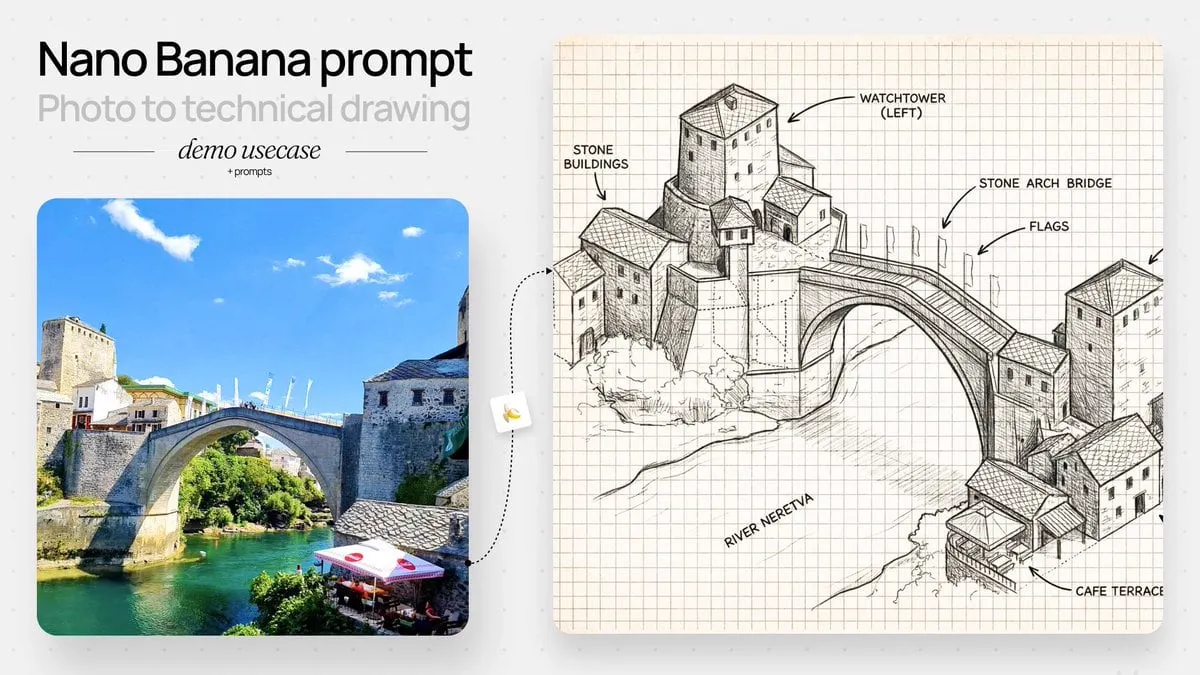
These tools animate a still image. You provide a photo or an image you generated elsewhere, and the model adds motion: a character walks, clouds drift, water flows. Image-to-video gives you much more control, because you can design the exact composition before adding motion.
Video editing and enhancement
Beyond generation, many platforms include editing tools that remove backgrounds, upscale footage, add subtitles, or change the style of an existing video. These tools are useful for polishing AI output and integrating it with real footage.
Most creators combine all three categories. They generate a reference image, animate it with image-to-video, then edit and enhance the result.
Choosing Your First Platform
For a beginner, the most important criteria are ease of use, cost, and quality. Start with a platform that offers a free tier and a library of models, so you can compare styles without spending money. Look for a clear interface where you can see examples, adjust settings, and iterate quickly.
Avoid the temptation to start with the most expensive premium model. The extra cost rarely matters while you are learning. A mid-range model that generates results in a reasonable time will teach you the fundamentals faster. Once you understand the workflow, you can experiment with premium models for specific projects.
Writing Your First Prompts
Prompt writing is the core skill of AI video creation. A good prompt describes what you see, not what you think. Include the subject, the action, the environment, the lighting, and the style.
For example, instead of "a nice beach video", write "a calm beach at sunset, gentle waves, golden light, a single palm tree in the foreground, cinematic wide shot". Each detail gives the model more information and improves the result.
Here are some practical rules for beginners:
- Keep the subject clear. Name the main element first.
- Describe the action simply. "A woman walks across the street" works better than "a woman is seen walking across the street with a certain elegance".
- Specify the style. Words like "cinematic", "photorealistic", "anime", "3D render", or "pixel art" change the output dramatically.
- Mention the camera if it matters. "Close-up", "wide shot", "slow zoom", or "aerial view" give the model direction.
- Do not overload the prompt. Two or three key details are better than ten competing ones.
A Simple Workflow for Your First Video
Follow this process for your first project. It is designed to be simple, but it teaches all the important concepts.
Step 1: Define your idea
Write one sentence describing what you want to show. Keep it small: a single scene, a single subject, a single action. "A robot watering flowers in a garden" is a perfect first idea.
Step 2: Generate a reference image
Use an image generation tool to create a still of your scene. Spend time here getting the composition right. You can try several variations and keep the best one. This image becomes your anchor for the rest of the process.
Step 3: Animate the image
Upload the image to an image-to-video tool and write a motion prompt. "The robot slowly raises the watering can, flowers sway in the breeze" tells the model what movement to add. Review the output, and if the motion is wrong, try a different prompt or model.
Step 4: Edit and polish
Add music, sound effects, and subtitles in an editing tool. Trim the clip to the best moments. Most short videos benefit from being under 15 seconds, so cut aggressively.
Step 5: Export and publish
Export the final video in the right format for your platform. Vertical 9:16 works best for TikTok, Shorts, and Reels; horizontal 16:9 suits YouTube and presentations. Add a title and description with relevant keywords, then publish.
Keeping Characters Consistent
The hardest problem in AI video is consistency. If you generate the same character twice, the model may give it a different face, different clothes, or a different body shape. This is a serious issue for series content, brand videos, and storytelling.
The solution is reference-based generation. Generate one strong image of your character, then use that image as a reference for every subsequent generation. Many platforms support multi-image fusion: you provide several views of the character, such as a front portrait, a side profile, and a full body shot, and the model builds a stable identity from them.
Treat your character references as valuable assets. Store them in a folder, name them clearly, and reuse them across all your projects. A consistent character becomes the recognizable face of your content.
Using Templates and Examples
When you are starting out, there is no shame in studying examples. Most platforms show prompt examples with their results. Analyze the relationship between the prompt and the output: what words produced which visual effects? Build your own collection of effective prompts, organized by category such as "nature", "people", "products", and "abstract".
Over time, develop reusable templates. A template is a prompt with slots to fill in. For example: "a [subject] in [environment], [lighting], [camera angle], [style]". Filling in the slots is faster than writing a new prompt every time, and it produces more consistent results across a series.
Common Beginner Mistakes
Most beginners make the same mistakes, and knowing them in advance saves you a lot of frustration.
- Expecting perfection on the first try. AI generation is probabilistic. Plan for retries and treat each attempt as an experiment.
- Using vague prompts. "Something cool" produces random results. The more specific you are, the closer the output matches your vision.
- Ignoring the reference image. If the composition matters, generate a still first instead of relying on text alone.
- Choosing the wrong aspect ratio. Decide whether you need vertical or horizontal output before you start, and set it in the platform.
- Giving up after one failure. The difference between a beginner and an experienced creator is often just the willingness to retry with a better prompt.
Ideas for Your First Projects
Having a concrete list of starter projects removes the friction of deciding what to make. Start with one of these, and adapt it to your interests.
A talking product demo
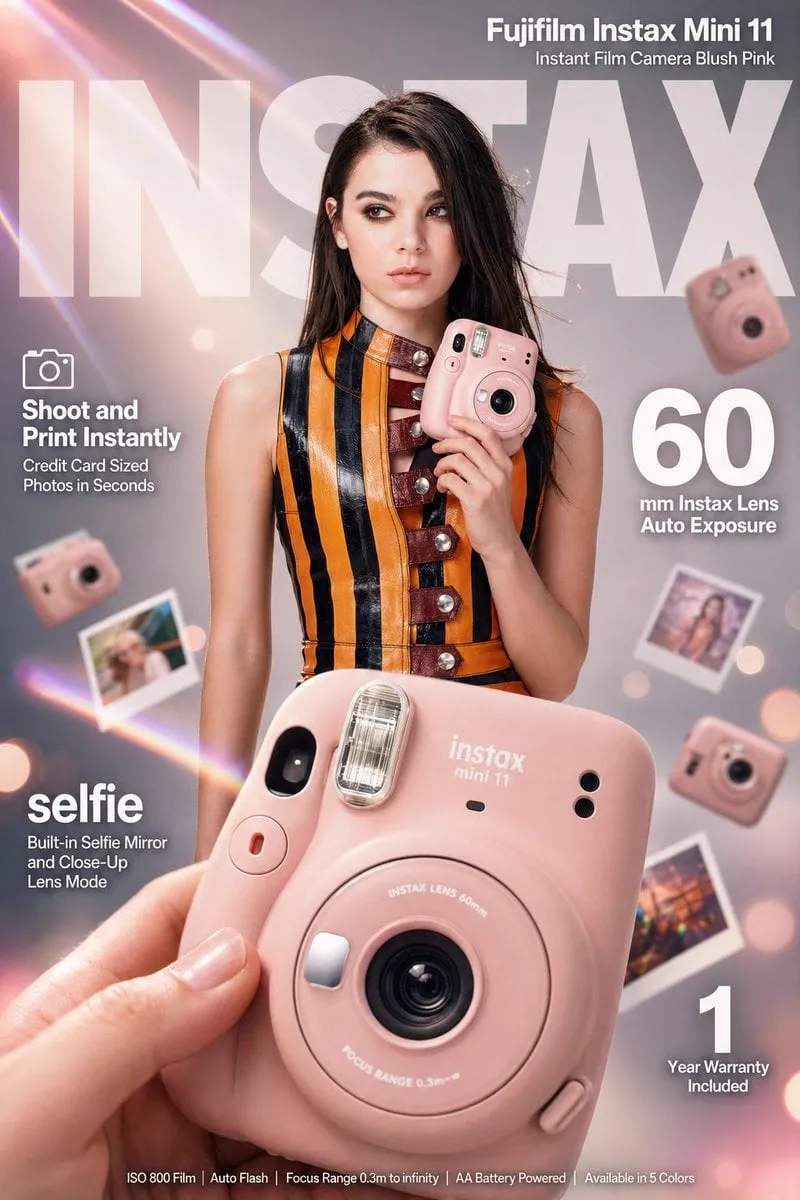
Pick a product you use daily, generate a clean image of it, and animate it with a slow camera orbit. Add text labels highlighting the features. This project teaches image generation, basic animation, and text overlay, and the result is immediately useful for social media.
A character introduction
Design one character with a set of reference images, then generate three scenes showing the character in different environments. This project teaches character consistency, which is the skill you will reuse most often in later projects.
A before-and-after transformation
Describe a scene in two states: a messy room and a clean room, a seed and a flower, a blank canvas and a finished painting. Animate the transition with a morphing effect. This project teaches the value of clear prompts and the power of simple concepts.
A 15-second story
Write a three-line story, generate a scene for each line, and assemble them with music and subtitles. This project teaches narrative structure and pacing, and it produces a portfolio piece you can share immediately.
An animated explainer
Take a concept from your field, such as how a solar panel works or why costs rise and fall, and explain it with a short animated sequence. This project combines everything: planning, generation, editing, and audio.
Each project takes a few hours on a free or low-cost tier, and each one builds skills that transfer to the next. By the time you have finished five projects, you will have a personal workflow that fits your style and a small portfolio that proves what you can do. Keep every draft, even the failures: comparing early experiments with later results is the clearest evidence of your progress, and it keeps you motivated when a generation does not match your vision.
Building a Sustainable Practice
AI video creation rewards consistency. Set a small goal: one short video per week. Each project teaches you something, and your prompt library grows with every session. After a few weeks, you will be able to produce in an hour what took a full day at the beginning. The compounding effect is real: prompts improve, references accumulate, and your judgment about what will generate well sharpens with every iteration. This is why the first project matters less than the habit of making projects.
Keep a project journal. Note which prompts worked, which models you preferred, and which styles matched your brand. This journal becomes your personal playbook, more valuable than any generic tutorial.
As you gain confidence, expand your scope. Move from single scenes to multi-scene stories. Add voiceover and sound design. Experiment with premium models for hero shots. Each step builds on the last, and the skills compound quickly.
Conclusion
Creating stunning AI videos is a learnable skill. The path is simple: understand the tools, master prompt writing, build a consistent workflow, and practice regularly. Start with a small project this week. Generate a reference image, animate it, add music and subtitles, and publish the result.
The tools will keep improving, but the fundamentals you learn now will serve you for years. The creators who succeed in this medium are not necessarily the most talented artists. They are the ones who show up, experiment, and refine their process one video at a time.
FAQ
Do I need drawing or video editing skills to make AI videos? No. The AI handles the visual generation. Basic editing skills help with polishing, but modern tools make even that step accessible to beginners.
How much does it cost to start? Many platforms offer free tiers. You can learn the basics without spending anything, and paid plans start at affordable monthly rates for regular use.
Can I use AI videos commercially? It depends on the platform's terms. Most allow commercial use, but you should check the specific license of the model and platform you use.
How long does it take to make a simple AI video? Once you know the workflow, a simple video can take 30 to 60 minutes, including retries and editing.
What is the best way to learn prompt writing? Study examples, experiment systematically, and keep a collection of prompts that worked for you.
Why do my characters change between scenes? Without reference images, models invent new appearances each time. Use image references or multi-image fusion to keep characters consistent.
