
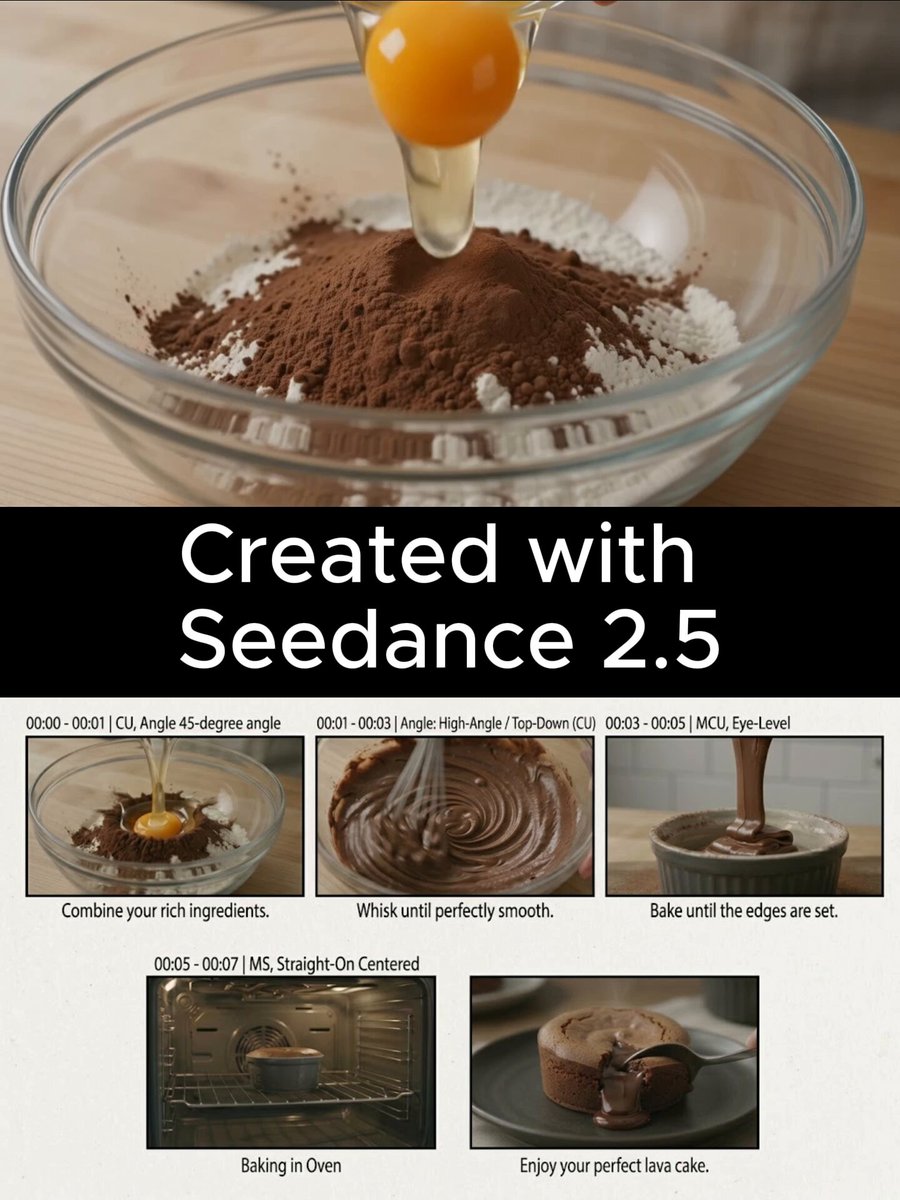
India has become one of the largest and fastest-growing markets for short-form video in the world. Over the past few years, the way Indian creators plan, shoot, edit, and distribute content has changed dramatically. What used to require a full production team, expensive cameras, and weeks of rendering is now possible in a single afternoon with the right set of AI-powered tools. This article explores the rise of AI-driven video creation in India, the practical workflows creators are adopting, and the specific problems that modern tools solve for the average YouTuber, Instagram Reels creator, or small business that wants to build a video presence.
Why Video Creation Is Changing So Fast in India
The Indian content market has grown at a pace that few other regions can match. Cheap data plans put smartphones and streaming in the hands of hundreds of millions of people, and that audience does not just watch content, it produces it. As a result, the demand for fresh, high-quality, consistently published video has never been higher. Viewers expect new uploads on a reliable cadence, which puts enormous pressure on small teams and individual creators.
Traditional video production simply does not scale to meet that demand. A single well-produced short can take days when you count scripting, location scouting, shooting, multiple takes, editing, motion graphics, color grading, and audio cleanup. Multiply that by the need to publish several times a week and the cost and time commitment become unsustainable for most independents. That gap between what audiences want and what conventional workflows can deliver is where AI-assisted creation has stepped in.
The solution is not necessarily about removing the creator from the process. It is about removing the repetitive, mechanical labor so that the human can focus on ideas, storytelling, and taste. Tools that generate an initial cut from a prompt, that keep a character visually consistent across scenes, that clean up audio, or that produce background music in a matching mood, all reduce the time between having an idea and publishing a finished piece.
The Typical Workflow of a Modern Indian Creator
Every creator has their own style, but most successful AI-assisted workflows share the same general shape. The first step is always a clear brief. Before opening any tool, write down the topic, the target audience, the main message, and the approximate length. This sounds obvious, but it is the single biggest determinant of whether the final output feels focused or generic.
Next comes the prompt. Whether you start with text-to-video, an image reference, or an existing clip, the quality of what comes out depends heavily on how specific you are. Instead of writing something vague like a man walking in a city, describe the mood, the lighting, the camera angle, the clothing, and the kind of motion you want. The more detail you provide up front, the less you will need to fix afterward.
Once a first version is generated, the real work begins in refinement. This is where a creator's judgment matters. Does the pacing feel right? Is the color consistent with the rest of your channel? Does the sound match the visual tone? Most polished videos go through several iterations at this stage, and good tools make those iterations fast instead of expensive.
The final phase is distribution and learning. Publish, measure retention and clicks, and feed those observations back into the next brief. The best creators treat their own analytics as another input to the creative loop, which means every video gets a little better than the last one.
Keeping Characters Consistent Across Scenes
One of the hardest problems in AI video generation is consistency. If a character appears in your first video with a particular hairstyle, outfit, and face, viewers expect the same character to look recognizable in the next one. Early generation tools often struggled with this, causing so-called character drift where facial features, hair, or clothing subtly changed from shot to shot. For serialized content, such as a brand mascot, a virtual host, or a recurring animated explainer character, that instability is a deal-breaker.
The practical fix is to give the tool strong visual references and to build characters around reference imagery rather than text alone. Many modern platforms support multi-image fusion, where you supply several reference images of the same character and the model locks onto the key identity traits while still allowing changes in scene, expression, and setting. Using this approach, a creator can take a character from a cozy kitchen scene to a futuristic studio, or from a daylight shot to a night scene, and keep the identity clearly readable.
For creators publishing a series, a good habit is to maintain a small library of approved reference images for each recurring character. Keep versions for different expressions, angles, and costumes. Then reuse those same references every time you generate a new episode. This small amount of upfront organization saves hours of correction later and gives your channel a recognizable visual language.
Audio Matters More Than Creators Think
Video is a visual medium, but audiences hear as much as they watch. Background noise, inconsistent voice levels, silent gaps, and generic music can make an otherwise beautiful video feel amateur. Many AI-assisted workflows now include a sound studio stage where the creator generates a voiceover, builds a background track, and cleans up the mix without opening a full audio workstation.
A common mistake is generating a voiceover and the music separately with no thought to how they fit together. Instead, choose the emotional tone of the piece first, then request a voice that matches that tone and a music bed that sits underneath it without fighting it. Keep the voice audible across the frequency range that speech occupies and lower the music slightly underneath narration. Most AI tools will generate reasonable defaults, but a couple of manual adjustments to quiet the music under the voice make a huge difference to perceived quality.
When you reuse a channel voice week after week, keep a consistent voice profile. Some tools let you save a custom voice so every episode sounds like the same person even if recorded months apart. For channels that rely on personality, that continuity is part of the brand.
Choosing the Right Model for the Job
No single AI model is best at everything. Some are outstanding at realistic people, others excel at stylized animation, and still others are great at motion-heavy action sequences. A creator who only ever uses one model is leaving quality on the table. The modern approach is to treat the available models like a toolbox and pick the right one for each task, the way you would choose a wide lens for landscapes and a telephoto for portraits.
For example, a documentary-style talking piece with realistic human faces calls for a model known for photorealism and stable expressions. A stylized explainer video, on the other hand, might look better with an animation-oriented model that gives a consistent art style. A highly stylized product reveal with dramatic motion will benefit from a model strong at object movement and lighting.
The trade-offs are usually speed, quality, and cost. Realistic, complex scenes typically cost more and take longer to render, while simpler and stylized outputs are cheaper and faster. The smart strategy is to use a fast, inexpensive model for early drafts and visual exploration, then switch to a higher-fidelity model only for the final version of the shots that matter most. This keeps the creative process nimble while reserving the expensive generation for what the audience actually sees.
Practical Tips for Faster AI Video Production
Regardless of which tools you choose, a few habits consistently make video production faster and better. Batch your work. Generate all the clips you need for a project in one sitting rather than iterating one clip at a time, because it lets you see the whole piece together and spot inconsistency while it is still cheap to fix.
Give every project a shared visual briefing. Write down the palette, the lighting mood, and the recurring characters and reuse that briefing across all the clips in a project and across projects in a series. This is the fastest way to make a channel feel cohesive.
Review on a schedule, not all at once. Short attention spans and fatigue cause creators to rubber-stamp mediocre generations just to move on. Instead, generate, step away briefly, and come back with fresh eyes. A quick break often reveals problems you would otherwise miss.
Keep a log of what works. After each video, jot down the prompt structure, model, and settings that produced the results you liked. Over time this becomes a personal playbook that makes the next video dramatically easier.
Building a Monetizable Video Business Around AI
The ultimate goal for many creators is to turn a consistent video output into a sustainable income. AI tools change the economics here in two important ways. First, they lower the cost of maintaining a regular publishing cadence, which is exactly what platforms reward. Second, they free up the time that used to go into editing so that it can instead go into higher-leverage activities like building a niche, engaging with the community, licensing value, and improving the product.
That does not mean AI content is automatically valuable. Viewers can tell when a video is low-effort regardless of how it was made. The content still has to be genuinely useful, entertaining, or informative for a real audience. What AI removes is the friction between having a good idea and getting it published. The ideas, the research, the point of view, and the consistency still come from the creator.
A practical path for beginners is to start with a single narrow topic they can cover well, publish on a fixed schedule using an AI-assisted workflow, and treat the first few months as a learning period rather than a revenue push. Track which episodes perform best, double down on those themes, and gradually expand the tooling and the production quality as the audience grows.
Measuring What To Produce With, Instead Of Guessing
When a creator begins relying on AI-assisted workflows, a new question appears: how do you know the content is actually performing? The answer is to close the loop between analytics and creation. Retention data, watch-through rates, comments, and shares tell you which episodes landed and which fell flat. Feeding that information back into the next briefing turns every publication cycle into a small experiment where the next piece is a little better than the last one.
Retention is the metric to watch first. If viewers drop in the first few seconds, the opening promise is unclear or the hook is too slow. If they leave midway, the pacing or the transitions may be the problem. If they finish but do not interact, the piece may need a clearer call to action or a stronger point of view. Each pattern points to a specific fix, and a good workflow makes those fixes cheap to apply.
Another habit worth building is an episode log. After every video, note the topic, the structure, the model and settings you used, and the numbers it produced. Over a few dozen episodes, that log becomes a personal research database unique to your audience. It tells you which formats, lengths, and subjects your viewers reward, and it stops you from relying on guesswork.
Handling Cost and Speed Trade-Offs Wisely
AI video generation has a cost in both money and time, and beginners often overlook this until a project runs away from them. The sensible approach is to separate exploration from production. Use fast, inexpensive generation for early drafts and visual experiments, and reserve high-fidelity, costlier generation for the final shots that matter most to the audience.
This is especially important for creators in markets where budgets are tight. A typical mistake is generating every frame at maximum quality before knowing whether the concept works. That wastes budget on shots you will discard. Instead, prove the direction with cheap drafts, lock the concept, and then invest in polished output only once you are confident.
Realtime feedback helps here too. Many tools let you run quick iterations to test small changes to a prompt without committing to an expensive render. Use those quick tests to settle choices like lighting, framing, and color before you spend on the final generation. Small upfront decisions, made cheaply, prevent expensive rework later.
Turning Viewer Feedback Into Better Briefs
The fastest way to improve is to listen closely to the people who actually watch. Comments reveal not just what viewers liked but what they wished the video included, which questions it left unanswered, and which parts confused them. Gathering those signals and folding them into your next briefing makes your content feel responsive and builds community loyalty.
It also helps to pay attention to which topics your competitors and peers are covering and how their audiences react. Short-form creators can adapt successful structural ideas, not by copying anyone's exact content, but by studying what kind of openings, pacing, and payoff patterns keep attention. Reinventing established audience behavior from scratch is slower than learning from it.
Share your process too. Audiences trust creators who are transparent about how they work, and explaining the AI-assisted choices behind a video makes the content feel considered rather than detached. A short line about why you chose a certain look or mention the tool you used can turn the production itself into a point of connection with viewers.
Frequently Asked Questions
Do I need to understand how the models work to use them well? No, but it helps. You can produce good work by learning prompt structure and iteration habits. Understanding the basics of what a model is good at will help you choose the right one and set realistic expectations faster.
Will AI-generated video hurt my authenticity as a creator? Only if you rely on it to replace your judgment. If the perspective, the story, and the quality control are yours, the tools are simply speeding up the execution. Most audiences care about whether the content connects, not about which software made it.
Do I need an expensive computer to use these tools? Usually not. Most modern AI video platforms run the heavy computation in the cloud and only need a decent browser on your side. That makes the barrier low for creators in India who may not own a powerful workstation.
Is generated video useful for advertising a local business? Very much yes. Small businesses can turn a written description of their product into short promotional clips, keep a consistent look across the whole campaign, and publish frequently without hiring a videographer.
How do I make sure my channel keeps a consistent identity? Standardize on a small set of reference images, a shared visual briefing, a saved voice profile, and a consistent editing rhythm. Consistency of output is what builds a recognizable brand over time.
Where should I start if I have never used these tools before? Pick one narrow use case, such as animated explainer shorts for a topic you love, read the documentation for the basic parameters, and publish your first piece. Learning by shipping a small project beats reading theory for weeks.
