


Unlock Cinematic Quality: How AI Video Editing Transforms Your Workflow
The digital media landscape is undergoing a radical transformation driven by Artificial Intelligence in post-production, fundamentally changing how creators achieve cinematic quality. This article explores how AI video editing is revolutionizing workflows, moving beyond simple automation to enable unprecedented creative control and efficiency.
We'll cover the core technological shifts, the role of model orchestration, and the practical steps content creators must take to harness this transformation for superior output.
Why AI video editing matters in 2025
The era of tedious, frame-by-frame manual video editing is rapidly receding, replaced by an intelligent ecosystem where AI systems manage complexity, consistency, and scale. Content demand across platforms like YouTube, TikTok, and enterprise training modules necessitates high-volume, high-quality video output that traditional methods simply cannot sustain.
The challenge now is shifting from technical execution to creative direction, demanding tools that understand narrative intent and visual coherence across long-form projects. AI is not just an editor; it is a co-director and production assistant.
Model orchestration: choosing the right engine for each shot
Achieving true cinematic quality today relies less on physical gear and more on accessing the right AI model for the specific shot requirement. The sheer breadth of available models allows creators to pivot instantly between photorealism, stylized aesthetics, and specific aspect ratios.
Creators are moving away from single-model dependency towards model orchestration. Choosing between a model for pristine image quality and another for narrative depth requires nuanced understanding of each model's strengths. This model diversity prevents creative stagnation, ensuring that no two projects look exactly alike unless intentionally designed that way.
A practical starting point is Domer's AI video generator, where you can test different engines on the same concept before committing to a direction.
Consistency through fusion technology
A critical barrier to cinematic quality has always been character and scene consistency. Multi-image fusion capabilities are essential here, allowing users to lock character keyframes across multiple model generations, overcoming inherent flickering or model drift — a significant technical hurdle previously managed with complex 3D tracking.
The hallmark of cinematic quality is unbroken visual continuity. Early AI video generation suffered from character jitter, mismatched costumes, and background instability across cuts. Modern fusion technology directly confronts this: creators upload a set of reference images defining a character's look, clothing, or a specific prop, and force the AI generation across subsequent scenes to adhere to that visual template.
This is essential for projects requiring sequential narrative arcs. The platform's architecture separates the visual anchor data from the generative process, ensuring that even if the user switches from a fast, lower-cost model to a high-fidelity one, the core visual identity remains anchored to the initial input set.
The role of AI agent directors
The true transformation lies in the introduction of AI agent directors. These systems move the process from prompt engineering to intelligent direction. Instead of merely inputting text, creators collaborate with the agent to refine narrative structure, shot pacing, and emotional beats.
This agent acts as a virtual cinematographer, suggesting optimal camera angles or movement based on established film grammar rules. This level of guidance is transformative for independent filmmakers who may lack extensive directorial experience but possess strong narrative ideas. The agent integrates directly with the video generation pipeline, refining prompts for the selected AI model.
This synthesis of AI model diversity and agent intelligence is what separates current cinematic creation from previous years' experiments.
Revolutionizing pre-production
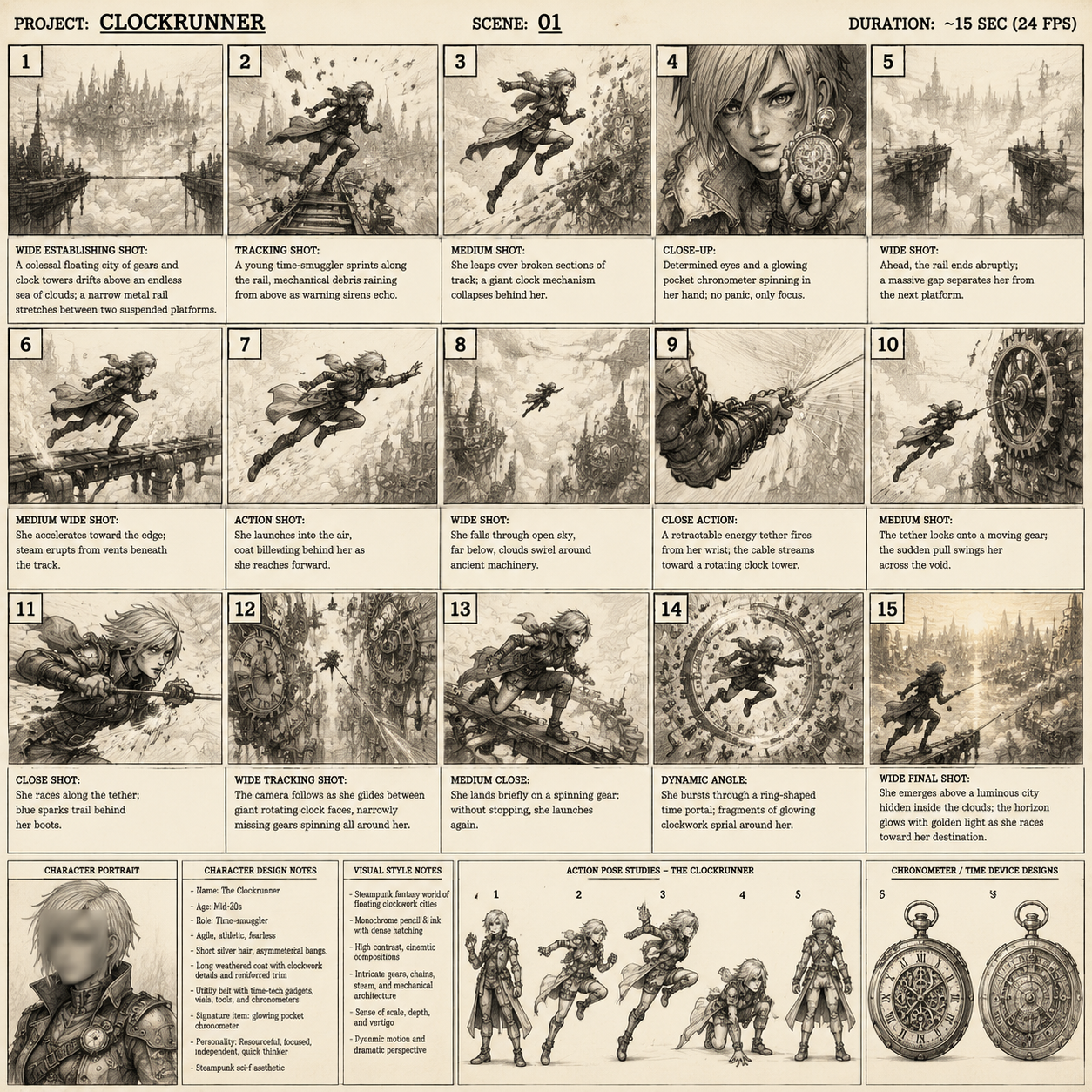
The traditional pre-production phase — storyboarding, mood boarding, and concept art iteration — used to consume weeks or months of specialized labor. AI video editing systems drastically compress this timeline by allowing instantaneous visual prototyping.
Creators can now test dozens of visual styles within hours. This rapid iteration cycle, powered by text prompts and image references, means the creative team can settle on the visual language of the project far earlier, locking in the cinematic quality baseline before a single frame of final footage is rendered.
Instead of reshooting a complex background, creators use image-to-video capabilities to inject high-fidelity custom elements directly into the existing shot structure. For concept art and key frames, Domer's AI image generator and models like GPT Image 2 provide strong foundations.
Streamlining post-production
Moving into post-production, AI significantly accelerates tasks traditionally requiring specialized editors or sound engineers. Integrated audio tools include AI voice synthesis and automated background music generation tailored to scene mood. This moves the creator past the necessity of manual synchronization and score licensing.
Automated rough cuts based on script timing or identified emotional cues present the creator with a highly refined sequence ready for final polish. This synergy between visual generation and integrated audio tools means that a cinematic sequence can transition from concept to near-final assembly in a fraction of the time.
AI voice synthesis ensures dialogue tracks align perfectly with lip movements generated by the video models, eliminating tedious manual audio-visual alignment. The sound studio generates score elements that dynamically adjust volume, tempo, and instrumentation based on the on-screen action.
Controlling motion trajectories
For complex actions, first-to-last-frame control becomes invaluable. These models allow creators to dictate the precise starting and ending poses of a motion sequence, which the AI then fills in coherently, ensuring smooth, intentional cinematic movement.
By leveraging image-to-video and text-to-video in combination, creators can maintain both character identity and motion quality across a series of shots. Models like Seedance 2.0 are particularly useful for building consistent visual foundations.
Building a scalable production infrastructure
To consistently deliver cinematic quality, the underlying infrastructure must handle massive, sporadic computational loads. A modular architecture designed for clear boundaries between user management, payment processing, and the core video generation engine is essential.
The task queue intelligently distributes workload across available GPU resources, balancing user priorities against model complexity. This disciplined engineering approach ensures that even high-demand models can be processed without crashing the platform or delaying standard user requests.
Conclusion
AI video editing transforms the production workflow from an artisanal craft into a scalable, controllable process. The key principles are:
- Orchestrate models: choose the right engine for each shot rather than relying on one.
- Lock consistency: use fusion technology to keep characters and scenes stable.
- Leverage direction: let AI agents handle composition, pacing, and camera work.
- Prototype fast: test many styles before committing to final renders.
- Integrate audio: sync voice and music with the visual timeline automatically.
With this approach, cinematic quality is no longer reserved for studios with large budgets — it's achievable for any creator with the right workflow.
