
The New Standard for Video Editing Power
Video editing has never been just about cutting and trimming. It's about storytelling, pacing, and capturing attention. In 2025, the definition of editing power has shifted dramatically — from manual timeline manipulation to AI-driven generation that can build scenes from a simple prompt. Legacy avatar platforms and free online editors are struggling to keep up with the demand for cinematic control, character consistency, and true creative flexibility.
Why Avatar Platforms and Free Editors Fall Short
The limits of avatar-based workflows
Tools like Synthesia popularized AI presenters, which work well for corporate explainers. But they're constrained by pre-built avatar movements, limited emotional range, and a lack of true scene control. For narrative content, product demos, or anything requiring visual storytelling, avatar platforms are a straightjacket. You're not directing a film; you're picking a presenter and reading a script. The result is efficient but predictable — and increasingly interchangeable.
Free online editors: more limits than freedoms
Free video editors give you access to basic tasks like splicing, trimming, and adding text overlays. That's about it. They often watermark your output, cap resolution at 720p, and offer no AI-native features. Worse, they're built on legacy architecture, so they can't leverage the compute needed for high-fidelity generative media. In a world where viewers expect 4K realism, a free editor is a creative debt collector.
What Real AI Video Editing Power Looks Like in 2025
Generative AI video platforms have evolved into full production ecosystems. They offer access to multiple specialized models, support image-to-video and text-to-video pipelines, and give creators the ability to direct scenes with camera-like precision. This is what we mean by "top-tier editing power" — not just the ability to tweak a timeline, but the ability to command a suite of models to produce the exact shot you envision.
Multi-model access beats single-model thinking
No single AI model is perfect for every task. One model might excel at photorealistic textures, while another handles dynamic motion or stylized animation. The most powerful platforms aggregate the best models available — from pioneering open-weight systems to advanced commercial engines — so you can choose the right tool for each shot. This modular approach also future-proofs your workflow. When a new model drops, you don't have to rebuild your entire pipeline; you simply switch models within the same project. Domer's AI video generator is a great example of this philosophy in action, letting creators tap into a curated roster of models for everything from text-to-video to image animation.
Character consistency across scenes
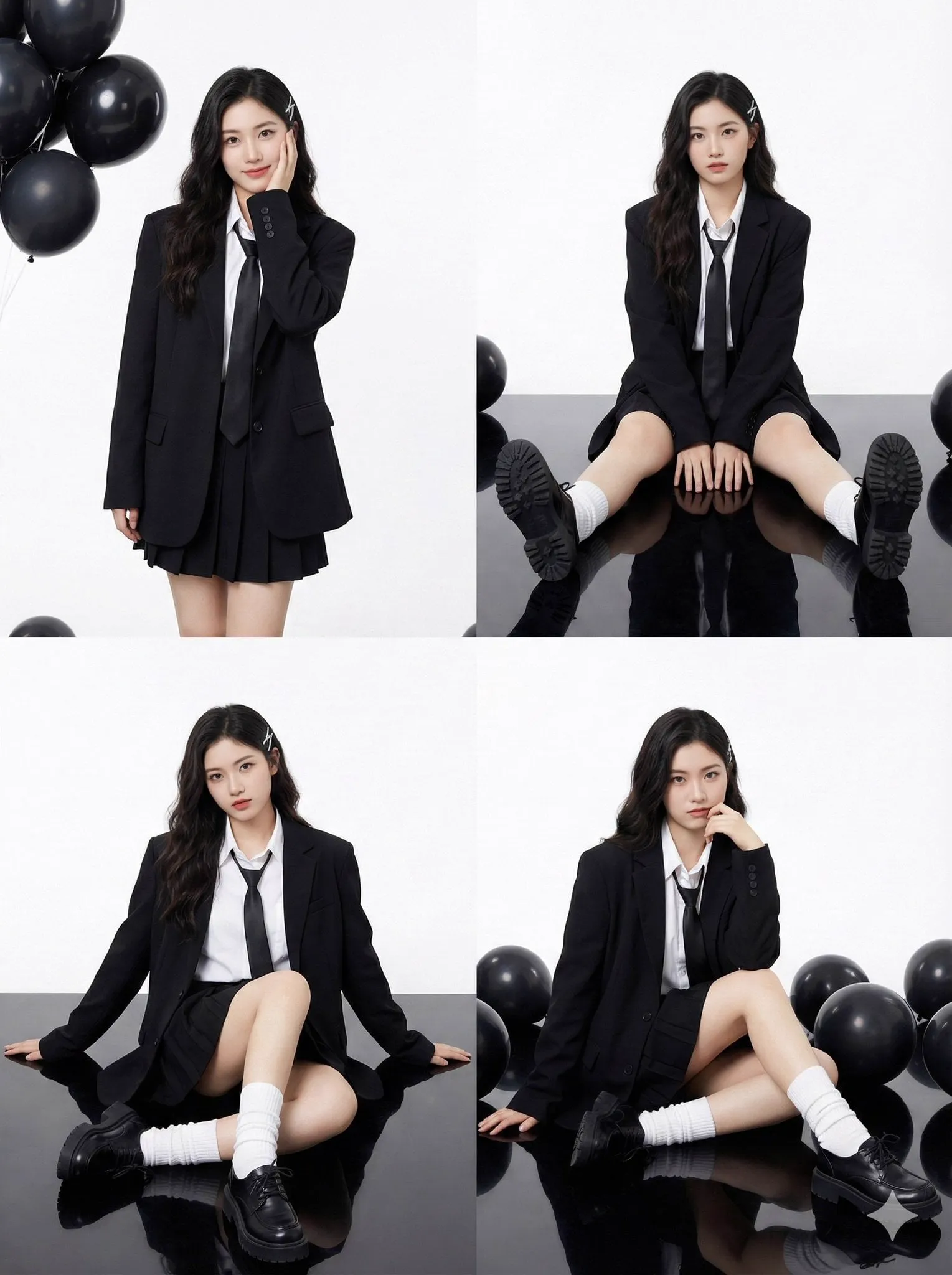
One of the biggest pain points in generative video used to be keeping characters recognizable from shot to shot. Early models would subtly mutate a face, change clothing, or swap entire environments between takes. Today, advanced platforms use multi-image fusion and keyframe management to lock in the visual identity before generation even begins. You reference the same character image across multiple videos, and the model maintains continuity — no matter how many times you iterate. This is essential for long-form content like web series, brand campaigns, and educational miniseries.
Directorial AI: From Prompt-Typing to Vision-Giving
The most exciting development in video AI is the emergence of "director agents" — AI layers that translate narrative intent into camera moves, composition choices, and scene sequencing. Instead of handcrafting prompt after prompt, you describe the story and emotional beat, and the AI suggests a shot list, camera angles, and transitions. It's like having a cinematographer in your pocket.
This directorial layer matters because it removes the steep learning curve between an idea and a polished scene. For instance, you can request a slow dolly-in with a shallow depth of field, and the underlying model will interpret that into the physics of the render. The result is footage that feels intentionally shot, not randomly generated.
These AI directors are not just for professionals. They're democratizing filmmaking, giving independent creators the ability to produce a commercial look without hiring a crew. If you're exploring how AI can handle your video production pipeline, Domer's AI tools directory is a solid place to start researching practical options.
Tools That Matter for Creative Control
Let’s talk about specific capabilities that separate serious platforms from toys.
Text-to-video and image-to-video pipelines
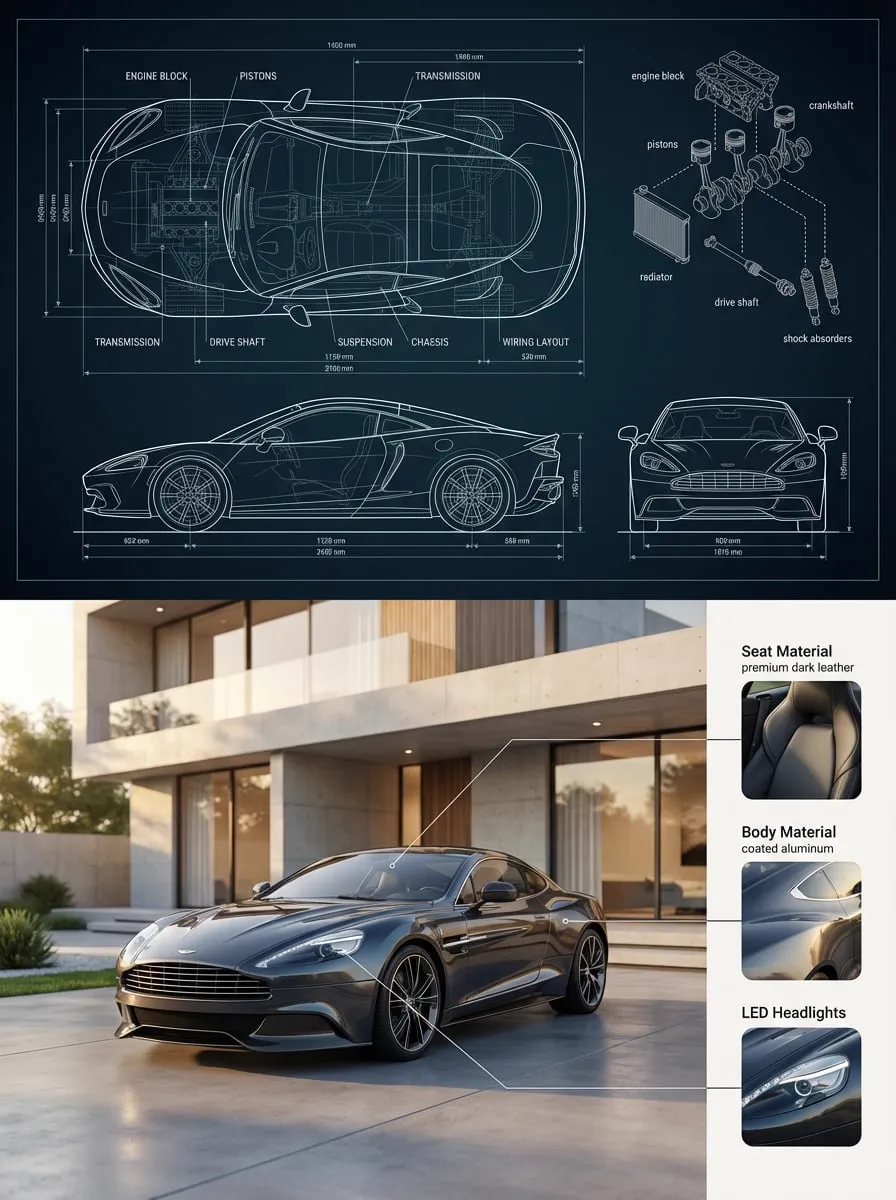
Text-to-video has become impressively coherent. But the real workflow revolution is image-to-video. You create a reference frame — either by generating it with an AI image generator or importing a product photo — and then the video model animates the scene with the exact composition, lighting, and styling you want. This is a huge advantage for brands that need to maintain visual identity across a campaign.
Camera control and physics simulation
Modern models support camera panning, zooming, tilting, and even lens-specific effects like bokeh. Physics simulation has also improved dramatically. Clothing moves naturally, water splashes correctly, and hair doesn't melt into the character's face. Some platforms go so far as to expose cinematic lens parameters, giving you granular control over aperture and focal length. For example, Seedance 2.0 represents the kind of model that handles both motion and detail elegantly, making it a strong choice for high-end concepts.
Style persistence and non-destructive training
A professional workflow demands consistency. Advanced platforms are moving toward non-destructive training methods, which let you fine-tune a model's "understanding" of your style without breaking its base knowledge. Combined with reference image inputs, this makes it possible to generate an entire series with a unified visual language.
The Backend Matters Too: Reliability and Scalability
Powerful models are only as good as the infrastructure running them. Rendering high-resolution video is computationally expensive. If the platform's backend isn't designed for long-running tasks, you'll get timeouts, failed jobs, and frustrating crashes. This is why enterprise-grade AI video tools are built on scalable, modular architectures. Task queues prioritize GPU allocation based on workload, and deliveries are handled via edge networks so large files reach your clients quickly.
Robust authentication, secure storage, and idempotent payment systems are table stakes. When you're generating dozens of renders a week, you need a system that never loses a job. That's the invisible layer of "editing power" that free tools simply cannot provide.
Making the Switch to an AI-First Workflow
Transitioning from manual editing or avatar-based tools to a generative-first workflow doesn't require you to abandon your existing assets. Many creators use hybrid pipelines: they generate keyframes with GPT Image 2 or another state-of-the-art image model, then animate those frames in a video tool. This lets you keep brand elements exact while letting AI handle the dynamic motion.
The financial math also favors AI-first workflows. Instead of paying for hours of editing labor, you pay for generation capacity — and you can iterate infinitely without burning your team's time. Yes, premium tools cost more than a free editor. But the difference in output quality is night and day. For businesses publishing daily video content, the ROI is immediate.
Future-Proofing Your Content Pipeline
The generative video landscape is evolving at breakneck speed. Models that struggled with anatomically correct hands a year ago now render crowds and complex reflections flawlessly. The next wave of breakthroughs — real-time multi-modal generation, longer context windows, and agent-driven storytelling — will only deepen the gap between true AI editing power and legacy tools.
To stay ahead, choose platforms that are model-agnostic and update their rosters regularly. Look for a provider that integrates new releases without forcing you to migrate your projects. And don't underestimate the value of a supportive community, where creators share prompts, workflows, and trained models.
Conclusion: Editing Power Is Now Intelligence
The era of "just stringing clips together" is over. Editing power in 2025 comes from AI's ability to understand your vision and execute it at cinematic quality. Avatar platforms and free editors are historical artifacts of the early AI video period. Forward-thinking creators are already using multi-model ecosystems, directorial agents, and consistent-character pipelines to produce content that looks anything but AI-generated.
If you're ready to explore what real generative video can do, start with a platform that gives you both creative control and technical muscle — and a library of models that can handle any brief. That's the new benchmark for top-tier video creation. Whether you're a solo creator or a global brand, the only question left is: how far do you want to push the vision?
