
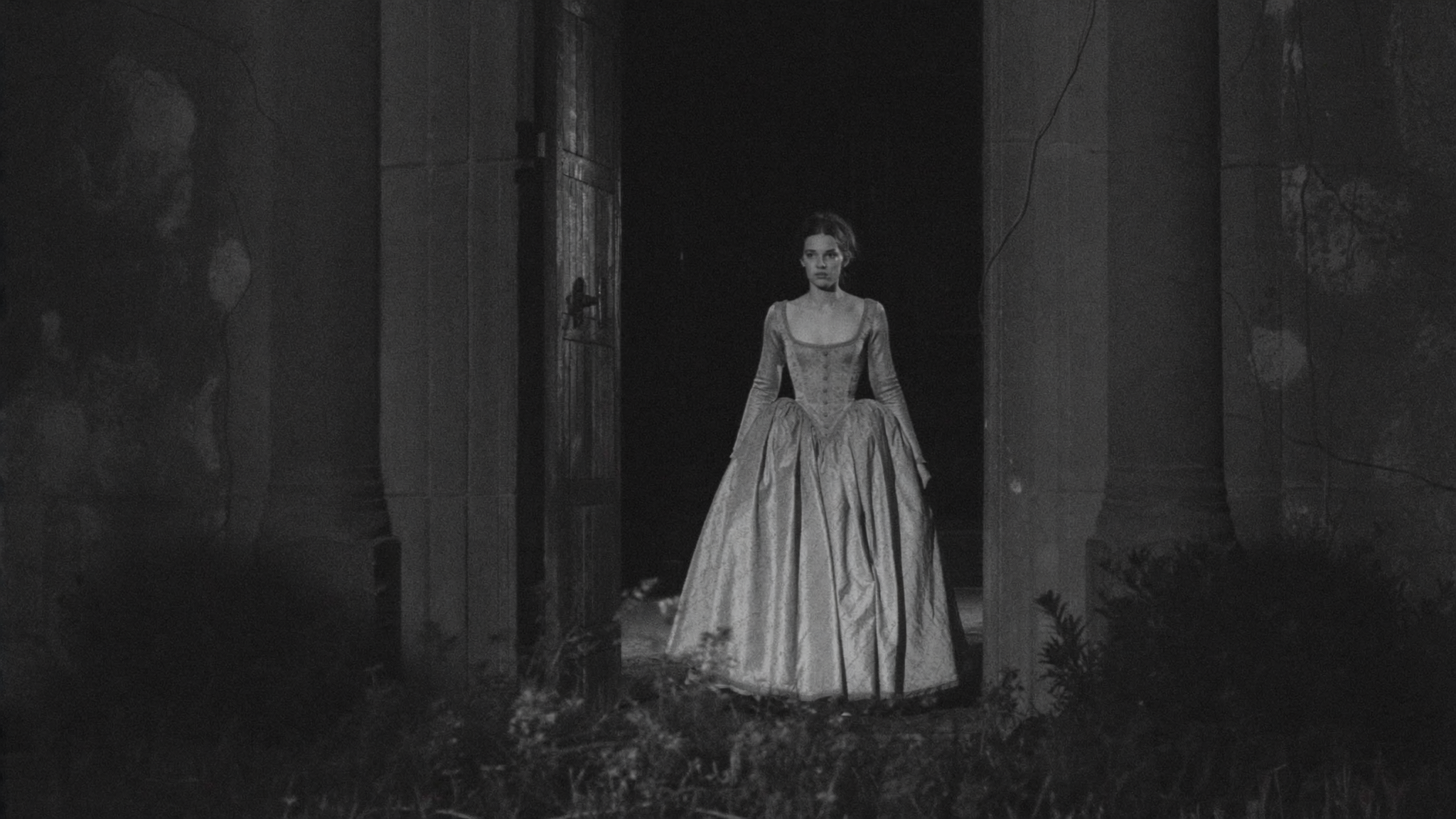

AI video editing stopped being a curiosity and became the default production workflow in 2025. What felt like a toy two years ago now sits inside professional pipelines at studios, agencies, and one-person creator shops alike. The shift is not about a single breakthrough model; it is about a collection of trends that converged at once: models that keep characters consistent across shots, systems that direct a scene instead of just rendering frames, engines that understand physics well enough to fool the eye, and libraries large enough to give every project a purpose-built tool.
If you produce video in any serious capacity, the trends below are the ones that will shape how you work this year. More importantly, they explain where the industry is going, so you can invest time in skills and tools that will still matter in 2026 and beyond.
From Experiment to Production Standard
The most important change is cultural. AI video has moved out of the experimentation folder and into the main edit. Teams no longer ask whether to use generative video; they ask where it fits, which model to use, and how to keep the output consistent with the brand.
Three forces pushed this over the edge. First, quality reached a point where generated footage can pass as captured footage in many contexts, especially for backgrounds, transitions, and stylized content. Second, iteration speed became a competitive advantage: a team that can produce ten versions of an ad in an afternoon beats a team that needs a week for one. Third, cost pressures made synthetic content attractive for anything that does not strictly require a real camera, a real location, or a real actor.
None of this means traditional filmmaking disappears. It means the bar for what deserves a physical production rises. If the shot can be generated, it will be generated. That recalibration is the real story of 2025.
Why Consistency Became the Battleground
Every veteran of early AI video remembers the same frustration: generate a shot of a character, then generate the next shot, and the face has changed, the jacket has changed, the lighting has changed. Scenes that required visual continuity were impossible to assemble.
In 2025, consistency is the single most discussed topic in the field, and for good reason. Viewers tolerate stylized weirdness, but they do not tolerate a protagonist whose identity drifts between cuts. The industry responded on multiple fronts.
Character and Style Continuity with Next-Generation Models
Newer model families such as the Flux series and the Runway Gen-4 generation were designed around the continuity problem rather than treating it as an afterthought. They keep characters recognizable across shots by encoding identity features more robustly, and they hold a visual style once it is established in a scene.
The practical effect is dramatic. A creator can now generate an establishing shot, a close-up, and a reverse angle of the same character without manually re-describing every detail in each prompt. The model remembers. That removes the largest blocker to using AI for narrative work, which is why so many short films and branded stories now rely on these tools.
Style and Light Consistency
Character identity is only half the equation. The other half is atmosphere. Early generative work had a tell: every shot looked like it was lit by the same diffuse studio glow, regardless of the scene. Current tools hold color grades, time of day, and shadow behavior much better across a sequence, which lets editors assemble generated clips alongside real footage without a jarring mismatch.
For editors, this means the color pass is shorter and the composite feels natural sooner. It also means the creative brief matters more: a precise description of mood, palette, and lighting in the first prompt pays off across the entire sequence.
The Rise of Autonomous Direction
The most futuristic trend of 2025 is the arrival of the AI director. Instead of the human thinking about every shot, the human describes the intent, and a system plans the scene, chooses camera angles, decides on transitions, and even paces the edit.
How an AI Director Changes the Edit
Think of these tools as a very fast assistant director who has watched an enormous amount of film. You hand over a scene description, and the system proposes a shot list: wide establishing shot, medium two-shot, close-up on the reaction, cut to the detail that matters. It handles composition and sequencing at a level that used to require years of instinct.
For solo creators this is liberating. You get coverage like a small crew shot it, without a crew. For agencies, it compresses the pre-visualization phase, letting teams show clients multiple directorial takes before committing to a direction.
The Practical Limits of Autonomous Tools
An AI director is not a replacement for taste. It generates options quickly, but someone still needs to decide what the story is, what the audience should feel, and which option serves the brand. The human role shifts from executing every cut to curating, correcting, and steering. The teams that win are the ones that treat the tool as a brilliant junior collaborator with an endless supply of ideas, not as an oracle.
Hyper-Realism and Physics-Aware Generation
2025 is the year generated video became genuinely hard to distinguish from real footage. Two forces drive this: higher-resolution motion simulation and physics engines baked into training.
Systems like Luma Ray 2 and Vidu Q1 specialize in realistic motion. Water splashes, fabric folds, hair movement, and reflections behave the way they do in the real world because the model has internalized physical behavior rather than just visual patterns. This matters enormously for product shots, automotive content, and anything with natural elements, where fake-looking motion is the fastest way to lose viewer trust.
The commercial implication is that "we cannot afford to shoot it" now has a much weaker excuse. A luxury watch commercial with waves and reflections can be generated with a fraction of the budget of a physical shoot, and at a quality that passes casual inspection. Brand teams should be careful, though: hyper-realism also raises disclosure and trust questions, which we will return to.
Choosing from a Sea of Models
The model landscape in 2025 resembles a well-stocked camera room. There is no single best tool; there is the best tool for the job. General-purpose engines like Sora and Veo 3 handle narrative and cinematic output well. Others specialize in speed, style transfer, anime, or motion physics.
The practical takeaway is that serious creators maintain a short list of three to five models and match them to project needs:
- Cinematic narrative: large flagship models with strong scene understanding.
- Speed and volume: lightweight models that generate fast, used for drafts, social cutdowns, and throwaway content.
- Specialized aesthetics: anime, pixel art, or stylized illustration models for branded looks.
- Motion realism: physics-focused models for product and nature shots.
This diversity is the reason the workflow question changed. Nobody asks "which AI video tool should I learn?" anymore. They ask "which model should I route this job to, and how do I keep the pipeline consistent across all of them?"
Advanced Controls: Fusion and Keyframes
Two control techniques crossed from power-user territory into the mainstream in 2025: multi-image fusion and keyframe control.
Multi-Image Fusion
Multi-image fusion lets you feed several reference images into a generation, so the output combines their identity and layout. The classic use case is character consistency: you generate a reference portrait of the character once, then reuse it across every scene. Instead of the model inventing a face from text, it stays anchored to the reference.
The same technique works for products, locations, and mascots. A brand can build a small library of reference images and use them to keep every generated asset on-brand. This is one of the highest-leverage habits for teams producing large volumes of content.
Keyframe Control
Keyframe control is the bridge between generative video and traditional animation. You define the start and end frames, or several intermediate frames, and the model fills the motion between them. Editors coming from After Effects or Blender find this intuitive, because it is the same mental model they already use.
The result is predictable motion where it matters, and generative freedom where it does not. For explainer videos, logo animations, and transitions, keyframe control turns a generative tool into something closer to a motion design tool.
Content Management and Community Marketplaces
Production is only half of the pipeline. The other half is managing output at scale and finding an audience for it. Two organizational trends define 2025.
First, teams treat generated assets like any other media library. Centralized storage, consistent naming, version tracking, and searchable metadata. If you generate thousands of clips, the ones you cannot find are the ones you will regenerate at full cost, so catalog discipline becomes a real economic lever.
Second, community marketplaces emerged around models and prompts. Creators publish prompt packs, style presets, and even fine-tuned models, and the community trades them. This changes the economics of creativity: instead of everyone rediscovering the same prompt, good practice spreads fast, and specialized models become available to people who could never train one themselves.
Building a Scalable AI Video Workflow
Trends are only useful when they change what you do on Monday morning. Here is a practical workflow that incorporates everything above:
Step 1: Write a precise brief
Start with the story and the feeling, not the tool. Define the audience, the message, the mood, and the constraints. A good brief is the cheapest quality improvement available.
Step 2: Establish reference assets
Generate or gather reference images for any recurring character, product, or location. This small step is what makes consistency possible later.
Step 3: Draft with a fast model
Use a lightweight model for the first pass. Explore angles, compositions, and pacing cheaply before committing GPU budget to a flagship model.
Step 4: Refine with the right model
Route the chosen shots to the model that fits: flagship for hero shots, motion-focused for physics, stylized for branded looks.
Step 5: Edit and color like normal footage
Bring the clips into your usual editor, assemble the story, and treat generated footage like any other material in the timeline.
Step 6: Catalog everything
Save the winning prompts, reference images, and model settings so the next project starts from a better place instead of from scratch.
Common Mistakes to Avoid
The fastest way to produce bad AI video is still the same: no brief, no references, and no review. A few more specific mistakes keep appearing:
- Expecting one model to do everything. Route jobs to specialized tools instead.
- Ignoring continuity until post-production. Fix identity and style at generation time, not in the edit.
- Letting generated footage run unlabeled when the context demands transparency. Audiences are more forgiving of disclosure than of deception.
- Building a pipeline without a catalog. Generation without organization is just expensive forgetting.
- Using AI to copy an existing creator's style without permission. Tools change, ethics do not.
FAQ
Will AI video editing replace human editors?
No, but it changes the job. Editors become directors of the pipeline: they brief, curate, and polish instead of manually executing every cut. The demand for taste and storytelling judgment goes up, not down.
What is the best AI video model in 2025?
There is no single answer. Flagship engines lead on cinematic quality, specialized models lead on style and speed. Build a shortlist of three to five and match them to the project.
How do I keep characters consistent across shots?
Use reference images and multi-image fusion. Generate a reference portrait of the character once, then anchor every scene to it. Describe identity precisely in the first prompt.
Is AI-generated video expensive?
Costs vary widely by model and length. The economics generally favor AI for volume, drafts, and anything that would require a location or crew. Keep drafts cheap with fast models and spend on hero shots.
Do I need to disclose AI-generated content?
It depends on the platform and context. Social platforms increasingly require labels for synthetic content, and advertising regulations are tightening. When in doubt, disclose; trust is a long-term asset.
Conclusion
The 2025 trends form a coherent picture. Consistency became solvable, direction became assistable, realism became convincing, and choice became strategic. The winners are not the people with access to the most powerful model; they are the people with a clear brief, a small library of references, a shortlist of tools, and a workflow that lets them iterate quickly.
That is the durable skill set. Models will keep changing, but the ability to specify what you want, keep it consistent, and route it to the right tool will pay off no matter what the next release brings. Build the workflow now, and you will be ready for whatever 2026 defines as the next trend.
