
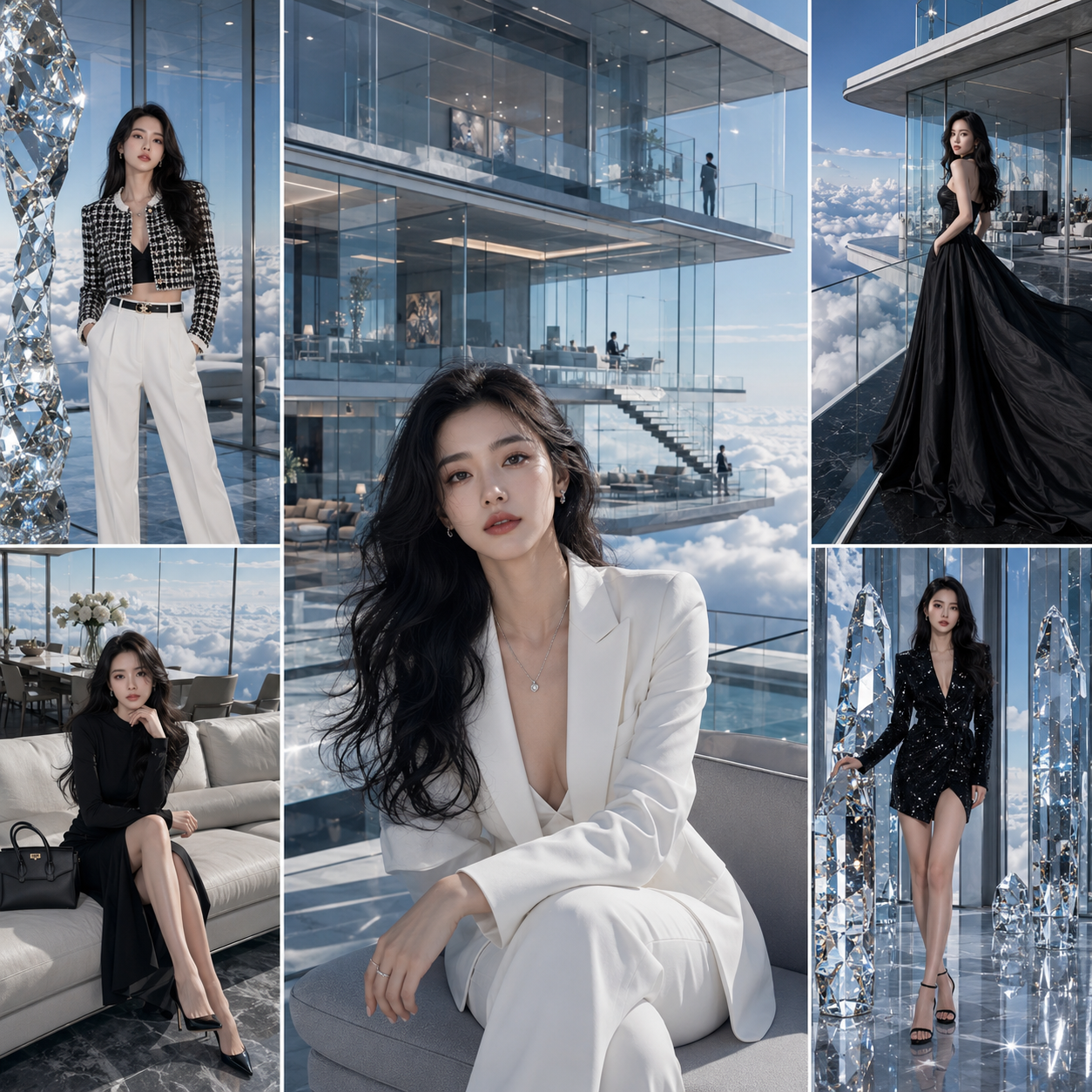
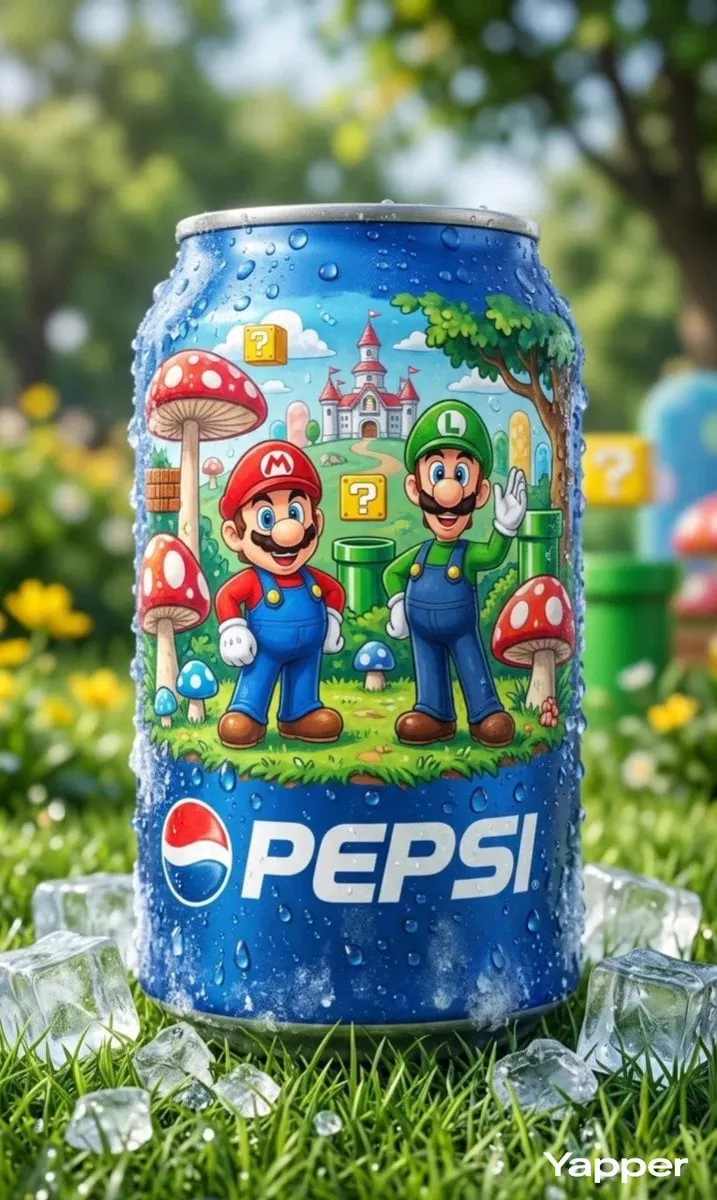

AI video editing has moved past the phase of gimmicks. In the space of a couple of years, it has gone from auto-cutting clips and adding filters to something fundamentally generative: complex scenes created from text prompts, characters that stay consistent across shots, and editing tools that behave more like directors than utilities. For creators, marketers, and agencies, the practical question is no longer "is this real?" but "how do I use this well?" This article walks through what is actually new in AI video editing, the tools worth knowing, and how to fold them into a realistic production workflow.
Why AI Video Editing Changed So Fast
The short version: the bottleneck moved from hardware to language. A few years ago, producing a professional-looking video required cameras, lighting, actors, and editing suites. Today, the same result can start as a paragraph of text. Generative video models learned to understand not just objects but motion, physics, and narrative intent. That means the skill that matters most is no longer operating equipment — it is directing the model.
That shift has real consequences for production speed. What used to take a team weeks, from script to final cut, can now be iterated in hours. Marketing teams can test five visual directions before lunch. Indie creators can produce daily content without a crew. The catch is that quality is uneven: the same prompt can produce a stunning shot and a broken one. Editing, in the AI era, is increasingly about selection and correction rather than cutting and grading.
The Generative Editing Stack: What Is New
It helps to separate AI video work into three layers, because the tools serve different purposes.
The first layer is generation: text-to-video and image-to-video models that create footage from scratch. OpenAI's Sora series set a new bar for long clips with a plausible understanding of physics and lighting. Runway's Gen-4 family is known for strong realism and narrative coherence, while Kling AI and PixVerse are popular for short-form, high-motion content. Flux models are widely used when speed and iteration matter more than photorealism.
The second layer is consistency tooling. The biggest historical weakness of generative video was that characters changed appearance between shots. Multi-image fusion and keyframe reference techniques fix this by letting you feed reference images of a face, outfit, or style into the generation process. This is what makes multi-scene storytelling possible at all.
The third layer is direction and workflow: agents and automated pipelines that plan scenes, compose prompts, and assemble sequences. Rather than generating one clip in isolation, these systems break a script into shots, apply consistent style rules, and hand you a rough cut. For solo creators, this layer is the difference between generating clips and producing videos.
Character and Style Consistency: The Problem That Got Solved
Consistency is the quiet hero of the current wave. For years, the obvious tell of AI footage was that the protagonist looked slightly different in every shot — different jawline, different jacket, different eye color. That single flaw made long-form storytelling nearly impossible.
Modern tools attack the problem in two ways. One is reference-based generation: upload a few frames of the character, and the model treats them as constraints rather than suggestions. The other is style locking: defining a palette, lighting rule, and costume description that gets repeated across every prompt in a project.
The practical advice is simple. Before you generate anything, define your character visually and write that definition down. Face, hair, clothing, distinguishing marks. Keep the wording identical in every prompt. Then generate your key poses and expressions first, and use them as references for the action shots. It is a small amount of upfront planning that saves hours of re-generation later.
Open Source and Specialized Models Are Closing the Gap
Closed models still lead in raw quality, but open source and specialized options have become genuinely competitive. Models like Tencent's Hunyuan Video offer solid quality with the ability to fine-tune on your own data, which matters for brands that need a specific look. Community fine-tunes and LoRA-style adapters let creators push a model toward a particular art style, character, or product.
The strategic implication is that you are no longer locked into one vendor. A typical project can mix tools: a fast model for drafts, a high-fidelity model for hero shots, and a specialized model for a specific aesthetic. The workflow matters more than the individual model.
How AI Tools Reshape the Creator Economy
The cost and time reductions are not incremental; they change what kinds of content are viable. A niche channel that could not justify a production crew can now publish polished videos daily. An e-commerce brand can generate product demos in multiple languages without reshooting. An educator can turn lecture notes into visual explainers.
The flip side is volume pressure. When everyone can produce at this speed, attention becomes the scarce resource. The creators who win are the ones who pair AI production speed with clear editorial judgment — a point of view, a consistent format, and a willingness to kill weak ideas quickly.
There is also a growing economy around the tools themselves. Model marketplaces and community hubs let creators publish trained styles and custom models, creating revenue streams for people who previously only consumed AI tools. If you build a distinctive look, packaging it as a reusable model is a legitimate business model.
From Prompt to Published: A Realistic Workflow
Here is a workflow that works for short and medium-length videos, based on how the current tools behave in practice.
Start with a one-line concept and a target audience. Write the script as a sequence of shots, not as prose. For each shot, note the subject, location, camera movement, and lighting. This shot list is your production document.
Next, lock the visual rules: the character reference, the color palette, and the lens language. Generate a few test frames to confirm the look before producing the full sequence.
Then generate in batches. Use a fast model for drafts and evaluate each shot against the shot list. Keep the winners, delete the rest, and re-prompt the failures with more specific instructions. Only after the edit is locked should you re-render hero shots with the highest-quality model.
Finally, finish in a traditional editor: assemble the cuts, add audio, adjust color for a unified grade, and add captions. The AI did the filming; you still do the storytelling.
Choosing Tools: A Decision Framework
With so many options, pick tools based on four criteria: output quality at the length you need, consistency features, iteration speed, and cost. Define your dominant use case first. Daily short-form content rewards speed and cost-efficiency. Brand campaigns reward consistency and fidelity. Long-form narrative rewards models with strong scene-to-scene coherence.
Do not over-optimize. The best setup is usually one fast model for drafts, one high-quality model for finals, and one consistency technique (reference images or style locking) applied everywhere. Expand from there only when a specific project demands it.
What Is Still Hard
It is worth being honest about the limits. Long-form temporal coherence remains difficult; most models produce excellent short clips but drift on multi-minute sequences. Physics is better but not reliable — complex interactions like liquids, cloth, and crowds can still break. Fine control over actor performance, especially dialogue and emotion, is limited. And licensing varies by tool, so commercial projects need a clear check of terms before publishing.
None of these are reasons to wait. They are reasons to design projects around the current strengths: short scenes, strong art direction, and heavy human editing.
Building a Prompt Library That Scales
The fastest way to get better at AI video is to stop writing prompts from scratch every time. A prompt library turns your experience into reusable assets. The structure is simple: one entry per shot type, with fields for subject, camera, lighting, motion, and the model it worked on.
Start by saving every prompt that produced a usable shot. Tag it by use case: product, interview, b-roll, transition, hook, text overlay. Note the model and settings, and add a thumbnail of the result. Within a month you will have a reference system that lets you assemble a new project in minutes instead of hours.
The library also exposes patterns. You will notice that certain phrasings reliably produce certain looks — and, just as usefully, which combinations fail. Write those negative observations down too. A prompt library is not a collection of winning recipes; it is a record of what your tools actually do, which is the knowledge that separates consistent producers from lucky ones.
Measuring What Works: Analytics for AI Video
AI production changes the cost structure of testing, so you should test more. The metrics that matter depend on the platform, but a few are universal. Completion or retention rate tells you whether the opening worked. Saves and shares tell you whether the content had value beyond the first seconds. Comments tell you what people actually noticed, which is usually something you did not intend.
The loop is simple: publish, read the numbers, adjust the next prompt accordingly. If a certain style of hook consistently holds retention, make it your default and experiment from there. If a topic underperforms in two attempts, drop it and redirect the production budget.
This is where AI video changes the creator economy in practice. When production is cheap, the scarce resource is not footage but learning speed. Teams that measure, adjust, and re-publish quickly compound their advantage, because every cycle teaches them something about their audience that their slower competitors do not have.
Avoiding the Uncanny: Quality Control Habits
AI footage has a recognizable failure mode: it looks almost right, and the almost is what makes it unsettling. Faces that are slightly off, hands with an extra finger, reflections that do not match the light. Viewers cannot always name the problem, but they feel it, and they scroll.
Quality control starts with knowing where the models fail. Faces, hands, text, and physics are the four classic trouble spots. Check those first on every take, at full size, before you consider a shot usable. It is faster to catch a bad hand in the first pass than to discover it after the video is published.
Build a habit of watching renders in motion, not as stills. Flicker, warping, and morphing are temporal problems that stills hide completely. Play every take at full speed, then again frame by frame in the areas that matter.
Finally, set a bar and enforce it. Decide what is acceptable for the project — a social post has a different bar than a client deliverable — and delete everything below it without negotiation. The creators with consistently good output are not luckier; they are simply willing to throw away more footage than they keep.
FAQ
Can AI video editing replace traditional editing software?
Not yet. Generative tools produce footage; you still need an editor to assemble, time, and grade it. In practice the two coexist, and the AI layer simply makes the footage cheaper and more varied.
Which model should a beginner start with?
Start with whatever is fastest and cheapest in your region, learn prompting and shot-listing on it, and upgrade to a premium model only when a specific project needs the fidelity.
Is AI-generated footage usable for client work?
Yes, with caveats. Confirm the tool's commercial license, disclose AI use if your client requires it, and budget for human editing and review, because automatic outputs still need curation.
How do I keep a character consistent across shots?
Define the character in writing, generate reference frames first, and feed those frames back into every subsequent generation. Keep the visual description word-for-word identical across prompts.
AI video editing is not a single tool or a passing trend; it is a new production layer. The creators who treat it as a direction problem, not a rendering problem, are the ones producing work that looks like it came from a much larger team. That gap — between generating clips and directing videos — is exactly where the opportunity is.
