


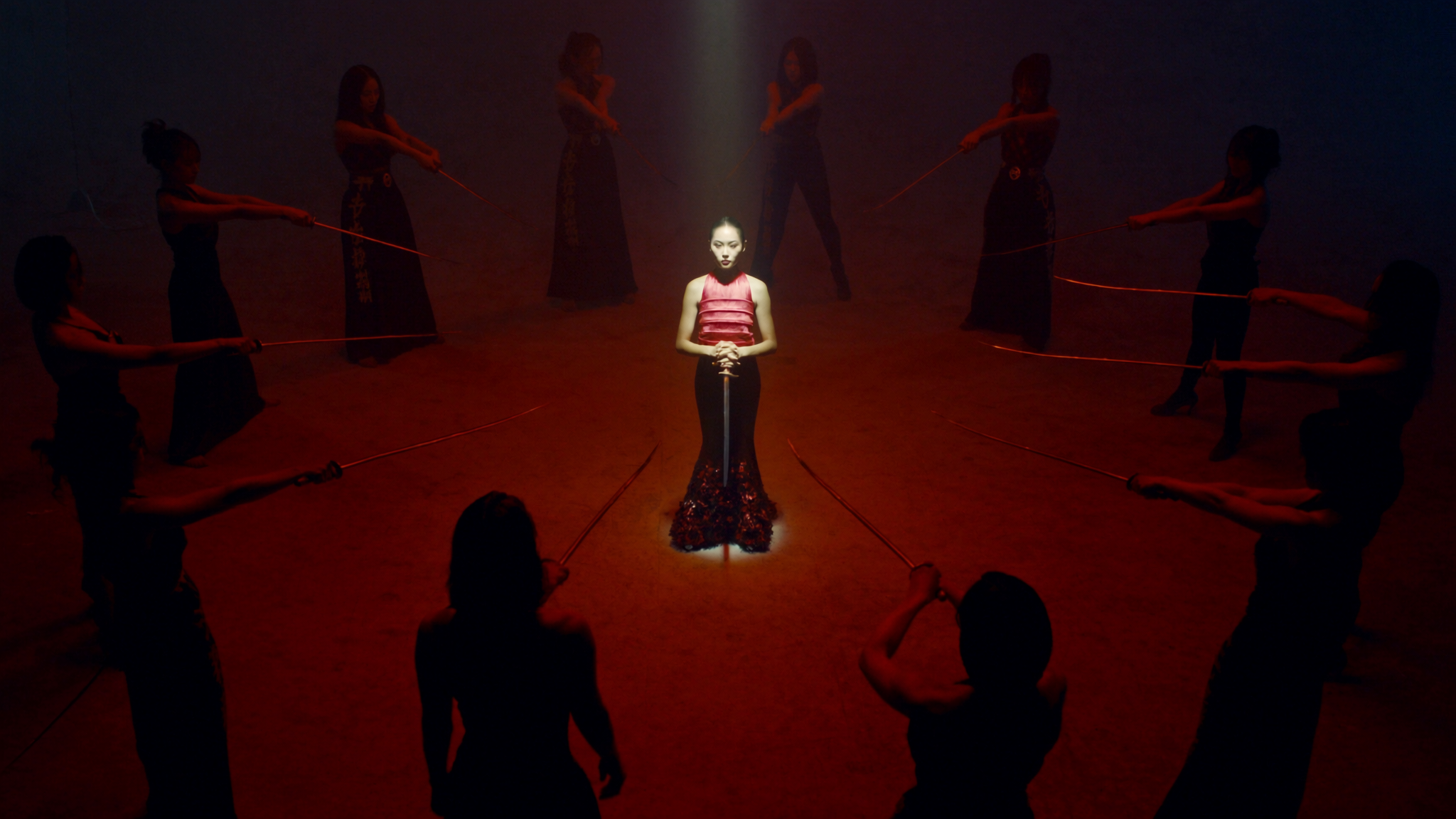
The New Path to Cinematic Quality
There was a time when "cinematic quality" meant a film crew, expensive cameras, professional lighting, and a post-production budget that could rival the cost of a small car. For independent creators, that world was closed. The tools of the trade were simply out of reach.
AI video editing apps changed the equation. Today, a creator with a laptop and a clear idea can produce videos with the visual language of cinema — depth of field, intentional camera movement, consistent characters, polished color — without a single day of film school. This guide walks through how that works: which capabilities matter, how to structure a production workflow, and how to avoid the traps that make AI video look cheap instead of cinematic.
What Actually Makes a Video Look Cinematic
Before choosing tools, it helps to understand what "cinematic" means technically. It is not a single effect you apply at the end. It is a combination of decisions that work together:
- Lighting with intention. Light that comes from a believable direction and creates depth, rather than flat, even illumination.
- Depth and separation. A subject that stands out from the background through focus, color contrast, or framing.
- Deliberate motion. A camera that moves for a reason — pushing in for tension, tracking for energy — instead of sitting still or shaking randomly.
- Color as mood. A consistent palette that supports the emotion of the scene.
- Consistency. The same character, the same costume, the same world across every shot.
AI video editors are powerful precisely because they can handle all five — but only if you direct them. The tool does not know your story. You have to feed it the right instructions, references, and constraints.
Choosing the Right Model for the Job
The model you pick determines the ceiling of your output quality. Every model has a personality: some are exceptional with photorealistic scenes, others shine at stylized animation, others handle complex motion well but struggle with faces.
For cinematic work, prioritize models known for coherence — stable characters, consistent lighting, believable physics. A cinematic video falls apart the moment a face morphs or a shadow jumps. Test a model with a controlled sample before committing a full project to it: generate a character, move them through three scenes, and check whether they remain the same person.
Premium vs. Practical Tiers
The top models produce the most convincing results, but they cost more and take longer. For hero content — a brand film, a portfolio piece, a paid deliverable — the investment is justified. For daily content, a mid-tier model with good consistency will serve you better, because you can iterate faster and publish more.
The professional approach is a two-tier strategy: a premium model for signature pieces, a practical model for volume. Trying to do everything on the premium tier burns budget; doing everything on the practical tier caps your quality. Match the tier to the stakes.
Consistency: The Hardest Problem, and How to Solve It
If you have spent any time with AI video, you have seen the failure mode: a character who looks different in every scene. Sometimes the face changes subtly, sometimes the entire identity shifts. This is the single biggest quality killer, and it is also the one most solvable.
Character and Style References
The most reliable fix is reference-driven generation. Instead of describing a character in words and hoping, provide a reference image — or several — that the model can use to anchor identity. A small set of character sheets (front view, side view, key expressions, costume variations) turns "the same person appears in every scene" from a hope into a plan.
The same logic applies to style. If you want a consistent visual world, provide references for the environment, the color palette, the mood. The more the model knows about your visual language, the less it invents on its own — and invention is where inconsistencies come from.
Keyframes for Critical Moments
For scenes where specific poses or compositions matter, keyframe control is invaluable. Define the first frame and the last frame of a shot, and let the model build the motion between them. This gives you the control of a storyboard without the manual labor of animation.
Building a Cinematic Workflow
Cinematic output is the product of a repeatable process, not lucky generations. Here is a workflow that produces consistent results.
1. Start with a shot list, not a single prompt
Break your video into shots. For each shot, write down: what happens, the camera angle, the camera movement, the lighting, and the emotional tone. This shot list is your production bible. It keeps every generation aligned with the same vision.
2. Prepare references before you generate
Collect or create the reference materials first: character sheets, environment images, style samples. Generating without references is gambling; generating with them is production.
3. Lock your visual language early
Decide on the palette, the lighting direction, and the lens feel at the start. Write them down in a style guide you reuse for every shot. Cinematic consistency is not an accident; it is a set of rules applied uniformly.
4. Generate, review, regenerate with intent
Treat each generation as a draft. Review it against the shot list, identify the specific problem — framing, motion, character, color — and adjust only that dimension in the next attempt. This targeted iteration is much faster than regenerating from scratch.
5. Assemble with audio in mind
Cinematic quality is half audio. A film-like score, deliberate sound design, and clean voiceover transform even modest visuals. Cut your video to the audio track; do not drop audio onto the finished picture.
Audio-Visual Synchronization
Sound is the hidden half of cinematic quality. The same visual sequence feels completely different with different audio: the same slow push-in can feel ominous, nostalgic, or triumphant depending on what plays underneath it.
Workflows that take audio seriously treat it as a first-class production element. Voiceover is recorded and edited early, music is chosen before the final assembly, and sound effects are placed with the same care as visual cuts. When the sound and the picture land together, the viewer stops noticing the technology and starts feeling the story.
Avoiding the "AI Look"
Audiences have become surprisingly good at detecting generic AI video. The telltale signs are not technical glitches — they are creative ones: overly polished but empty scenes, characters with no personality, camera moves that look impressive but say nothing, color grading that is technically smooth but emotionally flat.
The antidote is intention. Every element of the frame should answer a question about the story. Why is the camera moving? Why this color? What does this character want? When you can answer those questions, the output reads as authored — and authored is the opposite of generic.
Practical tricks that help
- Add imperfections on purpose: slight handheld wobble, natural lens flares, organic light falloff.
- Direct the actors, even the virtual ones: tell the model what the character is feeling, not just what they look like.
- Vary the rhythm: not every shot needs to be a slow cinematic push. Contrast creates impact.
- Use negative instructions for the usual tells: "no text overlay, no extra fingers, no morphing faces."
Monetization and the Creator Ecosystem
Cinematic quality is not just an aesthetic goal; it is an economic one. Content that looks professional commands higher rates, attracts better clients, and performs better on platforms. Several ecosystem features make this viable for independent creators.
Training and publishing custom models is one of the emerging opportunities. Instead of being limited to the models a platform ships, you can train a model on your own style or your own product, then reuse it across projects. This is how a creator builds a recognizable signature that competitors cannot copy.
Community marketplaces add another layer: styles, templates, and models can be shared or sold, creating revenue beyond client work. For a creator building a business, the pipeline — generate, refine, package, distribute — becomes a product in itself.
Case Study: A 30-Second Product Film
Theory is useful; a worked example is more useful. Let us walk through a small project: a 30-second product film for a fictional coffee brand, built with AI video tools from start to finish.
The brief. The brand wants a cinematic feel: warm, tactile, premium. The deliverable is a 30-second vertical video for social, plus a 16:9 cut for the website. One product, one character (a barista), no dialogue.
The shot list. Five shots: (1) slow push-in on the coffee bag, warm side light; (2) the barista's hands grinding beans, close-up; (3) pouring water over the grounds, steam rising, backlight; (4) the finished cup on a wooden counter, shallow depth of field; (5) a slow tilt up to the brand mark.
The references. Before generating anything, the team prepares a character sheet for the barista (two angles), a product reference for the bag, and a style sample showing the intended color palette — warm browns, amber highlights, soft shadows.
Generation and triage. Each shot is generated separately with the same style guide. Shot three fails on the first pass — the steam looks artificial and the motion is jittery. The team adjusts the prompt to slow the pour and soften the steam, regenerates, and gets a usable take. The whole generation phase takes about two hours, including retries.
Assembly and audio. The five shots are cut to a simple acoustic track. The cuts land on the beat, a subtle whoosh covers the transitions, and a short voiceover line opens the video. The vertical and horizontal versions share the same grade so the brand looks identical across platforms.
The result. A finished film in one working day, with no camera, no crew, and no studio. The cinematic quality comes from the deliberate choices — references, consistent style, careful audio — not from any single tool.
Common Mistakes That Ruin Cinematic Output
Skipping references. The fastest route to inconsistent characters and worlds. Always prepare references for anything that repeats.
Using one model for everything. Match models to shots. A model that excels at faces may struggle with environments; use the right tool per element.
Ignoring audio until the end. Cinematic quality lives in the sound mix. Design audio from the start.
Over-generating without a plan. A thousand random generations do not produce a film; one hundred intentional shots do.
Chasing effects instead of story. The most cinematic thing you can do is make the viewer care. Everything else is decoration.
Copying a look without understanding it. If you imitate a famous style, understand what makes it work — lighting, color, pacing — or the imitation will be hollow. Reference the principles, not just the surface.
Editing alone in a bubble. Show your work to someone else before shipping. A fresh pair of eyes spots pacing problems and confusing shots that you have stopped noticing after hours of staring at the timeline.
Building Your Own Style Over Time
The most valuable asset a creator has is a recognizable style. AI tools make good output easy; they make distinctive output rare. Style is what survives when the tools change.
Start by defining what your work should feel like, in words: "warm, intimate, handheld" or "cool, precise, architectural." Write it down. Use it to filter every decision — model choice, color grade, music selection, pacing. Over time, the consistent application of that filter produces a body of work that is recognizably yours.
Collect references relentlessly. When you see a shot, a grade, or a transition you admire, save it and note why it works. Your reference library becomes your visual vocabulary — and when you have a vocabulary, you can improvise with intention instead of guessing.
Finally, give your style room to evolve. The definition you write today should be sharp enough to guide decisions but loose enough to grow. Review it every few months and update it deliberately. Style is not a cage; it is a direction.
FAQ
Do I need a powerful computer to use AI video editors? No. The heavy computation happens on the provider's servers. A decent laptop and a stable connection are enough.
Can AI video really replace a production team? For many use cases, yes — especially short formats, product content, and independent projects. For complex narrative features, it is a powerful assist, not a full replacement.
How do I keep characters consistent across a long video? Use character reference images and keyframe control. Prepare a character sheet before you start generating, and reuse it for every shot involving that character.
What is the best way to learn? Pick one small project — a 30-second scene with one character — and push it through the full workflow: shot list, references, generation, audio. You will learn more from one complete project than from fifty experiments.
Is cinematic quality worth the extra effort? In a crowded content market, yes. Professional-looking output is the difference between being scrolled past and being watched — and between charging commodity rates and charging for your craft.
