
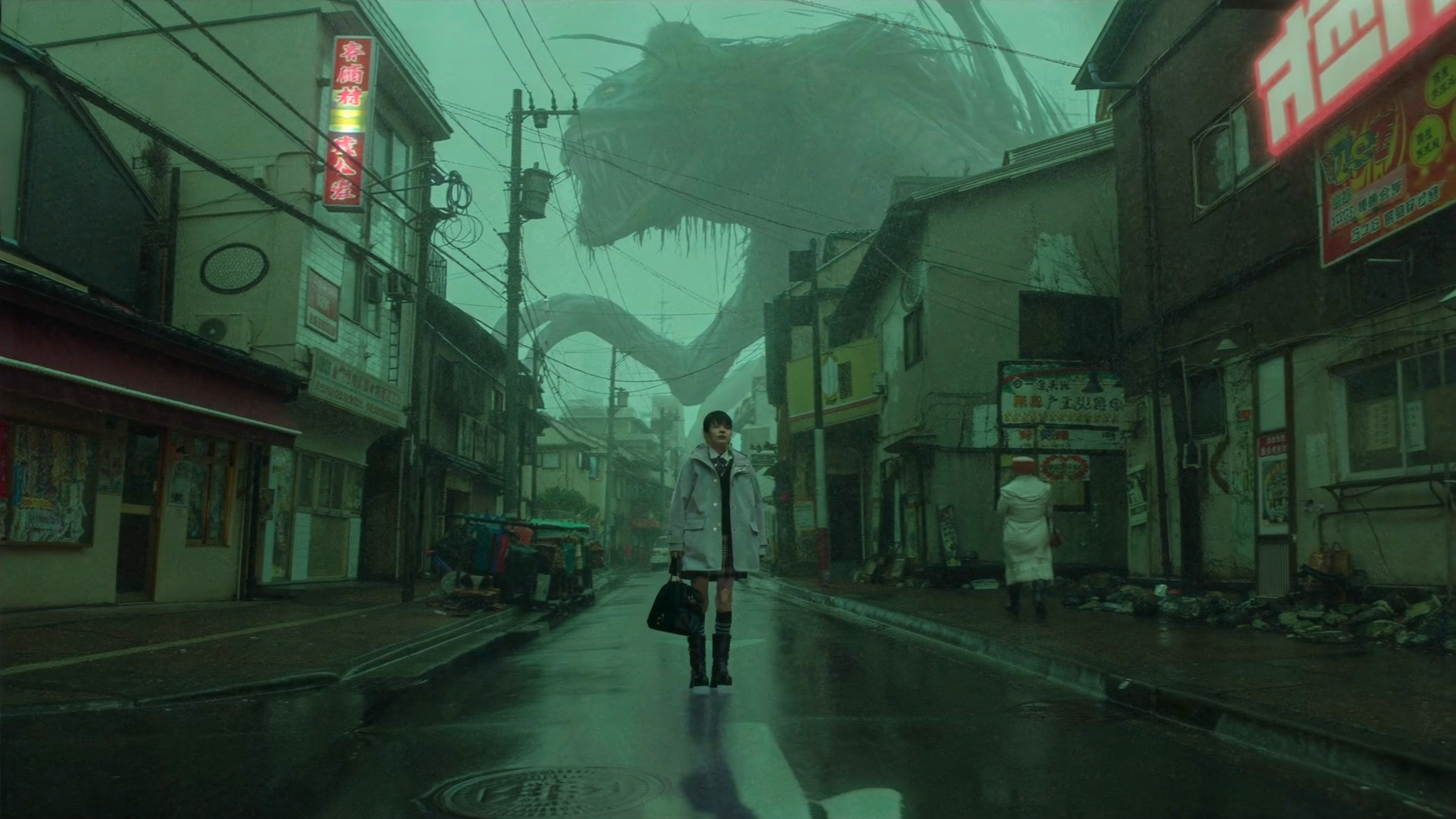
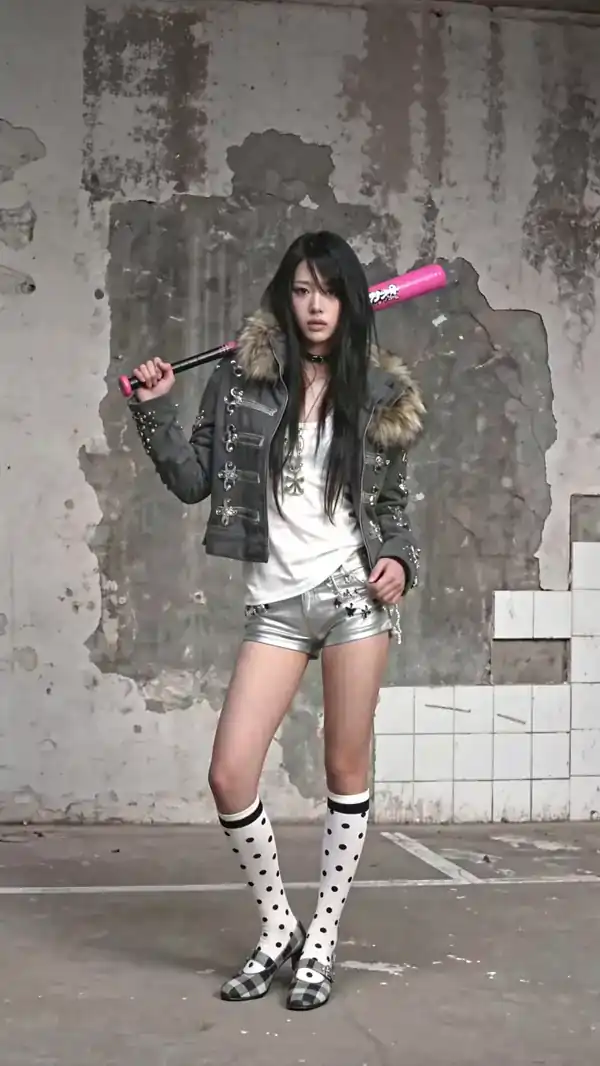
AI video generation stopped being an experiment somewhere in 2024, and by 2025 it has become an industrial standard. Yet the way creators actually work has changed more subtly than the headlines suggest. The biggest shift is not the arrival of a single super-model; it is the end of the one-model mindset. Editors no longer ask which tool is the best. They ask which combination of tools fits each stage of production, and how to keep characters, style and story consistent across dozens of generated shots.
This guide maps the current landscape of AI video editors, compares the well-known options — Pika, Runway, Sora — against the alternatives that are reshaping the market, and walks through a practical workflow you can adopt today.
Why Multi-Model Thinking Matters in 2025
For years, the promise was simple: type a sentence, get a video. The reality was more fragile. Clips were short, characters drifted between shots, and a model that produced beautiful landscapes often failed at faces, hands or motion. Creators who wanted reliable output had to combine tools, and the smartest teams treated each model as a specialist rather than as a generalist.
That insight has now become the mainstream approach. Different models are trained on different data and different latent spaces, which means they develop genuine specialties: some are excellent at photorealism, others at stylized animation, others at physics and camera movement. In 2025, quality is no longer about picking the most famous model. It is about matching the right model to the right job and building a pipeline that keeps everything coherent.
There is also a cost dimension. Video generation is expensive in compute, and the cost of a model does not always reflect its value for a specific task. A cheap model that nails your niche style can outperform a flagship model that does everything adequately. Understanding the trade-offs — quality, speed, control, cost — is now a core editing skill.
Understanding the Current Landscape
Before comparing alternatives, it helps to know the reference points that defined the category.
Pika: creativity and speed
Pika became famous for making text-to-video approachable. Its tools emphasize playful creativity, quick iteration and expressive motion. Pika's newer versions have improved quality and control significantly, and the platform remains a favorite for social-first content, motion experiments and rapid prototyping. If your priority is speed and creative exploration, Pika is hard to beat.
Runway: the professional pipeline
Runway Gen-4 and its successors are built for serious production. The platform offers fine-grained control, consistent character handling and tools that integrate into existing editing workflows. Runway is particularly strong when you need dependable results, controllable camera moves and a platform that behaves like a professional tool rather than a toy.
Sora: the realism benchmark
OpenAI's Sora raised the bar for photorealism and physical plausibility. Its clips look startlingly real, with coherent lighting, natural motion and believable scenes. Sora set a new standard for what people expect from AI video, even if accessibility and fine-tuning control have remained points of friction. For projects where realism is the whole game — product shots, cinematic mood pieces, realistic environments — Sora-class models are the reference.
Choosing the Right Model by Use Case
Once you accept that no single model wins everything, the practical question becomes: what do you need at each step?
For photorealistic scenes and cinematic mood
Reach for the flagship models first. Their strength is in lighting, texture and physical coherence. They are ideal for establishing shots, atmospheric sequences and any content where realism sells the idea. Expect to spend more per generation, and budget for a few iterations.
For character consistency and narrative work
Character consistency has become the deciding factor for story-driven content. The best approach is to generate a character reference image first, then reuse it as an anchor across shots. Models with strong reference handling will keep the same face, clothing and color palette from one scene to the next. Test this explicitly before committing to a workflow: generate the same character in three different scenes and compare.
For stylized, animated or expressive content
When your project needs a distinctive look — anime, illustration, 3D cartoon, retro pixel — specialist models often outperform the realism-focused flagships. Their training data gives them a natural feel for the style, so you spend less time fighting the model and more time directing it. The same logic applies to motion experiments, abstract visuals and brand-specific aesthetics.
For fast iteration and budget-friendly prototyping
Not every shot needs a flagship model. For storyboards, motion tests, rough drafts and social experiments, efficient models are the right tool. They generate faster, cost less, and let you validate ideas before spending serious compute on the final version. A good workflow uses cheap models to explore and expensive models to execute.
Building a Consistent Multi-Model Workflow
Here is a practical pipeline that combines the strengths of different tools:
-
Define the universe. Create reference images for your main characters, key locations and the overall color palette. These images become the anchor for every subsequent step.
-
Write the sequence. Break your video into shots. For each shot, decide what must stay consistent (character, costume, light) and what can vary (camera angle, action, mood).
-
Match models to shots. Use a flagship model for hero shots that need realism, a specialist model for stylistic scenes, and an efficient model for transitions, backgrounds and motion tests.
-
Generate with references. Feed the reference images into every generation. Lock down the important elements with the reference, and give the model freedom only where variation is welcome.
-
Review in sequence. Never judge a shot in isolation. Watch the whole sequence and check continuity: faces, colors, lighting, framing. This is where most consistency problems become visible.
-
Fix and refine. Regenerate problem shots with tighter references or adjusted prompts. Keep a library of working prompts and reference assets — it pays off across every future project.
Advanced Controls That Separate Pros from Beginners
First-frame and last-frame control
Many production workflows start by defining the first frame and the last frame of a shot, and let the model fill the motion between them. This technique, borrowed from animation, gives you precise control over where a shot begins and ends. It is especially useful for camera moves, transitions and scenes where the composition matters more than the improvisation.
Keyframe and multi-image fusion
Feeding multiple reference images into one generation is one of the most powerful techniques of 2025. You can combine a character reference with a style reference, or a location reference with a lighting reference. The model fuses them into a single coherent shot. This is how creators maintain a franchise look across episodes, or how they place the same character into completely different environments without losing identity.
Prompt engineering as a craft
A strong prompt in 2025 reads like a technical brief, not a sentence. It specifies the shot size, the camera movement, the lens, the lighting direction, the color palette and the mood. It separates the scene description from the style instructions. It tells the model what must be preserved and what can be interpreted. Teams that document their prompts and their failures build a compounding advantage: every project makes the next one faster and better.
Practical Considerations for Teams
If you are integrating AI video into a real production workflow, plan for the operational side as well:
- Queues and retries: generation jobs fail. Build a queue that retries transparently and reports progress, so a failed render does not stall the whole pipeline.
- Asset management: keep a canonical library of character references, style references and approved prompts. Version them like code.
- Cost awareness: track spend per project and per model. Often, 80 percent of the shots can run on efficient models, reserving the expensive ones for hero shots.
- Review gates: define checkpoints where a human reviews continuity and quality before the team spends compute on the next pass.
A Real-World Example: Producing a 30-Second Product Video
Let us walk through how these choices play out in a typical assignment: a 30-second social video promoting a new running shoe.
Start with the brief. The brand wants energy, speed and a premium feel. The first decision is the hero shot: a close-up of the shoe in motion, on a dark studio background with dramatic rim light. This is where you use a flagship model — the realism sells the product, and the physics of the fabric and sole need to be convincing.
Next come the supporting shots: the runner on a city street at dawn, the shoe detail on wet pavement, a slow-motion splash. These can run on efficient models because the audience will spend less time examining them. The key is consistency: generate a reference image of the shoe once, from the exact same angle and lighting, and feed it into every shot. The shoe must look like the same product in the studio and on the street.
For the transitions, use the first-frame and last-frame technique. End the city shot on the runner's foot about to touch the ground, and start the detail shot with that same foot. The cut becomes invisible because the motion continues. Add a style reference to the final shot to pull the whole video into the brand's color palette.
Finally, review the sequence as a whole, not shot by shot. Check the shoe's color in every frame, the light direction, the energy of the edit. Regenerate the two or three shots that drift. Total time: a few hours instead of the week a traditional shoot would require — and the client can request changes by editing prompts, not by rescheduling a camera crew.
This example shows the practical pattern behind all the theory: one hero model, efficient models for support, strong references for consistency, and sequence-level review for quality.
FAQ
Is Sora the best AI video tool in 2025?
Sora is the benchmark for realism, but not the best tool for every job. Its strengths are photorealism and physical coherence; other models offer better style control, cheaper iteration or stronger character consistency. Choose by use case, not by name.
Do I still need Pika and Runway if I have a flagship model?
Often, yes. Pika remains excellent for fast, expressive experiments, and Runway offers a production-oriented control layer that many teams prefer for client work. Flagship models and these tools complement each other.
How do I keep the same character across shots?
Generate or source a strong reference image of the character, then use it in every generation of that character. Prefer models with explicit reference and consistency features, and test consistency across three or more scenes before committing to a workflow.
What is the cheapest way to produce decent AI video?
Use efficient models for the majority of shots, reserve flagship models for hero moments, and iterate on prompts before spending compute on full renders. Prototype cheap, execute expensive.
How do I compare two models quickly?
Run the same test against both: generate the same character in three different scenes, using the same reference and the same prompt. Compare consistency, prompt adherence and camera control side by side. Add a cost and speed measurement, and you have a decision table that answers the question with evidence instead of marketing claims.
Can AI video editors replace traditional editing software?
Not entirely, and they do not need to. The strongest setups integrate generation with traditional editing, grading and sound tools. AI produces the material; the editor still shapes the story.
Conclusion
The era of the single all-powerful AI video editor is over. In 2025, the tools that matter are the ones you can combine: a realism benchmark for hero shots, specialists for style, efficient models for iteration, and a workflow that keeps characters, colors and story consistent from the first frame to the last. Pika, Runway and Sora defined the category, but the alternatives around them — and the discipline of multi-model production — are what actually define the new standard.
Start small: pick one project, define your references, test two or three models against the same shot, and document what works. That is the fastest path from impressive demos to reliable, repeatable production.
