
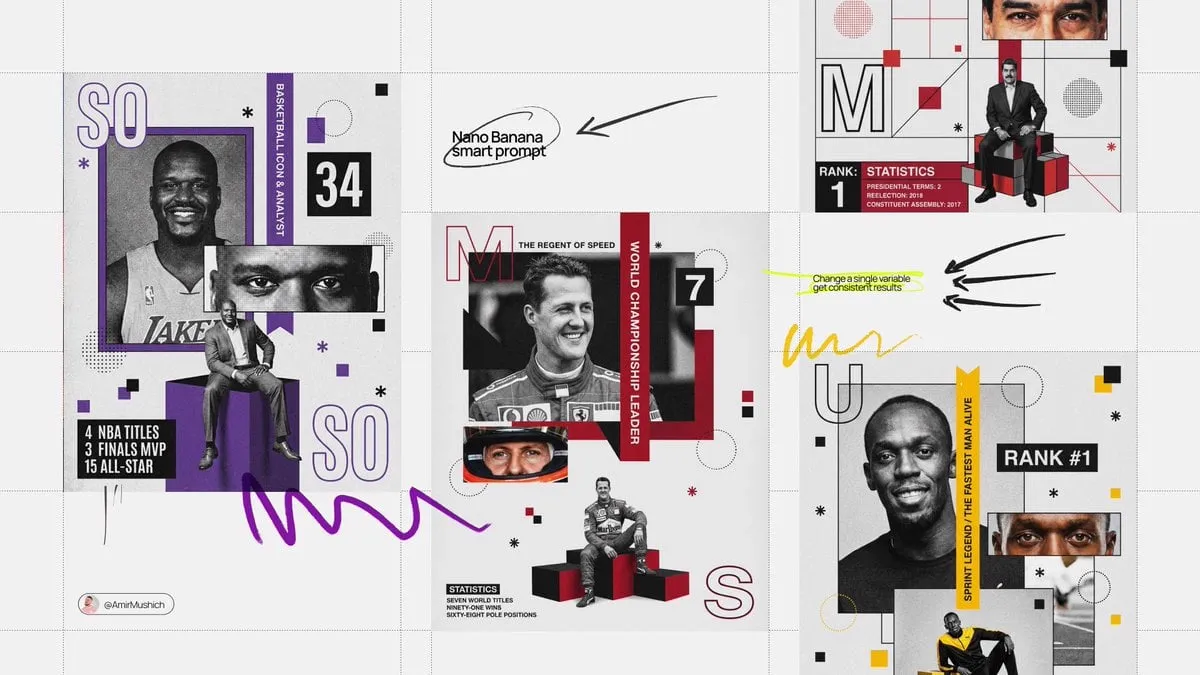
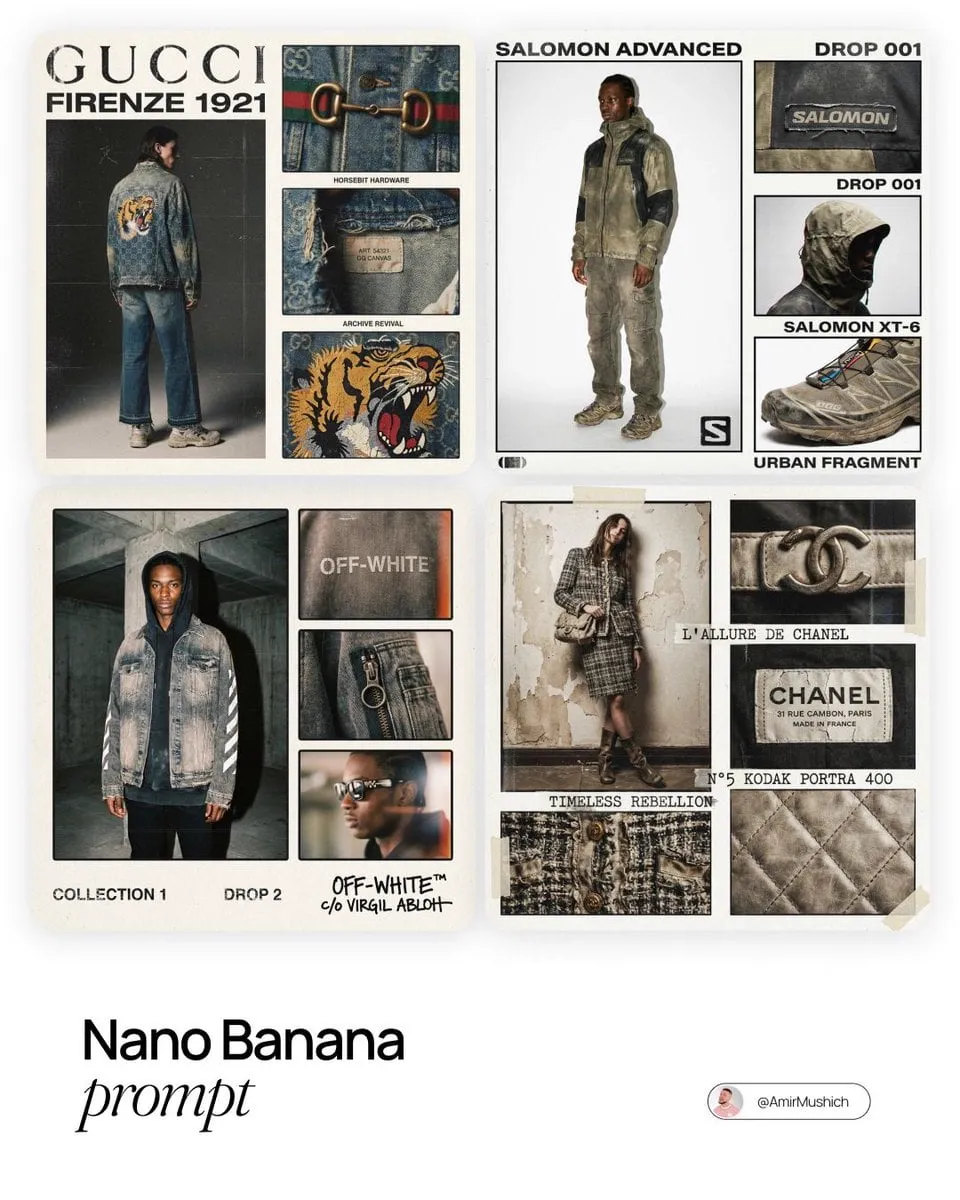
Short-form video is the most competitive content format on the internet, and the difference between a clip that holds attention and one that gets scrolled past is often decided in the first two seconds. Effects and transitions are not decoration — they are the tools that create rhythm, surprise, and visual continuity. With AI generation now mature enough to produce consistent multi-shot sequences, creators have access to production techniques that previously required a full post-production suite.
This guide covers advanced video production for social media: how to choose the right AI model for each effect, how to keep characters and scenes consistent across shots, how to design transitions that feel intentional rather than random, and how to build a repeatable workflow from prompt to publishable clip. It is written for creators who already generate AI video and want to move from single clips to real productions.
Why effects and transitions matter for short-form video
Attention spans on social platforms are measured in fractions of a second. The first frame must be compelling, and the first transition must arrive quickly enough to signal that the video has energy. Effects serve a second, subtler purpose: they create visual memory. A distinctive transition style — a signature way of moving between scenes — becomes part of your brand, recognizable even without a logo.
Transitions also solve a structural problem. Short-form content often needs to compress a lot of information into a few seconds, jumping between scenes that have no natural connection. A well-designed transition provides the bridge: it tells the viewer that the change is intentional and keeps the flow feeling smooth. Without it, cuts feel jarring and the video loses cohesion.
Finally, effects influence platform metrics. Videos that hold viewers through the first few seconds and keep them engaged until the end are rewarded by recommendation algorithms. Dynamic transitions, visual surprises, and polished motion all contribute to that engagement — and they are exactly the things AI tools can now generate reliably.
Choosing the right model for the right effect
The first rule of advanced AI video production is that no single model does everything. Each generation of models has strengths, and matching the model to the effect is the fastest way to improve output quality. For photorealistic scenes with complex lighting, use engines known for high-fidelity rendering. For stylized animation and dramatic transformations, choose tools built for creative effects. For scenes that require precise adherence to a written brief, pick models with strong prompt-following.
Speed matters as much as quality in social production. When you are producing daily content, the cost of a render and the waiting time determine how many iterations you can afford. Keep a fast, cheap model in your toolkit for drafts and variations, and reserve the premium engines for the shots that will actually be published. This two-tier strategy keeps quality high without blowing up your budget or your schedule.
The practical way to build this map is to test. Run the same prompt through several models, save the results, and note which engine handled which effect best. Over time you will have a personal reference chart that beats any generic comparison — because it is calibrated to your style, your subjects, and your typical scenes.
Multi-image fusion for consistent keyframes
The most common failure in AI video is not a bad single frame but a character that changes appearance between shots. The viewer does not need to name the problem — they simply feel that the video is off. Multi-image fusion solves this by letting you establish visual references that carry across the whole sequence.
The workflow is straightforward. Generate or collect reference images for your main character: face, full body, key outfits, and the environments they appear in. Feed these references into the video model alongside your prompt so that each shot is generated with the same visual identity. The result is a sequence where the character's face, clothing, and surroundings stay consistent, even when the scenes change dramatically.
This technique also applies to objects. A product, a vehicle, or a prop can be locked in the same way. For commercial content, where the client expects the product to look identical in every shot, reference locking is non-negotiable. It is the difference between a collection of nice clips and an actual production.
Directing automation: AI camera and composition
Modern AI video tools increasingly include directing features that automate cinematography decisions. Instead of manually specifying every camera parameter, you can describe the mood and the key action, and the tool suggests or applies appropriate camera angles, movement, and composition. For creators without formal film training, this is a powerful shortcut to professional-looking results.
The real skill is learning to evaluate the suggestions. When a tool proposes a low-angle shot for a confrontation scene or a slow push-in for an emotional moment, it is applying cinematic conventions. Accepting good suggestions is fine, but the strongest creators learn why those choices work — framing, balance, visual weight — so they can override them deliberately when the story demands something different.
Camera and composition choices also interact with effects. A whip-pan transition, a zoom punch, or a dolly-like movement changes how the next scene should be framed. Planning the camera language of the whole video before generating individual shots makes the final edit feel cohesive, even when the shots come from different models.
Transition styles: from simple cuts to AI transformations
Transitions exist on a spectrum. At one end are simple cuts and dissolves, which are fast and unobtrusive. At the other end are full AI-generated transformations, where one scene morphs into the next through a generated sequence of intermediate frames. Between them lie the workhorse transitions of social video: whip pans, zoom punches, slide cuts, and match cuts that connect two scenes through a shared visual element.
The choice of transition should follow the content. High-energy, comedic content benefits from punchy cuts and zooms that keep the pace frantic. Aspirational or emotional content works better with slow dissolves and gentle motion that give the viewer room to feel. Product content often uses match cuts — connecting the product to a related object or scene — to create a sense of inevitability.
AI-generated transformations deserve special care. They are visually spectacular, but they can also dominate the video and slow the pacing. Use them sparingly, at key narrative moments, and make sure the transformation carries meaning rather than being decoration. A transformation that connects two related scenes — a sketch turning into the finished product, for instance — is worth the render time; a random morph between unrelated shots is not.
Style consistency and timing across transitions
Consistency is what separates professional-looking videos from collections of impressive clips. This applies to the style of the effects themselves. If every transition in a video uses a different visual language — one smooth, one aggressive, one whimsical — the video feels incoherent. Establish a transition palette for each project, just as you would a color palette, and stick to it.
Timing is the second half of the equation. Transitions should land on the beat — the rhythm of the music, the pause in the voice-over, the moment of action. AI tools can generate effects, but the timing decisions are yours. When editing, place the transition at the precise frame where it reinforces the rhythm, not somewhere approximate. This attention to timing is what makes a video feel crafted rather than assembled.
Style and timing together create the signature. A creator who consistently uses a particular transition style — a specific kind of zoom, a distinctive color flash, a signature morph — becomes recognizable. On platforms where viewers scroll past dozens of videos per minute, that recognition is a real asset.
Depth and motion effects with AI
Depth and motion are where AI effects go beyond simple transitions. Parallax effects that simulate camera movement through a still scene, depth-of-field shifts that focus attention, and slow-motion or speed-ramp effects that change the perceived energy of a moment — these tools let you direct the viewer's eye with precision.
Depth effects are especially useful for transforming a single image into a video-like shot. The Ken Burns effect, reimagined with AI depth estimation, can create convincing camera moves through photographs and generated stills. Motion effects, meanwhile, control the internal dynamics of a scene: the sway of fabric, the flow of particles, the behavior of fluids. Choosing a model that handles the specific kind of motion your scene requires saves enormous time in post-production.
Used together, depth and motion create immersion. A scene that begins with a slow push-in, adds subtle parallax, and then transitions through a generated movement into the next scene feels three-dimensional in a way that flat cuts never do. The key is restraint — these effects are most powerful when they support the story rather than show off the technology.
Audio as an effect: syncing sound and visuals
Audio is the most underrated tool in short-form video production. A video that sounds good feels more professional regardless of its visual quality. The rhythm of the music, the placement of sound effects, and the pacing of the voice-over all shape how the visuals are perceived. AI video workflows increasingly integrate audio tools that generate music, sound effects, and even narration matched to the content.
The practical approach is to design the soundtrack alongside the visuals rather than after them. Choose or generate music that matches the energy of the content, mark the beats where transitions will land, and build the edit around those markers. Sound effects should reinforce the visual effects — a whoosh on a whip pan, a sting on a transformation, a swell on a reveal — because the combination of sound and motion is far more impactful than either alone.
Voice-over adds another layer. For educational and storytelling content, a clear, well-paced narration can carry a video even when the visuals are simple. AI voice tools have improved to the point where they are viable for production, but the pacing and tone decisions remain creative choices that belong to you.
Workflow: from prompt to publishable clip
A repeatable workflow is the difference between producing consistently and producing sporadically. Here is a template that works for social media productions. Start by defining the concept: the message, the mood, and the target platform's format. Generate or collect reference assets for characters and scenes. Map the shots — what happens in each scene, which effect or transition connects it to the next, and which model will handle each shot.
Then generate in passes rather than all at once. First pass: low-cost drafts to validate the direction. Second pass: premium renders for the shots that will be published. Review the sequence as a whole — check consistency, timing, and pacing — before assembling the edit. Finally, master the audio, do the color pass, and export in the format the platform expects.
Document what works. Keep a log of prompts, models, and settings that produced good results, and reuse them for future projects. This documentation becomes your personal production manual, and it compounds: every project makes the next one faster and more consistent.
Frequently asked questions
How many models do I need to start? Two or three is enough — one fast generalist, one high-quality engine, and one specialized tool for your main content type. Add more as you find specific needs.
What is the best transition for fast-paced content? Whip pans, zoom punches, and match cuts are reliable for high energy. Save AI-generated morphs for key moments.
How do I keep effects from overpowering the video? Use one transition style consistently, place effects at meaningful moments, and keep sound design in sync. Restraint reads as professionalism.
Can AI tools handle sound and music too? Many platforms now include audio generation and synchronization. The creative direction — which music, which beats, which effects — remains your job.
Is this workflow practical for one person? Yes. The template above is designed for solo creators. The discipline is in planning and documentation, not in team size.
Advanced AI video production is not about having the most powerful tools; it is about orchestrating them. Choose the right model for each effect, lock your references, plan your transitions, sync your sound, and build a workflow you can repeat. The creators who master this orchestration will be the ones whose videos viewers remember.
