
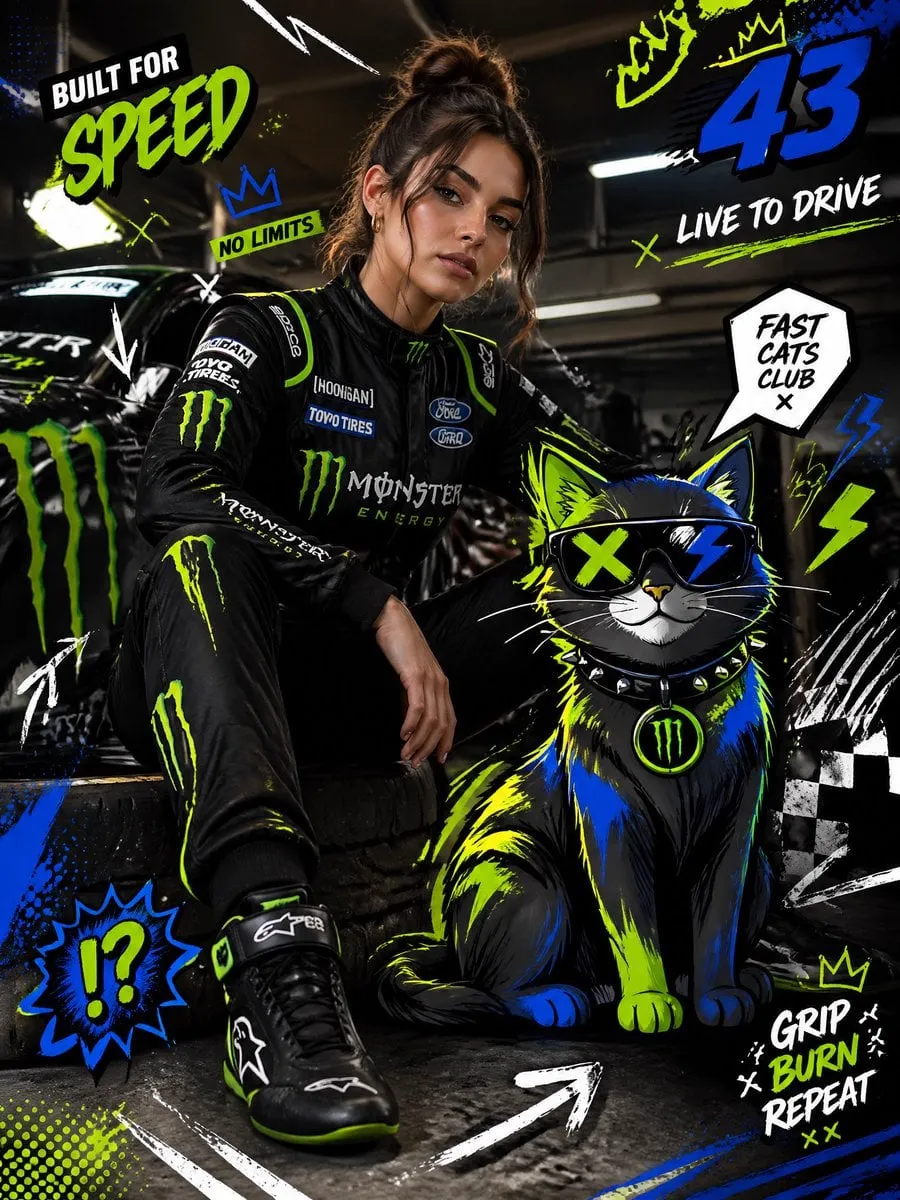
Generative video has reached a point where a convincing clip can be produced by anyone with a descriptive paragraph and a few minutes of patience. That capability brings an uncomfortable mirror for the content industry: the same technology that lets a small team produce magazine-quality footage also makes it trivial to fabricate footage that looks real. For creators, publishers, and brands, the question is no longer "can we trust AI video?" but "how do we create AI video responsibly and stay verifiable while we do?"
This guide lays out a practical framework for responsible AI video production. It covers the threat model, the detection and provenance tools that exist today, the workflow practices that keep your output honest, and the platform and policy realities that shape what "responsible" means right now.
What Changed: The Quality Bar Is Now Deceptive
The jump in realism is the root of the problem. Two or three years ago, AI-generated video announced itself through artifacts: warped hands, flickering faces, unnatural motion. Today the leading text-to-video and image-to-video models produce footage that a non-expert, and often an expert, cannot reliably distinguish from a camera capture. Camera motion control, scene-to-scene continuity, and per-frame physics have improved to the point where synthetic and authentic footage sit on the same visual plane.
This is precisely why deepfakes are a credibility problem rather than a curiosity. A manipulated video no longer looks fake enough for a viewer to reject it on sight, so the burden of verification shifts from the viewer's eye to technical provenance and disclosure.
The stakes are uneven
The risk is not distributed evenly. A minor celebrity's image being transplanted into an advertisement is annoying. A political figure being placed in a scene they never entered is destabilizing. A falsified product demo promoted as authentic defrauds customers. Each use case needs a proportionate response, but the underlying discipline, disclose, tag, verify, belongs to everyone who creates any AI video at all.
A Realistic Threat Model
You cannot defend against a problem you have not defined. Break the threat envelope into concrete categories.
Notional deepfakes
A whole scene or person fabricated from scratch, with no real event behind it. The high-visibility category, used for influence, fraud, and harassment. Detection is hardest here because there is no source footage to compare against; you are evaluating content in isolation.
Synthetic augmentation and replacement
Real footage altered: a face swapped, a mouth re-synced to different words, a background replaced, or objects inserted. The most common manipulation in commercial abuse and disinformation, because it borrows authenticity from real footage.
Style and context manipulation
Less about creating false visuals and more about presenting real or synthetic visuals in a misleading frame: an old clip labeled as current, a synthetic clip captioned as a live broadcast, or a real interview edited to change meaning. Sometimes overlooked, but frequently the actual vehicle for harm.
Understanding these categories tells you what kind of protection each output needs. A fully synthetic conceptual ad needs different treatment than an authentic report that happens to use AI tools in the edit bay.
Why Content Provenance Is the Real Defense
Chasing ever-better detection models is an arms race, and the detector tends to lose, because the generator keeps getting training signal from the detector's failures. The durable defense is provenance: making the origin and edit history of a piece of content machine-checkable at the moment it is published.
Cryptographic watermarking and content credentials
A growing number of platforms sign generated media with invisible watermarks and cryptographically signed metadata at generation time and again at edit time. This creates an auditable lineage: you can ask a piece of content who generated it, when, with what model, and what edits it underwent. It is not perfect, but it changes the question from "is this real?" to "does this content declare an origin?" which is far easier to answer reliably.
Metadata that survives distribution
The weak spot for any provenance scheme is the resilience of the metadata. Watermarks embedded in pixels can survive cropping and re-encoding; a separate metadata file usually cannot. Prefer tools that embed watermarking directly in the signal and keep a sidecar of signed claims.
Playback-level signaling
Many platforms now mark AI-generated or manipulated content in the player itself, so the disclosure travels with the video rather than relying on a caption someone might delete. Use these signals when you publish; they are a low-cost honesty guarantee.
Building an Honest Production Workflow
Responsibility is a working practice, not a pledge. Concrete habits keep your output verifiable without slowing you down meaningfully.
Label at the generation point, not at checkout
Tag every asset as AI-generated the moment it is created: keyframes, avatars, synthetic voices, and manipulated clips. If labeling waits until final assembly, assets quietly lose their provenance as they are copied and repurposed.
Keep a generation log alongside the footage
For every synthetic clip, retain the prompt, the model, the seed or settings, and a timestamp. You rarely need to publish this, but it is your audit trail if a question ever arises about whether a clip was fabricated. Treat it like an edit decision list for synthetic assets.
Partition synthetic and authentic material
Keep real camera footage and generated footage in separate folders and naming conventions. This prevents accidental contamination and makes the provenance story easier to reconstruct later.
Separate creation from verification
Assign a verification step to someone other than the creator. A second set of eyes, or an automated provenance check, catches disclosure mistakes and labeling errors that the original author tends to miss.
Verification Techniques That Are Actually Useful
While provenance becomes the standard, detection still matters for content you did not create, such as inbound material you want to republish or footage journalists receive from others. Use several signals rather than trusting a single verdict.
Visual artifact scanning
Automated tools flag the known tells of synthesis: inconsistent specular highlights, irregular motion blur, unnatural eye reflections, and compression artifacts in the wrong places. These detectors improve, but treat any flag as a reason to investigate rather than a final answer.
Face and voice biometric checks
For clips involving identifiable people, compare against trusted enrollment media using face- and voice-recognition tooling. A mismatch is strong evidence of manipulation; a match in a manipulated frame can still be a stolen identity.
Temporal and source triangulation
Look for the same event covered by independent sources, check timestamps against known schedules, and ask whether the footage's metadata is internally coherent. For an unverifiable clip that is intended to be consequential, the safe default is to withhold it rather than publish on a detector's say-so.
Remember the asymmetry: a single missed fake published as real does more reputational damage than many genuine items held back. When in doubt, verify harder or don't ship.
Your Ethical and Policy Obligations as a Producer
Being able to generate video responsibly is only half the job; your rights and duties depend on where you publish and what you produce.
Know your platform's disclosure rules
Every major video platform has written policies about synthetic and manipulated media, and those rules change. Before you publish, check the disclosure requirements for your region and platform. Ignorance is not a defense when a fake-adjacent video gets you suspended or worse.
Respect consent and rights
Do not depict real people without consent, especially in fabricated scenarios. This is both an ethical line and a legal one: likeness rights, defamation, and intellectual property all apply to synthetic depictions. When in doubt about a person's consent, get it in writing.
Regulated contexts offset burden
In finance, health, politics, and elections, the disclosure burden is higher because the harm of a deceptive video is larger. If your content touches those areas, add verification and labeling discipline far beyond a generic content channel.
A practical checklist for your team
Distill the framework into something a team can run against every release. A lightweight checklist keeps responsible practice consistent when multiple people create content.
- Has every synthetic asset been labeled as AI-generated at the point of creation?
- Is a generation log (model, prompt, seed, timestamp) attached for the footage?
- Are synthetic and authentic assets kept in separate, clearly named locations?
- Have identities been verified against trusted references where real people appear?
- Has a second person reviewed the disclosure and labeling before publication?
- Does the content meet the disclosure rules of the platform and region where it will be published?
Run this list at sign-off and again shortly before the video goes live. When the answer to any line is "not sure," pause and resolve it. The cost of one missing label is a credibility gap that no retraction fully restores.
Handling an Unauthorized Deepfake of You or Your Brand
Sooner or later most public entities contend with a manipulated video they did not make. A calm, evidence-driven response is more effective than panic.
- Capture the evidence: URLs, upload times, hashes, and copies before it is taken down.
- File a takedown through the platform's report channel, referencing their synthetic-media policy.
- If rights were misused commercially or a person was defamed, consult a lawyer before posting anything public.
- Consider a calm, factual statement distinguishing your authenticated content from the fake; transparency generally shakes trust in the fake far more than a defensive posture.
The Regulatory Outlook and Where It Is Heading
Regulation of synthetic media is still settling, but the direction is consistent: higher disclosure obligations for manipulated and generated content, stricter rules for political and election-adjacent material, and clearer civil and criminal claims around likeness, defamation, and fraud. Several jurisdictions already require labeling and are moving toward mandatory provenance mechanisms for high-stakes contexts.
You do not need to be a lawyer to operate responsibly, but you should treat the rules as a moving target. Recheck the obligations for your platform and region on a regular cadence rather than assuming last year's policy still holds. Multi-jurisdiction publications should apply the strictest applicable requirement to avoid the worst failure mode across borders. As provenance tooling matures, expect the burden to shift from self-declared labels toward machine-verifiable credentials that platforms check automatically.
Frequently Asked Questions
Is all AI-assisted editing considered a deepfake?
No. A deepfake is a manipulated or fabricated depiction designed to mislead, typically of a real person. Light touch-ups, stylized illustration, or clearly synthetic animation are not automatically deceptive. What matters is whether the content could credibly be mistaken for a real, unedited event.
Can I always tell if a video was generated?
Not reliably by eye anymore, especially for short, well-crafted clips. That is precisely why technical provenance and disclosure matter more than visual inspection. Never rely on a single detection tool alone.
Do I need to label every AI frame I publish?
Where the platform or law requires disclosure, yes, label. Where it does not, labeling the synthetic assets that could plausibly be taken as real is still the responsible choice. The cost is trivial compared to the risk of being misread.
What if an AI video of someone is a genuine likeness but not defamatory?
Consent still matters. Depicting a real person in any fabricated scenario without permission can violate likeness rights and basic ethics even when the content is benign. Secure consent for real people in fabricated contexts.
How do I prove my legitimate content is real?
Retain the generation log, watermark at render time with signed metadata, and publish through channels that preserve content credentials. The more provenance you attach before distribution, the easier it is to demonstrate authenticity when challenged.
The Bottom Line on Responsible AI Video
The technology is not going to become less capable, and demanding its absence is not realistic. What is realistic is a discipline: generate with full provenance from the start, label honestly, verify inbound material with multiple signals, respect the people whose images you use, and disclose according to the rules of wherever you publish. The creators who do that are the ones whose audience can keep trusting their output, and in a deepfake-flooded landscape, audience trust is the scarcest asset of all.
Responsible AI video production is not a constraint on creativity. It is the set of guardrails that lets creative teams use these tools aggressively without trading away the credibility that makes the work matter.
