

Video has become the default format of digital marketing. Short-form clips dominate social feeds, product demos outperform static images, and audiences now expect brands to speak to them in motion. The problem is that traditional video production cannot keep up. A single polished ad used to require a shoot, a crew, and days of post-production. By the time it shipped, the trend it referenced was already over.
AI video generation changes the economics. With the right platform and workflow, a small marketing team can produce consistent, professional, on-brand video in minutes instead of weeks. This guide explains how to build that capability: what to look for in an AI video tool, how to structure a production pipeline, and how to keep results consistent enough that audiences trust them.
Why Video-First Marketing Is Now the Default
The shift to video is not a prediction anymore; it is the operating environment. Social platforms rank video content aggressively, and audiences retain more from moving images than from text or stills. Product launches, educational content, customer stories, and even internal updates are all being produced as video.
The consequences for marketing teams are straightforward. Volume matters, speed matters, and personalization matters. A single month of content now looks like what used to be a year of production. AI video generation is the only approach that makes that volume affordable without sacrificing quality.
But volume creates a new problem: consistency. A brand that publishes ten videos with ten different looks, voices, and color grades is not building a brand; it is creating noise. The real skill in AI-driven marketing is keeping every output aligned with the same visual identity, product representation, and narrative tone.
What to Look For in an AI Video Platform
Not all AI video tools are equal. The marketing use case demands specific capabilities.
Model Diversity and Quality
The model behind the generation determines everything. A platform that offers only one generic model will force your brand into that model's aesthetic. Look for platforms with a range of models, from photorealistic options for product shots to stylized models for explainer content and animation. The ability to switch models per project, or even per scene, is a major advantage.
Model quality also advances quickly. The difference between this year's flagship and last year's is often dramatic in terms of motion realism, text rendering, and handling of faces. Choose platforms that update their model library, not static catalogs.
Reference and Consistency Controls
This is the most important capability for marketing. You need to show the AI what your product, spokesperson, or mascot looks like, and have it maintain that look across scenes. Features like multi-image fusion or reference-image workflows extract the defining visual features of a subject and carry them through every generated frame.
Without this, you get a common failure: the product changes color between scenes, the spokesperson ages ten years between cuts, and the logo drifts. Audiences notice these inconsistencies even when they cannot name them, and they erode trust.
Audio and Voice Integration
Marketing video rarely works silently. Native voiceover, music, and sound effects make the difference between a slideshow and a video. Look for platforms with text-to-speech in your market's language, ideally with multiple voices, plus the ability to upload your own audio. For localized campaigns, the quality of the local-language voice options matters as much as the visual model.
Fast Iteration and Batch Workflows
Marketing teams iterate. A platform that makes you regenerate entire videos to test one change is a time sink. Look for quick preview modes, version history, and the ability to adjust prompts or reference images without starting over. The best workflows let you generate several variants quickly and pick the winner, which is how AI tools are meant to be used.
Building a Production Workflow That Scales
Tools matter, but process matters more. This is a workflow that turns AI video generation into a repeatable marketing capability.
Step 1: Define the Brand Brief
Before generating anything, write down the visual rules. What colors represent the brand? What does the product look like from every angle? Who is the target audience, and what emotion should the video trigger? This brief becomes the input for every reference image and prompt.
Build a reference library: high-quality photos of the product, the spokesperson, the logo, and the color palette. These are the raw materials for consistency features. The better your references, the better every output.
Step 2: Write the Script and Storyboard
AI generation works best when the narrative is decided in advance. Write a tight script, then break it into scenes. For each scene, define the shot, the action, and the text overlay or voiceover line. A one-page storyboard saves hours of regenerating scenes that do not fit together.
Keep scenes short. AI video models produce the most reliable results in short segments, typically a few seconds per generation. Plan for a sequence of short shots that edit together into a complete video, rather than one long continuous generation.
Step 3: Generate with Consistency Controls
For each scene, use the reference images and a scene-specific prompt. Keep the subject descriptions identical across prompts: the same wording for the product, the same description of the spokesperson's appearance. Small prompt changes cause large visual changes, so copy-paste the subject description and change only the action and environment.
If your platform supports multi-image fusion, feed it multiple reference images of the subject, not just one. Multiple angles give the model a fuller understanding of the subject and reduce drift.
Step 4: Assemble and Refine
Bring the generated clips into an editor, add voiceover, music, and captions, and assemble the timeline. Expect to regenerate some scenes. Track which prompts worked and which failed; over time you build a prompt library that encodes your brand's visual language.
Step 5: Localize and Personalize
For markets with different languages, generate voiceover and text overlays in the local language. Keep the visual scenes the same where possible, and only replace the linguistic layer. This preserves brand consistency while respecting local markets. For personalization, generate multiple versions of the same video with different hooks, calls to action, or product highlights, then test them.
Maintaining Brand and Character Consistency
Consistency is where AI video marketing succeeds or fails. The techniques that work in practice are simple but require discipline.
Build a Character Bible
If your marketing uses a recurring spokesperson, mascot, or presenter, create a character bible: multiple reference images, a written description of appearance, and rules for wardrobe and props. Feed these references into every generation. The model cannot stay consistent with a character it only saw once.
Lock the Product Representation
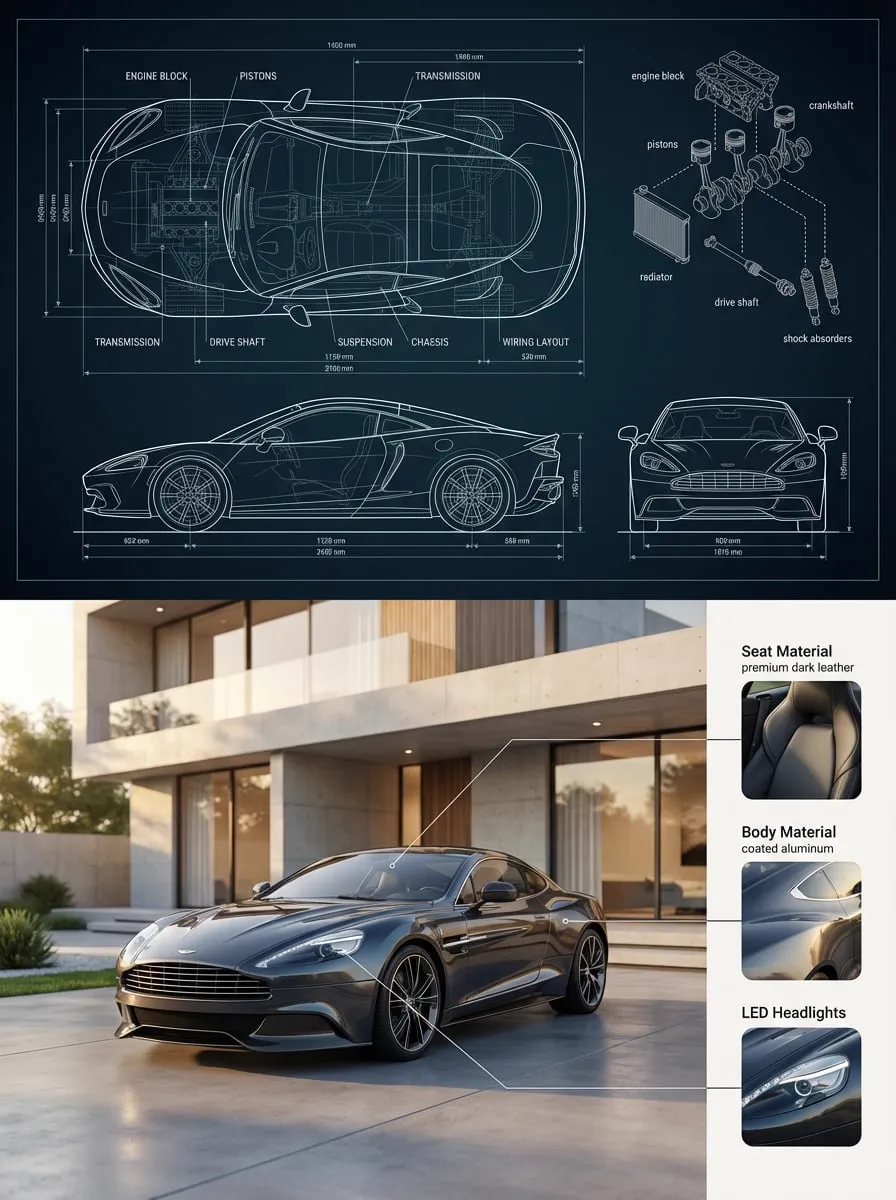
Product shots are the highest-risk area for drift. A laptop that changes screen brightness, a beverage bottle that changes label color, or a car that changes paint shade between scenes destroys credibility. Use multiple product photos from different angles as references, and keep the descriptive wording identical in every prompt.
Standardize Scene Vocabulary
Create a prompt template for common shot types: hero product shot, customer testimonial, explainer cutaway, and so on. Define the lighting, background, and camera behavior for each. When everyone on the team uses the same templates, the output library stays coherent.
Testing, Personalization, and Optimization
AI video generation unlocks testing at a scale that was previously impossible. Instead of betting the budget on one video, generate three versions of the opening hook and test them on a small audience before scaling the winner.
A/B Testing Creative Variants
Test one variable at a time: the hook, the background music, the call to action, the spokesperson style, or the video length. The platform metrics will tell you which variant drives the highest retention and conversion. Because generation is fast, you can iterate weekly instead of quarterly.
Personalization at the Segment Level
Create distinct versions for different audience segments. A fitness brand, for example, can generate the same core video with different voiceovers, text overlays, and product angles for beginners versus advanced users. The consistency tools keep the brand recognizable while the messaging adapts.
Measuring What Matters
Do not optimize for views alone. Track completion rate, click-through rate, and conversions per video. AI-generated video is a means to business outcomes, and the analytics loop should close back into the creative brief for the next round of production.
Common Pitfalls and How to Avoid Them
Generating Without References
The most common mistake is typing a prompt and hoping. Without reference images, the AI invents a product that looks close to yours, but not identical, and never consistently. Always provide references for anything that must be accurate.
Overpromising the Prompt
A single prompt cannot describe a full marketing campaign. Break everything into scenes, and treat each generation as one shot in a larger edit. Trying to generate a complete ad in one pass produces unusable results.
Ignoring Voice Quality
A beautiful video with robotic voiceover fails in the market. Invest time in choosing the right voice, adjusting pacing, and adding natural pauses. If the platform's built-in voices are weak, record your own or use a dedicated voice tool, then bring the audio into the editor.
Skipping the Review Loop
AI output is probabilistic. Every generation needs a human review for brand safety: check product accuracy, text rendering, and cultural appropriateness before anything goes live. Build a short review checklist and make it part of the workflow, not an afterthought.
Building a Repeatable Content System
The teams that get the most from AI video do not treat it as a one-off experiment. They build a system, and the system has four parts.
The Reference Library
A shared folder of approved brand assets: product photos, spokesperson images, logo files, and palette swatches. Every generation starts from this library, so every output carries the same visual DNA. Update it whenever the brand evolves.
The Prompt Template Set
Document the prompts that work. Store them by use case: hero product shot, testimonial, explainer cutaway, launch teaser. New team members should be able to open the library and produce on-brand output on their first day. This is the knowledge asset that makes the team's quality independent of any single person.
The Review Checklist
A short, mandatory review before anything publishes: product accuracy, text rendering, voice quality, cultural fit, brand safety. Automation speeds production, but human judgment protects the brand. The checklist keeps the judgment fast and consistent.
The Metrics Loop
Define which numbers decide whether a video is good: completion rate, click-through, conversion. Review them weekly, and feed the winners back into the prompt library. Over a quarter, this loop measurably improves both the content and the team's understanding of the audience.
A system like this is what separates a brand that posts AI videos from a brand that builds an AI-powered content engine. The tools change fast; the system compounds.
A Starter Checklist for Your First AI Video Campaign
- Define the brand brief and collect a reference library.
- Choose a platform with model diversity and consistency controls.
- Write a script and storyboard with short scenes.
- Generate each scene with identical subject descriptions and reference images.
- Assemble, add voiceover, music, and captions.
- Review for brand accuracy and fix problem scenes.
- Create variants for A/B testing and localization.
- Measure completion and conversion, then feed learnings into the next brief.
Frequently Asked Questions
How long does it take to produce a marketing video with AI?
A single 30-second video can go from brief to final in a few hours once the workflow is established. The first campaign takes longer because you are building the reference library and prompt templates. After that, speed compounds.
Can AI video match the quality of a professional shoot?
For many use cases, yes, especially for product demos, social content, and explainer videos. Complex live-action shoots with actors and physical sets are still different. The practical approach is to use AI where it is strongest and reserve traditional production for hero campaigns.
How do I keep my brand consistent across many AI videos?
Standardize three things: the reference library, the subject descriptions in prompts, and the scene templates. Consistency is a documentation problem as much as a technology problem. The team that writes down its visual rules will always beat the team that improvises.
Is AI-generated video safe for my brand?
It is safe when governed by a review process. Check product accuracy, text rendering, voice quality, and cultural fit before publishing. AI tools are accelerants, not replacements for editorial judgment.
The Bottom Line
AI video generation is not about replacing marketers; it is about giving them the speed and volume that the video-first market demands. The teams that win will be the ones that combine capable tools with disciplined workflows: reference libraries, consistent prompts, short scenes, and a tight review loop. Start small, standardize what works, and let the process scale.
