
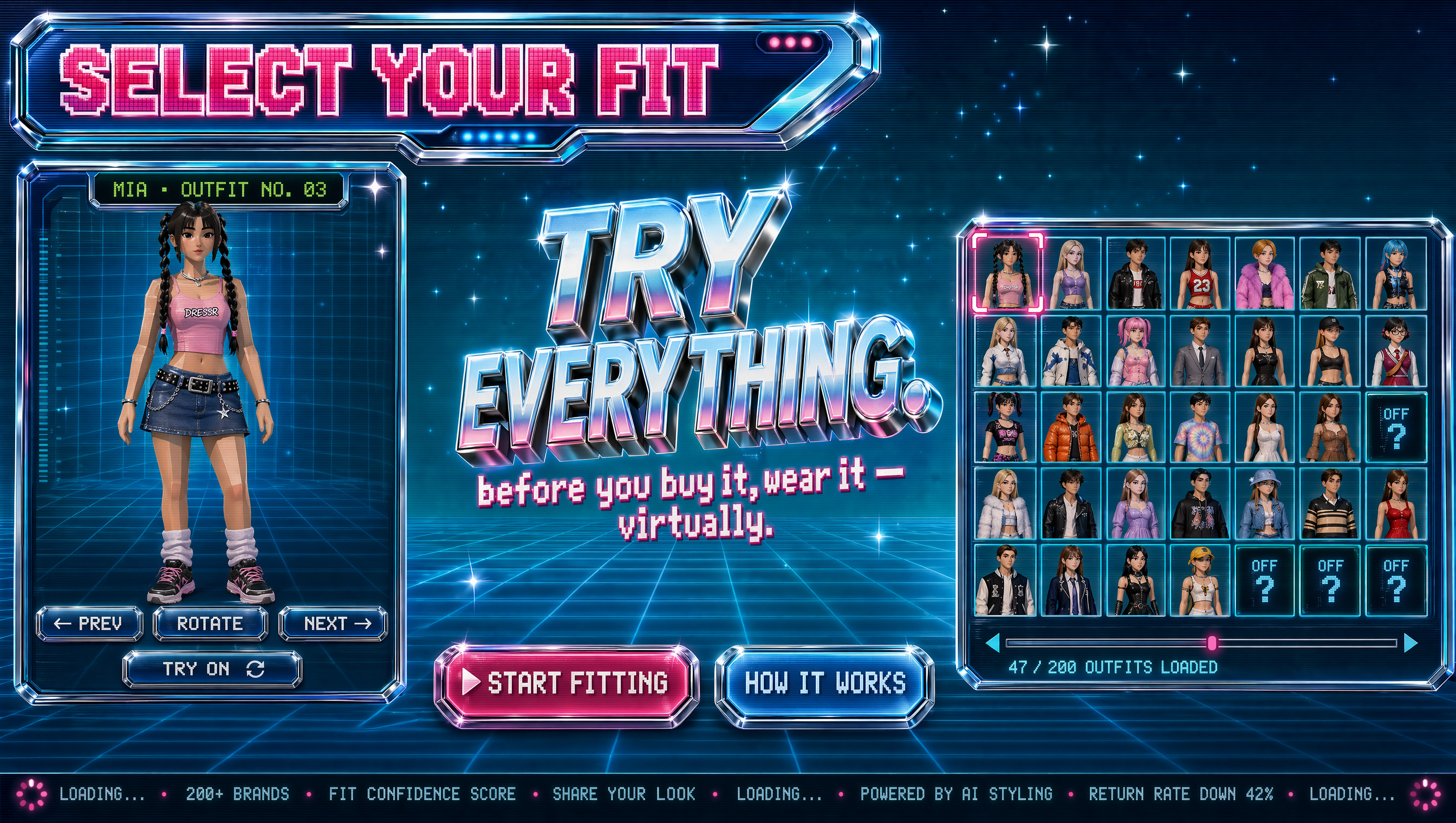

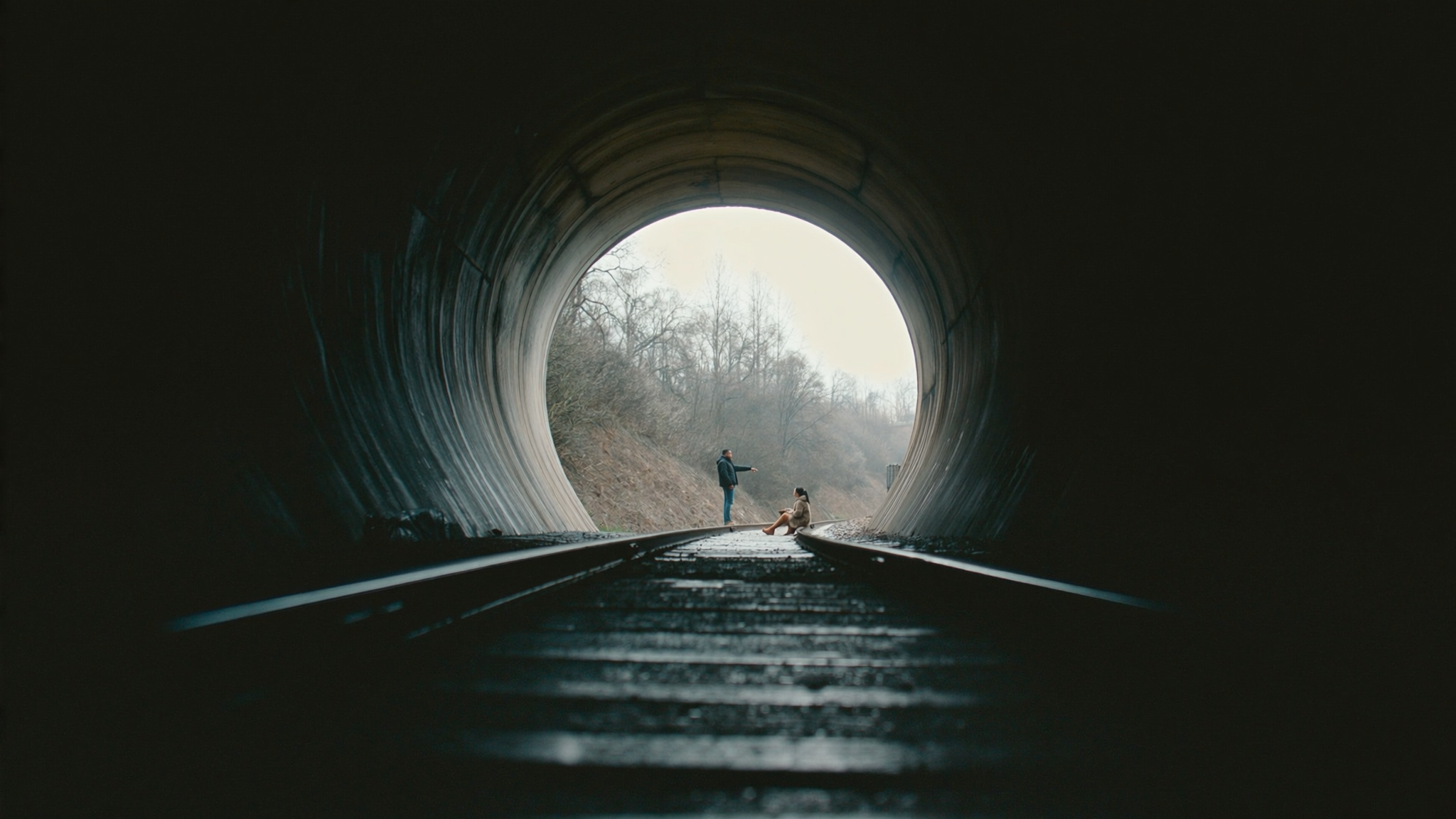
For a long time, educational content meant one of two things: a wall of text, or a recorded lecture a trainer delivered once and hoped would stay evergreen. Neither feels right for the learners of today, who expect content that moves, adapts, and keeps them engaged. The shift toward AI-generated video has quietly changed what is possible in education, but it also created a confusing landscape of tools, techniques, and workflows.
This guide is a practical, tool-agnostic introduction to building interactive educational content with AI video generation. It covers what to generate, how to keep a series coherent, how to build real interaction rather than decoration, and how to avoid the most common mistakes. Whether you run a training team, a YouTube channel, or an online course, the goal here is content that teaches rather than just looks impressive.
Why AI video changes the educational landscape
The global training and education sector is under pressure to do more with less. Traditional recorded lectures are expensive to produce, slow to update, and notoriously poor at holding attention. A single video update means a full re-shoot, and an outdated lesson can quickly become a liability when processes change. Meanwhile, learners in a high-speed, hyper-personalized era expect bite-sized, visual, and adaptive material. AI video generation answers a very concrete need: the ability to produce high-quality visual lessons on demand, without a full production studio.
What makes this moment unusual is access. Techniques that were previously reserved for major production houses are now available to a single trainer or curriculum developer. That means the barrier is no longer technical skill or budget; it is the ability to design learning experiences well. Someone who understands pedagogy can now produce visual lessons that rival commercial training materials, even on a small team.
There is a real qualitative shift here. Video generated on demand can be updated when a procedure changes, adapted to a specific audience, and produced at a fraction of the time cost of a live shoot. For educational teams, this is a reliability and scalability advantage, not just an aesthetic one. It changes the economics of content: stale material no longer has to stay up just because re-shooting is too expensive.
Choosing the right roles for AI video in a lesson
Not every part of a lesson is a good candidate for AI-generated video. The most effective approach is to use it where it adds real teaching value and to keep it out of places where it creates needless risk. A useful breakdown has four roles, and it pays to think about each lesson individually rather than applying one approach everywhere.
First, concept visualization. Abstract ideas that are hard to describe in words—like a chemical reaction, a market dynamic, or a workflow inside a system—become concrete when turned into moving visuals. Seeing a process unfold in time teaches the causal relationship far better than a static description. This is where AI video genuinely shines.
Second, scenario and demonstration. Rather than a static screenshot, a generated sequence can show a step-by-step procedure, a dialogue, or a dramatic scenario that illustrates a principle. This is especially strong for storytelling and situation-based learning, where the learner needs to see how a concept applies in context, not just memorize a definition.
Third, emotion and engagement. A well-crafted animated scene can build motivation, illustrate consequence, or add a human touch that dry slides lack. Learners do not remember what they merely read; they remember what they felt while learning, and moving, expressive visuals create that feeling.
Fourth, consistency-heavy assets. If you build a recurring instructor character or a repeated visual style, AI video helps you keep the whole series on brand, so every lesson feels like part of the same course.
The parts you should keep out need equal attention: anything where accuracy is critical and unverifiable, anything that legally or factually requires a real recording, and anything where the added visual risk outweighs the learning benefit. Treat AI video as a tool for designing a learning experience, not as a wholesale replacement for every kind of recording.
Building interaction instead of decoration
The temptation with AI video is to make things flashy. The more valuable goal is to make them interactive in a way that supports learning. Interaction is not about adding a quiz at the end; it is about creating moments where the learner has to pause, think, and make a decision. Decorative animation without an actual decision point is just passive content in a nicer wrapper.
One effective design pattern is the branch point. Generate several short scenes that each represent a different decision or answer, then structure the lesson so the learner chooses the path and sees the consequence. This turns passive viewing into active reasoning and works beautifully for decision-making and scenario training, because it lets the learner experience outcomes rather than just being told about them.
A second pattern is the built-in pause. Insert a checkpoint after a scene that asks the learner to predict what happens next before revealing the resolution. This leverages the well-known benefit of retrieval and prediction as learning tools, and it keeps attention from drifting because the learner is constantly pulled into participating mentally.
A third pattern is the visual variable. Because generated video can be adapted quickly, you can change one element of a scenario—say the difficulty, the setting, or the angle—and ask the learner to identify what changed and why. This trains observation and transfer, the ability to apply a concept in unfamiliar situations, which is the true goal of most education. The key insight is that interaction should always ask the learner a meaningful question, never just ask them to click.
Keeping a whole series coherent
A single impressive scene is easy. A series that holds together is the real challenge. Nothing breaks trust faster than a recurring character who visibly changes appearance across videos, or a course whose visual style shifts randomly between lessons. Consistency failures are the fastest way to make professional-looking content feel amateur.
Start by defining a visual system before producing anything. Write down the color palette, the character design, the lighting style, and the type of motion you want. Treat these as the rules of your course. Then establish strong reference frames early—character images and style anchors that you return to in every generation—so consistency survives across episodes. Without these anchors, small differences compound until the final lesson looks unrelated to the first.
It also helps to produce in batches with the same settings rather than lesson by lesson in isolation. Generating several scenes in one session with matched constraints produces a far more uniform result than creating each one from scratch on a different day. Review consistency as a team discipline, not a one-time check, and keep a simple document that records the house style so anyone on the team can reproduce it. This documentation is especially valuable when new people join or when you return to a course after months away.
A practical production workflow
Let's walk through a realistic production loop for a five-minute interactive lesson, the kind of unit that fits naturally into a larger training program.
Phase one, design the script with interaction points baked in. Before any generation, map the lesson: the core concept, the decisions the learner will make, and the predicted-answer checkpoints. This script is your blueprint, and it should answer the question "what is the learner supposed to be able to do differently afterward" for every section.
Phase two, establish references. Generate or collect the style reference and the recurring character look, and lock them in. Phase three, produce in scene units. Generate each short scene separately, with the reference images attached, rather than trying to generate the whole lesson at once. Keep each unit short and stable, because long single generations drift and distort.
Phase four, assemble and add the interaction layer. Put the scenes into your editing environment and insert the branch prompts and checkpoints where the script calls for them. Phase five, test the loop. Run through the lesson as a learner, check that the choices lead to the right consequences, and that the visual style holds. Iterate on any scene that feels disconnected or any interaction that does not require genuine thought.
The loop borrows from good production discipline, but it is now fast enough that a small team can run it in days rather than weeks. That speed is precisely what makes on-demand educational content practical, and it is what allows a curriculum to stay current in fast-moving fields.
Pitfalls worth avoiding
The most common mistake is fidelity without teaching value: generating beautiful scenes that do not actually explain anything. Always ask what function a scene serves in the lesson, and cut anything that does not earn its place. The second is consistency neglect, where style drifts and the course feels unprofessional; this is the easiest way to undermine credibility, so treat it as a review priority.
The third is interactivity theater, where quiz buttons and pauses exist but do not require real thought. A click that asks no question teaches nothing, and learners quickly learn to click through without engaging. The fourth is scope overreach, trying to generate an entire course in one pass instead of building it scene by scene, which almost always produces an incoherent result.
Another subtle pitfall is updating lag. Because content can be produced quickly, teams sometimes over-produce and create material that becomes stale faster than before. Build a revisit cadence into your workflow so the content you put out is always current. And finally, watch the accuracy trap: generated visuals should never be the sole source of truth for verifiable, factual content. Keep a human review gate for anything that a learner might rely on to be correct, because a confident but wrong graphic is worse than no graphic at all.
Frequently asked questions
Do I need a studio or filming equipment?
No. The entire workflow is built around generated visuals, not live capture. A decent computer and an editing tool are enough to start, and you can always add equipment later if you decide to film supplementary footage.
Can I use AI video for regulated or compliance training?
Yes, but with a rigorous human review gate. Never let generated visuals stand as the only authority for factual, safety-critical content, and keep records of the review process for accountability.
How long does it take to produce one interactive lesson?
With a defined script and reference system, a small five-minute lesson can realistically be assembled over a few working sessions, depending on how many iterations you need. The first project is always slower as you establish your process.
Do learners actually engage more with AI video lessons?
When interaction is designed properly—with real decisions and checkpoints—yes. Decorative videos without designed interaction perform about the same as passive lectures, so engagement is a design outcome, not a guaranteed property of the medium.
How do I maintain a consistent instructor character across episodes?
Lock a character reference early, reuse it in every generation for that character, and produce related scenes in matched batches. Review continuity during editing, before you finalize each episode.
What about accessibility and inclusive design?
Because you control the visuals, you can design for accessibility from the start: clear narration that does not rely only on text on screen, optional captions, high-contrast scenes, and a consistent pace for learners who need more time. Accessibility is a design choice you can build into your style system rather than a retrofit.
Scaling from one lesson to a full program
Once you have produced a lesson that works and was well received, resist the urge to reinvent the process for the next one. The discipline that made the first lesson successful is exactly what you should package into a repeatable template. Define a standard script template with the interaction patterns you validated, lock the house style, and document which scene units and models performed best.
A library of reusable assets accelerates everything after the first project. Characters that viewers already recognize, environment references that match the show's look, and a folder of proven prompt fragments let the team assemble new lessons faster and with fewer surprises. This is how a single validated workflow becomes a scalable content engine, which is the real promise of on-demand AI educational video.
A closing thought
AI video generation is not a shortcut that removes the need for good instructional design; it is a tool that amplifies good design and makes it dramatically cheaper and faster. The teams that get real results are not the ones with the most impressive single clip, but the ones with a clear visual system, real interaction built into the learning experience, and a disciplined review loop. Start with one small, well-designed lesson, prove the workflow, and scale from there—the technology is ready, and so is the audience.
