
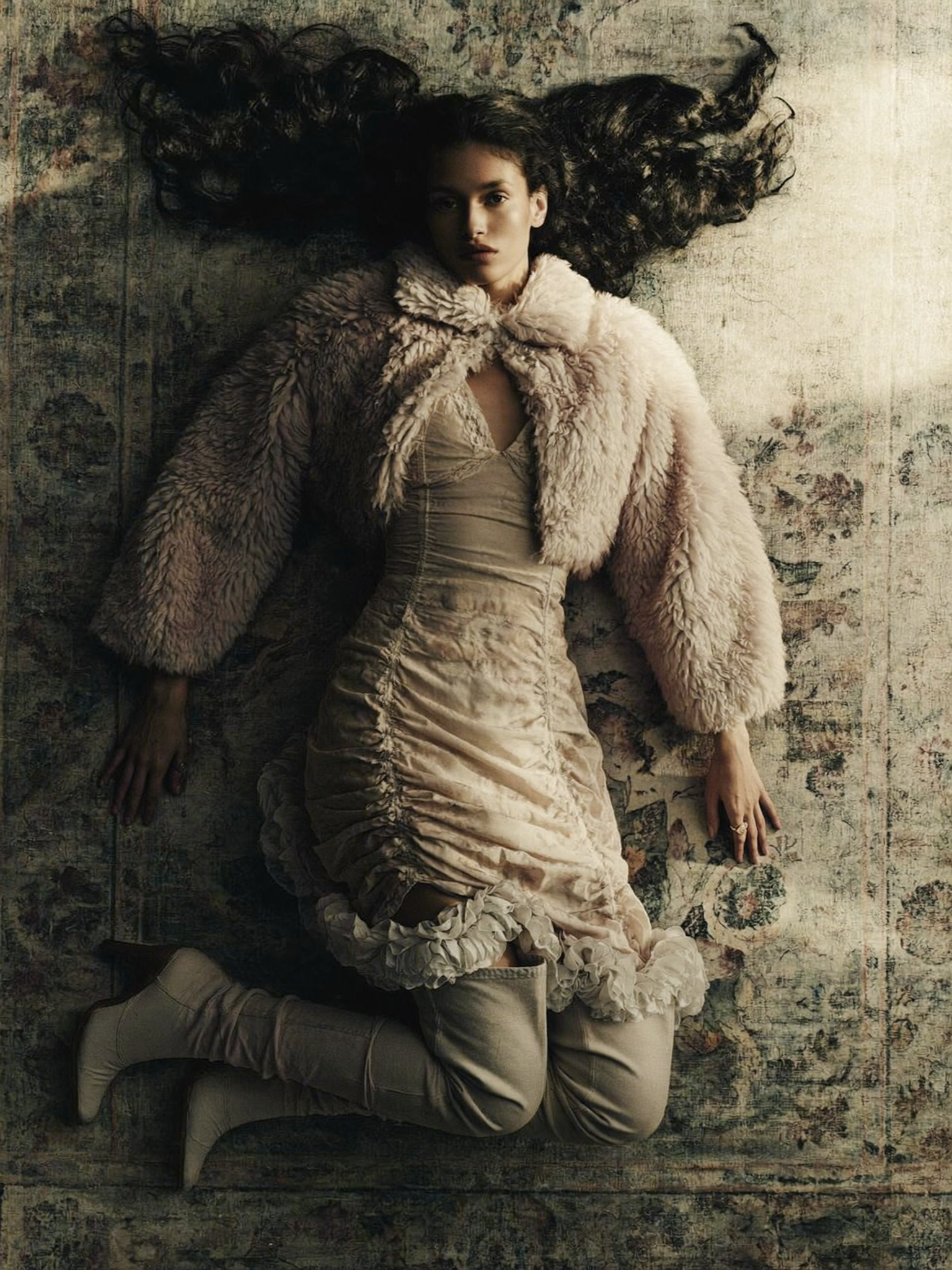
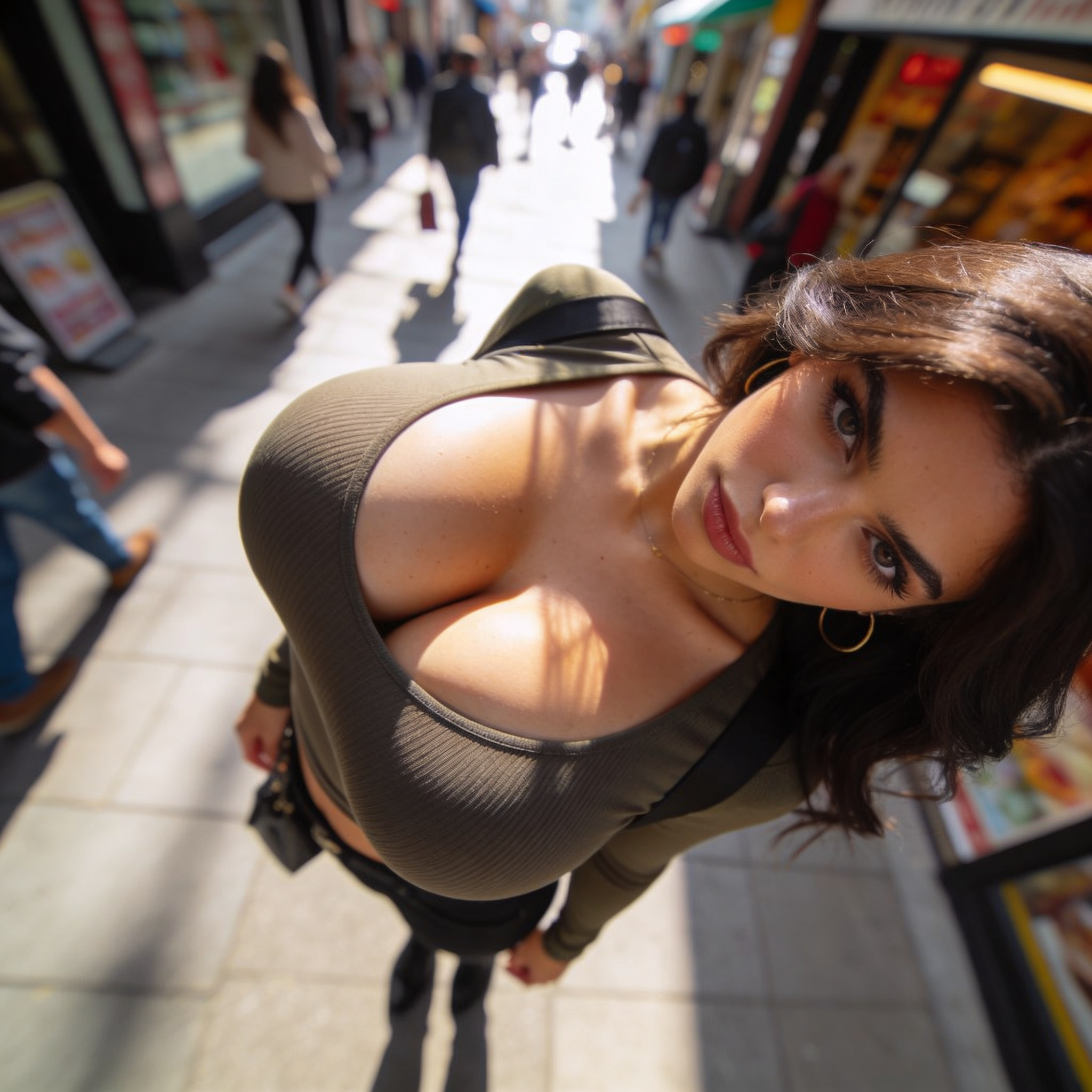
For most of the short history of generative video, creators had one real choice: use the model the platform gave them, or leave. That era is over. The current generation of video tools exposes a library of models with different strengths, and choosing between them has become one of the most important creative decisions you make. The shift matters because a model is not a neutral rendering engine. Every model has a personality, a set of things it does beautifully and a set of things it quietly mangles. A story told with the right model for each scene looks deliberate, layered, and expensive. A story told with the wrong model looks like a default export. This article explains why model diversity changes storytelling, how to match a model to the mood of a scene, and how to keep your characters and worlds consistent while switching between them.
Why Model Choice Is a Creative Decision
There is a temptation to treat the model as plumbing: pick one, learn its interface, and never think about it again. That approach leaves enormous creative value on the table, because models differ in ways that are visible to the audience.
One model may render skin and fabric with photographic fidelity, making it the right choice for a product commercial. Another may have a painterly, expressive quality that suits a dream sequence. A third may specialize in clean, stylized animation, perfect for a brand's illustrated identity. The same prompt produces completely different emotional results in each of them. When you choose a model, you are choosing the visual language of your video, and changing the language changes the story the audience receives.
Model selection also affects the technical constraints of production. Models differ in output resolution, clip length, motion handling, and consistency under pressure. A model that produces gorgeous stills may struggle with fast action; a model that handles motion well may render faces less reliably. Knowing the trade-offs of each model lets you plan a production around strengths instead of fighting weaknesses.
How Model Diversity Changes Storytelling
A single model is a single voice. A library of models is a full cast. The most interesting consequence of model diversity is that you can compose a video from several voices, each doing what it does best.
Consider a short film with three moods. The opening, grounded in reality, uses a photorealistic model with strong physics. The middle, a memory, uses a warm, filmic model with softer motion. The climax, a surreal sequence, uses an expressive, stylized model that bends reality. The audience feels the shifts without being told, because the visual language itself carries the narrative information. This is not a gimmick; it is how directors have always worked, mixing lenses, film stocks, and visual effects to shape emotion.
Model diversity also enables rapid experimentation. Because generating a test clip is cheap, you can render the same scene in three models and compare. The comparison often surprises you: the model you assumed would win produces the weakest result, and a specialist you barely considered delivers exactly the mood you wanted. The ability to try many voices quickly is itself a storytelling tool.
Matching a Model to the Mood of a Scene
Matching a model to a scene is part craft, part testing. These guidelines get you close, and testing closes the gap.
For realism and emotional weight, choose models trained on natural footage with strong physics. They handle human faces, clothing, and environmental interaction with the least uncanny distortion. Use them for dramas, testimonials, and product scenes where believability is the goal.
For speed and playfulness, choose lighter, faster models that favor iteration. Short social clips, meme formats, and rapid concept tests benefit from a model you can run ten times without waiting.
For stylized worlds, choose models trained on illustration and animation data. They understand line, color, and exaggeration, and they maintain stylized characters across shots more reliably than photorealistic models, which tend to drift when asked to be cartoonish.
For camera-driven sequences, choose models with explicit camera controls. The ability to specify a push-in, a pan, or an orbit separates a produced feel from a static-image effect, and some models implement these controls far more precisely than others.
The rule of thumb: define the hardest requirement of the scene first, then pick the model that meets it. If the face must stay stable, choose consistency over resolution. If the motion must feel physical, choose physics over style.
Keeping Characters and Worlds Consistent
Model diversity creates a new risk: the same character can look different in every model you use. The fix is to anchor identity outside the model, so the character survives the transition between voices.
Reference images are the foundation. Most platforms accept reference images that define a character, an object, or a location. Feed the system several images of the same character from different angles, and it builds a stable identity that carries across generation runs. When you switch models for a new scene, attach the same reference set, and the character keeps their face, costume, and proportions.
Consistency also requires discipline in the prompt. Keep the description of the character short and identical across scenes, and let the references carry the identity. If the prompt describes the character differently each time, you are asking each model to interpret a different description, and the drift will be your fault, not the model's.
For worlds and settings, apply the same logic. Create reference packs for recurring locations, and reuse them. A city street, a coffee shop, a spacecraft bridge: if the audience sees it more than once, it needs a stable identity of its own.
Cinematic Control: Camera, Composition, Rhythm
Model diversity gives you a palette, but you still need to direct. The techniques that make video feel cinematic transfer directly to generative tools.
Camera language is the first tool. A slow push-in creates intimacy, a pan reveals space, a high angle diminishes a subject, a low angle empowers it. Choose the camera movement for its narrative meaning, not because the model can do it. If the model offers camera controls, use them; if not, describe the movement precisely in the prompt.
Composition is the second tool. Place the subject according to the rule of thirds, leave negative space where text will appear, and keep the horizon level unless a tilted frame serves the mood. The model will follow your framing if you describe it, but it is faster to start from a strong source image and let the model extend it.
Rhythm is the third tool, and it lives mostly in the edit. Generate short clips with clear beginnings and ends, then cut between them. The cuts create rhythm; the models create texture. A video assembled from well-directed short clips feels far more produced than a single long generation, because you control where the audience looks and when.
Custom Models and the Creator Economy
The frontier of model diversity is not choosing between existing models; it is building your own. Several platforms now let creators train and publish custom models tuned to a specific character, style, or brand.
A custom model is the strongest form of consistency. When the identity lives in the model itself, every generation inherits it, and no reference attachment is required. This makes custom models ideal for flagship characters used across a long series, or for brands that need their visual identity reproduced exactly.
The cost is time and curation. Training requires a clean dataset, a few dozen well-chosen images at minimum, and an evaluation pass to catch bad examples that poison the output. The payoff is a reusable asset, and in the creator economy, a reusable asset is the foundation of compounding growth. A character library you build once becomes the cast for every future project.
Building a Style Guide for Your Channel
Consistency across videos matters as much as consistency within one video. A channel that publishes a photorealistic commercial one week and a neon cartoon the next confuses its audience, and confused audiences do not subscribe. The fix is a personal style guide: a short document that records the models, prompts, references, and grade you use, so every video sounds and looks like it came from the same creator.
Start with the model roster. List the two or three models you trust, and note what each one is for. One model for realism, one for style, one for speed. When a new project arrives, the roster answers the first question before you open any tool.
Then capture the prompt patterns. Save the exact wording of prompts that produced strong results, with the settings that worked: resolution, duration, seed behavior, and reference attachments. A saved prompt is a recipe; without the settings, the recipe is incomplete.
Finally, define the look. Write down the color grade, the typography for titles, the caption style, and the audio treatment. These choices are your visual signature, and they are what make a library of videos feel like a body of work instead of a pile of experiments.
The style guide also speeds up every future project. Instead of re-solving problems you already solved, you copy the working pattern and spend your creative energy on the parts that are actually new.
A Practical Model Selection Framework
When you face a new project, run it through this framework. First, name the scene's hardest requirement: face stability, physical motion, style fidelity, or resolution. Second, list the candidate models and mark how each handles that requirement. Third, generate a short test in the top two candidates, using the same source image and prompt. Fourth, compare the results at full resolution, watching for drift, artifacts, and emotional tone. Fifth, pick the winner, and record the settings in a project note so you can reproduce the look later.
This framework takes fifteen minutes and saves hours. The most common production mistake is skipping the test and committing to a model because it was impressive in a demo. Demos are curated; your footage is not. Test with your own image, your own prompt, and your own standards.
The framework works in reverse too. When a project fails, the first question is not "what prompt should I use" but "which model fits this requirement". Many wasted hours come from choosing the wrong model and then trying to compensate with hundreds of prompt tweaks. Changing the model is often the fastest fix, and the framework makes that the first move instead of the last resort. Treat the comparison as a habit: every new scene earns fifteen minutes of testing, and the library of proven results grows with each project, so future decisions become faster and more reliable.
Frequently Asked Questions
Do I need to master every model?
No. Master two or three and understand the rest at a working level. Depth in a few models beats shallow familiarity with many.
How do I know which model is best for my project?
Run the same test in two or three models and compare. The right model reveals itself in your footage, not in feature lists.
Can switching models break character consistency?
It can, if the identity is not anchored. Use the same reference set and the same character description across models, and the character survives the switch.
Are newer models always better?
Usually, but not always. Newer models often improve resolution and physics while regressing in specific styles. Judge by output, not by version number.
Is custom training worth it for a small creator?
For a flagship character or brand identity, yes. For one-off projects, the setup cost rarely pays off. Build custom models only for assets you will reuse.
The most important shift in generative video is not a single breakthrough model. It is the realization that you can choose your visual voice scene by scene. Model diversity hands the director a full palette, and the directors who learn to paint with it are the ones whose stories will not look like default exports.
