
Why the production pipeline is being rebuilt
Video production used to be a linear, expensive, and slow process. A brand that wanted a polished explainer, a product demo, or a short film had to coordinate writers, directors, camera crews, editors, and sound engineers, and the whole chain could take weeks or months. That model still exists, but it is no longer the only option. Generative AI has compressed most stages of the pipeline into tools that a single person can operate, and the bottleneck has shifted from equipment and budget to planning and taste.
The shift matters for a simple reason: platforms now reward volume and speed. A creator who can ship a high-quality video every day has an enormous advantage over a team that can only produce one video per month. AI does not remove the need for craft, but it removes the tedious parts, so the same amount of creative energy produces far more finished work.
This article walks through the full modern pipeline, from a raw idea to a released video, and shows what AI tools can do at every stage, where they still need human judgment, and how to build a repeatable workflow that does not collapse under its own complexity.
Stage 1: Pre-production with AI
Pre-production is where most AI-assisted projects succeed or fail, because this is where you define what the video is actually about. The temptation is to jump straight into generation and start typing prompts, but the creators who get consistent results treat prompt writing as an extension of scripting, not a replacement for it.
From a rough idea to a structured script
A good script does three things: it states the core message, it orders the beats so the viewer is pulled forward, and it leaves room for the visual language to carry meaning. Modern AI tools can help with all three. Instead of staring at a blank page, you can describe the goal of the video, the audience, and the tone, and let a language model produce a draft script with scene-by-scene structure.
The key is to treat that draft as a starting point. Semantic analysis and story structure models can identify where tension builds, where a payoff lands, and where a scene overstays its welcome, but you still need to know what you want the viewer to feel. Spend time rewriting the draft in your own voice. A script that reads like generic marketing language will produce a video that feels like generic marketing content, no matter how good the visuals are.
Storyboards and animatics without a drawing tablet
Once the script is approved, the next traditional bottleneck was visualization. Directors and art departments would sketch storyboards, and then someone would build an animatic, a rough moving version of the storyboard, so the team could review pacing before expensive production began.
AI image generation has made this stage almost instant. You can take each script beat, write a short visual description, and generate a reference frame in seconds. String those frames together with simple motion or camera moves, and you have an animatic that shows shot composition, framing, and rough timing. Reviewing an animatic before committing to full video generation is one of the highest-leverage habits in the AI pipeline, because it catches structural problems while they are still cheap to fix.
Stage 2: Production — generating the footage
This is the stage people usually imagine when they think about AI video: typing a prompt and watching a model generate moving footage. The reality is more nuanced, because the model you choose determines the ceiling of your visual quality, and the way you write prompts determines how close you get to that ceiling.
Choosing the right generation model
No single model is best for everything. Photorealistic models such as the Flux series and Sora are excellent at natural motion, lighting, and physics, but they are comparatively expensive and slower. Faster models such as Hailuo, Pika, or Luma are better for iteration, drafts, and high-volume content where absolute realism is not the goal. Runway sits somewhere in between, offering strong creative control for stylized work.
The practical rule is to match the model to the shot. Use a premium model for hero moments, the shots that appear in the thumbnail, the opening, and the emotional peak. Use a cheaper or faster model for transition shots, backgrounds, and anything that will be on screen for less than a second. This hybrid approach keeps quality high where it matters and keeps cost and wait times under control everywhere else.
Keeping characters and scenes consistent
The biggest technical challenge in AI video is consistency. Generate a character in one scene and the next generation may change their face, their clothing, or the entire mood of the location. This is fatal for narrative work, because viewers immediately notice when a character flickers between different identities.
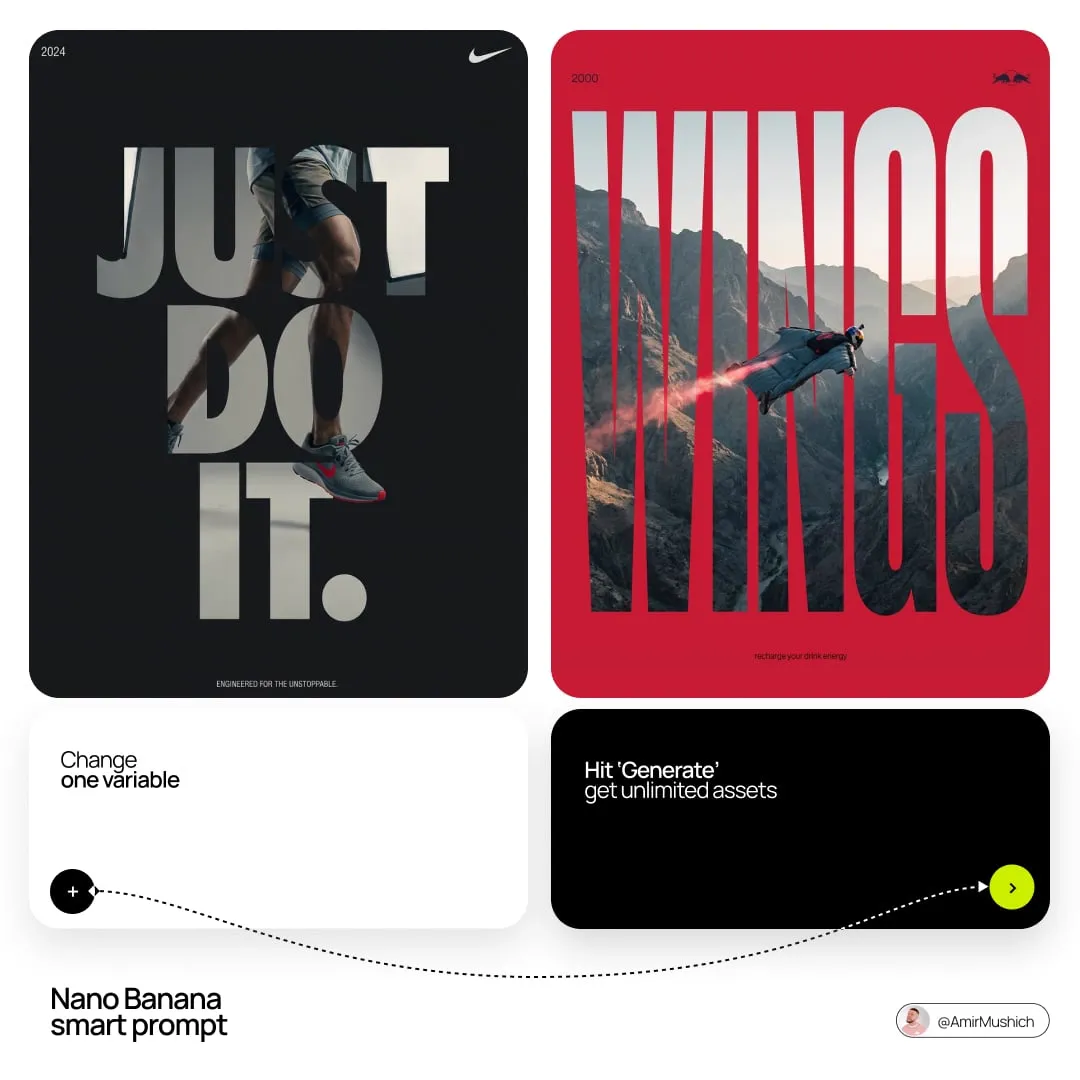
The standard solution is reference-based generation. Most serious tools now support image-to-video workflows where you lock a character with a reference image, and some support multi-image fusion where the model holds several reference points, a face, an outfit, a location, across an entire sequence. You can also generate a consistent character sheet before production begins, the AI equivalent of a casting photo, and reuse it in every scene. The workflow becomes: design the character once, verify that the reference images are stable across test generations, and only then produce the full sequence.
Stage 3: Post-production
Generation is only half of the story. A raw AI clip rarely ships as-is; it needs assembly, sound, color, and pacing, and this is where the video starts to feel finished.
Assembly and timing
Most AI tools generate clips of a few seconds each, so the editor's job is to assemble them into a rhythm. Start by cutting to the script, not to the prettiest clips. Lay out the animatic timing, then replace each placeholder with the best generated take. Keep the pacing slightly faster than feels comfortable; short-form platforms in particular punish slow openings and long pauses.
Sound design and AI voiceover
Audio is the most underrated part of AI video. A video with excellent visuals and a thin, robotic voiceover will feel cheap, while a simple visual paired with a confident voice and a well-mixed soundtrack can feel premium. AI voiceover tools now produce natural-sounding narration in many languages, and AI sound design can generate ambient beds, whooshes, and stingers that match the mood of a scene.
The trick is to design the sound before you export. Write the voiceover script early, record or generate it, and let the pacing of the narration drive the edit. Add sound effects that reinforce the visuals rather than decorate them, and keep background music low enough that it never competes with the voice.
Color, effects, and polish
Finally, run every clip through a consistent grade. AI-generated shots from different models can vary wildly in color temperature and contrast, and nothing signals "assembled from random clips" faster than a video where every shot has a different look. A single LUT or a consistent adjustment layer can unify the entire piece. Add subtle motion blur, grain, or vignetting if it fits the style, and always check the export on a phone screen, because that is where most viewers will watch it.
Building your own pipeline: a practical checklist
- Define the message in one sentence before writing any prompt.
- Draft the script with AI, then rewrite it until it sounds like you.
- Generate reference frames and an animatic before full video generation.
- Match models to shots: premium for heroes, fast for fillers.
- Lock characters with reference images and verify consistency early.
- Cut to the script, not to the prettiest clips.
- Design the voiceover and sound before the final export.
- Apply one color grade to every shot.
- Review the final video on a phone screen.
Common mistakes and how to avoid them
Skipping pre-production is the most common failure. A team that spends three hours generating footage and ten minutes planning will produce a longer, more expensive, and less effective video than a team that does the opposite. The second most common mistake is using one model for everything, which either wastes budget on filler shots or makes the whole video look cheap. The third is ignoring audio; viewers tolerate average visuals far more than they tolerate bad sound.
There is also a quality trap that comes from the tools themselves. Because generation is cheap, it is tempting to generate dozens of variations and stitch together the most impressive-looking clips, but a video that looks impressive shot by shot and says nothing as a whole is still a failure. Judge every clip against the script, not against its beauty.
Realistic examples of the pipeline in action
To make the pipeline concrete, here are three common projects and how the AI-assisted flow changes the work for each.
Product promo for an online store. The team wants a thirty-second video showing a lamp in three settings. Pre-production: a one-page script with three beats, then three reference frames of the lamp generated in the brand's color palette. Production: the hero shot, the lamp turning on in a warm living room, uses a photorealistic model; the other two settings use a faster model, with the lamp locked through reference images so the product never changes shape or finish. Post-production: a warm color grade across all three shots, a soft music bed, and captions naming the product. Total time from brief to final export: about four hours.
Educational video for a course. The goal is a two-minute explainer about a technical concept. The script is drafted with a language model, then rewritten by the instructor so it sounds like their teaching voice. The visuals combine generated diagrams, motion-graphics-style clips, and screen recordings. An AI-directed workflow proposes the shot sequence, and the instructor adjusts the pacing. The voiceover is recorded by the instructor, and AI handles the captions and the music selection. The result is a video that feels personal and polished, produced in a fraction of the time a full animation would have taken.
Branded story for social media. A creator wants a weekly thirty-second story format with a recurring character. The character is locked with a reference sheet in the first episode, and every subsequent episode reuses the same references, so the audience sees the same face and outfit week after week. The batch workflow produces four episodes in one session: one hero render per episode and fast models for the rest. Over a month, the format becomes recognizable, and the audience starts anticipating the character.
These examples share the same underlying structure: plan first, lock references, match models to shot importance, and finish with sound and color. The specific tools matter less than the discipline of following that structure.
Sizing the pipeline to your goals
Not every project needs every stage. A daily social clip might skip the full script and go straight from a one-line hook to an animatic, while a client commercial might spend most of its time in pre-production. The pipeline is a menu, not a straightjacket. Choose the stages that serve the project, and keep the full structure in mind so you can scale up when the stakes are higher.
The other sizing question is team size. A solo creator can run all stages in a single tool, moving from script to reference frames to generation to edit in one session. A small team divides the stages by strength: one person plans and writes, another generates and tests references, another edits and finishes. The pipeline becomes the shared vocabulary that lets them hand work off without losing context.
FAQ
How long does an AI-assisted video take to produce?
A 60-second video can go from script to final export in a few hours once you have a repeatable workflow, compared with days or weeks for a traditional production. The first project will be slower while you set up your references and style.
Do I need to learn video editing?
A basic understanding of editing helps enormously, but AI tools have lowered the entry bar. If you can cut clips on a timeline, adjust audio levels, and apply a color grade, you can produce professional results.
Which model should I use for a talking-head video?
Start with a photorealistic model that handles faces well and generate reference frames first. Consistency of the face across scenes is the main challenge, so test the reference workflow before committing.
Can AI replace the entire production team?
It replaces many execution tasks, but not the judgment. Someone still needs to decide what the video means, what to keep, and what to cut. The best teams use AI to multiply their taste, not to replace it.
How do I keep the style consistent across a whole series?
Create a style guide with reference images for your character, palette, and locations, and reuse the same reference set in every episode. Locking these references early is the difference between a series and a pile of unrelated clips.
