

![Generate a 3D isometric diorama illustration of [CHARACTER] working from home...](https://storage.brightvectorlabs.com/prompts/bright/illustration-and-3d/2032155937532772551-0.webp)
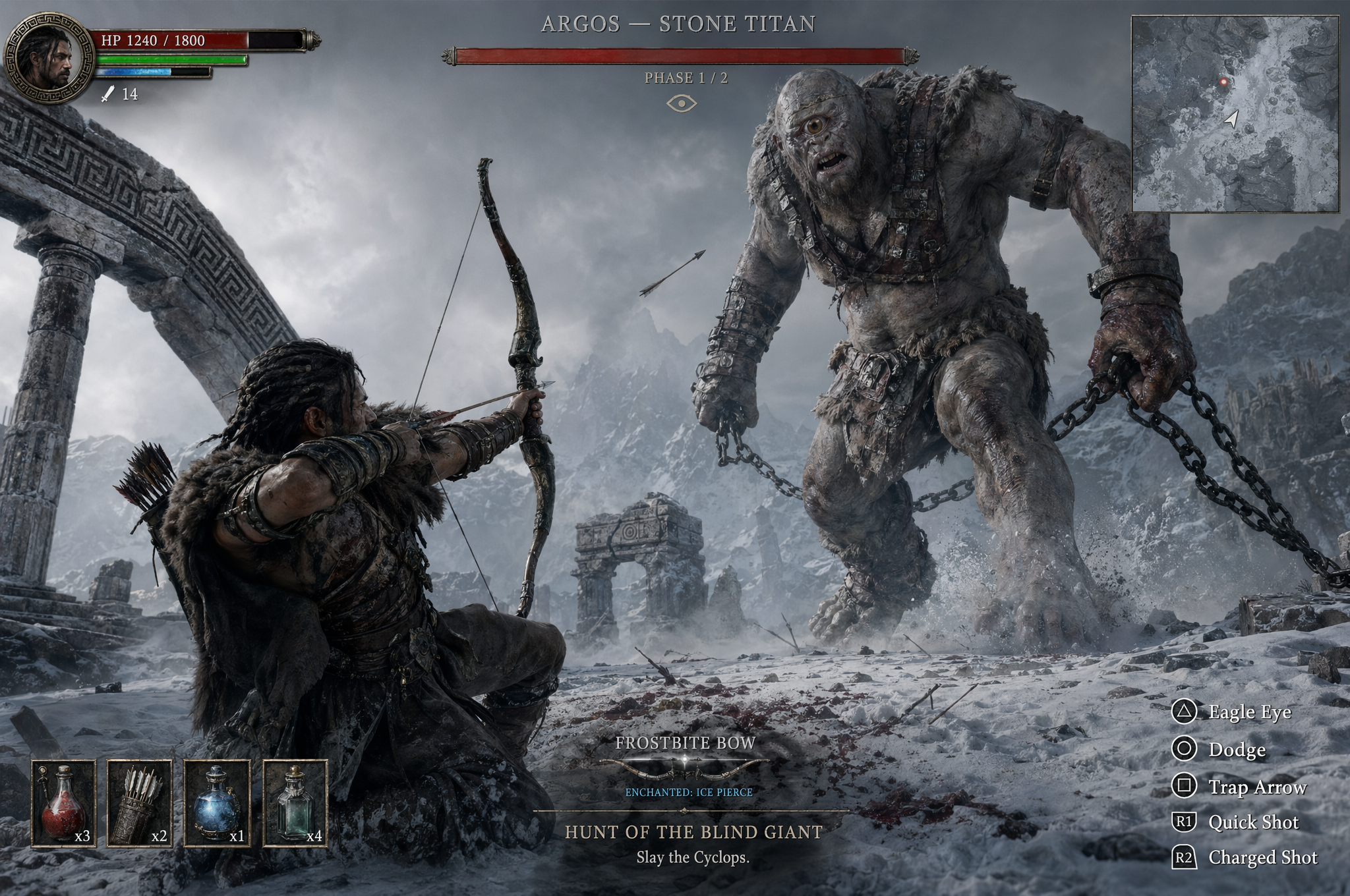
Inside the new wave of video production studios
The video production industry is going through a transformation that touches every layer, from how shots are planned to how they are rendered and delivered. Traditional studios, built around large crews and lengthy post-production pipelines, are racing to integrate generative AI into their workflows, while new platforms are being designed from the ground up around it. The result is a crowded field where the old dividing lines between "editor," "director," and "VFX artist" are blurring, and where the ability to move fast has become just as important as the ability to be technically precise.
For anyone creating video professionally, understanding what genuinely changed and what is just marketing language is valuable. The differences between tools that merely bolt AI onto an existing editor and platforms built natively around AI show up in real experience: iteration speed, consistency, and cost. This guide looks at what is new in AI-driven video production studios, the architecture that makes them work, how the director's role is being redefined, and how to choose between a traditional suite and a modern AI-native platform for your own work.
What a modern studio changes about your workflow
The most visible change in a modern AI-driven studio is that the creative brief can go further into the pipeline before a human has to intervene. A traditional workflow forces you to storyboard by hand, generate or shoot footage, assemble it, and then re-edit endlessly. A modern platform lets you describe intent, generate candidate shots, refine on the fly, and assemble a cut with far fewer round-trips. The human focus shifts from repetitive execution toward decision-making: setting the vision, reviewing options, and steering the result.
This does not mean the human disappears. On the contrary, the best results come from people who can articulate a strong creative direction and judge output critically. What changes is where the effort goes. Instead of spending hours on mechanical tasks, creators spend time choosing among options, refining details, and polishing the handful of shots that matter. The role of the artist becomes more like a director's and less like a technician's.
The director's role is being redefined
One of the biggest conceptual shifts is the arrival of AI agents that take on parts of the directorial role. Where traditionally a director had to communicate every intention to a crew and a team of post-production artists, an autonomous agent can now interpret a prompt, make decisions about shot composition and pacing, and carry an idea through to render. This moves part of the "directing" inside the tool, which is both a convenience and a challenge.
The convenience is that a creator without a full crew can still produce a result that follows recognizable film language: proper cuts, sensible camera motion, and pacing that supports the story. The challenge is that steering an agent well requires a different skill set. Instead of describing every technical step, you describe the intent, mood, and constraints, and you learn to evaluate what the agent returns. The modern director's craft is increasingly about prompt-based direction, reference setting, and quality control rather than micromanaging every frame.
Deep model libraries and deliberate choice
At the heart of the modern studio is a library of generative models, and the strength of that library determines the range of looks you can produce. A good library is not just large; it spans fidelities and styles so that you can match the tool to the job. Some models excel at photorealism and are the right choice for commercial assets that must feel real and on-brand. Others favor stylized or animated looks and give you room for artistic expression that would be impossible with a single generalist model.
Choosing deliberately matters because each model imposes its own strengths and trade-offs. The ability to switch between a photorealistic model for a hero shot and a faster, cheaper model for a piece of filler is what keeps both quality and budget under control. A thoughtful creator builds a mental catalog of which model to reach for in which situation, and that catalog is one of the most valuable assets a modern production studio offers.
The architecture that makes the studio stable
Behind the polished interface of any serious AI studio rests an engineering foundation that determines whether it holds up under real workloads. Reliable studios use modern, type-safe backend frameworks with modular architecture so that features can evolve without the system breaking. They pair that with a robust relational database that preserves data integrity and secure authentication, because nobody wants their creative assets or account to be compromised.
Perhaps less glamorous but just as important is how the studio manages compute. Video generation is enormously resource-intensive, and a well-designed task queue with sensible resource management decides whether jobs complete quickly or pile up. A studio that can prioritize work, use GPU capacity efficiently, and recover from failures gracefully will feel fast and dependable even under heavy use. Those operational details are exactly what separates a demo from a tool you can build a business on.
Single pipeline: generation and editing together
A major point of comparison between traditional and modern studios is whether generation and editing live in the same environment. Modern platforms increasingly combine image generation, video generation, and editing into one place, so you can move from a storyboard still to a finished cut without exporting and re-importing through separate programs. This is a meaningful efficiency gain because the seam between tools is where the most wasted time usually hides.
Of course, "one place" does not mean a platform must replace every dedicated editor. It means the common work of assembling, trimming, and refining is close enough to generation that small changes are trivial. Full feature-set editing can still live in a dedicated tool for the rare heavy lift, but the everyday loop stays fast. When you evaluate a studio, test that seam: how many clicks does it take to go from a generated shot to a refined edit in a single timeline?
Image processing and character consistency
Modern studios distinguish themselves with the quality of their image processing and their handling of character consistency. Techniques such as multi-image fusion let a creator blend reference stills to keep a character or product stable across different scenes and poses. This solves what used to be the most visible tell of AI-generated video: identities that shift between shots. When consistency is handled well, a series feels like one production rather than a pile of disconnected clips.
This capability is worth testing carefully with your own material, because it is where tools diverge most in quality. Upload reference images, generate several scenes featuring the same subject, and look for drift. The studios that handle this well will let you lock identity and focus on storytelling, while those that do not will force you into constant, tedious rework. For serialized work, this single detail can decide whether a platform is viable for you at all.
Rendering, scalability, and speed
Speed is the currency of a production team, and how a studio delivers renders determines your turnaround. Look at how the platform schedules and prioritizes tasks, whether you can manage concurrent jobs, and how it behaves when many jobs are submitted at once. A queue that handles peaks gracefully and communicates its state honestly is easier to build a workflow around than one that is fast in isolation and silent under load.
Also consider how the platform scales with your ambitions. If you expect to grow from a few clips a week to dozens a day, the tool should scale without you rebuilding your process. Watch for practical limits on job length, concurrency, and fidelity, and confirm the platform you choose can carry the workload you actually plan to run. Real production confidence comes from knowing the system will be there when you need it, not just from a polished first render.
Choosing between traditional and native AI tools
The choice between a traditional editing suite with added AI features and a natively AI-driven studio depends on how you work. If you already have deep skills in a traditional editor and an established pipeline, the friction of learning a new environment may outweigh the benefits, at least for now. But if consistency, iteration speed, and generative output are central to what you make, an AI-native platform can offer a materially faster loop that compounds over many projects.
The honest way to compare is to reproduce the same short project on both: measure the total time, the effort required, and the quality of the result. Pay attention not just to the best-case single render but to how each system behaves across a whole multi-scene sequence, including consistency and rework. Choose the environment that makes your core loop fast and reliable, not the one with the most impressive headline feature.
Common mistakes when adopting a modern studio
The most common mistake is assuming a new studio removes the need for creative judgment. An AI-native tool needs direction, reference, and critical review to produce great work. A second mistake is judging on a single polished hero clip rather than testing consistency across a real sequence. A third is ignoring the operational reality, such as queuing behavior and scaling limits, until it bites under a deadline. A fourth is failing to standardize references and styles, so every project restarts the identity problem from scratch. And a fifth is over-investing in a platform that does not actually match the volume and fidelity of work you do.
Each of these mistakes is avoidable with a structured evaluation and a clear sense of your own workflow. If you test the right things, adopt deliberately, and keep your own creative standards high, a modern studio can be a genuine leap in what you are able to produce.
Audio, motion, and the finish line
A studio is only as good as the finished deliverable, and finishing involves more than the picture. Sound design, dialogue, voice-over, and synchronized audio are a large part of what makes a video feel complete, and the best modern studios treat audio as a first-class citizen rather than an afterthought. When you evaluate a platform, check how it handles generating or integrating audio in sync with the motion, and how easily you can layer voice and score once the visuals are locked. A tool that bakes synchronized audio into its pipeline saves you a significant slice of post-production time.
Motion quality is the other side of the finish. Watch closely how characters move and how the camera behaves, because physically plausible motion is what separates a living scene from a sequence of stills with effects. Look for artifacts that reveal whether the generator understands real-world dynamics: limbs that bend unnaturally, backgrounds that warp during movement, or trajectories that jump at cut points. These flaws are far harder to repair in post than to avoid at generation time, so choose a studio whose motion you trust.
Security, ownership, and the long-term partnership
Another consideration that is easy to overlook is how a studio handles your assets and your account. Your creative work, reference images, and finished projects are valuable, so security, data integrity, and clear ownership terms matter. Confirm that the platform protects your credentials, keeps your assets safe, and lets you export and retain your work on your own terms. A tool that locks your content in or treats your data casually is a liability no matter how good its renderer is.
Think about the long run. A studio you adopt will be part of your production system for a long time, so consider the health of the ecosystem around it: documentation, support, an active community, and a cadence of improvements. A platform that is improving and well-supported is a durable partner; one that is static or opaque is a risk. Choosing a studio is a partnership decision, so weigh reliability and openness alongside creative capability.
Frequently asked questions
Does an AI studio replace the director? It changes the job rather than removing it. Direction, intent, reference, and quality control are still the creator's responsibility, executed through prompts and judgment instead of direct crew management.
Is an AI-native studio better than a traditional editor? It depends on your workflow. Measure your real loop on both before deciding; what matters is which one is faster and more reliable for the work you actually do.
How do I keep characters consistent across scenes? Use multi-image fusion and reference stills, lock identity early, and standardize your references and grading so consistency carries across a series.
What should I check before committing to a platform? Test consistency on a multi-scene sequence, stress the queue with concurrent jobs, and model the pricing and scaling against your real output volume.
Final thoughts
The new wave of video production studios is not simply a tool upgrade; it is a shift in who can produce professional work and how that work is made. The creator's role becomes more directorial, libraries of models expand what is visually possible, and architecture and consistency tools determine whether a platform is genuinely dependable. The opportunity is real, but it belongs to those who adopt deliberately, keep their creative standards, and choose the environment that makes their own production loop faster and more reliable. Done well, a modern AI-driven studio lets you focus on the story and the vision in a way that older workflows never allowed.
