
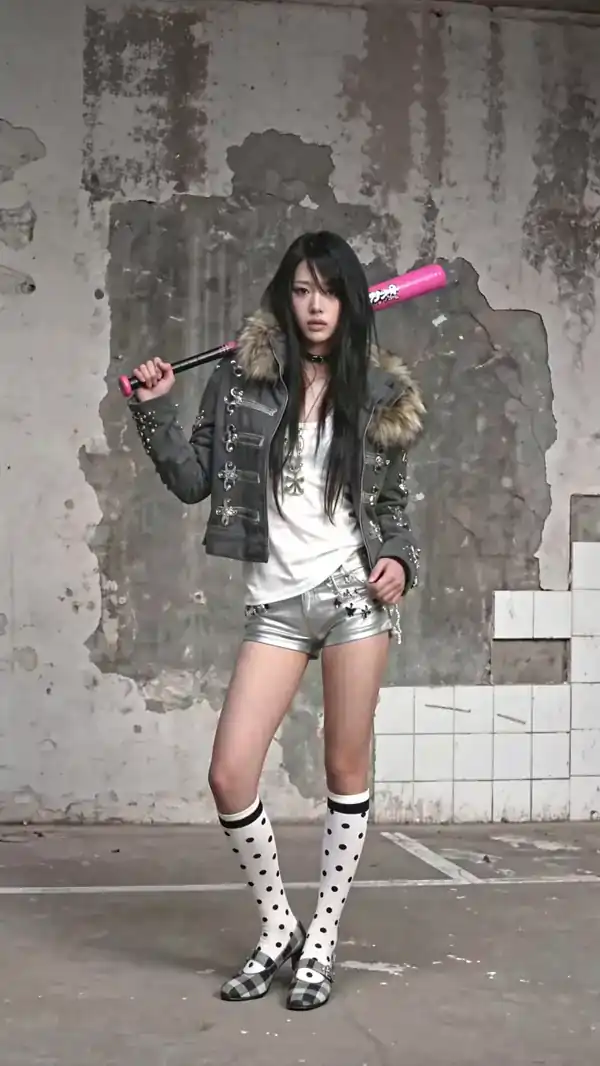
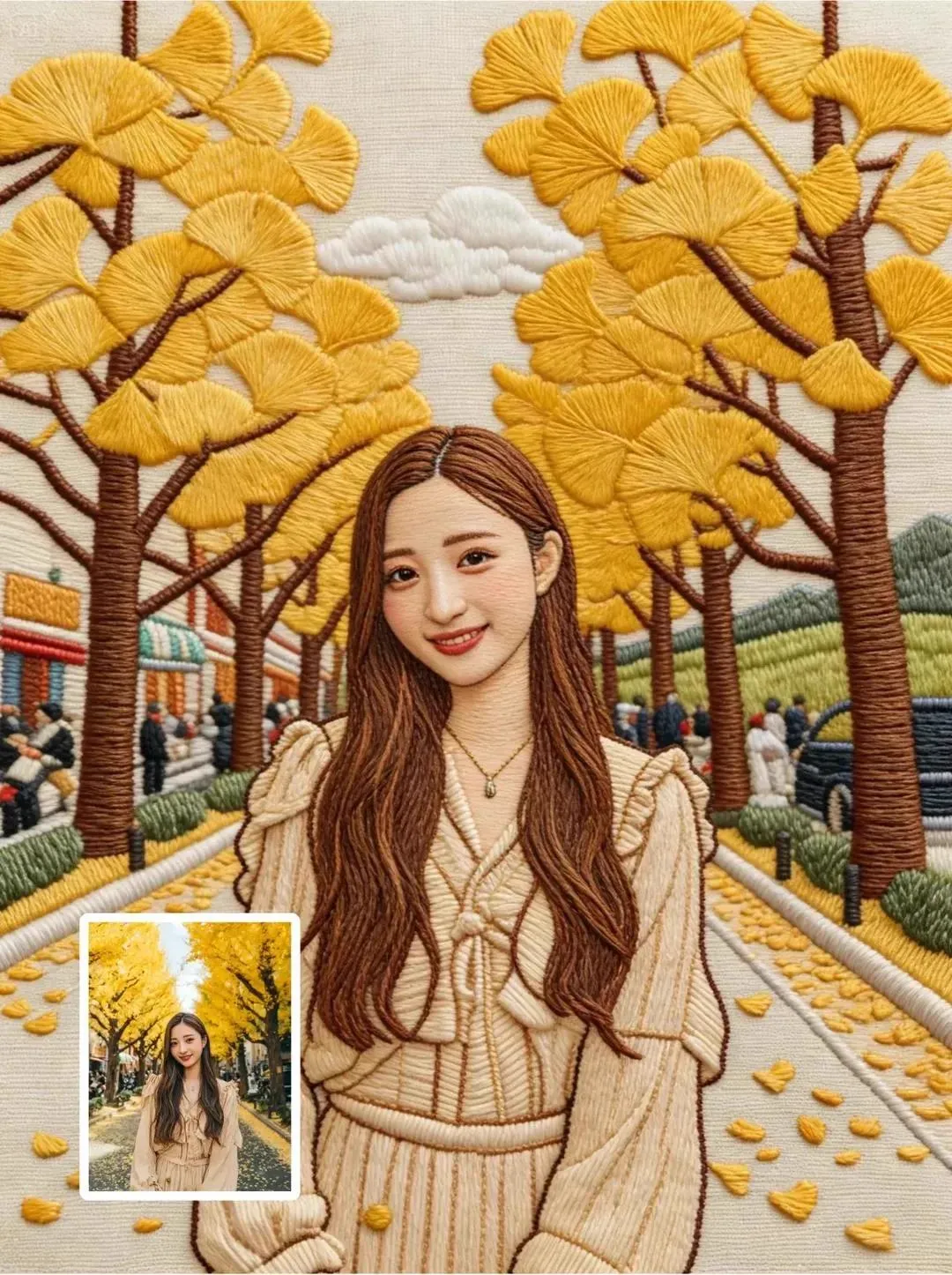
The world of content production is going through an unprecedented revolution, and AI video generation sits at its center. The ability to turn text into video is no longer science fiction; it is a working tool for creators, marketers, and educators. If you are new to this, the single most valuable skill you can learn is how to write a good prompt script.
This guide explains what a prompt script is, how it works, and how to write one that produces the results you want. By the end, you will understand the structure, the language, and the practical techniques used to create professional-looking AI video content.
What is a prompt script?
A prompt script is a set of detailed, structured instructions given to an AI video model so it can perform a specific creative task. It is your way of communicating your vision to the machine. Just as a director gives instructions to a film crew, you give clear directions to the model.
The script typically describes what is happening, who is in the scene, where it takes place, how the camera moves, and what mood or style you want. The more specific and structured these instructions are, the easier it is for the model to produce something close to what you imagined.
A prompt script is not the same as a one-line description. A good script reads like a mini production brief, covering the essential elements of a scene with enough detail to guide intelligent generation.
Why prompt scripts matter for beginners
When you are starting out, it is tempting to type a vague sentence and hope for the best. The problem is that vague instructions produce unpredictable results. Learning to write structured prompt scripts gives you control.
Good prompt scripts are the difference between content that looks random and content that looks intentional. They help you achieve consistent characters, believable lighting, and coherent scenes. They also save you time, because a well-written script generates fewer failed attempts.
For beginners, the process of learning prompt scripts is also the process of learning how AI thinks. Once you understand what the model responds to, everything else becomes easier, including choosing models and troubleshooting problems.
The core structure of a prompt script
Every effective prompt script covers a few essential elements. Thinking about these components helps you write systematically rather than stream of thought.
Subject
Describe who or what is at the center of the scene. Be specific about appearance, clothing, and action.
Action
Explain what the subject is doing. Motion and behavior are what turn a still idea into a compelling video.
Setting
Describe the location and environment. Background and context ground the scene and set the mood.
Lighting and atmosphere
Describe the quality of light and the overall feel. This has an enormous impact on the visual result.
Camera and composition
Specify the shot size, angle, and camera movement. These choices shape how the audience sees the scene.
Style and references
Specify the artistic style or refer to a visual reference to keep results consistent with your vision.
Writing each of these components clearly makes your instruction close to a professional production brief.
Developing a subject and action focus
One of the most common beginner mistakes is focusing on description while neglecting action. A video is a moving medium, and what the subject is doing matters as much as how it looks.
To write subject and action well, think in terms of a short scene. Ask yourself what the viewer should see happen. Is the subject walking into the frame, turning to look, reaching for an object, or reacting to something? Describe the motion clearly and naturally.
You can also describe the direction and pace of movement. A slow, deliberate movement feels very different from a fast, energetic one. Including these details gives the model more to work with and makes your result feel less generic.
Balance the level of detail. Give enough to guide the model, but avoid overloading it with contradictions. Clarity and focus produce better results than a long, tangled description.
Controlling the camera
Camera language is one of the most powerful tools in your prompt script. It directly shapes how the scene is perceived. Even as a beginner, you can use a few simple terms to dramatic effect.
A close-up focuses attention on a face or object and creates intimacy. A wide shot establishes a location and shows scale. A medium shot is a natural, conversational framing commonly used for people.
Camera movement adds another layer. A slow push-in builds tension or emphasis. A pan across a scene reveals information. A tracking shot follows a subject. Combining shot size with movement lets you direct exactly what the audience sees and how they feel about it.
You do not need a film degree to use these. A little vocabulary goes a long way in making your prompts feel professional. Describe the shot you want and the feeling you are going for.
Controlling light and atmosphere
Lighting is often underestimated, but it is central to how a scene looks and feels. Bright, even light suggests clarity and energy. Soft, diffuse light creates a gentle and calm mood. Dramatic, directional light produces tension and depth.
When you write your prompt, describe the lighting you want. You might specify golden hour sunshine, cool moonlight, harsh studio light, or soft overcast glow. The quality of light changes everything about the atmosphere.
Mood descriptors, like cinematic, moody, or cheerful, help set the emotional tone. Combine lighting with the subject's actions so the atmosphere supports the story rather than fighting it. Clear atmosphere guidance makes your results feel intentional and polished.
Artistic style and model references
Every AI video model has a certain look, but you can guide the style with your prompt. If you want a photorealistic feel, say so. If you want an animated, painterly, or stylized look, describe it.
Using model references is another powerful technique. Some tools let you feed a reference image to anchor the style, colors, and composition. This is invaluable for keeping a project consistent, especially when you want multiple clips to share the same look.
When you add references, keep them aligned with the prompt. A reference that conflicts with a style description will confuse the model. Align your words and your images for the best result. This combination gives you control that a purely text-based approach cannot match.
Choosing a model and planning for consistency
Different models suit different tasks. Some are stronger for realism, others for animation, and others for specific cinematic styles. Knowing this helps you pick the right tool for each project, rather than fighting against a model's weaknesses.
Consistency is the goal for any project with multiple clips or scenes. To achieve it, use the same references, style descriptions, and character details across all your prompts. This anchors the identity and keeps the whole project cohesive.
There is a trade-off between quality and cost depending on the model you choose. For exploration and drafts, a fast, economical model is efficient. For hero shots and final assets, a premium model may be worth the extra investment. Mixing them keeps your workflow fast and effective.
A step-by-step workflow for beginners
1. Define your goal
Write a one-sentence description of the video you want to create. This is your north star.
2. Draft the scene
Write the subject, action, setting, lighting, and camera for the first shot. Keep it simple.
3. Generate a first version
Use your draft to produce a rough result. Do not expect perfection yet.
4. Evaluate and refine
Look at what worked and what did not. Adjust the prompt to fix the weak points.
5. Maintain consistency
For multiple clips, reuse your references and style details so everything matches.
6. Build your library
Save prompts that worked. Over time, you build a personal toolkit for future projects.
Common mistakes and how to avoid them
Being too vague
A short, generic sentence produces generic results. Add structure and specific details.
Overloading the prompt
Too many conflicting instructions confuse the model. Keep it focused and consistent.
Ignoring motion
Describing a still image instead of a scene. Include what is happening and how the camera moves.
Skipping references
Failing to anchor style and characters. Use references for consistency across clips.
Quitting after the first try
The first generation is never the last. Refining and iterating is part of the process.
Building a library of reusable prompt templates
One of the smartest habits a beginner can develop is keeping a library of prompt templates. Instead of starting from scratch every time, you adapt something that already works.
Create templates for common scene types you reuse. A product reveal, a character intro, a location establishing shot, or a mood establishing sequence can each have a template you fill in with new details each time.
Structure each template around the core elements you already use: subject, action, setting, lighting, camera, and style. Keep the stable parts fixed and leave blank fields for what changes. This saves time and keeps quality consistent.
As you refine templates, log what produced great results. Note the model, the references, and the phrasing. Over time, your library becomes a personal toolkit that gets faster and more reliable with every project you complete.
Understanding model behavior and limitations
Writing good prompts also means knowing what models can and cannot do. Every model has quirks, and understanding them prevents frustration.
Some models are better at realistic faces, others at stylized scenes, others at fast motion. Spend time with a few models to learn their strengths. When you know what a model struggles with, you can work around it by adjusting your prompt or switching models.
Be aware that more words are not always better. Very long prompts can introduce contradictions and dilute the instruction. Aim for concise, focused scripts that clearly communicate the essential elements, and expand only where the task truly requires it.
Also expect variation between generations. Slight differences in result are normal even with identical prompts. Do not treat this as failure; treat it as material to select from and refine. The craft is in choosing and steering, not in expecting a single perfect output.
Going from a single shot to a full scene
A single prompt produces a single shot, but real content needs scenes. Learning to chain shots together makes your videos feel complete and intentional.
Plan a scene as a sequence of shots with a clear beginning, middle, and end. The establishing shot sets the location, a medium shot frames the action, and a close-up emphasizes the emotional moment. Writing prompts for each shot with consistent references keeps the sequence cohesive.
This is where your library and templates pay off. Reusing the same character, setting, and style details across the shots of a scene ties them together. The transitions become meaningful, and the whole feels like more than a random collection of clips.
For beginners, it is enough to keep this simple and work scene by scene. Build from small sequences up to longer pieces as your comfort grows. The skill of planning multi-shot scenes is what moves you from making clips to making videos.
Frequently asked questions
How long should a prompt script be?
Long enough to be specific, short enough to stay clear. Focus on the essential elements rather than raw length.
Can I write prompt scripts in my own language?
Most modern tools understand multiple languages, but English often produces the most reliable results. If you plan to publish globally, English prompts are a safe choice.
Do I need artistic or filmmaking training?
No. A little basic vocabulary, attention to detail, and practice are enough to produce professional-looking results.
How do I keep characters consistent across a scene?
Use the same references, character descriptions, and style details in every prompt within the project.
Conclusion
Writing AI video prompt scripts is a valuable and learnable skill for any beginner. By structuring your instructions around subject, action, setting, lighting, camera, and style, you take control of the generation process and produce content that matches your vision.
Start with a simple scene, refine it through iteration, and build a library of prompts that work. As you gain confidence, you can expand to more complex projects and experiment with models and references. The skill compounds: every project teaches you something new.
The journey from a blank page to a finished AI video is closer than you think. Clear prompts, a little practice, and a willingness to iterate will take you there. Your first great scene is just a well-written prompt away.
