
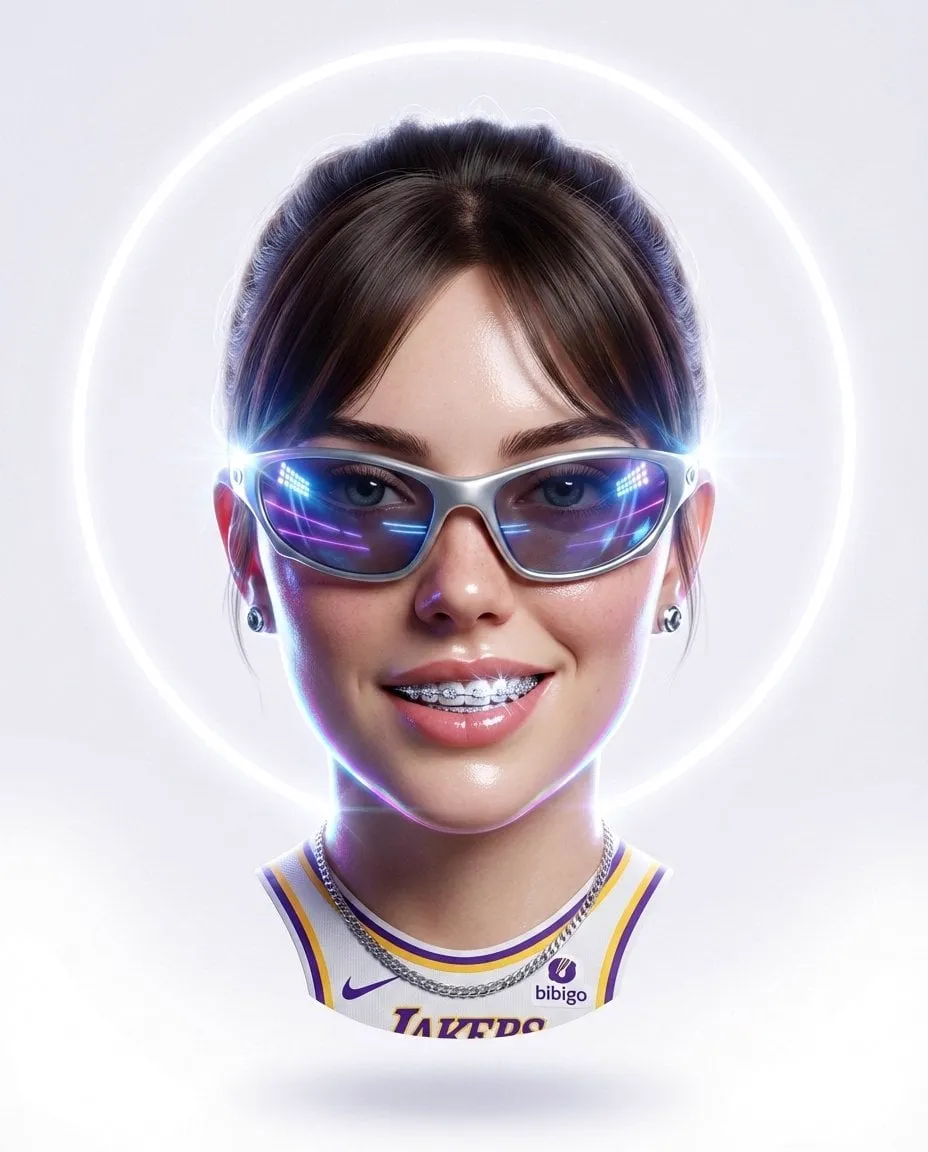
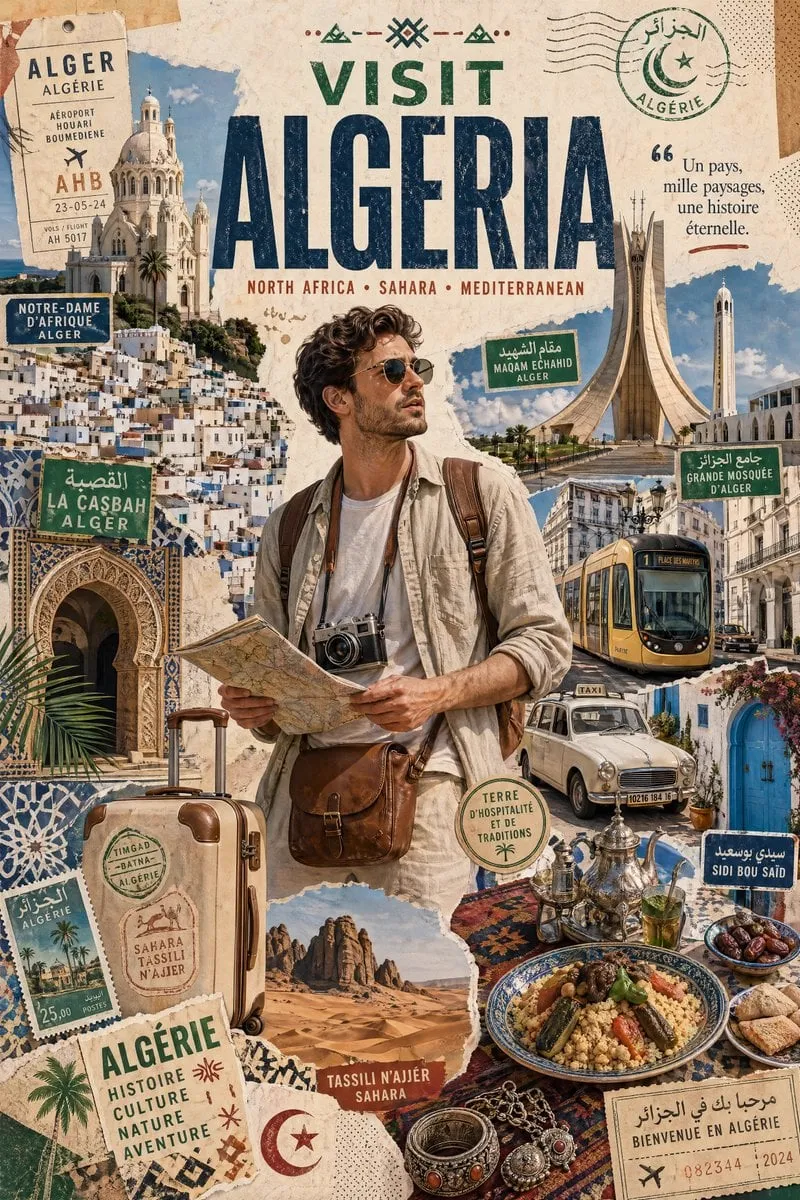
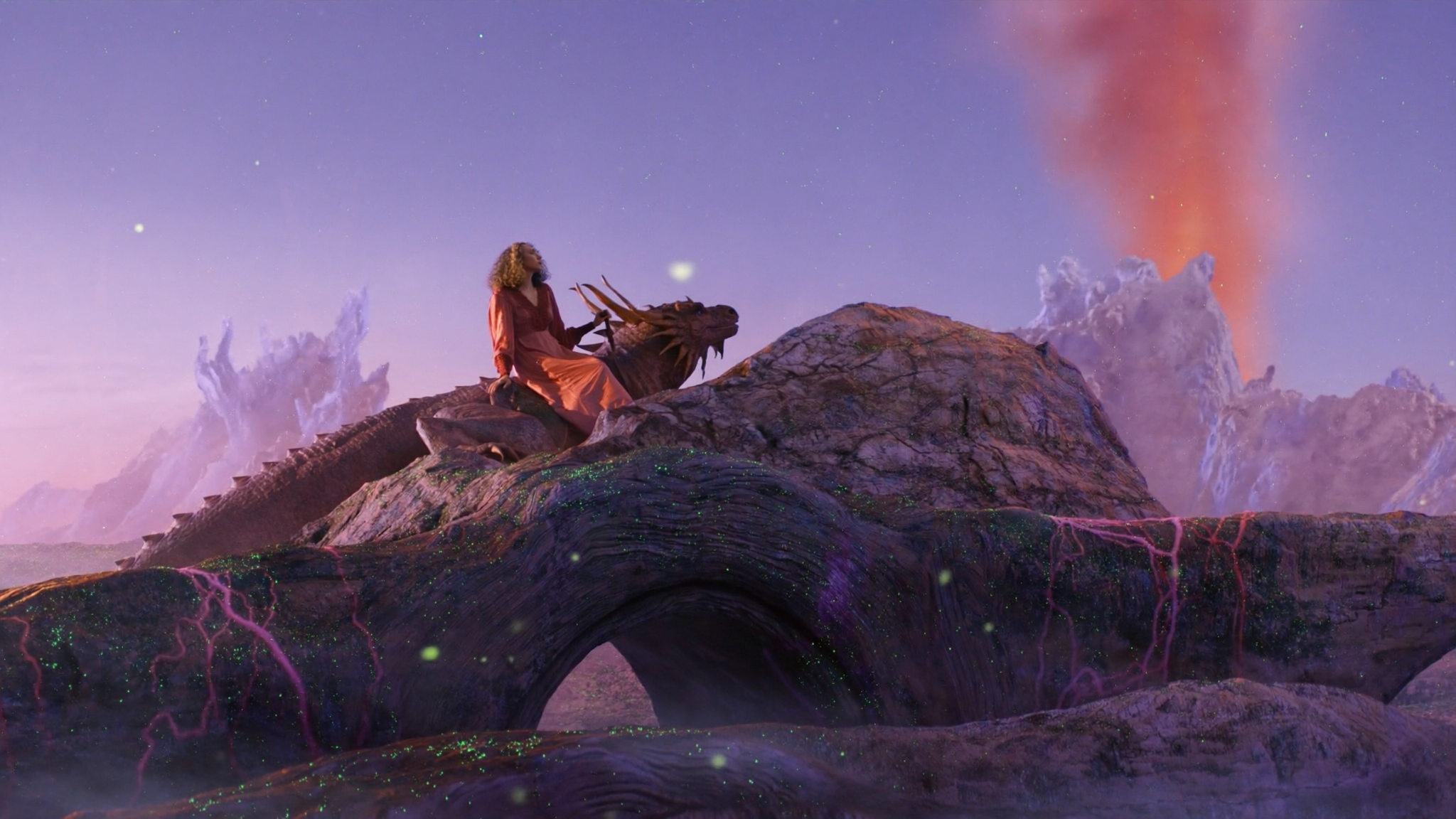
Why Prompt Structure Decides Video Quality
Most people who try AI video generation for the first time describe the same experience: the first clip looks amazing, the second clip looks completely different, and by the tenth clip the character has changed clothes, hairstyle, and sometimes species. The tool is not broken. The prompt is.
Text-to-video models are literal interpreters. They do not infer your intentions, taste, or the style sheet you have in your head. They execute what you write, and when what you write is a loose sentence, they fill the gaps with their own assumptions. That is why the same idea can produce wildly different results across runs: the missing details are being invented on the fly.
Prompt structure is the discipline of removing those gaps. A structured prompt tells the model who is in the frame, what they are doing, how the camera behaves, what the light looks like, which visual style applies, and what to avoid. When every one of those dimensions is explicit, the model stops guessing and starts executing. This guide walks through the anatomy of a strong AI video prompt, explains how to keep characters and scenes consistent across multiple shots, and gives you templates you can adapt immediately.
The Building Blocks of a Strong AI Video Prompt
A useful way to think about an AI video prompt is as a stack of layers. Each layer answers one question about the shot, and a well-structured prompt answers all of them before the model starts generating.
Subject Definition
The first layer identifies what is actually in the frame. Be specific: "a young woman in a red raincoat" is a start, but "a 28-year-old woman with short black hair, wearing a knee-length red raincoat, holding a black umbrella" is a usable instruction. Physical appearance, clothing, props, and distinguishing details all belong here.
For character-driven projects, the subject definition should be identical across every prompt in the series. Copy the same description block into every shot, or better, use reference images so the model can lock onto the visual identity directly.
Action and Movement
The second layer describes what happens. Avoid vague verbs like "walking" when you can say "walking slowly across a wet street, turning her head toward the camera, rain bouncing off her umbrella." Movement quality matters: fast versus slow, smooth versus jerky, one continuous motion versus a sequence of motions.
Camera Language
This is the layer most beginners skip, and it is often the difference between an amateur clip and a cinematic one. Specify the shot type (close-up, medium shot, wide shot), the camera movement (static, dolly in, pan left, handheld, aerial), and the angle (eye level, low angle, top-down). A prompt that says "close-up, slow dolly-in, eye level" gives the model a camera plan instead of a default.
Lighting and Atmosphere
Light is mood. Say "golden hour, soft backlight, long shadows" or "neon-lit alley at night, wet reflections, high contrast" and the model will produce a completely different frame than "bright daylight." If the scene has a time of day, a weather condition, or a color palette, put it in this layer.
Style and Medium
Should the result look like live action, 3D animation, claymation, watercolor, or pixel art? State the medium explicitly, then add style qualifiers such as "cinematic, film grain, anamorphic, documentary realism." Style words are cheap to write and dramatically change output, so use them deliberately.
Negative Constraints
Many tools support negative prompts, and even when they do not, you can phrase exclusions in the prompt itself: "no text, no watermark, no extra people in the background, no blur on the face." Constraints reduce the model's freedom to improvise, which is exactly what you want in production work.
Writing Prompts That Survive Long Videos: Consistency First
Single shots are easy. Series are hard. If you are producing a multi-scene video, a multi-episode series, or a brand campaign, the single most important thing you can do is treat consistency as a first-class requirement of the prompt system.
The practical workflow is to build a character sheet and a scene sheet before writing any shot prompts. The character sheet records appearance, outfit, props, and mannerisms in a reusable text block. The scene sheet records location, time of day, lighting, and color palette. Every shot prompt then imports the relevant blocks from these sheets instead of describing the character from scratch.
Reference images take this further. Upload a portrait and a full-body shot of the character, then reference them in each prompt. Combined with a stable text description, image references dramatically reduce drift between shots. The same technique applies to scenes: keep one or two reference frames for the location and restate the lighting conditions in every prompt.
Another consistency trick is to fix the camera vocabulary. Decide that the series uses mostly medium shots with slow pans and eye-level angles, then reuse those exact phrases. The model will slowly associate those phrases with the visual identity of the project, and the shots will feel like they belong to the same production.
Model Dialects: Adapting Prompts to Different Engines
Every video model has its own dialect. Some respond well to long, detailed prose; others perform better with structured, comma-separated keyword lists. Some understand cinematic terminology reliably; others need plain language. Before you build a large prompt library, run a small calibration test on each model you plan to use.
For photorealistic models, describe physics and light honestly: "water droplets hitting the ground, shallow depth of field, realistic skin texture." For stylized models, lean into the style vocabulary: "hand-drawn animation, bold outlines, flat colors, squash-and-stretch motion." For models that handle reference images well, put the reference first and use the text to describe motion and camera rather than re-describing the character.
Keep a per-model notebook: one line for what worked, one line for what failed, and one line for the model's preferred format. After a few projects, you will have a practical style guide for each engine.
A Practical Prompt Template You Can Copy
Here is a repeatable template that covers all the layers discussed above:
[Subject]: [age, appearance, clothing, props, distinguishing features]
[Action]: [what happens, quality and speed of movement, sequence of motions]
[Camera]: [shot type], [camera movement], [angle]
[Lighting]: [time of day, light source, mood, shadows]
[Style]: [medium, visual style, film references, color palette]
[Constraints]: [what to avoid, negative instructions]
A filled example:
Subject: a young woman with short black hair, red raincoat, black umbrella, carrying a leather satchel
Action: walking slowly across a rainy street, pausing, turning her head toward the camera, umbrella tilted against the wind
Camera: medium shot, slow dolly-in, eye level
Lighting: overcast dusk, soft ambient light, wet street reflections, muted color palette
Style: cinematic, realistic, subtle film grain, documentary feel
Constraints: no text, no watermark, no other people in frame, face stays sharp
This structure is deliberately boring. That is the point. When the structure is fixed, you only change the values, and the output stays predictable.
Controlling Pacing and Length
Prompt structure also controls rhythm. A fast-cut action sequence needs short, kinetic verbs and camera language that emphasizes motion: "quick whip pan, fast tracking shot, rapid subject movement." A contemplative scene needs slow language: "slow push-in, gentle camera drift, subtle motion."
Most models generate clips of a few seconds, and the pacing inside those seconds is heavily influenced by the verbs you choose. If your edit needs a pause, describe it: "subject holds still, slight breath, slow blink." If it needs energy, describe speed explicitly rather than hoping the model adds it.
For longer projects, break the story into shots and assign each shot a pacing tag (fast, medium, slow) in your shot list. Generate, review, and re-generate until the tagged pacing actually shows up in the footage. This is the closest thing AI video has to a director's instinct, and it is entirely learned.
Common Mistakes and How to Fix Them
Writing the whole scene as one paragraph. Long, unstructured paragraphs make the model weigh every clause equally. Break the prompt into labeled sections so the camera and the action are not fighting for attention.
Describing the character differently in each shot. A "woman in a red coat" in shot one and a "girl with a red jacket" in shot two is a different character to the model. Reuse the exact same subject block.
Ignoring camera language. If you never mention the camera, you get the model's default, which is usually a flat medium shot. Cinematic output requires explicit camera instructions.
Overloading the prompt. A prompt with thirty style adjectives produces mush. Pick three or four style words that matter and commit to them.
Skipping negative constraints. Unless you say "no text," you will sometimes get gibberish text painted onto surfaces. State the constraints every time.
Building a Shot-by-Shot Prompt System
Single prompts are easy to write and easy to forget. Production work needs a prompt system — a structured way to plan, store, and reuse prompts across a project. The simplest version that works in practice is a shot list spreadsheet with one row per shot and one column per prompt layer:
- Shot ID and description
- Subject block (imported, not rewritten)
- Action line
- Camera line
- Lighting line
- Style line
- Constraints line
- Status (draft, generated, approved, rejected)
The discipline that makes this work is the rule of the imported subject block: the subject description is written once, in a shared sheet, and pasted into every shot that features that character. When the character sheet changes — new outfit, new prop — the update propagates by updating the shared block and regenerating the affected shots. This is how small teams keep ten episodes of a series visually coherent without a dedicated VFX department.
From Prompt to Storyboard: A Worked Example
To see the system in action, consider a thirty-second brand spot for a coffee brand, told in four shots. The character sheet is fixed: a barista with a green apron, dark hair tied back, round glasses, working behind a wooden counter. The scene sheet is fixed: a small café in the late morning, warm window light, muted earth tones.
Shot one: wide shot, slow dolly forward. The subject block is imported as-is, the action says "pouring milk into a cup, steam rising, customers blurred in the background," the camera says "wide shot, slow dolly-in, eye level," the lighting says "soft window light, warm tones," and the constraints say "no text, no watermark, keep the apron color consistent."
Shot two: close-up on hands, overhead angle. The subject block stays identical, the action focuses on the pour, the camera switches to "close-up, top-down, shallow depth of field," and the lighting stays warm.
Shot three: medium shot, profile angle, the barista hands the cup across the counter. Same subject block, new action and camera.
Shot four: wide shot of the café, slow push-out, the character stands behind the counter looking at the camera. Same subject block, same lighting vocabulary, new camera move.
The shots look like a single production not because the model is talented, but because four of the six prompt layers never changed. Only action and camera moved. That is the entire trick.
Using an LLM to Write Your Prompts
You do not have to hand-write every layer of every prompt. A capable language model can convert a narrative outline into a structured prompt system. Give it the character sheet, the scene sheet, the camera vocabulary, and a one-line description of each shot, and ask it to produce the full prompt blocks in your template format.
The workflow becomes: you make the creative decisions, the language model does the formatting, and the video model does the rendering. Review the generated prompts before running them — the language model occasionally invents details that contradict your sheet. But as a formatting engine, it will save you hours per project.
FAQ
How long should an AI video prompt be?
Long enough to cover subject, action, camera, lighting, style, and constraints — usually 40 to 80 words. Longer is not automatically better; coverage matters more than length.
Do I need reference images?
For single experimental clips, no. For anything with a character, a brand, or a series, yes. Reference images are the most reliable consistency tool available.
Can I reuse prompts across different models?
You can, but results will vary. Calibrate the prompt for each model's dialect and keep per-model notes.
Why does the same prompt give different results?
AI generation is stochastic. The same prompt will never produce identical frames. What structure buys you is consistency of style and identity, not frame-perfect repetition.
What is the fastest way to improve my outputs?
Fix your subject block and your camera vocabulary first. Those two changes produce the largest visible jump in quality for most beginners.
