
There is a moment every AI video creator knows: the model produces something close to what you imagined, but not quite. The camera moves wrong, the character's face shifts, the mood is off. Beginners respond by typing the same prompt again and hoping. Experienced creators respond by debugging — because prompt engineering for video has become a systematic discipline. This guide collects the techniques that separate consistent, professional output from lucky accidents, and it explains what to do when the output drifts.
Why prompt quality determines output quality
Text-to-video models have improved enormously, but they are still literal interpreters. They do not infer your unspoken intentions. Every unspecified element — the camera angle, the lighting, the pace of motion — defaults to the model's average guess, and averages produce forgettable footage. The prompt is the entire control surface: everything you do not say is a choice made for you.
Treat the prompt as a creative brief rather than a wish. A brief names the subject, the environment, the style, and the technical execution. It prioritizes what matters and stays silent about what does not. The discipline of writing good prompts is the discipline of deciding what the video is actually about — which is exactly the job of a director.
Clarity and detail: steering the model precisely
The first rule is to replace abstractions with specifics. "A dramatic scene" tells the model nothing useful. "A lone figure walking through a foggy city street at dawn, cold blue light, wet asphalt reflecting the street lamps, camera following slowly from behind" gives it a complete picture. Detail is not the same as length — a focused prompt with the right details outperforms a long one full of noise.
Name the concrete elements of the scene: the time of day, the weather, the key objects, the relationship between the subject and the environment. Describe the emotional tone through visual language: "harsh shadows and sharp contrast" instead of "dark mood," "soft golden light and gentle haze" instead of "warm feeling." The model was trained on descriptions of images; give it descriptions, not interpretations.
When the output misses, reread your own prompt before blaming the model. The most common cause of a wrong result is a prompt that was vague about the element that matters most. Make the decisive element explicit, and regenerate.
Camera and cinematography prompting
Camera language is the most powerful tool in the video prompt toolkit, and the most underused. In still images, composition is fixed; in video, the camera is the storyteller. A slow push-in creates intimacy, a dolly out reveals context, a handheld shot creates urgency, a static wide shot creates distance and calm. Name the move, and the model will execute it.
Be precise about the grammar of filmmaking. Specify the shot size: close-up, medium, wide, extreme wide. Specify the angle: eye level, low angle, high angle, Dutch angle. Specify the lens feel: wide-angle distortion, 50mm natural perspective, telephoto compression. Each choice changes the meaning of the frame, and the model understands these terms because they appear throughout its training data.
For complex sequences, think in shots rather than scenes. Plan the camera move per shot, decide how each shot connects to the next, and use keyframe control to make the transitions land. A video built from intentional shots reads as directed; a video built from one long prompt reads as generated.
Character and style consistency techniques
Consistency is the problem that separates hobbyists from professionals. The techniques are now well established. Create a character reference sheet — one clean image of the character with consistent costume and lighting — and use it as the anchor for every shot. Build a style bible for the project: the palette, the light direction, the lens language, the texture vocabulary. Every prompt in the project should reference the same visual grammar.
Then use the tools that enforce consistency: reference image fusion to preserve the character across scenes, and keyframe control to match the end of one shot to the start of the next. Document your character's signature features in the prompt as well — hair color, wardrobe, distinguishing marks — so the model has both visual and textual anchors.
The investment is small and the payoff is enormous. A consistent series builds audience trust; inconsistent output destroys it. Audiences may not name the problem, but they feel it immediately.
Using a director agent for structural guidance
The newest layer of the toolkit is the director agent: an AI layer that does not just render a clip but plans the sequence. You describe the concept; the agent proposes the shot breakdown, suggests composition, chooses the appropriate model per scene, and manages the generation order. You review, adjust, and approve.
Think of the agent as a first assistant director. It removes the administrative overhead of production — the part that consumes hours — while leaving the creative decisions with you. It is especially valuable for multi-scene projects where keeping the plan coherent is half the battle.
The practical workflow: describe the full sequence up front, let the agent prepare the shots, review each output against your style bible, and regenerate only the shots that miss. The structure keeps the project coherent, and the review keeps the quality human.
Model-specific prompt optimization
Different models have different personalities, and prompt optimization is not one-size-fits-all. Photorealistic engines reward detailed descriptions of light, materials, and lens behavior — the more you speak the language of real cinematography, the better they respond. Motion-focused engines reward explicit camera moves and action verbs; they shine when you describe the dynamics of the scene. Fast engines reward simplicity; they are for exploration, not final renders.
Keep a per-model prompt log. When a prompt works well on one engine, note it and adapt it for others. Over time you build a personal playbook: which engine for realism, which for motion, which for speed, and how to phrase the same concept for each. This playbook is your competitive advantage — it cannot be copied by downloading a tool.
Multimodal references: consolidating your vision
Text is only one input channel. The strongest prompts combine text with reference images: a character photo, a location still, a product shot, a frame from a film whose look you admire. The reference anchors what words cannot fully describe, and the text directs what should change.
Consolidation is the skill: deciding which references matter for a given shot and how many to feed at once. Too few leaves the model guessing; too many dilutes the instructions and produces mush. The rule of thumb is to reference what must stay the same and to describe what may change. For a series, keep a small library of approved references and reuse them deliberately.
Brand identity and visual consistency
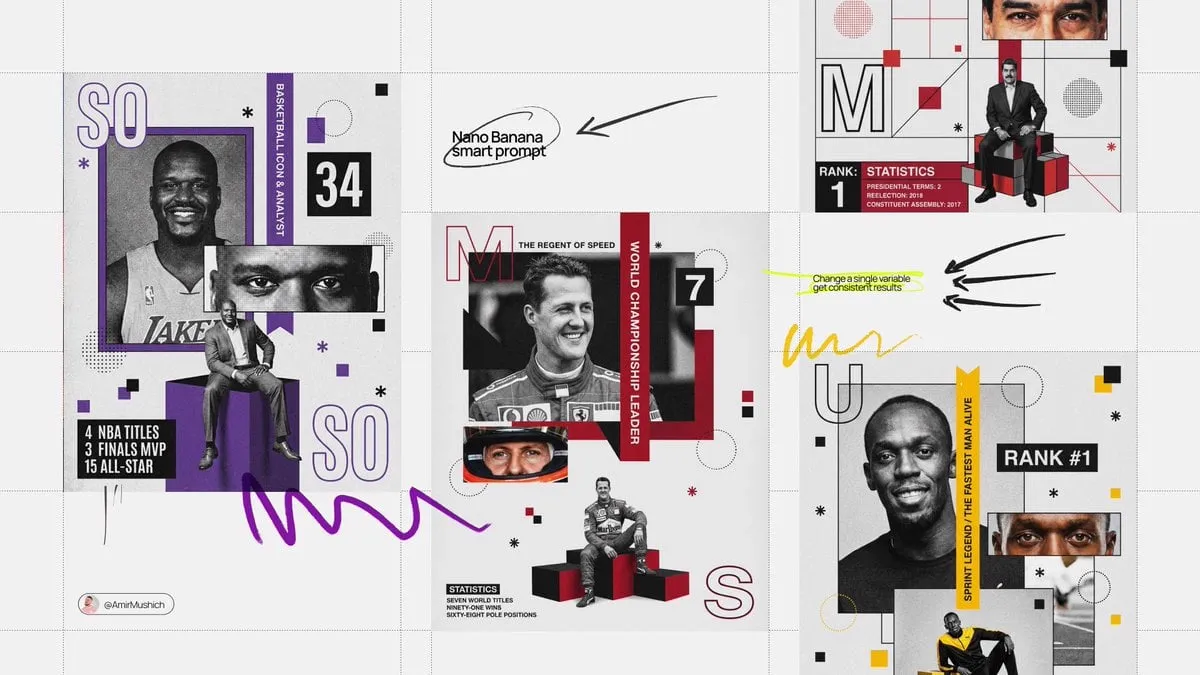
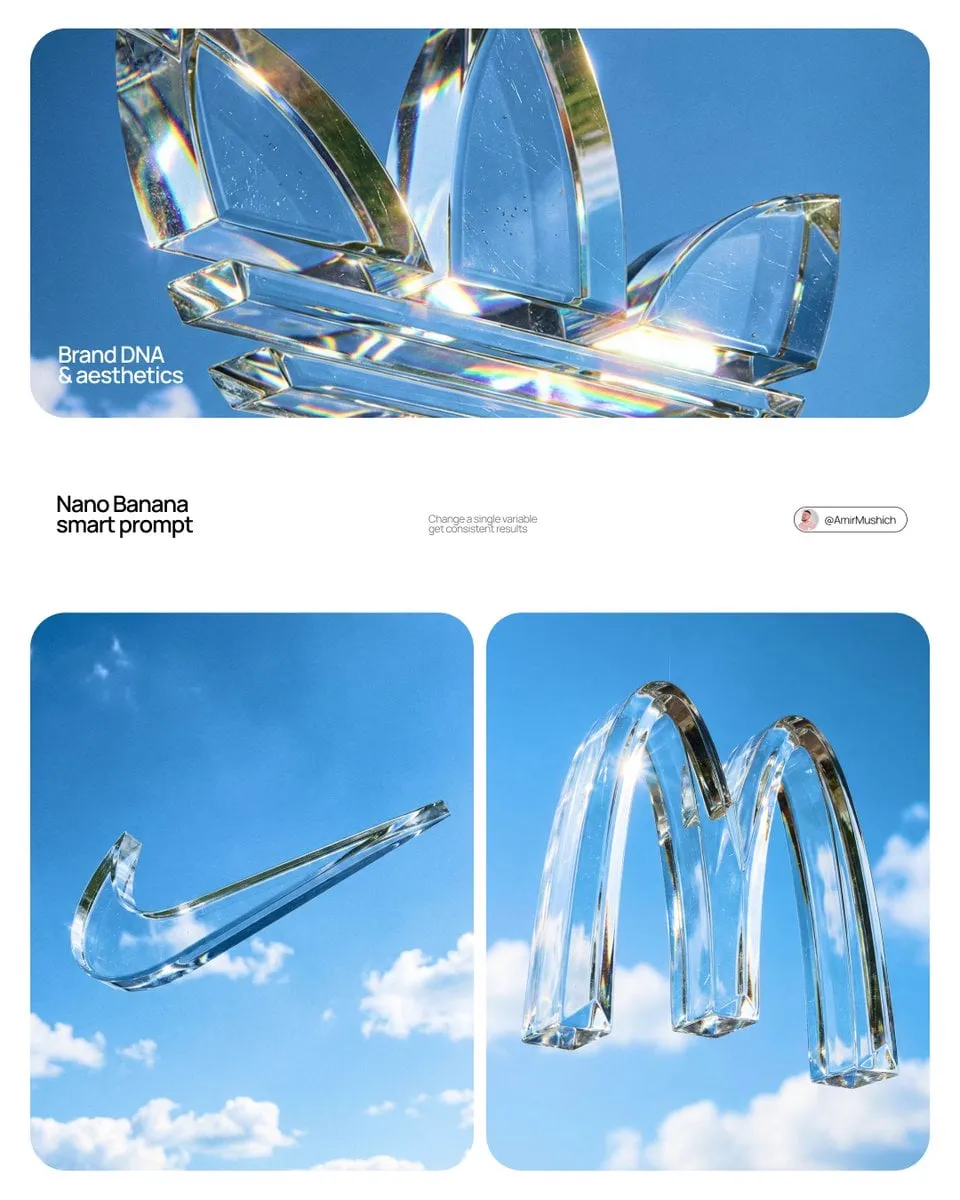
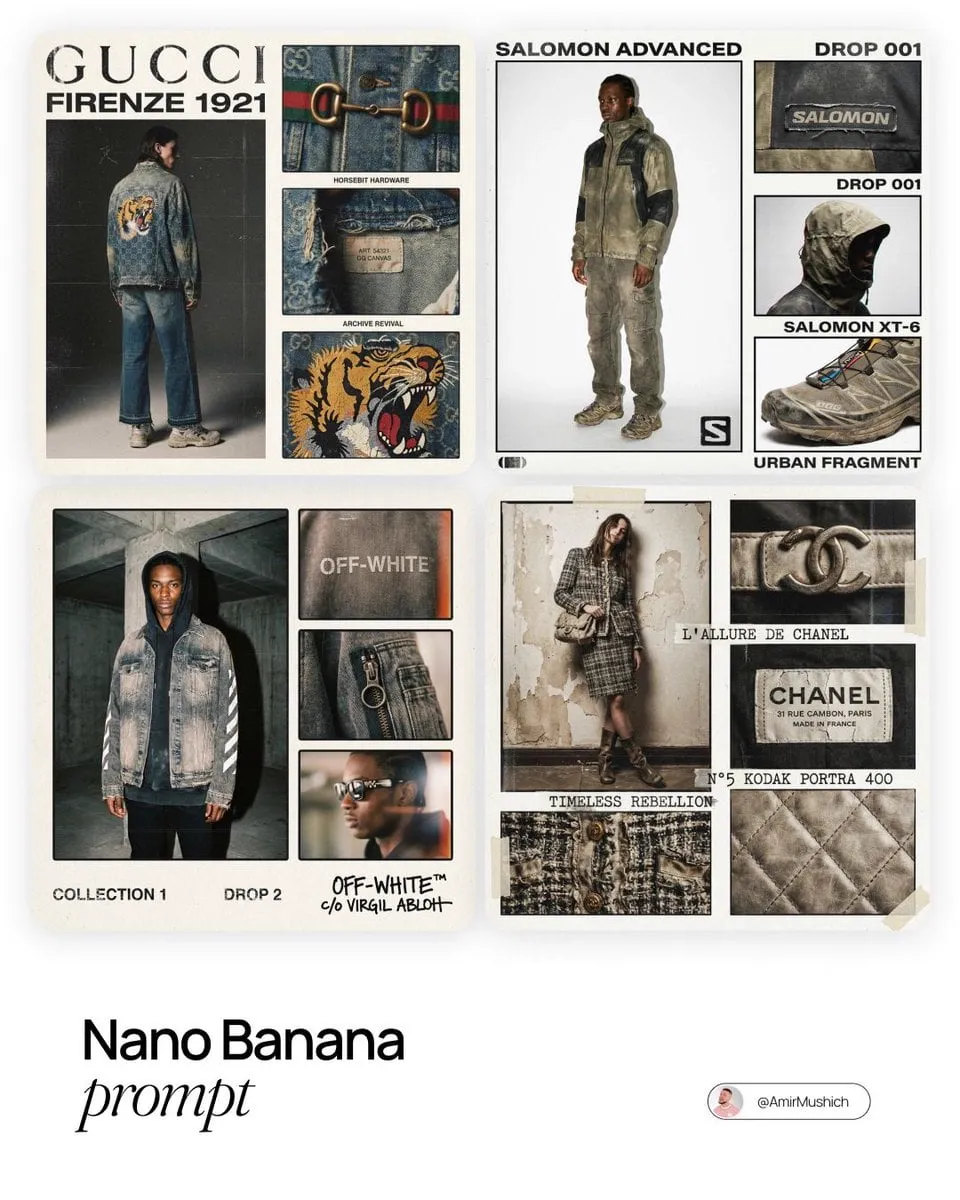
For creators and teams producing branded content, consistency is not just aesthetic — it is compliance. A brand's palette, typography mood, lighting style, and texture language should survive every generation. Encapsulate the brand identity into a reference system: a palette card, a style sheet, a few approved imagery examples. Every prompt in the campaign draws from the same system.
This turns brand management into a technical practice. When the brand evolves — a new seasonal palette, a refreshed logo treatment — update the system once, and all subsequent assets inherit the change. Agencies and in-house teams that work this way can scale content production without the brand drifting.
SEO alignment and content strategy
Prompt quality and content strategy are closer than they look. The videos that win are the ones that answer a clear intent: a question, a mood, a use case. Before prompting, decide the searchable angle — the topic, the audience, the value delivered. The prompt then serves that angle visually.
On-page context matters too: titles, descriptions, and captions should reflect what the video actually shows, and the visual should deliver on the promise of the title. Mismatched content hurts both engagement and discovery. Treat the video as a product of a brief that includes the audience's intent, not just the visual idea.
Troubleshooting: drift, artifacts, and inconsistency
When output drifts — the character changes, the palette shifts, the motion feels wrong — debug systematically. Change one variable at a time. If the character changed, check the reference image and its weight in the prompt. If the palette shifted, check the style keywords and the lighting description. If the motion is wrong, rewrite the camera instruction rather than the whole prompt.
For artifacts — warped hands, melting objects, flickering textures — simplify the scene. Reduce the number of interacting elements, shorten the shot, or change the camera distance. Models fail most on fast, complex interactions; plan shots that play to their strengths.
Keep a fix log. The problems you solve today are the ones you will prevent tomorrow, and the log becomes a personal troubleshooting manual that makes every future project faster.
Building your personal prompt library
The fastest way to improve is to stop treating prompts as disposable. Every prompt you write is a small asset; organized, they become a production system. Start a prompt library with three sections: concepts that work, prompts per model, and fixes for common failures. When a prompt produces something excellent, save it with a note about why it worked. When a fix solves a problem, log the before and after.
The library pays off in three ways. It removes the blank-page problem — for any new project you start from proven foundations instead of scratch. It makes collaboration possible, because the library is the shared language of your team or your future self. And it compounds: the more you log, the faster each new prompt comes together, and the less often you repeat mistakes.
Structure it simply. One folder per project or per client, one file per successful prompt with its parameters and a screenshot of the output. Update it weekly as part of your review ritual. The library is not documentation for its own sake; it is the memory of your taste, and taste is the asset that survives every tool upgrade.
A practical habit makes the library self-sustaining: review your own work once a week and force yourself to extract at least one reusable lesson. It can be a phrase that worked, a parameter setting that fixed a recurring problem, or a combination of references that produced a signature look. Write it down even when it feels obvious. The obvious lessons are exactly the ones you will forget in a month. Over a year, fifty small entries become a manual that no external course can match, because it is built from your own experiments in your own niche. That manual is what turns a talented beginner into a reliable professional.
Frequently asked questions
How much detail should a video prompt have? Enough to specify the subject, environment, style, and camera — typically two to five sentences. Detail should clarify the decisive elements, not pad the text.
Why does my character change between shots? Almost always because the model has no anchor. Use a character reference sheet on every shot and mention signature features in the prompt.
How do I make motion feel intentional? Name the camera move explicitly and describe the subject's action with direction and speed. "The camera tracks left as the runner crosses the frame" beats "a running scene."
Can I reuse prompts across models? Yes, with adaptation. The concept translates; the phrasing needs tuning per engine. Keep a per-model log of what works.
What is the fastest way to improve? Review your failures. Every bad output is a prompt that was vague about something that mattered. Fix the vague element, regenerate, and note the pattern.
Prompting for AI video is a craft with clear rules, and the rules compound. Clarity, camera language, references, and consistency systems are the same skills used by real directors — now available to anyone willing to practice. Build your playbook, debug with discipline, and the gap between intention and output will shrink with every project.
