
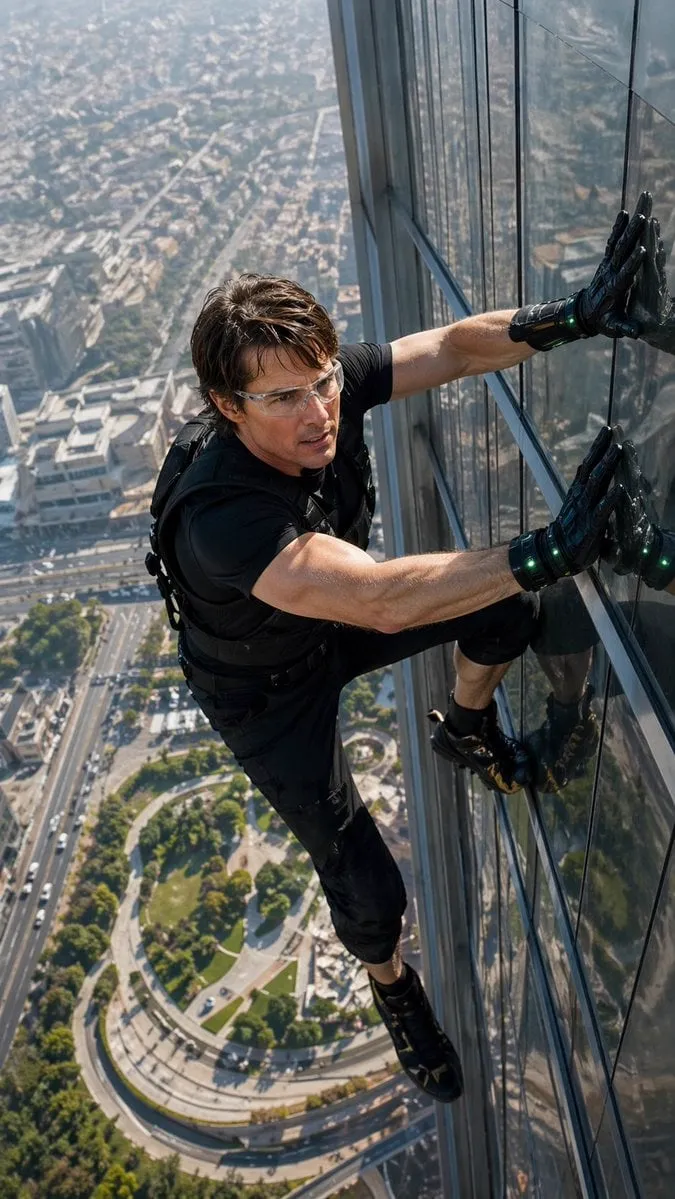

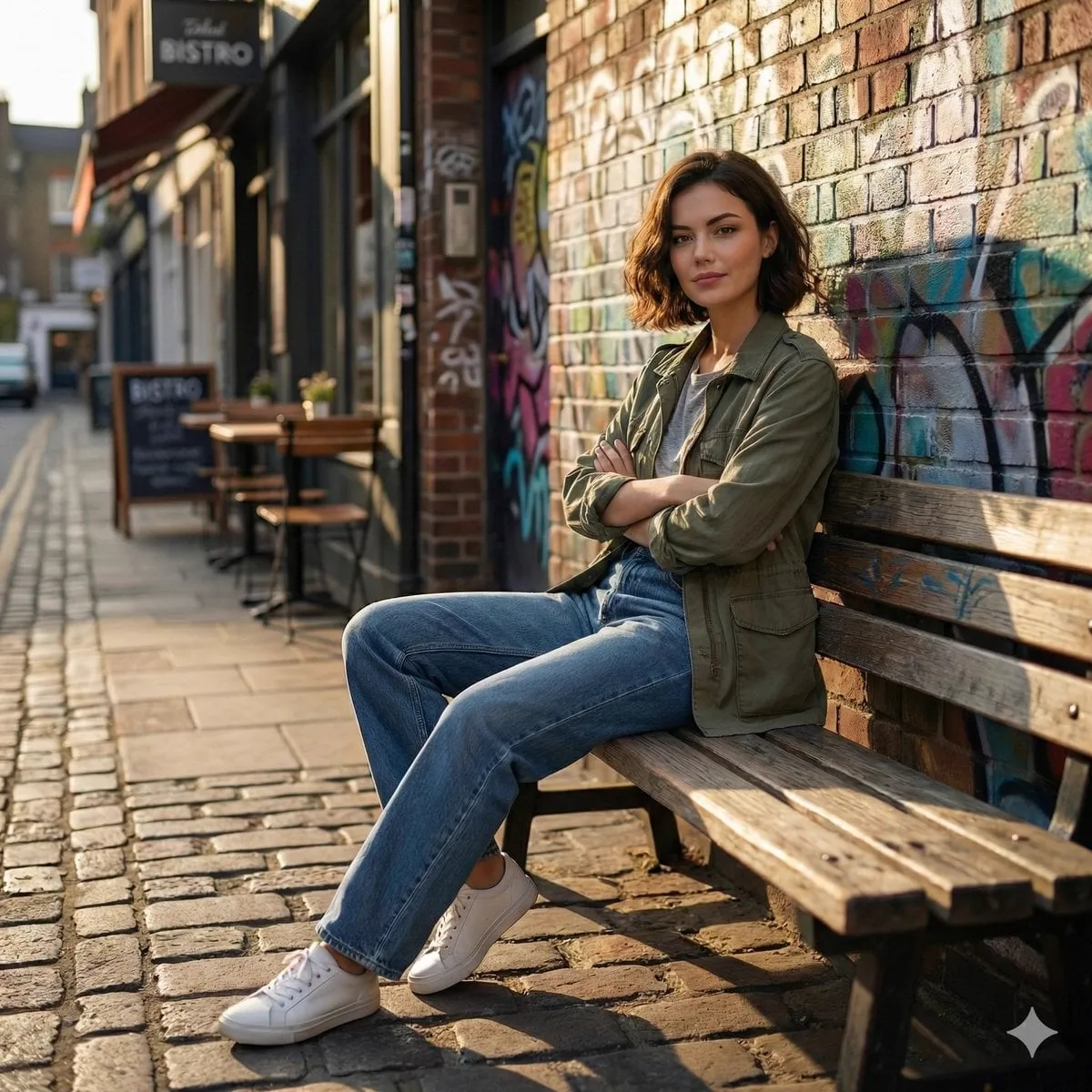
Introduction: The AI video market stopped being a two-horse race
For a long time, the generative video conversation revolved around two names: Runway, the early pioneer of practical AI filmmaking tools, and OpenAI's Sora, whose demos redefined what people believed text-to-video could do. If you were a creator in 2024, choosing a tool often meant choosing between these two camps.
2025 tells a different story. The generative video market has entered an explosion phase, and the competitive picture is far more complex. New challengers have emerged with specialized strengths: some excel at specific styles, some at cost efficiency, some at multimodal control, and some at building entire ecosystems around their models. For marketers, independent filmmakers, and content teams, this is both liberating and confusing. More choice means more flexibility, but it also means the old mental model — "pick Runway or pick Sora" — no longer works.
This article maps the new landscape. We will look at why the market fragmented, what the new rivals actually offer, how to think about model libraries instead of individual models, and how to build a practical selection strategy that balances quality, cost, and control.
Why the competitive landscape changed in 2025
The first wave of generative video was defined by exclusivity. A few frontier labs owned the best models, access was limited, and the conversation centered on a handful of dramatic demonstrations. The second wave is defined by fragmentation — high-quality fragmentation, to be precise.
Several forces drove this shift. First, the underlying technology matured across the industry. Diffusion-based video models, once the secret sauce of a few labs, are now widely understood and implemented by teams around the world. Second, regional players brought strong local advantages: models optimized for Asian markets, for example, handle cultural context and language-specific prompts far better than generic Western models. Third, creators demanded more than raw quality — they demanded control: consistent characters, predictable styling, and tools that fit into real production workflows.
The result is a market where no single model dominates every use case. Instead of asking "which is the best AI video model?", the useful question is "which model should I use for this specific job?" That question is much easier to answer when you work with a broad library of models rather than a single proprietary engine.
From exclusive models to open libraries
The most significant structural change in 2025 is the shift from proprietary exclusivity to model libraries. Instead of one company offering one model, platforms now aggregate dozens of models from different providers, each with its own strengths and cost profile.
This shift matters for three reasons.
Flexibility: A creator can switch between models without leaving the workflow. Need a quick preview? Use a fast, cheap model. Need the final cinematic render? Switch to a premium model. The ability to mix and match turns model selection into a strategic lever rather than a commitment.
Experimentation: New models launch frequently, and libraries make it easy to test them against your specific content. In a market that moves this fast, the ability to trial a new model with your own prompts is a genuine competitive advantage.
Risk management: Relying on a single model provider is fragile. Model availability changes, costs change, and quality evolves. A library approach lets you hedge across providers and keep production running even when one model is temporarily unavailable or underperforms.
What the new rivals actually offer
Let's look at the categories of models competing with the pioneers, and what each brings to the table.
Premium cinematic models
The top tier of the market focuses on film-grade quality: realistic physics, coherent long sequences, and controllable cinematography. Models like Runway Gen-4 continue to lead in narrative coherence and video-to-video restyling — the ability to take existing footage and reimagine its look while preserving motion. OpenAI's Sora remains the benchmark for physical simulation, handling complex interactions between objects, light, and environments with remarkable believability.
These models are the choice when the project demands maximum visual credibility: brand films, concept visualization, high-end commercials. The trade-off is cost and waiting time — premium models consume more compute and deliver more slowly.
Efficient and budget-conscious models
Not every project needs frontier quality. A large share of everyday content — social clips, internal mockups, rapid ideation — benefits more from speed and predictability than from physical perfection. Efficient models across the market deliver solid motion quality, good prompt adherence, and fast iteration at a fraction of the cost of premium tiers.
The strategic play here is layering: use an efficient model to iterate on ideas and lock in the narrative, then bring in a premium model for the final render of the key shots. This approach cuts the cost of experimentation dramatically while keeping the output quality high where it counts.
Regional specialists
The rise of regional models is one of the most interesting developments. Kling AI, for example, has built a strong reputation for understanding Chinese cultural context and local prompt nuances, making it a natural first choice for Chinese-language content. MiniMax's Hailuo series focuses on character expressiveness and emotional connection, often used for short-form content that needs warmth and relatability.
For global teams producing localized content, regional specialists are not competitors to the frontier models — they are complements. A campaign targeting multiple markets can use different models per market, each tuned to the local audience.
Multimodal and control-focused models
The newest wave of rivals distinguishes itself through multimodality and input control. Where first-generation models were strong at text-to-video, newer models handle image-to-video, multi-reference input, keyframe control, and even synchronized audio generation. Vidu and similar models have pushed into multi-reference workflows, letting creators define characters and scenes through multiple input images and carry them across generations.
Multimodal control matters because it directly addresses the biggest pain point in AI video: consistency. The more ways a creator can anchor the output — reference images, keyframes, style descriptors — the more predictable the result.
AI director agents and workflow orchestration
Beyond raw generation, the 2025 landscape is defined by orchestration. AI agent directors — software that supervises the entire production pipeline — have moved from experimental to genuinely useful.
These agents analyze a script or brief, break it into shots, suggest camera angles and scene composition, select appropriate models, and coordinate generation. For solo creators, they function as an assistant director; for small teams, they compress what used to be a multi-person coordination job into a single workflow.
The practical value is twofold. First, consistency: an orchestration layer can carry character references and style settings across all scenes automatically, reducing drift. Second, speed: instead of manually managing every generation, the creator reviews and refines what the agent proposes. The human remains the director of intent; the AI handles the logistics.
Building a practical model selection strategy
Given the fragmentation, how should a creator actually choose? Here is a framework that works.
Define the job before the model. What is the content type — a quick social post, a polished brand film, an internal concept test? What is the desired style — photoreal, stylized, animated? What is the deadline? The answers determine which tier of model to reach for.
Prototype cheap, finish premium. Use efficient models for early iterations. Lock the narrative, the pacing, and the visual direction at low cost. Only then commit premium compute to the final shots. This is the single most effective cost-control habit in AI video production.
Invest in references, not just prompts. The creators who get consistent results are the ones who maintain reference images for characters, environments, and styles. A well-organized reference library is worth more than a collection of clever prompts.
Track model performance over time. Keep notes on which models perform well for which content types, and revisit the list as new models launch. The market changes monthly; your model shortlist should too.
Technical foundations that make libraries practical
Model libraries only deliver value when the underlying platform can handle the workload. Several technical details separate a serious library from a toy.
Task queues and resource management: video generation is compute-heavy, and platforms need intelligent queues to keep production moving during peak load. For creators, this means predictable turnaround — submit a batch, return later, collect results.
Modular backend architecture: platforms built as modular systems can add new models quickly and isolate failures. When one model misbehaves, the rest of the pipeline keeps running. This reliability matters when you are running a real production schedule.
Data management: handling reference images, generation history, and user assets efficiently is what makes reuse possible. The platforms that let you store, organize, and retrieve your creative assets smoothly are the ones that become part of a serious workflow.
A practical selection workflow
To turn this framework into action, here is a concrete process you can run on your next project.
Start with a one-week trial. Pick three to five models from different tiers — one premium cinematic, one efficient workhorse, one regional specialist, one control-focused. Run the same test scene through each and compare on four criteria: prompt adherence, motion quality, character consistency, and turnaround time. Write down the results; do not trust memory.
Build a model shortlist per content type. After the trial, you will have a small table: "for talking-head explainers, model A; for action-heavy social clips, model B; for brand films, model C." This shortlist is your default starting point for every future project. Revisit it monthly, because the market changes fast.
Design the production with layering in mind. Before generating anything, mark each shot as preview, standard, or hero. Previews use the efficient tier; standard shots use the reliable middle tier; hero shots — the moments the audience will remember — use the premium tier. This simple annotation prevents budget leaks and keeps the pipeline fast.
Keep a creative asset log. Every project produces references worth keeping: character sheets, environment images, style descriptors, and the prompts that worked. Organize them in a folder structure you can search. Over three or four projects, this log becomes a private library that makes every new production dramatically faster.
FAQs
Is Sora still the best AI video model?
For physical realism and complex scene simulation, Sora remains at the frontier. But "best" depends on the job: efficient models are better for rapid iteration, regional models are better for local audiences, and control-focused models are better for consistency-heavy productions. In 2025, the best answer is usually "several models, used strategically."
How do I control costs when using multiple models?
Layer your usage: prototype with efficient models, finish with premium ones. Batch similar tasks together, maintain reference assets to avoid rework, and track which shots actually need top-tier quality. Most productions have a few hero shots surrounded by many supporting shots — spend accordingly.
Do AI video platforms replace editing tools?
No. Generative tools produce footage; editing tools shape it into a story. The winning workflow combines both: generate efficiently, then cut, grade, and sound-design with your usual editing stack. Some platforms add built-in editing and audio features, which streamlines the pipeline but doesn't eliminate the need for editorial judgment.
Can I use multiple models in one project without breaking consistency?
Yes, if you anchor the output. Use reference images for characters and environments, keep style descriptors consistent across prompts, and consider an orchestration layer that carries those anchors automatically. Multi-image fusion techniques are specifically designed for this.
How fast should I expect the market to change?
Very fast. New models and model families launch on a monthly basis, and existing models are updated continuously. The practical implication is to stay flexible: avoid building your entire workflow around a single model, keep testing new options, and maintain your reference assets so switching models is cheap.
Conclusion
The era of picking between Runway and Sora is over. The 2025 market rewards creators who treat model selection as a portfolio decision: a mix of premium models for hero shots, efficient models for iteration, regional specialists for local audiences, and control-focused tools for consistency. The platforms that aggregate these options into libraries, and the agents that orchestrate them into workflows, are the quiet infrastructure behind the most productive studios.
The competitive advantage no longer comes from having access to one amazing model. It comes from knowing which model to use when, keeping your creative assets organized, and building a workflow that turns raw generative power into repeatable, on-brand output.
