

Choosing the right tool for AI-assisted video work is no longer a luxury decision reserved for big studios. Independent creators, social media teams, and even small businesses now face a crowded field of generators that promise to turn text into motion. This article walks through the current state of AI video production, compares the major approaches used by tools like Sora, Kling, and the newer generation of editing-first platforms, and gives you a practical framework for picking the right tool for the job.
Why the comparison matters right now
The video generation market has evolved faster than most people can follow. Just a few years ago, generating a short clip required access to cutting-edge research models and a strong tolerance for rough output. Today, the same task can be completed in minutes from a browser tab, which changes the kind of questions creators need to ask. It is no longer about whether an AI can make a video. It is about which tool produces the right style, the right length, the right consistency, and the right turnaround for a specific workflow.
When you compare a versatile editing suite against single-purpose generators, you are really weighing two philosophies. One side says a single interface should handle ideation, generation, and polish. The other side says specialised models produce the highest-quality motion, and you should pick the strongest one for each scene. Both approaches have merit, and most working producers end up using a blend.
Understanding the current landscape
The 2025-era AI video space is characterised by rapid diversification. Every few months a new model claims higher realism, longer clips, or better physics. The most recognised names include OpenAIs Sora for its strong physical consistency, Kling for its growing suite of editing features and accessible pricing tiers, and a group of challengers such as PixVerse, Luma Ray, and Vidu that fill specific niches.
At the same time, aggregate platforms have emerged. Rather than locking you into one model, these give you a library of many engines behind a single prompt box. The trade-off is interesting: you lose the fine-grained control a dedicated model console offers, but you gain the ability to compare output side by side and pick the best take without switching tools. For creators who publish several times a day, that convenience often outweighs the niche power of a single model.
What Sora brings to the table
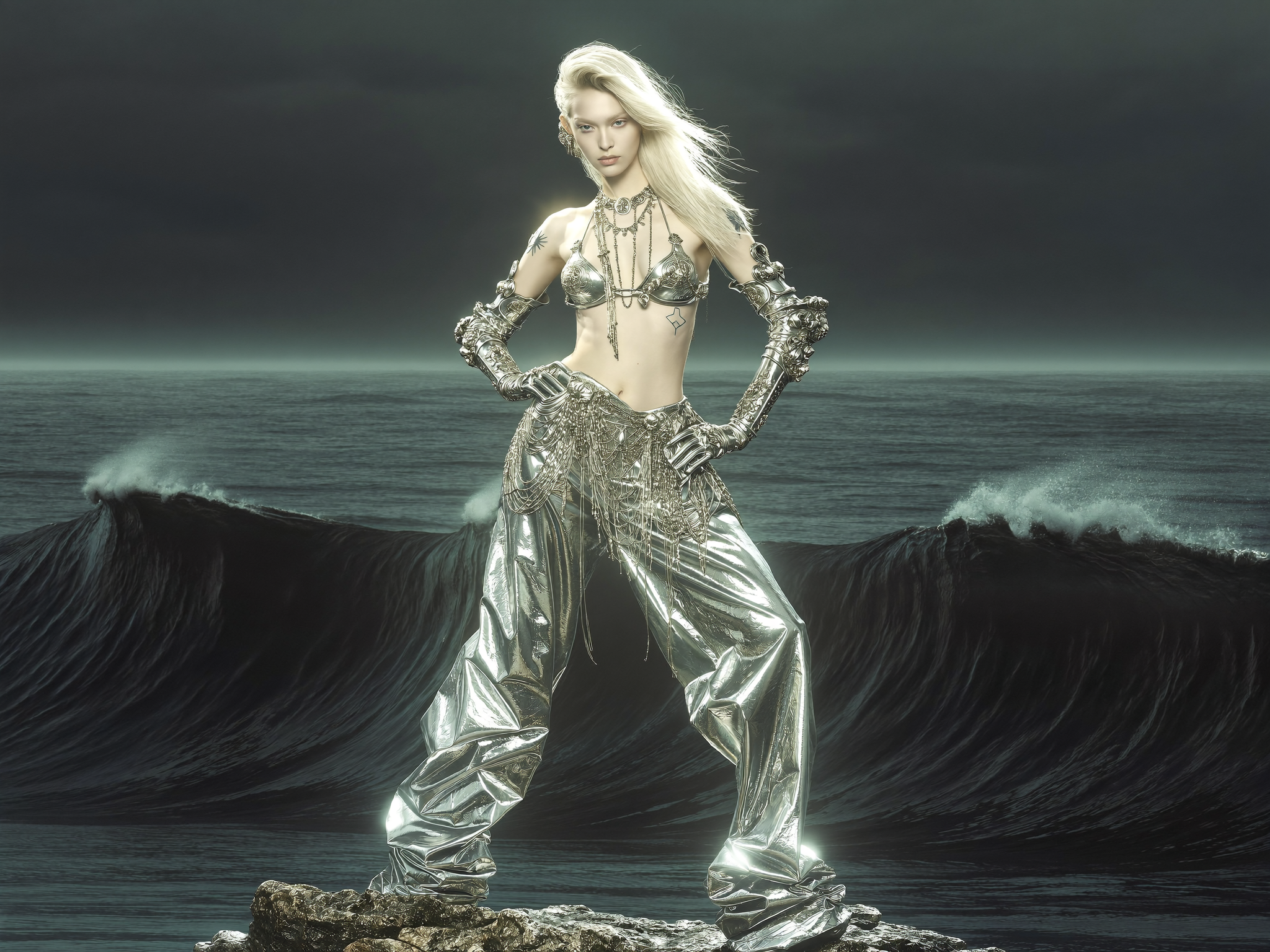
OpenAIs Sora is often discussed as the standard for temporal coherence and physical plausibility. Its strength lies in how scenes behave realistically over time: objects occlude correctly, shadows follow light sources, and motion stays believable across cuts. If your project needs cinematic realism, subtle lighting, or scenes where physics sell the illusion, Sora is a strong first stop.
Sora does have practical constraints to keep in mind. Output length, resolution, and cost are controlled through rate limits, and using it well usually requires you to spend time iterating on your prompt. It rewards descriptive language and a clear idea of camera behaviour. For a creator who wants consistency across many shots of the same scene, Sora alone may not be enough; you may need to reuse reference frames and edit them together in post.
What Kling brings to the table
Kling has positioned itself as an accessible, fast-moving alternative. It offers a wide range of editing operations inside the platform, including motion control, image prompts, and extensions that keep a shorter clip turning into a longer sequence. Kling is a favourite for creators who need quick-turnaround content, especially character-centric social clips where style consistency matters more than photorealism.
Kling's engine is particularly good at anime and stylised looks, which makes it a popular pick for promotions, gaming channels, and narrative experiments. The trade-off is that it can lag slightly behind the frontier models in raw photorealistic physics. If your goal is a believable close-up of a real actor in a complex environment, you may find Sora or a similarly physics-focused engine produces a more convincing frame, while Kling wins on speed and iteration.
Where the versatile all-in-one tools win
The appeal of a platform that aggregates dozens of models is genuinely strong for day-to-day production. Instead of maintaining accounts for each generator, you get one place to probe the same prompt across several engines and keep the winner. This is a huge time saver when you are experimenting with an aesthetic or building a series where a consistent mood has to survive across many clips.
These platforms also tend to build their own creative assistance on top of the raw generation. Script breakdown, shot lists, and camera suggestions can be handled by a director-style assistant that reads your idea and proposes how to turn it into scenes. That pre-production layer is where editors save the most time, because ideation is usually the most fiddly part of the process.
Consistency techniques every creator should learn
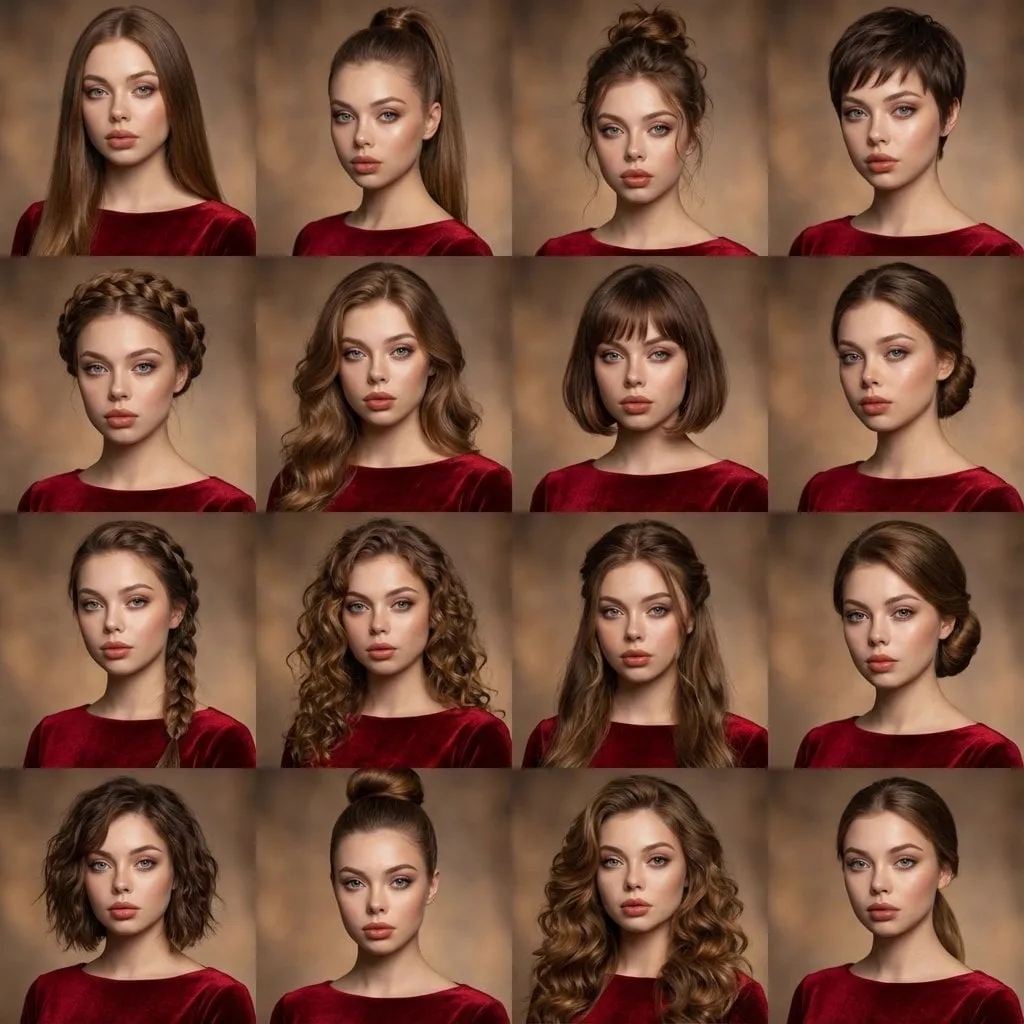
A recurring pain point in AI video is that the same character looks slightly different from shot to shot. Between models, or even between seeds within one model, facial geometry, hair, and wardrobe drift. The most reliable fix is to stop generating blind and start using reference inputs.
Try these approaches in order of increasing control:
- Reuse the same seed and prompt structure when you need matching aesthetics across clips.
- Feed a reference image of your character or scene so the generator has an anchor to start from.
- Use a multi-image fusion workflow that combines several reference frames into one identity, which works far better than a single image when your character appears in many poses and angles.
When a tool supports merging multiple reference images, hold onto that feature. It is the difference between a character that "mostly looks right" and a character you can drop into an entire episode without re-explaining who they are. For serialised content, one episode, a podcast avatar, or a branded mascot, this is non-negotiable production quality.
A practical comparison framework
Rather than memorising benchmark scores that change monthly, score candidates against the four criteria that actually drive your output.
- Style fit: does the tool produce the aesthetic you need, from clean 3D to painterly anime to photoreal?
- Consistency tools: can you pass in references, faces, and character sheets, and do those survive across clips?
- Turnaround: how long is a typical render, and can you batch work during quiet hours?
- Workflow fit: does the tool connect to your existing editing and publishing loop without endless shuffling of files?
Write a small table with these columns before you commit to a platform. Fill it in with concrete numbers from your own test clips, not marketing copy. A tool that nails style but forces you through a clunky export process may cost you more time than an average tool that fits your pipeline smoothly.
When to reach for a specialised model
There are moments when a generalist platform is the wrong choice. If you are a motion designer who needs frame-perfect control of a hero scene, you usually want the strongest dedicated generator for that scene type. Likewise, if your client demands a specific look that only one model reliably produces, the convenience of aggregation matters less than hitting the brief.
The realistic workflow for demanding work is hybrid: use a specialised generator for the hero shots that carry the project, then use a broad platform to fill supporting cuts, b-roll, and variations. This keeps budget on the shots that matter while still letting you move fast on the volume pieces.
Common mistakes to avoid
Newcomers to AI video often stumble into the same traps. Generating from a vague prompt and hoping for the best leads to hours of wasted renders. Sharing a single reference frame across wildly different scenes invites character drift. And relying on one model for an entire project ignores the fact that different scenes play to different strengths.
Another quiet trap is ignoring aspect ratio and composition. A tool that looks great with square social crops may behave badly when you need 16:9 cinematic framing. Always test the exact aspect ratio and resolution you plan to publish in before committing to a long production.
Putting it together for your workflow
There is no universal best tool, but there is a best tool for your specific production. Start by defining one concrete deliverable, such as a 30-second character-driven ad or a series of ten social clips. Use the framework above to shortlist two or three candidates, run the same two test scenes through each, and score them honestly.
That small experiment will tell you more than any comparison article, including this one. Take the tool that wins your test, learn its reference and consistency features properly, and only introduce a second tool once your first one stops being the bottleneck.
Frequently asked questions
Can I mix multiple AI video generators in one project?
Yes, and it is often the smartest approach. Generate hero shots in the model best suited to their style and fill supporting cuts with a faster, broader tool. Just keep colour, grade, and character references consistent across the mix.
Why does my character keep changing appearance?
Character drift usually comes from generating without reference anchors. Use a multi-image fusion input or a strong character sheet so the generator has a fixed identity to copy, and prefer to reuse prompts and seeds where possible.
Is a bigger model library always better?
Not necessarily. A large library matters if you like switching styles often or want to compare takes quickly. If you mainly produce one style, a smaller set of excellent engines may serve you better with less complexity.
Do I need to learn prompt engineering first?
A little will help. Understanding how to describe camera, lighting, and motion improves results on every tool, but most modern platforms do much of the interpretation for you, so do not let prompt anxiety stop you from starting.
What should I prioritise first as a beginner?
Consistency. Learn to hold a character or scene steady across clips before chasing the most photorealistic single frame. A viewer forgives a slightly imperfect render far more readily than a character who visibly changes identity between cuts.
