
The Short-Form Video Opportunity
Every day, billions of short videos compete for attention across social platforms. Most of them fail within seconds. The ones that win usually share a pattern: a strong hook, a clear payoff, and production quality high enough that the platform and the audience take them seriously. For a long time, that combination required expensive equipment and editing skills. Generative AI has changed the economics. Now a creator with a laptop and a clear idea can produce dozens of polished, platform-ready videos in a week.
This tutorial shows you how to make trending AI video content from scratch: choosing the right tool for the job, writing prompts that produce usable footage, keeping characters consistent across videos, adding sound, and building a publishing rhythm that gives your content a real chance.
Understand Why Some Videos Trend
Before generating anything, understand the mechanics of a trending video. Platforms optimize for watch time and engagement. That means your video needs to earn every second of attention, and it needs to give viewers a reason to act: like, comment, share, save, or follow.
Three principles matter more than anything:
- The hook wins the first two seconds. If the opening does not create curiosity or tension, the rest does not matter.
- The payoff must match the promise. A video that promises a transformation and delivers a blurry clip will be abandoned.
- The format should fit the platform. Vertical, fast, and captioned works on short-form feeds; cinematic and slower suits other placements.
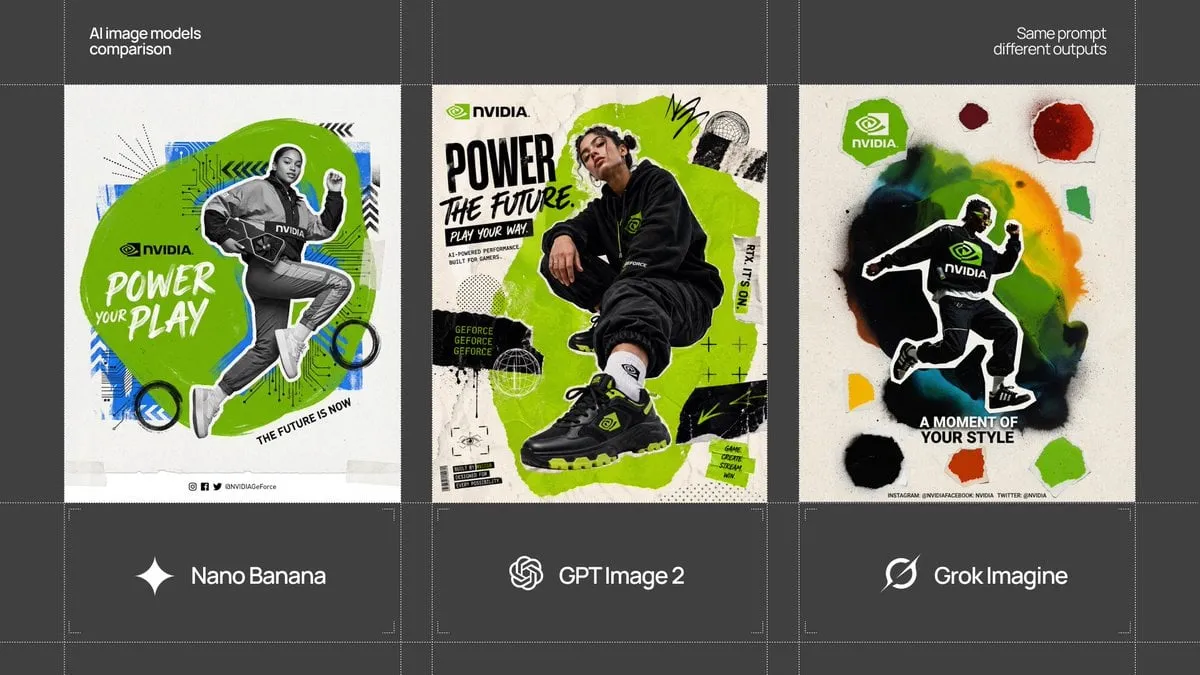
AI does not change these rules. It only changes how fast you can produce content that obeys them. The creators who win are the ones who treat AI as a production system, not a magic button.
Choose the Right Model for Each Job
Not every generation task needs the most powerful model available. Matching the tool to the job saves time, keeps costs down, and often produces better results because you are using the right strength for the right task.
Think in tiers:
Premium models for hero content
For your flagship videos, use the best models you can access. These deliver the highest fidelity, the most realistic motion, and the best prompt understanding. Save them for the videos that carry your channel: launch pieces, story-driven content, anything you will promote.
Mid-tier models for daily volume
For routine content, a solid mid-tier model is often enough. The quality is still good, the render is faster, and the cost per generation is lower. This is the tier that makes a daily publishing rhythm affordable.
Specialized models for specific effects
Some models excel at particular tasks: stylized animation, realistic physics, face consistency, or fast previews. Learn which model in your toolkit handles each effect best, and reach for it when the job calls for it. A director builds a toolbox, not a single hammer.
Budget options for experiments and drafts
When you are testing an idea, use the cheapest option that shows you whether the concept works. Draft with fast models, and only commit the expensive models once the idea has proven itself. This habit alone will cut your production costs dramatically.
Write Prompts That Produce Usable Footage
The prompt is your camera, your set, and your director's note all at once. Write it with that responsibility in mind.
A reliable prompt structure:
- Subject: exactly who or what appears, with specific physical details.
- Scene: the environment, time of day, weather, and lighting.
- Action: what happens, in what order, at what pace.
- Camera: angle, distance, and movement.
- Mood: the feeling, palette, and texture.
- Technical: aspect ratio, duration, and quality level.
Example: "A street food vendor in a neon-lit night market flips a wok, flames rising, steam in the air, slow-motion close-up of the food tossing, vibrant red and orange tones, energetic mood, vertical 9:16."
Compare that to "cooking video." The first prompt gives the model everything it needs to produce something specific. The second gives it nothing. Write prompts as if you are directing a shoot, because you are.
Keep Characters Consistent for Series Content
Trending accounts often rely on recurring characters: an animated mascot, a repeating host, a signature avatar. Consistency is what makes the character recognizable and followable. If the character looks different in every video, the series collapses.
Protect consistency with a character sheet:
- Define the character in one paragraph: appearance, wardrobe, voice, personality.
- Generate reference images from multiple angles before the first video.
- Use the same reference material in every generation.
- Prefer image-to-video workflows, where you animate a controlled still, over pure text generation.
- Keep a library of approved frames for each character and scene.
The reference library is your continuity department. Spend an hour building it up front, and every video afterward becomes faster and more consistent.
Use Multi-Image Fusion for World Building
Some tools let you combine several images into a single generation. This is a superpower for world building. You can fuse a character reference, a location photo, and a style sample into one coherent scene, then animate it.
Practical uses:
- Place your recurring character into new environments without losing their look.
- Merge a product shot with a lifestyle scene for marketing content.
- Combine a sketch with a photographic background to create stylized motion.
The technique takes practice because different sources need to agree on lighting and perspective. When it works, it produces footage that feels designed rather than randomly generated.
Add Sound and Music Early
Silent video is a wasted opportunity. Platforms autoplay without sound, but sound is what turns a good visual into a complete experience, and most viewers unmute when they see captions and motion.
Build the audio in three layers:
- A driving track that matches the energy of the content. For short-form, pick music with a clear beat that lets you cut on rhythm.
- Sound effects that sell the action: sizzles, whooshes, transitions, pops.
- Voiceover or captions that carry the message when the visual alone is not enough.
AI music tools can generate original tracks in seconds, which also avoids copyright issues that come with popular songs. Match the tempo to the edit: faster cuts need faster music, emotional content needs slower textures. Do not let the music fight the footage.
Design Hooks for the First Two Seconds
The hook is the most important part of a short-form video, and it deserves deliberate design. Do not start with a logo, a fade-in, or a slow intro. Start with the reason to stay.
Hook patterns that consistently work:
- Start mid-action: open on the most exciting moment, then fill in context.
- State the payoff: "Watch this lipstick survive a full day of work, gym, and dinner."
- Ask a question the viewer already cares about: "Why does everyone's hair look different in this ad?"
- Show the transformation beginning: the before state, with the promise of the after.
- Break a pattern: do the opposite of what the viewer expects from the format.
Once the hook holds attention, deliver the value fast, and end with a call to action that fits the platform: follow for part two, comment your take, save for later.
Batch Production to Scale Your Output
Producing one video at a time is slow. Batch production treats your workflow like a small factory.
A practical weekly batch:
- Pick three to five ideas for the week.
- Write all the prompts in one sitting, following your structure.
- Generate all the footage in one session, while you are in the flow.
- Select the best takes and edit them into drafts.
- Add captions and sound in a final pass.
Batching reduces context switching, which is where most creative time disappears. It also gives you a buffer of finished content, so you can publish consistently even on busy days.
Repurpose Everything
One good video should become several. Repurposing is the cheapest growth strategy available.
A single long video can become:
- A vertical teaser for short-form feeds.
- A still-image post with the best frame.
- A text post summarizing the key tip.
- A response video reacting to comments.
- A compilation for slower publishing days.
Different platforms reward different formats, and the same footage can serve them all with light edits. Do not recreate content from scratch when a cut, a crop, and a new caption will do.
Monetize Beyond Views
Views alone rarely pay the bills. Build revenue streams that compound with your audience:
- Ad revenue from longer formats once you qualify.
- Brand partnerships, which work best when you have a clear niche and consistent style.
- Selling templates, prompts, or presets that your audience can reuse.
- Products, digital or physical, that connect to your content topic.
- Licensing your footage or your workflow to other creators and businesses.
The most durable model is audience-first: grow followers who trust your taste, then offer them things that genuinely help. A loyal niche audience is worth more than a huge but passive one.
A Sample Week of AI Content Production
To make the system concrete, here is what a realistic week looks like for one creator running an AI video account.
Sunday: planning. Review the week's trends, pick five ideas, and write all the prompts following the structure: subject, scene, action, camera, mood, technical. This session is the creative core; everything else is execution.
Monday: generation. Run the prompts in batches, starting with the cheapest tier to draft each idea. Mark the winners. For the two strongest ideas, run the premium model for hero clips. End the day with a folder of usable footage.
Tuesday: editing. Cut the clips, add captions, and place the music. Finish two videos completely, including hooks and calls to action. Publish the first.
Wednesday: publishing and engagement. Publish the second video, reply to every comment, and note which hook patterns produced the most engagement. Pull two stills from the best footage for image posts.
Thursday: repurposing. Turn the week's footage into a compilation, a text post, and a short response video answering a comment question. Publish across the week's remaining slots.
Friday: review. Check the numbers, write three lines on what worked and what did not, and update the idea list for next week. Archive the footage and prompts for future reuse.
The point of the rhythm is not the specific days; it is the separation of creative work from execution work. Planning and prompting happen when you are fresh; generation and editing are mechanical; publishing and engagement are social. Protected by a simple calendar, the system produces consistent output without burning out.
Avoid the Common Traps
- Generating first, thinking later. Plan the video, then generate.
- Using the strongest model for every clip. Match the tier to the job.
- Ignoring sound. Silent footage underperforms.
- No hook. The best footage in the world loses if the first seconds are dull.
- Posting once and quitting. Consistency compounds, even when individual videos flop.
Frequently Asked Questions
Do I need any editing skills to start?
A basic edit is enough: cut clips, add captions, place music. Most phones can do this in the native editor. Improve as you go.
How do I know which model to use for my niche?
Test the same prompt across the models you can access, compare the output on motion, realism, and speed, and keep a note of which one wins for each job type.
Can AI video content actually grow a real following?
Yes, if the content follows the same platform rules as any other video. AI is a production tool; the strategy still decides whether the account grows.
How often should I post?
Start with a rhythm you can sustain for three months. Three to five times a week beats a burst of daily posts that ends in burnout.
What if my video gets no views?
Diagnose before quitting. Was the hook weak, the topic oversaturated, or the format wrong for the platform? Change one variable at a time and test again.
Final Thoughts
Trending AI video content is not about luck. It is a repeatable system: find the idea, write a specific prompt, generate with the right tool, add sound, hook fast, and publish on a rhythm. AI removed the production barrier. What is left is the creative work that always mattered: understanding what your audience wants and delivering it with consistency. Build the system, trust the process, and let the volume do its work.
