
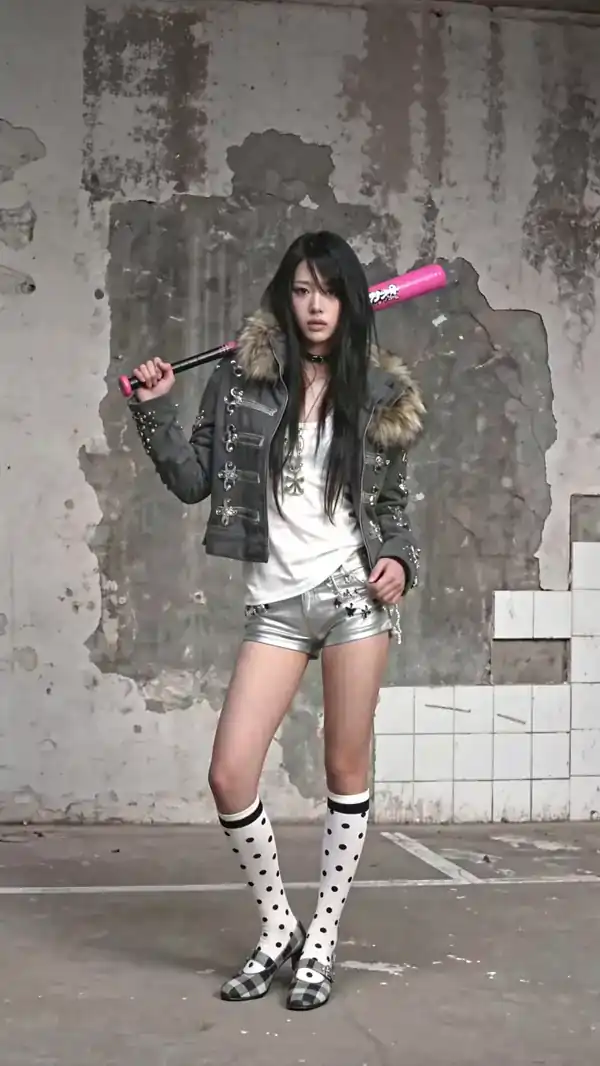
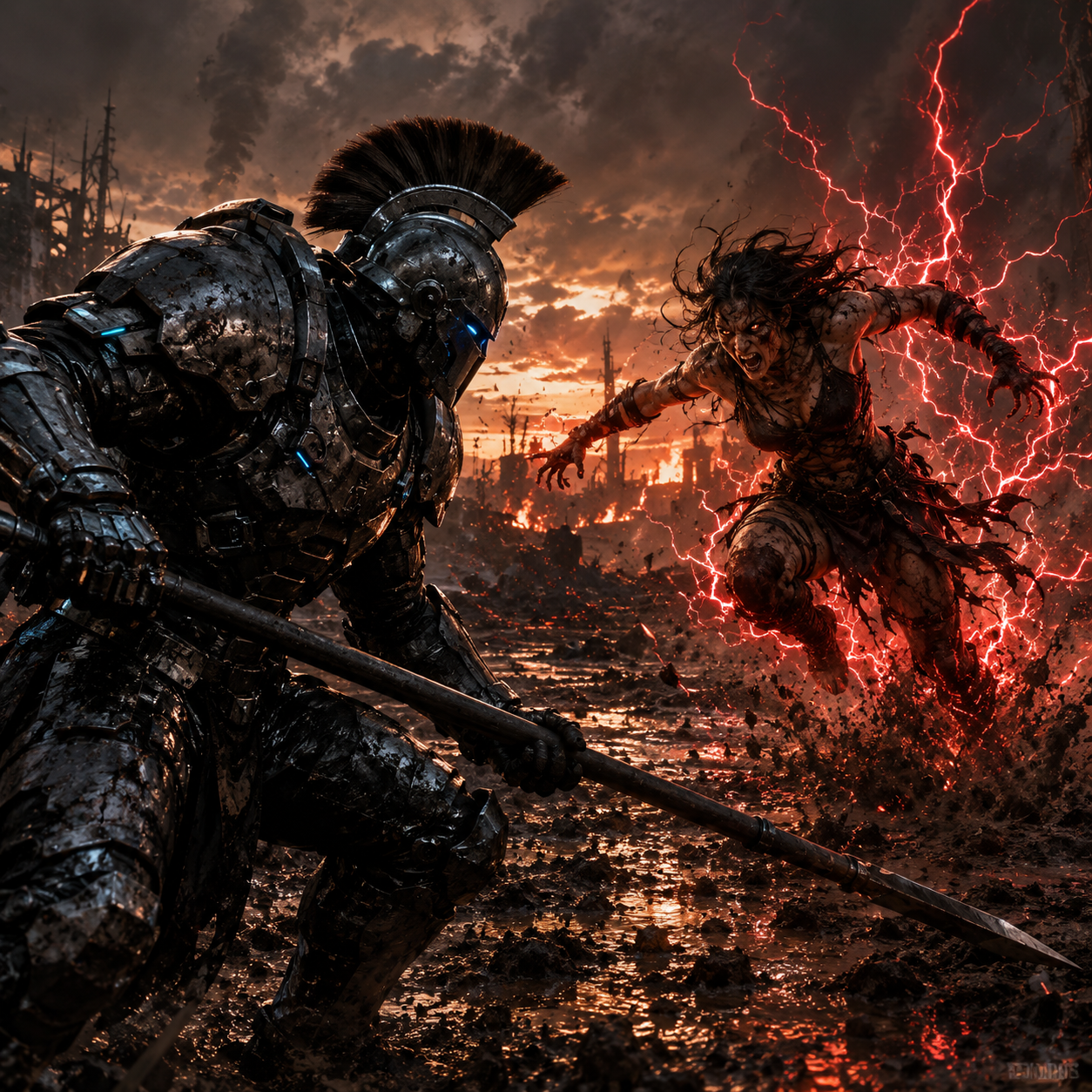
AI video has crossed a threshold. It is no longer a tool for experiments and novelty clips; it is a production technology that serious creators, agencies, and brands rely on daily. The change happened so fast that the vocabulary itself is still settling, but underneath the hype, five technological trends are doing the real work. Understanding them matters because they determine what you can produce, how much it costs, and where the competitive edge sits.
The temptation is to chase every release and every demo. Resist it. The underlying trends move more slowly than the marketing, and the teams that profit from them are the ones that reorganize their workflows around capabilities that will still exist next year, regardless of which specific model is leading the leaderboards this quarter.
This analysis looks at those five trends, explains how each one works in practical terms, and translates them into decisions you can make about your own production workflow.
Trend 1: Precise Control Over Generation
The first major shift is control. Early text-to-video tools treated a prompt as a wish: you described a scene and hoped for the best. The new generation of models treats the prompt as a specification. Creators can now direct camera angle, lighting conditions, lens choice, scene transitions, and even the physical behavior of objects with far greater reliability.
This matters for professional work because unpredictable output is unusable output. A commercial shoot needs the same shot repeated with minor variations. A film pre-visualization needs the director's framing, not the model's interpretation of it. As models improve their understanding of physical rendering principles, the gap between "describe it" and "direct it" keeps shrinking. The practical takeaway is to write prompts like a director's brief: name the camera, the light, the lens, and the motion. The tools will honor more of that language than they did a year ago.
The control trend also changes how teams divide labor. When generation was a lottery, the value sat with the operator who could coax good results through trial and error. As control improves, the value shifts to the person who can specify the right shot in the first place: the director, the art director, the creative lead. This is a quiet but important shift in who holds the creative power in an AI-assisted pipeline, and it is worth planning for when you build your team and your skill sets.
Trend 2: Character and Scene Consistency at the Core
Consistency is the second trend, and it is the one that unlocked long-form content. The earliest AI videos could not keep a face stable for more than a few seconds, which limited the medium to abstract clips and one-off gags. That limitation is dissolving. The current flagship models hold characters, wardrobe, and environments stable across scenes, and the supporting techniques have matured around them.
Two techniques deserve attention. The first is reference-based generation: feeding the model a hero image that establishes the identity, then asking it to continue that identity into motion. The second is multi-image fusion, where several references are combined into one consistent subject. Together they let a production define a character once and then carry that character through an entire narrative. For anyone producing series content, branded storytelling, or anything with recurring people or mascots, this is the trend that makes the project feasible.
Trend 3: Real-Time and High-Speed Processing
The third trend is speed. Real-time interactive generation, once a research demo, is becoming practical for production. The ability to see a result quickly changes the creative process itself: instead of committing to an idea and waiting for a render, creators can explore variations, fail fast, and converge on the right shot in a fraction of the time.
The infrastructure behind this is the quiet hero. Large-scale batch processing and cloud GPU management mean that a studio can run many generation jobs in parallel, turning what used to be a bottleneck into a pipeline. The strategic consequence is that iteration becomes cheap, and iteration is where quality comes from. Teams that build their workflow around fast drafts followed by premium final renders get better results at lower cost than teams that treat every generation as a final attempt.
Trend 4: Multimodal Integration
The fourth trend is the merging of modalities. Video generation no longer stops at pixels; the newest systems integrate audio, voice, and visual output into a single coherent result. Audio-visual synchronization has improved to the point where generated footage can carry matching sound design, and multi-reference models can pull context from several inputs at once.
The practical effect is that "video production" is becoming "media production." A creator can brief a system with images, a script, and a musical direction, and receive a piece that arrives with its soundtrack attached. This collapses the production pipeline, and it changes the skills that matter: the ability to direct the whole piece becomes more valuable than the ability to operate any single tool. For small teams, multimodal integration is the difference between needing five specialists and needing one strong creative lead.
It also changes the review process. When picture and sound are generated together, the review is no longer "does the image look right" but "does the whole piece feel right." That is a more demanding question, but it is the right one, because it is the question the audience will answer with their attention.
Trend 5: Cost-Efficient Quality Through Model Strategy
The fifth trend is economic: quality and cost are decoupling. The market now has a spectrum of models, from premium flagship systems to efficient specialists, and the winning strategy is to match the model to the job. Hero shots get the flagship; exploration, drafts, and high-volume content get the efficient tier. This tiering was already common in 3D rendering, and it is becoming standard practice in AI video.
The numbers support the shift. The overall AI video market has grown quickly, with projections pointing to a multibillion-dollar space, and the growth is driven by exactly this dynamic: production-grade output at a price point that working teams can sustain. The lesson for creators is to build a model strategy rather than a model habit. Track cost per shot, assign tiers by importance, and renegotiate your assignments when new models change the price-performance curve.
What These Trends Mean for Creators
Taken together, the five trends point in one direction: AI video is becoming a normal production tool with normal production economics. Control removes the lottery; consistency removes the ceiling on story length; speed removes the iteration tax; multimodality removes the pipeline fragmentation; and cost efficiency removes the budget wall.
The teams that benefit most are the ones that reorganize around these capabilities. Scripts should be written with control language in mind. Series should be planned with consistency techniques from day one. Review loops should be built for fast iteration. Audio should be briefed together with visuals, not added afterward. And budgets should be allocated by shot importance, not evenly across a project.
Building Your Own Trend-Proof Workflow
You do not need to chase every new model to benefit from these trends. Start with the practices that compound: document your prompts and reference sets so you can reproduce results; lock character identities with reference images on every narrative project; tier your shots by importance and match model choice to tier; brief audio together with visuals; and review in context rather than in isolation. These habits are model-agnostic, and they will serve you regardless of which specific tool leads the market next quarter.
Applying the Five Trends to a Real Project
To make the trends concrete, walk through a typical branded short film. The client wants a sixty-second piece: a recurring character, three locations, a voice-over, and a soundtrack, delivered in a week. Under the old workflow, this project needs a studio day, an editor, a composer, and a voice actor, and the week is tight. With the five trends applied, the plan changes completely.
The character is defined once with reference images, and consistency techniques carry her through every location (trend two). The script is written as a director's brief, with camera and lighting specified, so the model delivers the intended framing instead of its own interpretation (trend one). Rough cuts are generated with fast models overnight, reviewed in the morning, and the approved shots are re-rendered at premium quality (trend three and five). The voice-over and the soundtrack are briefed together with the visuals, so the final piece arrives with audio that matches the picture instead of being bolted on afterward (trend four).
The result is a project that fits the week, costs a fraction of the studio alternative, and gives the client a version they can revise without re-shooting. None of this requires exotic equipment; it requires a workflow that exploits the five trends, which any small team can build this quarter.
How to Evaluate New Tools
The trend list also gives you a checklist for evaluating the next tool that appears in your feed. Ask five questions. How much control does it offer over camera, light, and motion, or is it still a wish machine? How does it handle identity across shots, and does it support reference images and fusion? How fast is iteration, and can it scale to batch work? How well does it integrate audio, voice, and visuals into one output? And where does it sit on the price-performance curve, so you know whether it belongs in the hero tier or the volume tier? A tool that scores on all five is a workflow upgrade; a tool that scores on one is a toy until the rest catches up. This filter saves you from adopting new tools for the wrong reasons.
Frequently Asked Questions
Is AI video ready for client work?
For many formats, yes. Commercials, social content, explainers, and pre-visualization are all production-ready when the workflow is disciplined. The remaining gaps, mostly around complex multi-character interaction and very long continuous scenes, are narrowing quickly, and smart shot design works around them today.
Do I need to learn prompting deeply?
Prompting is becoming less about magic words and more about direction: camera, light, motion, reference. Learning to write a clear creative brief is more durable than memorizing prompt formulas, because the models keep changing how they interpret language.
Will consistency techniques still matter when models improve?
Yes. Even perfect models benefit from reference systems, style guides, and documentation, because consistency is also a project-management problem. The technology removes the ceiling; the workflow determines whether you reach it.
How should a small team start adopting these trends?
Pick one pilot project, apply the five practices above, and measure time and cost against your old process. The goal is not to adopt every trend at once, but to build a repeatable pipeline that exploits control, consistency, speed, multimodality, and cost efficiency on real work.
Will these trends change what clients expect?
Yes, and that is an opportunity. Clients increasingly expect revisions that arrive in hours, not weeks, and they expect audio and video to arrive as one coherent piece. The teams that can promise and deliver that will win work on speed and price, not just on creative talent. The trends are shifting the buying criteria as much as the production process.
Do the five trends apply to still-image workflows too?
Largely yes. Control, consistency, and cost tiering matter just as much for image generation, and multimodal integration is already visible in image-plus-audio and image-plus-motion tools. Learn the habits in video, and they transfer sideways to every other generative medium.
Conclusion
The five technologies reshaping AI video, precise control, consistency, speed, multimodal integration, and cost-efficient model strategy, are not separate fads. They are the components of a mature production medium. Creators who learn to direct with specification, lock identities, iterate fast, brief audio with visuals, and tier their model spend will produce better work at lower cost regardless of which model is popular next month. The medium is still young, but the production habits that win are already clear.
The practical path is simple: take one project, apply the five habits, and measure the difference. The technology will keep moving, and that is exactly why the durable advantage belongs to the teams that build their systems around trends rather than around any single tool.
