
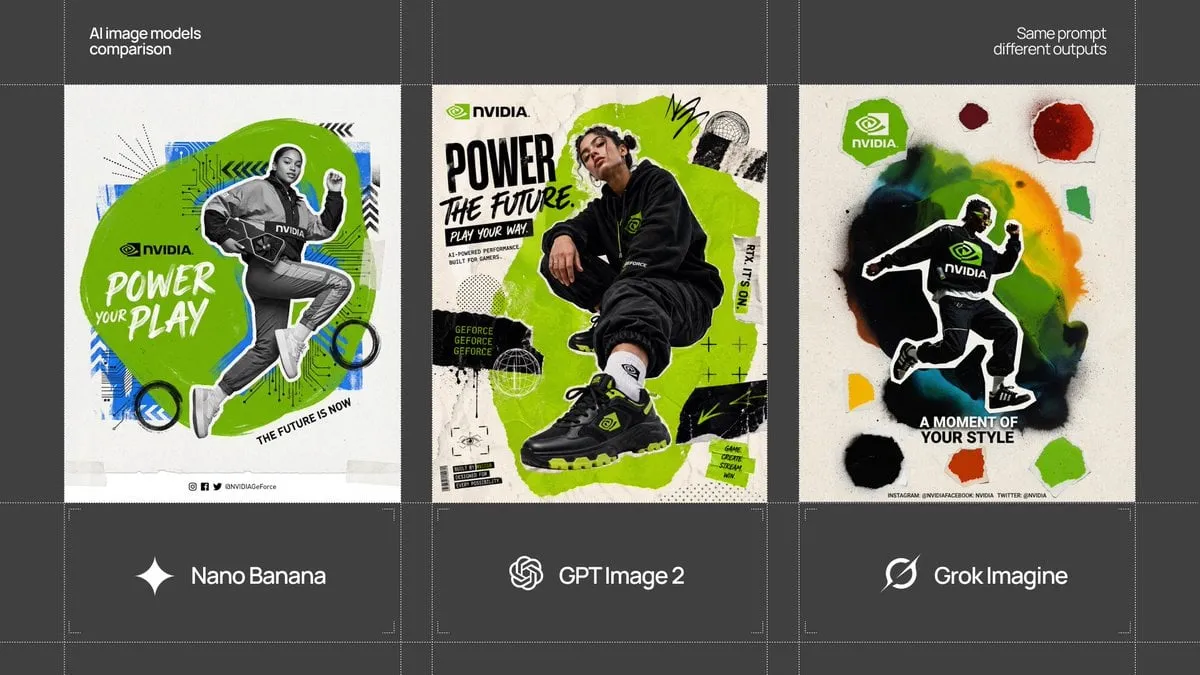
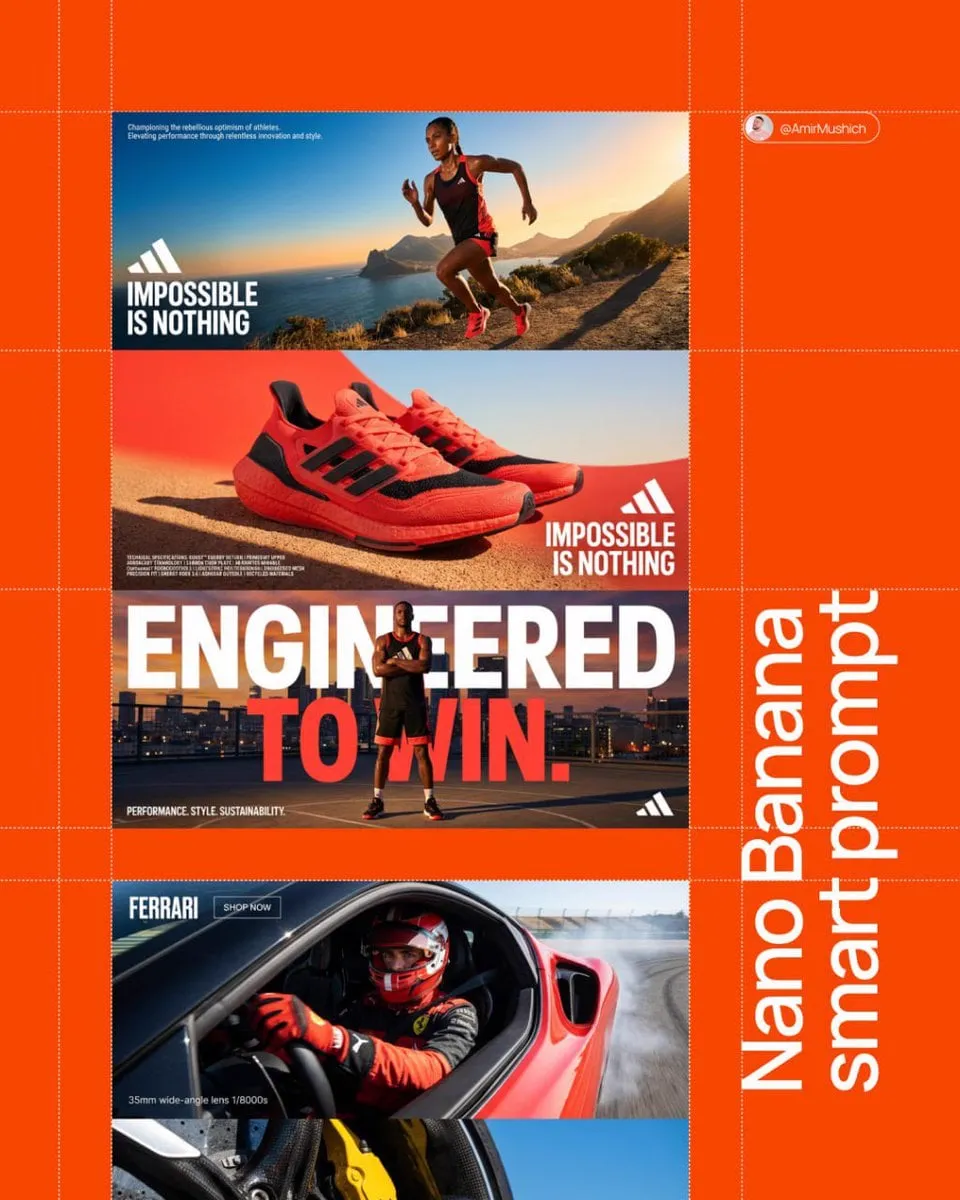
The most striking thing about the current moment in content creation is not that AI can make images and video, that part has been true for a while. It is the level of control creators now hold. Where text-to-image and text-to-video tools once returned whatever the model happened to imagine, the most capable systems now let you steer the aesthetic, preserve a character's identity shot after shot, and automate the repetitive decisions that used to consume entire days.
Think of it as a kind of modern alchemy. Old alchemists tried to turn lead into gold; today's creators feed industrial images, scripts, and packed reference sheets and transform them into cinematic, on-brand, emotionally consistent content. The raw material is data, the reaction is generation, and the craft lies in knowing which processes to run and in what order. This guide looks at how to build a personal visual transformation workflow that turns an ordinary idea into a distinctive, repeatable aesthetic.
The Pillars of a Visual Transformation Workflow
Any serious approach to AI-driven aesthetics rests on a few foundations. Master them in order and the rest becomes routine.
A Deep, Accessible Model Ecosystem
Your first tool is the range of models you can actually reach. A broad, actively maintained library of generation models matters because different models excel at different things, and part of craft is matching the tool to the job. One model may be ideal for realistic motion, another for a painterly style, a third for stylized characters, and a fourth for fast, cheap drafts.
Accessibility matters as much as depth. A model you cannot reach, because it is retired, restricted by region, or too expensive for your budget, is not part of your toolkit even if it is technically impressive. Choosing your ecosystem is a strategic decision about the balance between capability, cost, and reach that fits how you actually work.
Consistency Through Fusion and Keyframes
The technical core of a professional aesthetic is that your subjects stay recognizable. Multi-image fusion achieves this by building a durable identity from several references rather than describing a character with words. Keyframe control adds temporal stability by anchoring generation to defined frames.
These two techniques turn an abstract style into a usable asset. A character established through fusion and reinforced by keyframes can appear across scenes, episodes, and campaigns and still read as the same person, which is what makes long-form content possible at all.
A Meaningful Economic and Community Layer
Style does not exist in a vacuum; it lives in a market of creators who share and adapt each other's work. A healthy ecosystem includes the ability to monetize and to build a community around models and styles. Creators who publish a distinctive style or set a reusable asset can turn it into a small economy, and the community feedback loop keeps the whole catalog evolving far faster than any single team could.
For an individual creator, this layer matters because it converts your best work into something with staying power. A signature style, once shared and adapted, extends your reach beyond a single piece of content.
Automating the Cinematic Decisions
Raw generation produces individual clips. To get a coherent look across a project, someone has to make a lot of repetitive decisions: which shot to use, how to frame it, where the camera moves, how the light is handled, and whether the subject looks consistent. Automating these decisions with a direction layer is what elevates a beginner workflow into a scalable production method.
From Brief to Shot List
Start with a clear creative brief that describes what you want the audience to feel. A direction agent then decomposes that brief into concrete decisions: the list of shots, their order, the framing for each, the camera behavior, and the emotional continuity across scenes. By translating abstract intent into executable instructions, it relieves you of the mechanical work while leaving taste firmly in your hands.
Directing Specific Models
Not all scenes need the same model. A direction layer helps by matching each shot to the most suitable model, a high-fidelity one for a hero close-up, a fast one for a transition, and a specialized one for a stylized effect. This frees you to focus on the creative intent while the system handles the logistics of which tool runs where.
Guarding Character Consistency Throughout
Automation only works if it preserves the identity you established. By routing every generation through your fused character assets, the direction layer ensures consistency even as scene, angle, and lighting change. The result is an automated pipeline that produces coherent, on-brand footage instead of a pile of disconnected clips.
Optimizing for Efficiency and Scale
A great aesthetic is worthless if you cannot deliver it at volume. Production speed and cost often determine whether a creative idea survives contact with a real deadline.
Scheduling with a Task Queue
When you run many jobs, a smart task queue keeps things orderly. It schedules work, allocates compute where it is needed, and isolates failures so that a single problem does not stall everything. Before a large batch, run a small sanity check to confirm every model you plan to use is live and reachable.
Choosing Models by Job, Not by Habit
The cheapest cost per asset is not always the smartest choice. Allocate your expensive, high-fidelity models to the scenes that carry the story and the brand, and reserve faster, cheaper models for backgrounds, transitions, and low-stakes material. This is a deliberate strategy, not a compromise, and it keeps quality where it is visible while controlling budget.
Building Reusable Assets
The single biggest efficiency lever is reusability. A validated character or style, saved as a clearly named asset with its original reference set documented, becomes something you can reuse across projects instead of regenerating from scratch. Reusability is what turns a one-off effect into a catalog you steadily build.
Measuring and Refining Your Aesthetic
A style is only worth building if it does something for you, so it pays to measure the effect of your visual transformation work rather than assume it helps. The right metrics depend on your goal, but a few patterns apply broadly.
For audience-facing content, engagement signals are the obvious measure: does the distinctive style hold attention, earn shares, and get recognized as yours across posts? A signature aesthetic that makes content identifiable at a glance is a real asset, but only if the audience actually engages with it. Test a border of a new style on a small batch before committing the whole catalog.
For brand and commercial work, the more telling measure is conversion and recall over time. Consistent, high-quality visual identity tends to reinforce trust and recognition, and repeated exposure to a cohesive look compounds. Track whether recognizable assets outperform one-off pieces before you double down on a signature direction.
For internal workflow, measure throughput and churn. Did iteration cycles shrink? Did rework and rejected drafts drop? Did the team stop redoing the same scenes because of drift? These operational metrics are often where AI visual work delivers its clearest, most immediate returns, and they justify the setup investment in a way that "looks nice" alone cannot.
Whatever you choose, review the numbers on a regular cycle and let them steer refinement. Aesthetic work becomes a living system that improves with data, not a one-time decision made in the dark.
Practical Workflow for a Content Creator
If you are starting out, here is a concrete sequence that works well and yields visible improvement quickly.
- Choose your model ecosystem and learn what each model you plan to use does best. Match tool to job from the start.
- Define a creative brief for a specific project, including the emotional response you want.
- Build reference material: character sheets, style references, color palettes, and lighting direction.
- Fuse your key subjects into reusable identities and validate them with test frames.
- Set up your direction layer to translate the brief into shots, keyframes, and model choices.
- Generate a draft, review it with an editorial eye, and iterate on the scenes that miss.
- Save your working styles and characters to your reusable library for future projects.
This loop, define, build, automate, review, reuse, is portable across every platform you might use, and it keeps improving with practice.
Common Missteps to Avoid
As the ecosystem grows more capable, preventable mistakes become the main reason results fall short.
- Hoarding every model instead of learning a few well. Depth in a handful of models beats weak familiarity with dozens.
- Ignoring consistency, then spending hours fixing drift later. Invest the time in fusion and keyframes up front.
- Letting automation run unsupervised. Automate the mechanical choices, but keep an editorial review gate on real output.
- Changing models or styles mid-project, which invites inconsistency and drift. Lock your choices and re-validate if you must change them.
- Reinventing reusable assets every time. Build a library and grow it; reuse is the engine of scale.
Frequently Asked Questions
What is the difference between fusion and simple image-to-video? Image-to-video uses a single image as a starting point. Fusion processes multiple images together to derive a durable identity that survives changes in angle, pose, and scene. Fusion is the more robust basis for consistent characters.
Do I need an expensive model to create a strong aesthetic? Not necessarily. A distinctive, consistent style can come from cheaper, specialized models. The winning combination is usually a deliberate style plus disciplined references, not simply the most expensive model.
How do I keep my output on-brand across many projects? Establish reusable style and character assets, document them, and apply the same lighting and palette discipline everywhere. Brand consistency is a system decision, not a one-time accident.
Is an automated direction layer good for beginners? Yes. It raises the floor by handling repetitive decisions, and it helps beginners see what professional shot breakdown looks like. Taste and judgment still come from you.
How much does this rely on a task queue or scaling tooling? For small, occasional work you can get far without it. It becomes important once you run many jobs on deadlines, where scheduling, allocation, and failure isolation make the difference between calm and chaos.
What is the fastest way for a beginner to improve output quality? Focus on three things first: curate better reference images, settle on a consistent palette and lighting direction, and review every draft with an editorial eye rather than shipping the first result. Those three habits outperform any single model choice.
How often should I revisit my model ecosystem? The landscape changes constantly, so treat a review as part of the job. Dedicate time on a regular cycle to test new models side by side on a standard reference, keep your asset library fresh, and retire tools that no longer earn their place. A team that reviews deliberately stays ahead of one that points at a fixed setup forever.
Conclusion
AI-powered visual transformation has moved from random generation to a genuine craft. The tools that matter most are not mysterious; they are a deep and reachable model ecosystem, consistency through fusion and keyframes, automated direction of the repetitive cinematic choices, and a structure for efficiency and reuse.
The path from a routine image to a compelling, on-brand piece of content is not about owning the biggest model. It is about building a deliberate workflow: define the aesthetic, establish durable identities, let automation handle the mechanical decisions, review with an editorial eye, and keep everything in a growing library of reusable assets. Do that consistently, and the "alchemy" stops being a gamble and starts being a repeatable skill.
The practical next step is small: pick one project, apply the discipline we walked through, and measure the difference before building on it. As your library grows and your eye sharpens, every project gets faster and more distinctive. That is the real transformation, having the control to make the images in your head come out looking like your work every single time, and being able to keep that quality at any volume your schedule demands.
