
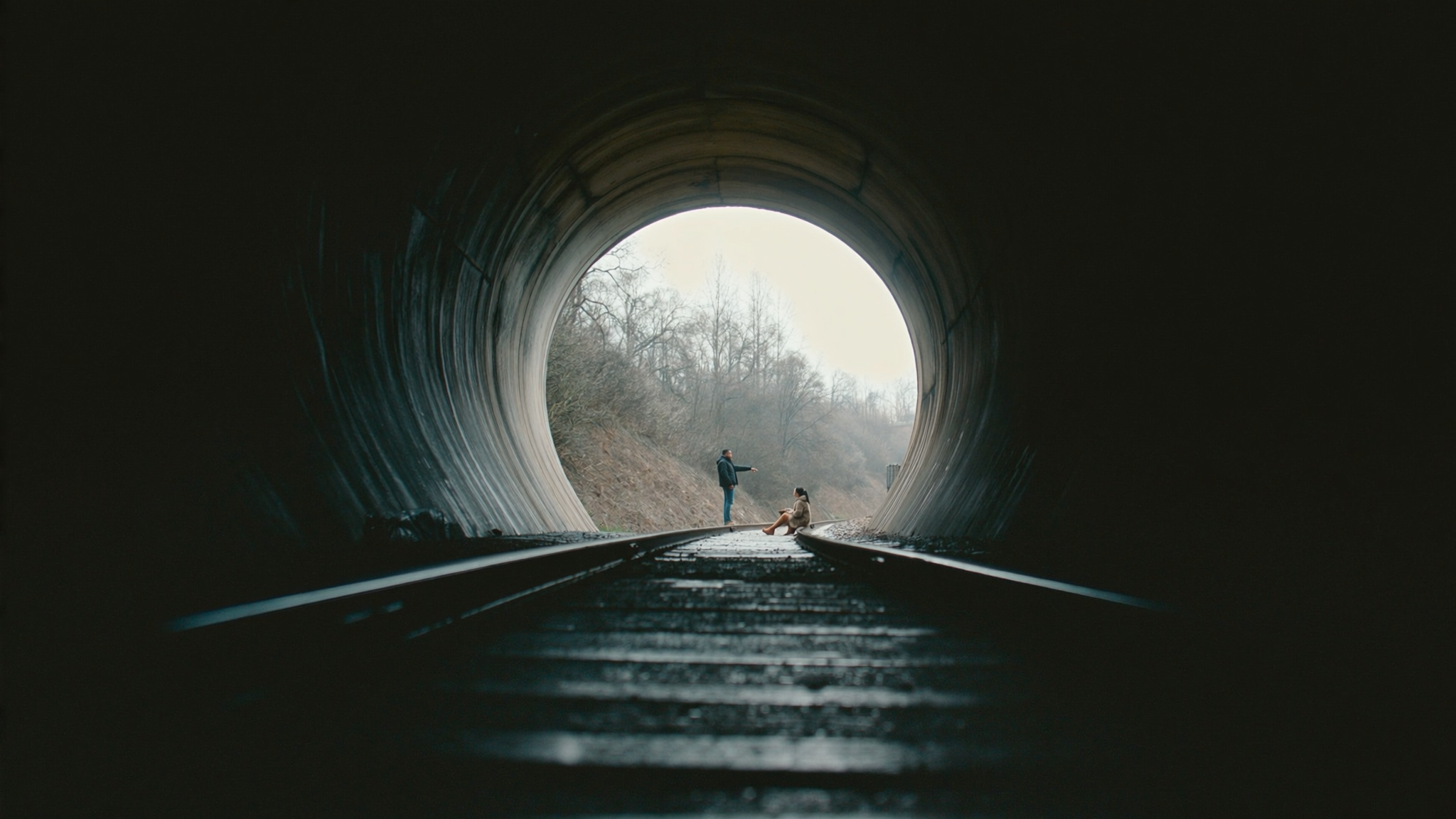
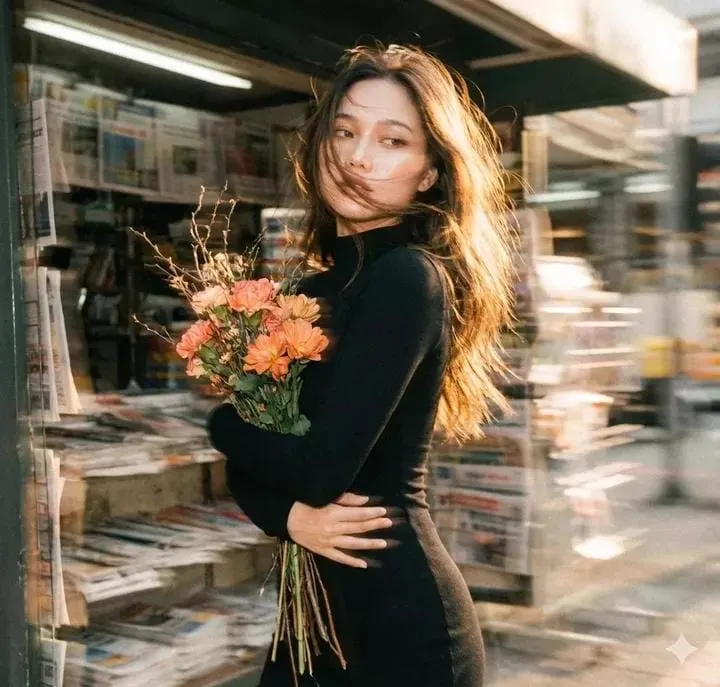
In a world where generated video is everywhere, standing out means looking like it was made by a person with taste. Audiences, platforms, and automated systems are all getting better at spotting footage that is obviously machine-made. This is not about tricking anyone or gaming a platform. It is about producing work that feels human: work with natural motion, real variation, deliberate imperfection, and a clear point of view. This guide walks through why AI video still reads as artificial, and what you can do at every stage of the pipeline to make output feel authentic.
Why Generated Video Still Looks Artificial
The first step to fixing a problem is understanding where it comes from. Most generated clips share a handful of tells that a trained eye catches immediately, and that detection systems are learning to find as well.
Repetitive Motion and Dead Weightlessness
Models are very good at producing frames. They are less good at producing believable physics. Arms swing the same way frame after frame. Hair and cloth move in ways that suggest they are not really affected by wind or gravity. People glide instead of walk, and their weight seems to shift oddly. The result is footage that feels slightly floaty, as if everything is filmed in slow motion with light gravity.
The Uniform Texture Problem
Machine output tends to have a very even, clean look. Skin lacks pores and subtle tone variation. Fabric looks too smooth. Lighting is often idealized to the point where shadows do three or four things at once. When every surface in a frame has the same soft sheen, the image stops feeling photographic and starts feeling rendered.
Missing Micro-Expressions and Eye Contact
Humans communicate an enormous amount through micro-expressions: a fleeting brow raise, a half-smile, a blink that carries emotion. Faces generated by AI often have a neutral placidity that reads as uncanny, especially in close-ups. Eye contact is either too steady or drifts in ways that do not match what a person is saying.
Telltale Metadata and Encoding Clues
Generated files frequently carry metadata that reveals their origin, or encoding artifacts that differ from camera footage. File names, embedded software tags, and unusual codec signatures can all be red flags. Detection tools look at the file, not just the pixels.
What Detection Systems Actually Look For
Modern detection is not a single magic tool. It is a portfolio of signals combined into a confidence score. Understanding those signals changes how you approach production.
Statistical Signatures in Pixels
Generative models leave faint statistical fingerprints in the noise and frequency content of an image. Because they are trained to fool a discriminator but not to be statistically indistinguishable from real photography, their output often has subtle regularity. Frequency-analysis tools can spot this regularity even when the image looks clean to a person.
Motion Consistency Patterns
Detection that analyzes video tracks how physical quantities like acceleration, occlusions, and silhouette shape evolve over time. Real footage has messy, irregular motion. Generated footage tends toward smooth, interpolated motion that is too consistent. Motion-based detection exploits exactly this regularity.
Reused Structure and Style
If a model is used over and over, its output cluster around shared stylistic centers: same face type, same framing, same lighting recipe. Detection can embed collections of generated samples and flag new content that falls near those clusters. This is why varied prompts and varied models help; homogeneous output is easier to recognize.
Before You Generate: Starting With Better Raw Material
Authenticity does not begin at the render step. The choices you make upstream determine how human the final clip can be. Spend time at the planning stage and you will save yourself enormous clean-up work later.
Write a Concrete Brief
Vague prompts yield generic output. A specific, felt description produces footage with more of the irregularity that reads as real. Instead of "a woman walking down a street," try "a woman in her late thirties walks down a rain-wet side street at dusk, slightly hunched against the wind, glancing at her phone and then pocketing it with a small sigh." Concrete physical and emotional details give the model constraints that push it away from the statistical average.
Break Scenes Into Beats
Real footage is composed of beats, not one continuous stream. Generate several shorter segments that show progression: approach, reaction, and consequence. Cut them together rather than asking one model to render a long, uniform take. Editing introduces the rhythm that human footage naturally has.
Collect Reference Imagery
Reference frames anchor the result and keep it grounded. If you want a specific camera, location atmosphere, or costume, feed the model example images. Reference input nudges output toward the idiosyncrasies of the real thing instead of an idealized mashup.
Generation-Time Techniques That Add Humanity
The seconds after you write a prompt matter more than almost anything else. This is where you shape the look, motion, and tone of the footage.
Vary the Model Across the Project
No single engine is perfect for every shot. One model may excel at hands, another at natural light, a third at expressive faces. Mixing engines across a project produces stylistic variety that looks like a real shoot where different lenses and operators made different choices. It also makes your output far harder to classify as a single-engine signature.
Control the Camera Language
Overly smooth, swooping cameras are a major artifact. Real operators use imperfect moves: slight hand-held wobble, a slow rack focus, a moment where the frame is not perfectly level. Introduce these deliberately through camera motion prompts, and do not request a flawless dolly move for every shot.
Push for Natural Imperfections
Ask for the things models normally smooth away. Add motion blur, lens flare, dust in the air, variable grain, and slight exposure drift. Film grain in particular is powerful: a subtle, uneven grain layer across the timeline masks the clean digital quality that often betrays generated footage.
Seed on Purpose
Use fixed seeds when you find a result you like, and experiment across a range of seeds when you want variety. A quick contact sheet of several seeds lets you pick the take with the most natural energy. Automating a range of seeds is an easy way to build a shortlist of candidate takes, just like a photographer brackets exposures.
Never Underestimate Prompt Abstraction
One of the best ways to move away from statistical-average output is to stop describing the thing and start describing the feeling. Instead of the literal noun, write about texture, light quality, time of day, and emotional tone. Asking for "the heavy stillness of an indoor pool at noon" produces far more distinctive footage than "an empty swimming pool." Abstract prompts force the model to hunt for associations rather than reach for its most common recipe.
Write like a Cinematographer
Name the lens, the focal length, the lighting rig, and the film stock look. Cinematographic language maps cleanly onto the visual features that add character. “Shot on a 35mm lens, soft key light from a window, slight underexposure in the shadows, a touch of handheld” is a recipe for believable texture.
Use Time and Weather as Characters
Golden hour, fog, rain, steam, and passing clouds all add irregular, time-dependent detail that models struggle to fake. Brooding weather and shifting light create natural variation across cuts that feels photographed rather than generated.
Post-Production Is Where Video Becomes Human
Generation gets you raw material. Post-production is where you turn it into a finished, believable piece. This is the stage where most of the work of hiding the machine-made quality actually happens.
The Layered Edit
Approach your timeline like a real editor. Cut on action, respect screen direction, and let the pacing breathe. A director's cut that is too fast reads as algorithmic; one that lingers too long reads as boring. Trust the rhythm of your footage.
Color Grade Purposefully
A flat, unfiltered render looks digital. Apply a deliberate grade: warm the highlights, cool the shadows, add a touch of split toning for mood. A consistent grade across the whole piece ties it together and signals intentional craft, which is the opposite of machine meanness.
Add Human Audio Cues
The eye forgives a lot when the ear believes the scene. Room tone, faint ambience, footsteps, a distant traffic rumble, cloth rustle, and natural breath all sell a scene. Do not be afraid to let audio be slightly imperfect, exactly as a real field recording would be. Laying a subtle bed of practical sound over the cut is one of the highest-value moves in the whole process.
Re-time and Re-focus by Hand
Introduce a tiny amount of speed variation: hold a reaction a fraction longer, speed up a transition. A soft manual rack focus between subjects, created in post, recreates the way a real operator pulls focus. These human touches are the opposite of the smeared smoothness that models default to.
Control Metadata at Export
When you export, strip or normalize file metadata. Rebuild encoding settings to mirror what a real camera pipeline produces. This is basic file hygiene that keeps downstream systems from flagging your work on metadata alone.
A Reliable Production Workflow
If you want a repeatable process, here is a proven loop that you can adapt to your own projects.
- Write a felt, concrete brief with emotional and physical detail.
- Break the scene into beats and list the shots you need.
- Gather reference imagery and a model shortlist for each shot.
- Generate several seed variants per shot, using varied camera and imperfection prompts.
- Select the takes with the most natural motion and expression.
- Edit with rhythm, cutting on action and controlling pacing.
- Color grade, add practical sound, and re-time by hand.
- Export with clean metadata and encoding settings.
- Review the finished cut on a real screen and repeat the cycle on any weak shot.
This loop keeps you fast while still giving you the irregular, human texture that flat single-shot workflows never reach.
Ethics: What This Is and Is Not For
It is worth being plain about the boundary. Making your content look human is a craft practice. Labeling transparent AI work, disclosing synthetic elements where viewers reasonably expect it, and avoiding fabricated documentary footage and fake testimonial clips are all non-negotiables. The point of these techniques is quality and originality, not deception.
The most important audience is the real person watching. If your work is honest, useful, and visually deliberate, you do not need to trick anyone into staying. You give them a reason to stay on merit.
Frequently Asked Questions
Will these techniques guarantee my video is never flagged?
No. Detection is a moving target and no guarantee exists. What these techniques do is move your output statistically away from the average generated clip, making automated and human flags far less likely and giving you a defensible, high-quality result.
Do I need expensive tools?
No. The most impactful techniques, varied prompting, imperfect camera language, careful editing, color grading, practical sound, and clean export, all cost nothing beyond your time with tools you already have.
Is mixing multiple models actually useful?
Yes, on two fronts. Different engines have different strengths, and stylistic variety makes your project look like a real multi-lens shoot. It also widens the distance between your output and any single engine's signature.
Why does audio matter so much?
People watch with their ears. Believable ambience and natural sound create a strong sense of being in a real place, which makes the visuals feel grounded even when the visuals alone might not.
Is this about deceiving viewers?
Only if you use it to lie. When you are transparent about synthetic content and focused on craft, these techniques are about producing original, high-quality work with a human point of view.
Making video feel human is a craft, not a trick. Every irregularity you choose, every imperfect camera move, every layer of practical sound is a small argument that a person with intent made this. That is exactly the quality audiences reward. Start with one strong scene, prove the workflow to yourself, and build from there.
