

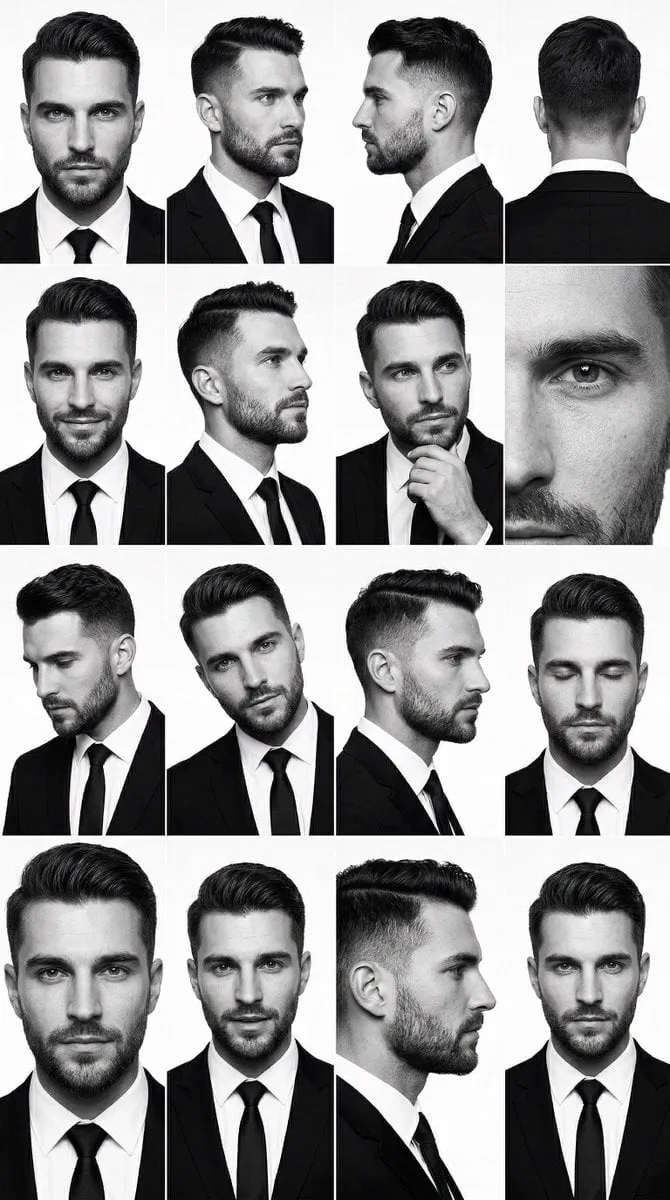

Reusing the Same Character in Every Scene: A Beginner's Guide to Multi-Image Fusion
If you have ever generated a video where the main character subtly changes face between one scene and the next, you have hit the single most frustrating problem in AI video creation: character consistency. You write the same prompt, describe the same person, and yet the model's interpretation drifts, changing an eye color here, a hairstyle there, until the "same" character feels like a stranger.
Multi-image fusion is a technique built expressly to solve that. Instead of describing a character once and hoping, you feed the model multiple reference images of the same person and let it learn a stable identity it can reuse across every scene. This guide explains how the technique works and gives beginners a clear, repeatable path to creating videos where the hero looks like the hero from start to finish.
Why Character Consistency Is So Hard
The difficulty is baked into how generative models work. Diffusion-based models are, at heart, translation engines that turn a text description into an image by sampling from what they have learned. When you give the same prompt twice, they do not reproduce identical results; they produce another plausible interpretation. That inherent randomness is wonderful for exploring ideas and maddening for keeping a character stable.
Compounding the problem, the scene changes between shots. A change in angle, lighting, wardrobe, or setting introduces new variables for the model to absorb, and each one is an opportunity for the character's identity to slip. By the time you have assembled a five-scene sequence, small drifts have compounded into an obviously inconsistent hero.
This is why consistency is the difference between a video that looks like a real film and one that looks like a string of unrelated AI images. Multi-image fusion addresses the cause, not just the symptom.
What Multi-Image Fusion Actually Does
Multi-image fusion starts from a simple insight: if one reference image is unstable, several strong references can anchor the identity. Rather than relying on a single picture, the technique gives the model a small set of images showing the same character from different angles, expressions, and lighting conditions.
From that set, the model builds a compact representation of the character's identity, often called an embedding. This serves as a reusable "fingerprint" of the person: the distinctive combination of facial features, hair, skin tone, and style that makes them recognizable. When you later generate a new scene, you supply that embedding alongside the scene prompt, so the new shot is constructed around the anchored identity rather than a fresh guess.
In practice, the process feels like uploading a few clear photos of your character and then generating scenes that all reference those photos. The identities stay locked, and you can move the character into whatever scenes your story requires.
A Simple Workflow for Beginners
You do not need deep machine-learning knowledge to use multi-image fusion well. A clear five-step process gets you most of the way there.
Gather Strong Reference Images
Collect three to five clear images of your character. Aim for variety in angle, a front view, a side view, a three-quarter view, and consistency in the core features you care about. If wardrobe matters, the references should share it. If the style matters, the references should match it. Each image needs good lighting and an unobstructed face.
Write One Fixed Identity Description
Define your character once, in writing, with a handful of stable descriptors: hair color and length, skin tone, eye color, distinctive marks, and wardrobe. Copy this exact description into every scene prompt. Consistency in your words makes it far easier for the model to treat the references as one person.
Start with a Single Scene
Before you build a whole sequence, render one test scene. Confirm that the character in the output looks like the person in your references. If not, adjust the references or the description before proceeding. This one cheap test saves a pile of expensive re-rolls later.
Reuse the Same References Across Every Scene
Use the identical reference set and the identical fixed identity line for every subsequent shot. Only change the action, camera, and setting in the prompt. Keeping the identity inputs constant is the single most important habit for consistency.
Review and Refine Scene by Scene
Generate one scene at a time and check the face before moving on. If a new scene drifts, fix it immediately rather than accepting drift and hoping it disappears. Hand-fix or re-render the offending shot to bring it back in line.
Keeping Style Consistent as Well as Identity
Characters are more than a face; style matters almost as much. A hero's outfit, color grading, and overall mood must stay consistent across scenes for the sequence to feel like one world.
Bundle your style into the same reference system. Keep wardrobe consistent in your references and description, and reuse identical lighting and color language in every prompt. If you want a warm, golden-hour look, say it the same way every time. Consistency compounds: matching identity, wardrobe, lighting, and palette together is what makes a multi-scene piece feel professionally directed.
Common Beginner Mistakes to Avoid
- Using only one reference image and expecting stability. One image is exactly the setup that drifts.
- Changing the identity description between scenes. Every variation is an invitation to drift.
- Rendering the whole sequence before reviewing anything. Check each shot as you go.
- Ignoring lighting consistency and then wondering why scenes look mismatched.
- Overcrowding the frame so the face is too small to stay recognizable.
Avoid these and you will save hours and a lot of frustration.
Multi-Image Fusion in Real Projects
The technique pays off fastest on projects with a recurring hero. Practical examples carry it further.
A short branded series can keep a mascot or spokesperson identical across every episode, building trust and instant recognition. A webcomic-style animated short can move one character through many settings without the audience ever doubting who they are. A product-focused ad can keep the same presenter consistent across multiple cuts and angles, which supports a cohesive brand feel.
In each case the discipline is the same: lock the identity with strong references and a fixed description, and only vary what the story requires.
What Still Needs Your Judgment
Multi-image fusion solves identity, but it does not replace creative direction. You still choose the story, the pacing, the lighting, the wardrobe, the music, and the final edit. The technique is an assistant that keeps the logistical nightmare of consistency under control, freeing you to focus on the human decisions that make a piece engaging.
It also has limits. Very long sequences, extreme camera moves, or heavy costume changes all stress consistency, and the technique works best when you respect those boundaries and keep changes incremental.
Testing Your Identity Before You Commit
The costliest mistake is discovering drift after you have already built a long sequence. A small, deliberate test up front protects you from expensive rework later.
Before you commit to a full project, run what is sometimes called a "consistency probe." Render the same character, using your chosen references and fixed identity line, in two clearly different scenes, such as a close-up indoors and a wide shot outdoors. Compare the faces side by side. If the identity holds, your foundation is solid and you can build confidently. If it drifts, fix the references or the description now, while the problem is cheap to solve, rather than after many scenes are already rendered.
A good probe is quick to run and worth its weight. Confirm identity, then confirm style, then confirm that the fixed identity line carries across the specific model you plan to use, and only then scale up. Sequencing your checks this way means you never discover a systemic problem at the worst possible moment.
Handling Wardrobe, Prop, and Look Changes Carefully
Stories often require a character to change outfits, pick up objects, or enter settings that compress the consistency requirements. These changes are where drift most often re-enters a project, so they deserve special care.
When a wardrobe change is necessary, keep everything else stable. Use the same face references and the same identity description, and change only the single element the story demands. Realize that every additional change multiplies the stress on consistency: a new outfit plus a new setting plus a dramatic camera angle is many changes at once, and the identity is more likely to slip.
A practical guideline is to change one variable at a time and re-test after each change. If the story needs a big shift, work or re-render in stages, locking the new look at each step before combining it with the next change. This staged discipline keeps even demanding character arcs consistent, and it is the difference between a character who evolves believably and one who simply changes unpredictably.
Turning a Character Into a Reusable Asset
One of the most valuable habits a beginner can adopt early is treating a well-locked character as an asset rather than a one-off experiment. Once you have assembled a strong reference set and a proven identity line, that combination can power many future projects with only small adjustments.
Store the reference images and the identity description together in a dedicated library, and note which model and settings produced the most consistent results. When a new project needs a similar character, you reuse the proven inputs instead of reconstructing them from memory. Over time this library becomes a source of creative capital: characters you can spin into new scenes, new stories, or even brand mascots that appear reliably across a whole series.
The discipline that creates the asset is the same discipline that makes any single video work. The only difference is foresight, realizing that today's locked identity can serve tomorrow's projects too. A small investment in organizing your references pays back every time you sit down to create.
Adapting the Technique to New Content Types
Multi-image fusion is described here through characters, but the same anchoring principle extends to a wide range of content, and seeing the breadth helps you recognize where it applies.
A product or logo that must appear identically across multiple ad cuts benefits from the same reference-anchored consistency. An architectural or interior-design presentation can keep a recurring space, fixture, or style consistent from one render to the next. Even a subtle brand signature, a repeated color treatment or a recurring mascot, can be anchored so it survives across a campaign.
The common thread is any repeated element that must not drift. Whenever exactly the same subject, style, or brand identity needs to hold across scenes, multi-image reference anchoring is the mechanism that keeps it stable. Once you recognize that pattern, you start seeing opportunities to apply the technique in projects far beyond character animation, making it one of the most broadly useful tools in a creator's kit.
Frequently Asked Questions
Does multi-image fusion require a powerful computer? Some processing is involved, but most tools handle it on the back end, so beginners can use it without custom hardware.
How many reference images do I need? Three to five clear, varied images is a reliable starting point. More helps with difficult cases.
Can I use it for a real person, like an actor? Yes, with proper rights and consent. Follow ethical guidelines and never misrepresent people.
Does it work for animals or objects as well? Yes. The same anchoring principle applies to consistent characters, mascots, products, or any recurring subject.
Is it the only way to keep consistency? No, but it is one of the most effective, especially for beginners who do not want to hand-tune every shot.
Final Thoughts
Character consistency is the hurdle that separates hobbyist AI video from intentional storytelling. Multi-image fusion gives beginners a concrete, learnable way to clear it, by anchoring a character's identity across scenes instead of trusting a single unstable prompt. Gather good references, write one fixed description, test before you build, and reuse the same inputs everywhere. Do that, and the same character can appear in every scene of your video, recognizable and believable, exactly the way a real story deserves.
