
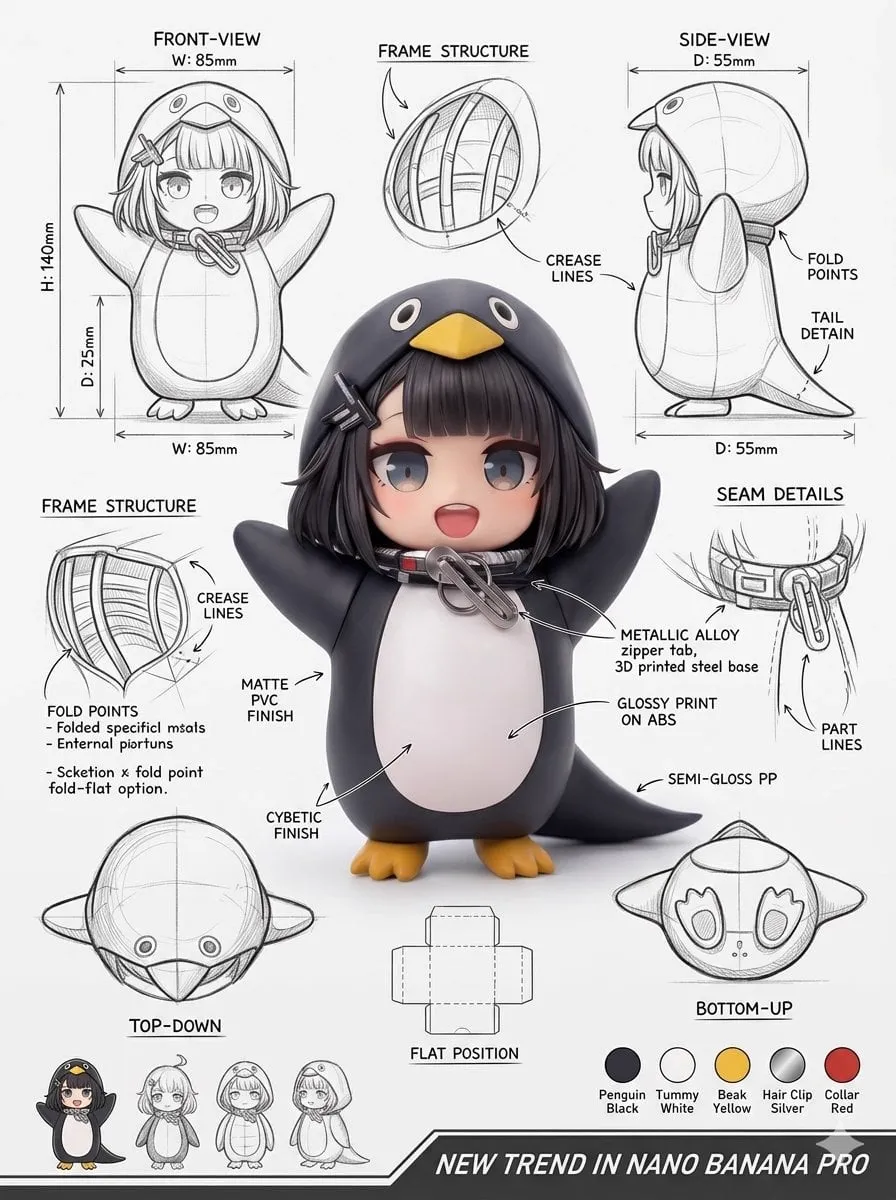
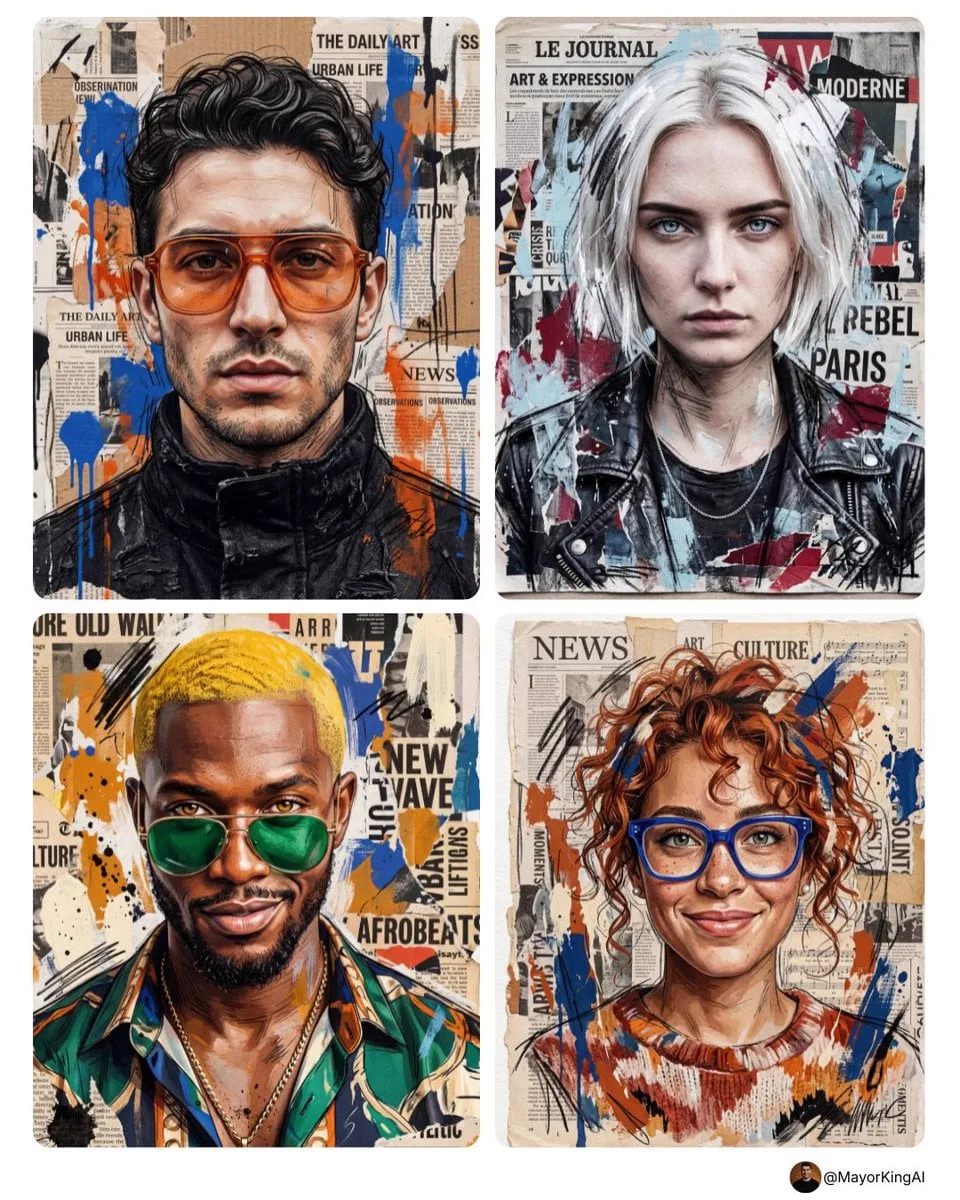
AI image generation has moved from a fun experiment to a serious production tool, and anime-style art is one of the areas where the results are most striking. Whether you are a solo illustrator, a small studio, a game developer, or a content creator who needs consistent character art at scale, the choice of generator and the way you organize your workflow matter more than the model itself.
This guide compares the best AI anime and art generators available right now and walks through a complete production pipeline: planning, prompting, iteration, character consistency, upscaling, and moving from still images to video. The goal is not to sell you on a single tool, but to help you build a repeatable process that delivers usable art, not just pretty samples.
What Makes an Anime Generator Different from a General Image Model
General-purpose image models are trained on enormous, diverse datasets, so they are excellent at photorealistic scenes, objects, and mixed styles. Anime and manga art, however, is a distinctive visual language with its own rules: clean linework, simplified but expressive faces, specific eye and hair rendering, cel shading, and a huge range of stylistic eras from 1980s cel animation to modern digital illustration.
A good anime generator understands these conventions. It knows that "anime style" is not one thing. A model that handles painterly backgrounds well may produce weak line art, while another model shines at crisp character portraits but fails at mechanical designs. The practical implication is that you rarely need one generator. You need a shortlist of two or three tools and the judgment to know which one fits the current shot.
There are also differences in how models are controlled. Some tools are closed platforms with simple text prompts and style presets. Others are open-source ecosystems where you can download fine-tuned checkpoints, control the sampling process, and inject style references. Neither approach is universally better. Closed tools are faster to learn and more consistent out of the box; open tools give you far more control when you know what you are doing.
How Modern AI Art Models Actually Work
You do not need a machine learning degree to use these tools well, but a mental model of the underlying process improves your prompts and your troubleshooting. Most current image generators are diffusion models. They start from random noise and gradually remove that noise in a series of steps, guided by a text prompt, until a coherent image emerges. The prompt influences every denoising step, which is why small wording changes can cause large visual shifts.
Several factors shape the result:
- The checkpoint or base model determines the default aesthetic.
- The prompt steers subject, composition, lighting, and mood.
- Negative prompts tell the model what to avoid, such as bad anatomy or extra fingers.
- Sampler and step count affect detail and rendering time.
- The seed gives you reproducibility; the same prompt and seed produce the same image.
- Reference images, LoRA adapters, and ControlNet-style inputs add structural guidance beyond text.
Understanding these levers matters because anime art is a style where small deviations are very visible. An extra finger, a broken line, or a strange eye shape ruins the piece immediately. Knowing how to re-roll, adjust a negative prompt, or fix a region inpainting is the difference between frustration and a smooth pipeline.
The Best AI Anime and Art Generators in 2026
There is no single winner, but the field has clear specializations. Here is how the main options break down by use case.
General-Use Platforms with Strong Anime Support
Midjourney remains the benchmark for polished, aesthetically pleasing results with minimal effort. Its anime and illustration styles are strong, and the platform's built-in style references and character reference features make it easy to keep a consistent look across a series of images. The tradeoff is less control over the exact process and a subscription pricing model.
DALL-E and similar frontier image models are excellent at following complex instructions and rendering text, which matters for posters and key visuals. Their default style is less "anime-native" than specialized models, but with careful prompting they can produce beautiful cel-shaded art, especially for backgrounds and concept work.
Open-Source Ecosystems
Stable Diffusion and its derivatives remain the most flexible option for anime work. The open ecosystem means thousands of community fine-tunes exist specifically for anime, manga, and specific shows or artists, distributed as checkpoints and LoRA adapters. You can run them locally with tools like ComfyUI or AUTOMATIC1111, control every parameter, batch process, and build automated pipelines.
The learning curve is real, but for studios and power users the control is unmatched. If you need a very specific style, want to train a custom character LoRA, or must process hundreds of images without paying per render, the open ecosystem is the right foundation.
Flux and the New Generation of Models
Flux represents a newer generation of models that combines strong prompt adherence with high visual quality. For anime and illustrative work, Flux-based models produce clean line art, accurate anatomy, and a wide stylistic range. Many platforms now route through Flux-family backends, which means you get the quality boost without managing the technical stack yourself. If you want studio-grade visuals with fewer artifacts, Flux-family models are a safe default.
Specialized Anime Tools
A small number of tools are built explicitly for anime creators. They often include features like character sheet generation, pose libraries, line art extraction, and colorization of sketches. These are worth trying when your project is heavily character-driven, because they remove steps that generic models handle poorly. The caveat is that niche tools sometimes lag behind the frontier models in raw quality, so evaluate them on your actual workload rather than on demos.
Choosing the Right Model for Each Stage of a Project
The smartest workflow treats model choice as a stage decision rather than a one-time commitment.
For concept exploration, cheap and fast models are ideal. You want to generate many rough directions, test compositions, and kill bad ideas quickly. Iterating fast at this stage costs almost nothing and dramatically improves the final result.
For hero art and key visuals, switch to your highest-quality model. This is where the investment pays off: a polished key visual sets the tone for the entire project. Use style references, carefully crafted prompts, and several rerolls to select the best base before any finishing work.
For backgrounds and environment art, favor models with strong architectural and painterly skills. Characters can be generated separately and composited, which gives you more control over the final scene.
For video, understand that image-to-video models work best when given a strong still. If your video needs a specific character, a moving camera, or a particular atmosphere, generate the key frame first, then animate it. This is covered in more detail later in this guide.
Building an Anime Art Pipeline: From Concept to Final Render
A repeatable pipeline matters more than any single tool. Here is a production sequence that works for solo creators and small teams.
- Define the style bible. Collect reference images for the visual direction: line weight, color palette, eye style, background treatment. Write a short style description that you reuse in every prompt.
- Create character sheets first. Before generating scenes, lock the main characters from multiple angles. These sheets become your consistency anchor.
- Explore compositions cheaply. Generate small, fast variations of each scene to find strong angles and layouts.
- Produce hero renders. Recreate the chosen composition on your premium model with full detail settings.
- Fix problem areas. Use inpainting or regional editing to correct faces, hands, and line breaks instead of regenerating the whole image.
- Upscale and clean. Apply upscaling, denoise, and light post-processing to reach final resolution.
- Organize assets. Keep prompts, seeds, and settings with each output so you can reproduce or modify any render later.
This sequence looks obvious, but the common failure is jumping straight to premium renders before the composition is settled. The result is beautiful images that do not fit the project. Planning stages save hours.
Keeping Characters Consistent Across Images and Scenes
Character consistency is the hardest problem in AI art, and it is exactly where anime projects live or die. Audiences notice immediately when a character changes eye color, hairstyle, or outfit between shots.
Modern solutions combine several techniques. Style and character reference features let you feed the model an image of the character and ask for the same person in a new pose or scene. LoRA adapters trained on a character are the most reliable approach in open ecosystems; a well-trained LoRA locks the character's appearance tightly. Some platforms now offer built-in character consistency features that work across a series of generations, which is the easiest option for non-technical creators.
The practical rule is to establish consistency before you need it. Generate the reference set first, test it in two or three scenes, and only then scale up production. If the character drifts, fix the reference, not the individual images.
Leveling Up: Moving from Still Art to Video
Anime art increasingly needs to move. Video models now accept a starting image and produce short clips with coherent motion, which opens up animated sequences, cinematic camera moves, and dynamic backgrounds.
The key principle is to treat the still as a production frame. A well-composed, high-detail still with clear subject separation gives the video model a much easier job. Describe the motion you want in the prompt: camera push-in, hair swaying, rain falling, a character turning toward the camera. Iterate on short clips, keep the seeds and settings, and assemble the best takes.
For longer sequences, generate the video in beats rather than expecting one long generation. Each beat becomes a shot, and the shots are edited together like a traditional animation. This approach gives you editorial control and makes consistency management manageable.
Common Mistakes and How to Fix Them
Every AI artist hits the same wall eventually. These are the failures that cause the most rework.
Prompt bloat. Stuffing every idea into one prompt produces muddled results. Break the scene into subject, style, lighting, and composition, and keep each part clean.
Skipping the negative prompt. In anime work, the negative prompt is not optional. Common terms like bad anatomy, extra fingers, and watermark belong there, and style-specific negatives clean up artifacts dramatically.
Ignoring the seed. When you get a render you almost like, change one variable at a time instead of starting over. Seeds make iteration scientific.
Overscaling too early. Upscaling a bad image gives you a larger bad image. Fix the concept first.
Forgetting the style bible. Every project drifts if prompts are rewritten from scratch each time. Reuse your style description and references everywhere.
FAQ
Which AI generator is best for anime art in 2026?
There is no single best tool. Midjourney and Flux-family models deliver the most polished results with least effort, while Stable Diffusion-based open ecosystems give the most control and customization. Choose based on whether you value speed or control.
Do I need a powerful computer to generate anime art?
Not necessarily. Cloud-based tools run everything remotely. If you want to run open-source models locally, a modern GPU with at least 8 GB of VRAM is a comfortable starting point.
How do I keep the same character across multiple images?
Use character reference features, train or download a character LoRA in open ecosystems, or build a reference set and test it across scenes before large-scale production.
Can AI-generated anime art be used commercially?
Yes, but check the terms of each tool and model. Some platforms grant full commercial rights, while some fine-tunes or dataset-derived styles carry restrictions. Read the license before shipping.
Is image-to-video a reliable way to animate my art?
It is the most reliable route for short, stylized sequences. Generate a strong key frame, animate it in beats, and assemble the shots in an editor.
How long does it take to learn a full AI art pipeline?
With a closed platform you can be productive in a day. Mastering open-source workflows, LoRA training, and consistency management typically takes a few weeks of regular practice.
The tools will keep changing, but the pipeline logic will not. Define your style, lock your characters, iterate cheaply, and save your settings. That discipline turns AI art from a source of random surprises into a dependable production system.
