
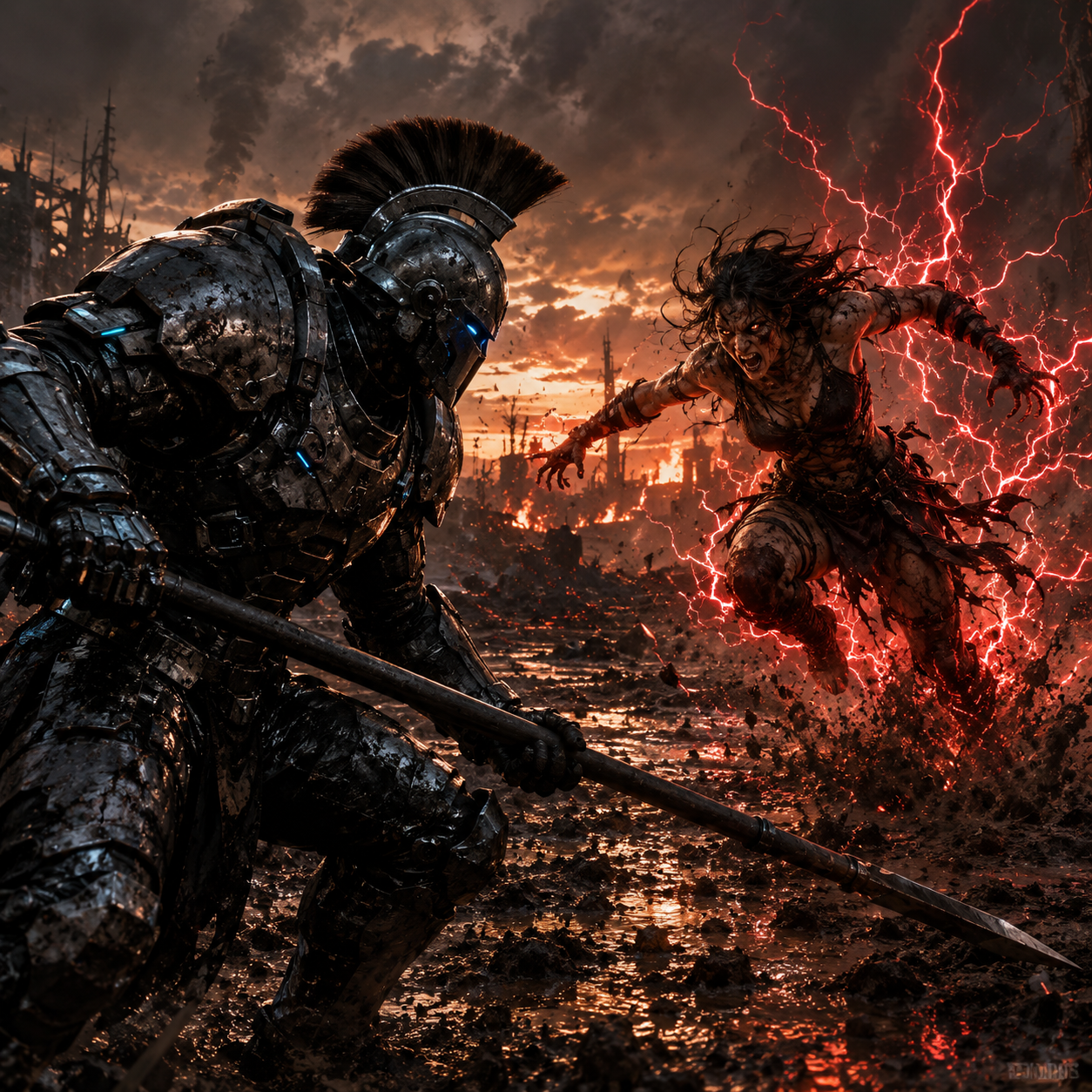

The 15 Best AI Image and Video Generators in 2025
The generative AI market has moved from novelty to infrastructure. What began as a trick — typing a sentence and getting a picture — has become the backbone of creative work across advertising, social media, film, gaming, and product design. By 2025, text-to-image is table stakes, and text-to-video has become the battleground where the major players compete.
Choosing a generator is no longer a single decision. Professionals now work with a portfolio of tools, matching each one to the job: a flagship model for hero visuals, a fast model for volume, a stylized model for art direction. This guide breaks down the top image and video generators of 2025, what each does best, and the trends shaping the year.
The State of the Market in 2025
From images to long-form video
The biggest shift is the transition from still images to motion. The best new models don't just render a frame; they maintain narrative coherence across scenes, keep characters consistent, and simulate physics convincingly. This matters because the demand has moved: brands want ads, creators want stories, and platforms reward video.
The market is expected to keep growing at a compound rate above 35% through the end of the decade, driven by video generation. That growth is pulling in every major AI lab and a wave of specialized startups, which means the tool landscape changes quickly. What stays constant is the evaluation framework: quality, control, consistency, speed, and cost.
The new competition: realism is no longer enough
Early competition was about who could produce the most realistic image. That race is largely settled — multiple models now produce photorealistic output that fools the eye. The new differentiators are efficiency, controllability, and consistency across long outputs. A model that lets you steer the camera, keep a character stable for minutes, and generate at scale is worth more than one that wins a single-frame beauty contest.
The Top Models by Category
Flagship photorealism and control
Flux series (Flux Pro, Flux Dev, Flux Schnell): The Flux family sets the standard for image generation quality and fine-grained control. Flux Pro is the go-to for high-end work where quality is non-negotiable: product shots, editorial imagery, brand campaigns. It is known for strong prompt adherence, excellent typography rendering, and clean details. For creatives who need the image to match the brief exactly, this is the benchmark.
Runway Gen-4: Runway has been a leader in video generation for years, and Gen-4 raised the bar again. It excels at realistic motion, camera control, and consistency across shots. Runway's strength is the balance between creative control and output quality — you can guide the camera, set the mood, and still get physically believable footage. It is a top pick for short films, ads, and concept visualization.
OpenAI Sora series (Sora Standard, Sora Turbo): Sora changed the conversation about what AI video could do. It handles long sequences, complex scenes, and physical plausibility better than most rivals. Sora Turbo trades some quality for speed, making it practical for iterative work. For narrative pieces with multiple characters and real-world logic, Sora is a serious option.
Kling AI: Kling, from Chinese tech company Kuaishou, rapidly became a favorite for its strong motion quality and competitive pricing. It handles character movement, camera work, and stylization well, making it a workhorse for creators producing at volume. Kling's iterations have steadily closed the gap with Western flagships while keeping costs lower.
Specialized and cost-efficient models
Midjourney: Still the community favorite for image generation. Midjourney's aesthetic — vibrant, painterly, distinctive — makes it the tool of choice for concept art, mood boards, and stylized visuals. Its control features have improved, but its real value remains the distinctive look and the strong creative community.
Stable Diffusion family: The open-source standard. Stability AI's models, combined with tools like ComfyUI, give advanced users total control: custom training, fine-tuning, precise prompt weighting, and offline generation. If you want to own your pipeline or train custom models, this ecosystem is the foundation.
DALL·E 3: OpenAI's image model remains a strong generalist. It excels at following complex natural-language prompts and is deeply integrated into ChatGPT workflows. For quick, reliable, well-understood image generation, it is still one of the easiest tools to use well.
Ideogram: The specialist for text rendering. Ideogram produces legible, correctly spelled text inside images — a notoriously weak point for many generators. It is the tool for posters, logos, social graphics, and any image where words matter.
Leonardo AI: A platform focused on game assets and production art. Leonardo offers strong style control, fine-tuned models, and a pipeline designed for creators making consistent asset sets. It is a solid choice for game developers and concept artists.
Adobe Firefly: Adobe's entry is integrated into the Creative Cloud ecosystem, which is its superpower: generate within Photoshop and Express, with commercially safe training. For teams already living in Adobe tools, Firefly is the natural companion.
Video specialists and rising players
Pika: Known for playful, creative video generation with strong motion and easy prompt-following. Pika has become popular with social creators who want fast, fun, high-quality clips without a steep learning curve.
Luma (Dream Machine): Luma's Dream Machine gained attention for fluid, dynamic motion and a distinctive cinematic feel. It is a strong option for creative experimentation and stylized shots.
PixVerse: A fast, accessible video generator with a focus on speed and cinematic lens control. It has grown popular among creators who need quick iterations and a wide set of camera presets.
MiniMax (Hailuo): MiniMax has impressed with realistic motion and character consistency, particularly in stylized and human-focused scenes. It is one of the strongest new entrants in the video space.
Tencent Hunyuan and Alibaba Wan: The Chinese tech giants have shipped capable video models with strong performance and aggressive pricing. They are increasingly competitive on quality and offer good options for cost-sensitive production at scale.
2025 Trends That Matter
Consistency is the new premium
The defining trend of 2025 is character and style consistency across long outputs. The market has moved from single impressive clips to coherent multi-scene videos: the same character, the same product, the same art direction across minutes of footage. Multi-image fusion and reference-based generation are the key techniques, letting creators lock a face or a style and carry it through the entire piece.
Agentic direction
The next layer of abstraction is "director" tools: systems that take a narrative brief and manage the technical execution — scene breakdown, shot suggestions, model selection, consistency checks. Instead of prompting every frame, you direct the piece and the system handles the details. This is where AI video is heading: from prompt engineering to creative direction.
Open-source flexibility
The open-source ecosystem keeps expanding, with models released under permissive licenses and a rich toolchain for fine-tuning. For businesses that need custom styles, private data, or full control, open-source models are increasingly the foundation of proprietary pipelines.
Community marketplaces
A new economy is forming around trained models. Creators train specialized models — a brand style, a character, a product — and share or sell them through community marketplaces. This turns model training into a revenue stream and gives buyers access to validated, specialized tools without training from scratch.
Integration beats isolation
Standalone generators are giving way to platforms. The winners in 2025 combine generation with workflow: asset management, reference libraries, batch production, API access, and analytics in one place. Teams don't want to stitch together ten tools; they want a system where a brief becomes a published asset with as few handoffs as possible.
How to Choose Your Toolset
- Define your output: if you need photorealistic ads, lead with Runway or Sora. For stylized concept art, Midjourney or Stable Diffusion. For text-heavy graphics, Ideogram.
- Consider control needs: commercial pipelines usually need fine control — Flux for images, Runway/Kling for video, Stable Diffusion if you need full custom training.
- Check the ecosystem: where does the tool live? Does it integrate with your editors, DAM, or automation stack? Integration is often worth more than raw quality.
- Test cost per usable output: price matters less than cost per approved asset. A more expensive model that passes on the first try can be cheaper than a budget model with a 20% acceptance rate.
- Keep a portfolio, not a single tool: the best teams use two or three generators and choose by scene type. Build a cheat sheet mapping models to use cases.
Practical Tips for Creators
- Build a reference library: faces, products, environments, color palettes. Consistency starts with references.
- Iterate in drafts: generate variations, curate hard, and only polish the winners. Drafting is cheap; polishing is not.
- Write shot intent, not just description: include framing, movement, lighting, and mood in prompts.
- Lock keyframes for long pieces: approved anchors prevent character drift across scenes.
- Use the specialist for the hard part: text rendering to Ideogram, anime to a stylized model, realism to the flagship. Don't fight the tool.
- Automate the pipeline: batch generation, templated prompts, and API integrations turn a tool into a production system.
Building a Comparison Framework That Survives the Market
The model landscape changes monthly, so a fixed "top 15" list goes stale fast. What lasts is the framework you use to evaluate any new tool. Here is the checklist we used to build this list — apply it to whatever launches next.
Output quality and consistency
Generate a standard test set with every new model: the same five prompts covering portrait, product, environment, action, and text. Compare the results side by side with your current tool. Judge both the best frame and the weakest — a model is only as good as its consistent floor.
Control and steering
Test how precisely you can steer the output: framing, camera, style, mood, and specific objects. The more control, the more professional use cases the model can serve. Ask: can I lock a character across scenes? Can I set the lens feel? Can I force the palette?
Efficiency and cost
Measure cost per approved asset, not per generation. A model with a 40% acceptance rate is expensive even at a low price per run. Track generation speed too — latency matters when you iterate in real time or produce at volume.
Ecosystem and integration
Check the surrounding system: API access, batch tools, community plugins, asset management, and licensing terms. A great model trapped in a closed workflow is worth less than a good model in a clean pipeline.
Community and support
The ecosystem around a model — tutorials, presets, forums, third-party tools — compounds its value. A thriving community accelerates your learning curve and extends the tool's capabilities beyond the vendor's own features.
A Practical Comparison Table
| Need | Primary choice | Runner-up | Watch out |
|---|---|---|---|
| Photorealistic images with fine control | Flux Pro | Leonardo AI | Cost adds up on high volume |
| Distinctive stylized images | Midjourney | Stable Diffusion | Less precise prompt control |
| Text inside images | Ideogram | DALL·E 3 | Limited to text-focused jobs |
| Long narrative video | Sora series | Runway Gen-4 | Longer generation times |
| Fast iterative video | Kling | PixVerse | Check consistency on long scenes |
| Open-source customization | Stable Diffusion | Flux Schnell | Requires local setup |
| Adobe ecosystem workflows | Firefly | — | Best inside Creative Cloud |
| Game and production assets | Leonardo | Stable Diffusion | Niche skill curve |
Use the table as a starting point, not a verdict. Your actual workloads will disagree with any generic ranking — that's fine. The point is to have a framework and to test against it.
From Tools to Pipelines
The biggest efficiency gain in 2025 isn't a single model — it's the pipeline around it. Teams that treat generation as a production step, not a destination, produce far more per hour:
- Prompt libraries: collect and tag prompts that work. Reuse them with small variations instead of writing from scratch.
- Batch workflows: generate in batches, review in batches, publish in batches. Context switching is the hidden tax on creative work.
- Reference systems: keep approved styles and characters reusable across projects.
- Review gates: standardize the acceptance criteria so quality doesn't drift under deadline pressure.
- Automation hooks: connect generation to publishing, analytics, and asset management wherever APIs allow.
The models are the engines; the pipeline is the vehicle. Engine upgrades matter, but a well-built vehicle with last year's engine beats a raw engine bolted to a cart.
Frequently Asked Questions (part two)
How often should I re-evaluate my toolset? Quarterly, unless a specific project demands it. Evaluate with your standard test set, not with hype. A 10% quality gain matters less than a 50% workflow gain.
Should I worry about licensing for commercial work? Yes, always. Verify the terms for training data, output ownership, and commercial use before any paid campaign. The tool with the friendliest terms can be the right choice even if it trails on raw quality.
Is there a free option good enough to start? Yes. Free tiers, open-source models, and low-cost plans are enough to learn the craft and validate a workflow. Upgrade when your acceptance rate and volume justify it.
What if my niche needs something none of these tools do well? Train or fine-tune. Open-source models make custom training accessible, and community marketplaces now offer specialized models for narrow niches. If the gap is real, it is an opportunity.
Common Mistakes to Avoid
- Chasing every new release: the tool changes monthly; your craft compounds. Invest in workflow and judgment, not just upgrades.
- Using one model for everything: forcing a single generator to do all jobs produces mediocre results and high costs.
- Ignoring consistency: without references, multi-scene pieces fall apart visually.
- Skipping the brief: the fastest way to mediocre output is prompting without intent. A short creative brief transforms the result.
- Neglecting commercial safety: verify licensing and training-data terms before using outputs in paid campaigns.
Frequently Asked Questions
What is the best AI image generator in 2025? For fine control and quality, Flux Pro leads. For distinctive style and community, Midjourney. For open-source flexibility, the Stable Diffusion ecosystem. The "best" depends on your use case.
Is Sora better than Runway? They compete at the top of video generation but differ in focus: Sora excels at long, physically plausible sequences; Runway offers deep creative control and a mature toolset. Test both against your actual footage.
Can I generate video from images? Yes — image-to-video is standard across major tools, and it is the best way to control character consistency: generate a reference image, then animate it.
Do I need a powerful GPU? Not for cloud platforms — they render on their infrastructure. You need local compute only if you run open-source models locally.
How do I keep a character consistent? Use reference images with multi-image fusion, lock keyframes for critical scenes, and keep the same model and parameters across the project.
Conclusion
The generative AI landscape in 2025 rewards judgment, not just access. The top 15 generators give creators extraordinary capability: photorealistic images, coherent multi-scene video, stylized art, and text rendering — often in the same workflow. But the models are only half the story. The other half is how you work: briefs before prompts, references before generation, curation before publication, and a portfolio of tools matched to the job.
The creators and teams that thrive will treat AI generation as a craft with its own discipline: plan, iterate, curate, and integrate. The tools will keep improving; the advantage goes to those who build the systems and the eye to use them well.
