
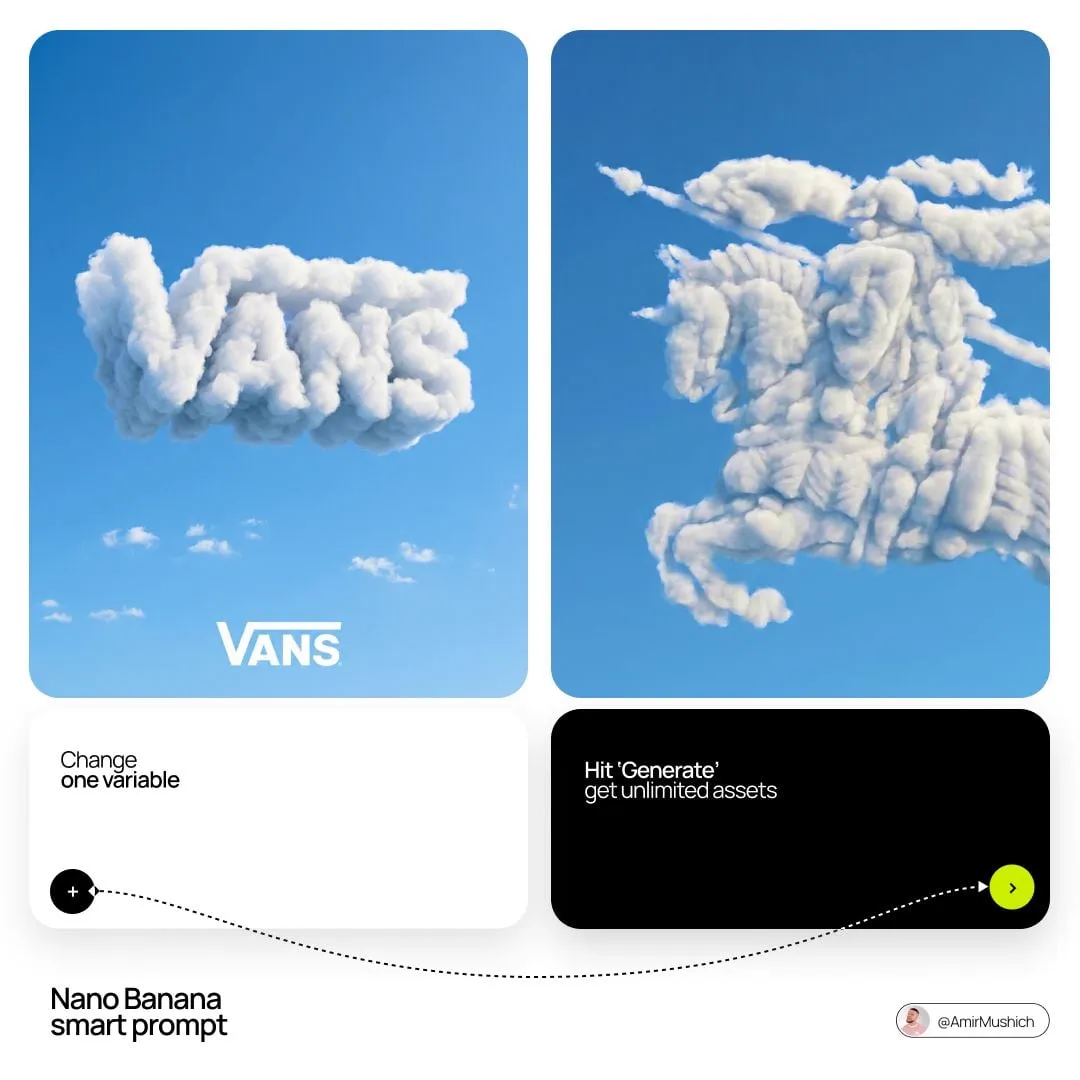
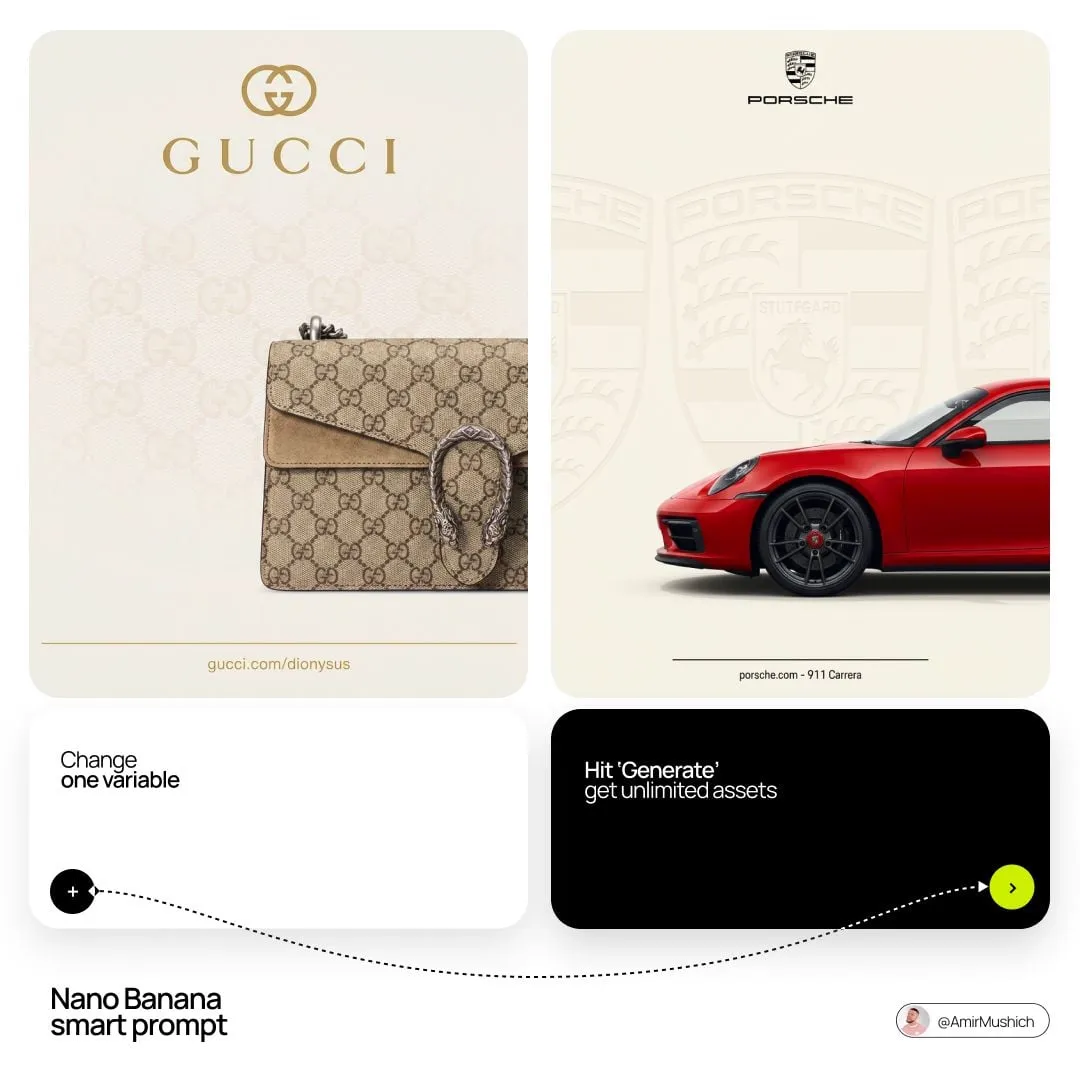
The way visual content is produced in Saudi Arabia has changed faster in the last two years than in the previous two decades. What once required a camera crew, a studio, and a long post-production pipeline can now be started with a single text prompt. For creators, marketers, and growing businesses across the Kingdom, AI image and video generators have moved from an experimental novelty to a practical production tool.
This guide is a practical roundup of the best AI image and video generators for Saudi Arabia. Instead of a simple list, it explains what each tool is genuinely good at, how to match a model to a use case, and how to build a repeatable workflow that produces consistent, high-quality, locally relevant content.
Why AI visual tools matter in Saudi Arabia right now
Saudi Arabia is in the middle of an ambitious digital transformation. The national strategy for media and entertainment, the growth of e-commerce, and the rapid expansion of the creator economy have all created strong demand for fast, affordable visual content. Businesses need product images, ad creatives, training videos, and social media clips at a pace that traditional production simply cannot match.
Three factors make AI generation especially relevant in the Kingdom:
- Speed. A campaign that once took weeks of planning, shooting, and editing can be concepted and delivered in days.
- Cost. Small and medium businesses can now produce professional-looking visuals without a dedicated production budget.
- Localization. AI tools allow teams to create content in Arabic, with locally relevant settings, clothing, architecture, and cultural context.
That last point is critical. Generic international stock footage rarely reflects Saudi audiences. AI generation gives local teams control over every detail of a scene, from the style of a building to the tone of a voiceover. A team in Riyadh can generate a branded campaign visual set in a familiar environment without traveling to a location or negotiating permits. That is a genuinely new capability, and it is why adoption has been so fast.
What to look for in an AI image and video generator
Before comparing specific tools, it helps to define the criteria that actually matter for a production workflow. Shopping by brand name alone leads to disappointment, because the best model for a cinematic commercial is rarely the best model for a daily social post.
- Output quality and resolution. The baseline for professional work is now high-resolution images and 1080p to 4K video. Look for tools that render sharp details, realistic skin texture, and stable lighting across the whole frame.
- Prompt understanding. A good model follows complex, multi-part prompts: subject, action, setting, camera angle, lighting, and style. This determines how much control you have over the final result.
- Frame consistency. For video, the biggest differentiator is whether a character or object stays visually stable from one shot to the next. Without consistency, a short film looks like a series of disconnected clips.
- Language support. Can the tool handle Arabic prompts and generate legible Arabic text inside an image? This matters for ad creatives and social posts where on-screen text is part of the design.
- Speed and workflow. Some tools are built for rapid iteration, others for high-fidelity final renders. Decide how many versions you need per day before choosing.
- Export and integration. Check supported formats, aspect ratios, and whether you can export with transparent backgrounds or alpha channels when needed for further compositing.
The quality-first tier: cinematic stills and film-grade video
For high-end production, the current leaders focus on image fidelity and cinematic control.
The Flux family of models has become a reference point for AI image quality. It excels at complex prompt understanding, meaning it keeps track of multiple simultaneous requirements: a specific character, a detailed environment, and a particular lighting mood. For Saudi projects, that translates into the ability to generate polished key visuals for campaigns, posters, and brand imagery with a consistent art direction. If you need one hero image that a design team can build an entire identity around, this is the category to look at.
Runway Gen-4 is the strongest option when the goal is video with real continuity. It produces longer sequences, maintains object and character identity across cuts, and offers camera controls that feel closer to a real production environment. Teams working on commercials, branded films, and premium social content will find the level of polish worth the learning curve. The workflow rewards planning: the more carefully you define the first frames, the better the model holds the story together.
Realism and long-form storytelling: Sora and Kling
When the goal is realistic motion and longer narrative clips, two models stand out for different reasons.
OpenAI's Sora is designed around scene understanding. It reasons about how objects move, how light behaves, and how a sequence of actions fits together. This makes it valuable for product demonstrations, cinematic establishing shots, and content where physics and spatial logic matter. If your video requires a car to turn correctly in a desert setting, or a fabric to move naturally with the wind, Sora-class models handle that reasoning more reliably than simple motion synthesis.
Kling AI has become popular for its strong motion realism and accessibility. It handles dynamic movement well, from walking characters to flowing fabrics, and produces results that hold up on social feeds. For marketers who need realistic video without a long post-production process, Kling is a reliable middle ground between cost and quality. It is also one of the easier models to adopt for teams that are new to AI video, because the default results are already strong.
Control and budget: PixVerse and MiniMax Hailuo 02
Not every project needs a top-tier cinematic model. For teams producing a high volume of content, control and efficiency matter more than absolute fidelity.
PixVerse offers strong visual control with a broad set of effects and stylization options. It is well suited to short social clips, animated transitions, and experimental formats where you want to iterate quickly. If your calendar requires five versions of an ad concept by the end of the day, PixVerse-class tools keep the pipeline moving.
MiniMax Hailuo 02 stands out for physical realism at a budget-friendly level. Objects behave naturally, light and shadow interact plausibly, and characters move with believable weight. For e-commerce product videos, explainer content, and daily social posts, it delivers a professional look without the cost of premium models. This is the model many teams reach for when volume matters and the shots are relatively simple.
Motion control and image-to-video: Luma, Pika, and Vidu
A large share of real production work is not text-to-video at all. It is image-to-video: taking a designed keyframe and animating it. Three tools lead in this area.
Luma Ray 2 is known for natural, coherent camera movement. You can define camera paths and motion, which reduces the shaky, amateur feel that plagues early AI video. It is a strong choice for architectural visualization, product reveals, and any content where camera language matters. A slow dolly-in on a product shot, for example, reads as premium in a way that static zooms do not.
Pika excels at video-to-video transformations and creative effects. You can take an existing clip and restyle it, add elements, or change the mood. This makes it useful for adapting one piece of content across different formats and aesthetics, which is exactly what a social media team needs when the same campaign must run on TikTok, Instagram, and YouTube Shorts with different looks.
Vidu Q1 is built for multi-reference generation. It can take multiple images of the same subject and combine them into a consistent animated sequence. This is exactly what you need when a brand asset must appear identical across several shots, or when a character designed in one tool needs to appear in scenes generated by another.
Specialized and animation-friendly models: Hunyuan and Wan
For animated content, stylized explainers, and children's media, specialized models offer strong options.
Tencent Hunyuan is strong at stylized and semi-realistic animation. It handles character design, expressive movement, and fantastical settings well, making it a good fit for animated storytelling and branded characters. Teams building a mascot or an animated series can rely on it to keep the visual language cohesive across episodes.
Alibaba's Wan series offers efficient, scalable generation with open-source-friendly options. For teams that want to experiment, fine-tune, or integrate generation into an existing pipeline, Wan provides flexibility and lower operational costs. It is particularly useful for high-volume content where cost per video matters, and for teams that want to keep control of their tooling rather than depend on a single closed platform.
A decision framework for Saudi use cases
There is no single best generator. The right choice depends on the job.
- Social media clips and daily posting: prioritize speed and ease; start with Hailuo or PixVerse.
- Brand imagery and campaign key visuals: prioritize image quality; use Flux-family models.
- Commercials and premium brand films: prioritize continuity and camera control; use Runway Gen-4, optionally with Sora for establishing shots.
- Product videos for e-commerce: prioritize realism and quick iteration; Kling and Hailuo both work well.
- Animated explainers and branded characters: use Hunyuan or Wan.
- Mixed projects: use an image-to-video tool like Luma or Vidu to keep a single character consistent across scenes.
The winning strategy for most teams is not to pick one model, but to build a small toolkit: one image model for keyframes, one video model for motion, and one fast model for iteration. This gives you speed when you need it and quality when the client demands it.
A practical workflow for Saudi creators and marketers
Here is a workflow that works for a typical campaign, from concept to published clip.
- Define the concept and write a short brief. Identify the audience, the message, and the visual mood. A one-paragraph brief is enough to guide every later decision.
- Generate keyframes with an image model. Create reference images for the main character or product, and for each location. These references are the anchor for consistency.
- Animate with an image-to-video or text-to-video model. Use the reference images to keep identity stable across shots, and regenerate any shot that drifts.
- Review consistency. Check faces, clothing, colors, and lighting between shots. Do this on a contact sheet or storyboard so problems are visible early.
- Add audio. Use a voiceover tool for Arabic narration and a sound library for music and effects. Audio is half the perceived quality of a finished video.
- Localize and export. Produce Arabic captions, correct aspect ratios for the target platform, and export at the highest resolution your workflow allows.
Building your own toolkit without breaking the budget
A common mistake is signing up for every premium tool at once. A smarter path is to start small, prove the workflow, and expand only when a specific gap appears.
Start with one image model and one video model. Learn them well enough to produce a complete piece of content: keyframes, animation, and export. Most teams discover their real needs only after finishing a few projects. The second tool to add is usually an image-to-video model, because reference-driven animation solves the consistency problems that text-only workflows cannot. Only then consider specialized models for animation, audio, or fine-tuning.
Budget follows the same logic. Spend on the shots that reach the final cut, not on drafts. A fast model for iteration and a premium model for delivery is a pattern that works at every scale, from a solo creator to a full agency. The money is better spent on process, review, and reference assets than on unused premium subscriptions.
FAQ
Are AI-generated visuals appropriate for professional Saudi brands?
Yes, when treated as production tools rather than shortcuts. Many agencies now use AI for concepting, key visuals, and social content, while reserving traditional production for hero campaigns. The results are indistinguishable from mid-budget production when the workflow is disciplined.
Do these tools support Arabic text and prompts?
Support varies. Most leading image models can generate legible Arabic text inside an image, and all major platforms accept Arabic prompts. Always test text rendering for your specific use case before committing, because diacritics and calligraphic styles can be inconsistent.
Do I need expensive hardware?
No. All the tools mentioned run in the cloud. A standard laptop and a stable internet connection are enough for most workflows. The heavy computation happens on the provider's servers.
How do I keep a character consistent across multiple shots?
Generate a reference image of the character first, then use image-to-video or multi-reference tools that accept that image as an anchor. Consistency is a property of the workflow, not just the model. The more often you feed the same reference back into the pipeline, the more stable the result.
Is AI content a replacement for photographers and filmmakers?
It is a complement. AI handles iteration, volume, and localization faster than any crew. Human judgment still drives concept, taste, and final approval. The teams that adopt AI early are not the ones that fired their creative staff; they are the ones that stopped outsourcing simple production and reinvested the savings in better strategy.
