
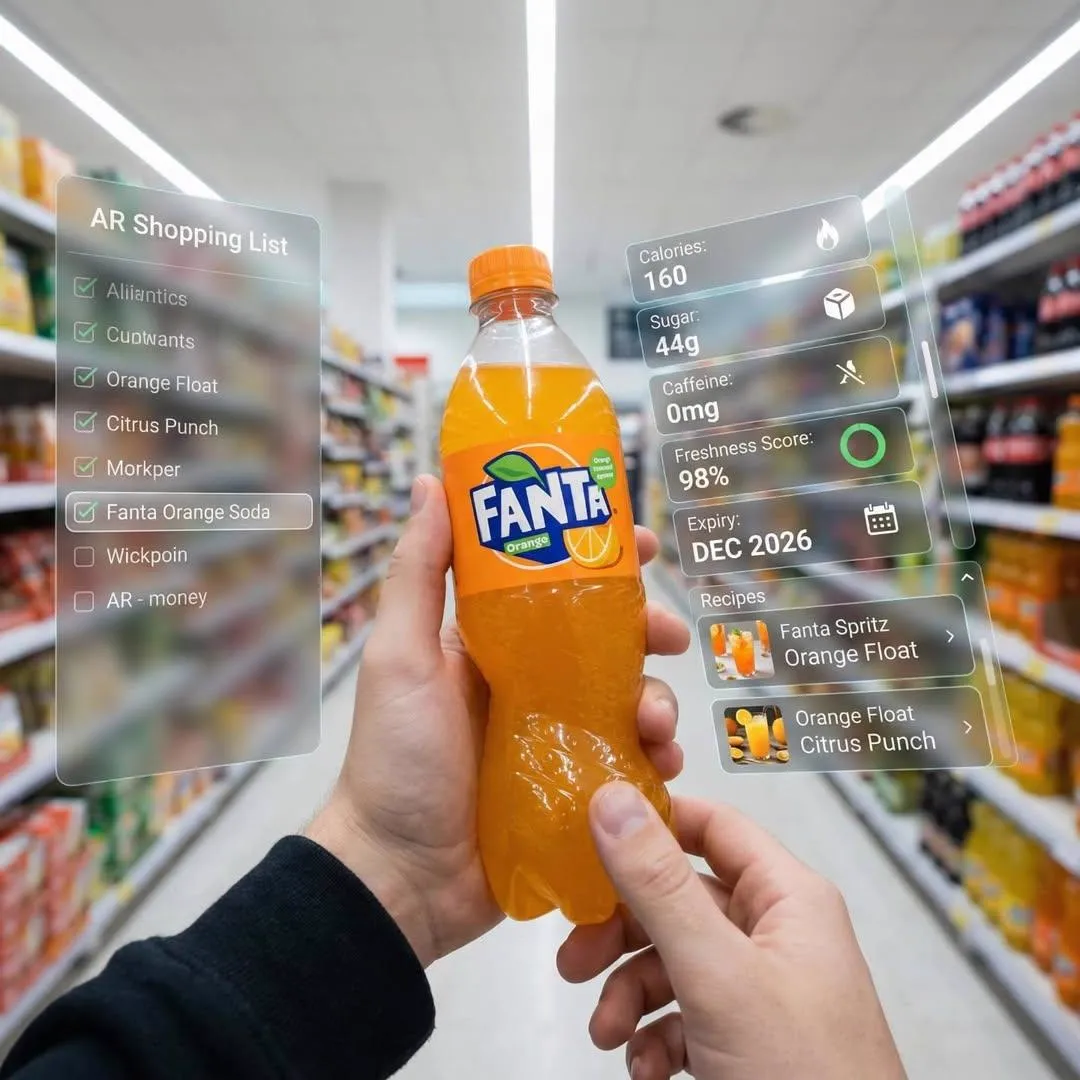
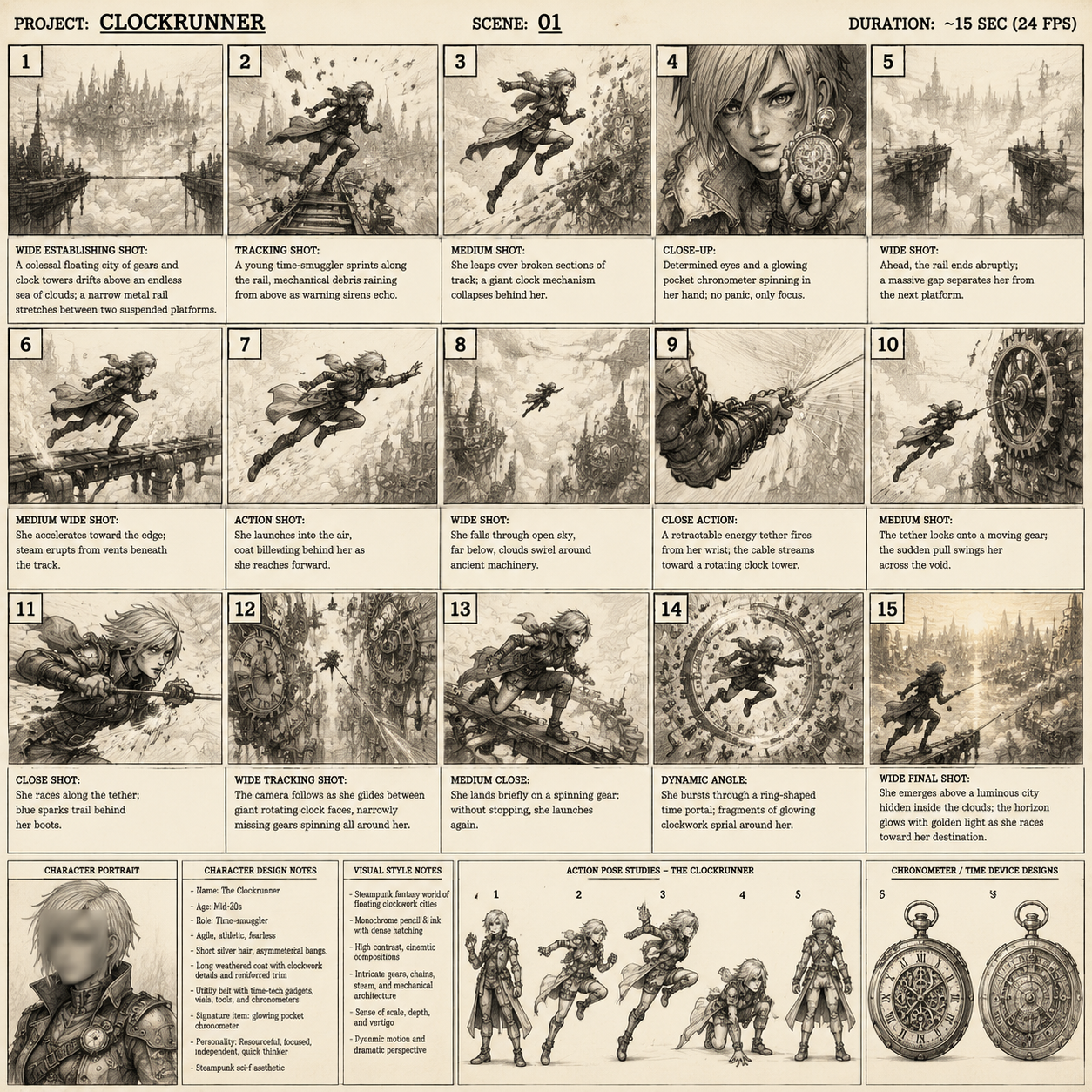
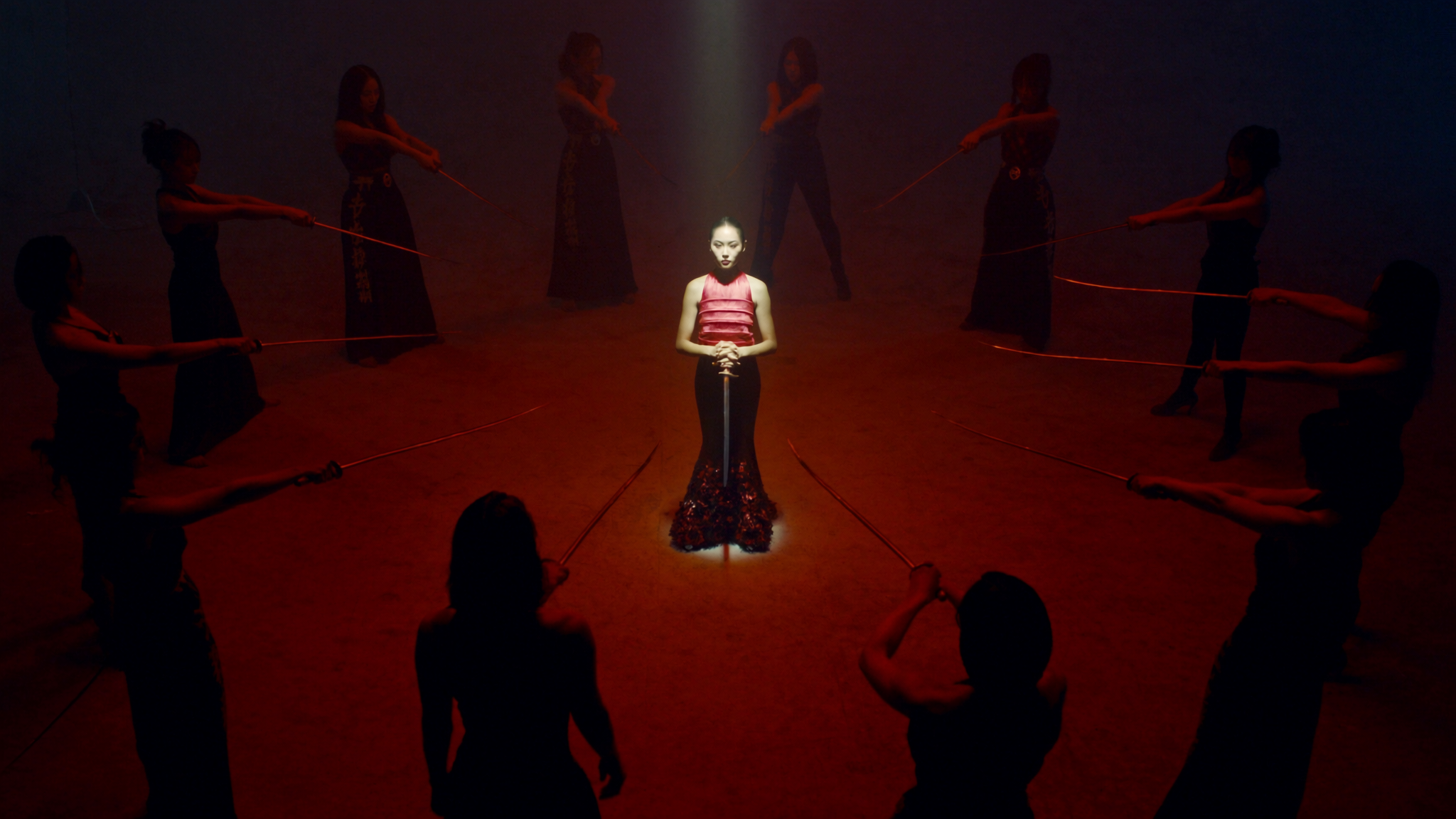
The choice of AI video tool used to be simple because there was only one option worth considering. That era is over. The middle of the current decade brought a wave of text-to-video and image-to-video models, each with distinct strengths: cinematic quality, prompt adherence, speed, cost, and style. Choosing the right tool for a project is now a real decision with real consequences. This article compares the leading AI tools for generating video from text and images, explains the differences that actually matter, and gives you decision criteria for every common use case, from social media content to client work.
The Model Landscape: One Ecosystem, Many Specialists
The most important shift is that no single model dominates anymore. The market has become an ecosystem of specialists. Some models set the standard for cinematic realism, with detailed lighting, natural motion, and strong temporal consistency across long sequences. Others win on prompt adherence, translating complex instructions into exactly the composition you described. A third group focuses on efficiency: faster generation and lower cost, good enough quality for iteration and social formats.
Understanding the landscape changes your workflow. Instead of learning one tool deeply and forcing every project through it, you match the model to the job. A quick concept test does not need the most expensive cinematic model. A hero shot for a client does. Building a mental map of which model family handles which job will save you more time than any feature tutorial.
The Tiers of the Model Landscape
The Cinematic Tier: Quality and Control
At the top of the range are models built for near-professional output. They produce long, coherent sequences with realistic physics, consistent characters, and cinematic camera work. The flagship generation from one leading lab is known for narrative coherence and visual consistency over longer videos. The leading commercial video platform is equally respected for its control over camera motion, object behavior, and character identity, making it a default choice for filmmakers and agencies.
These models are the right call when the video is the product: a brand film, a product launch, a short film, a high-stakes social campaign. Their cost and render time are higher, and their free tiers are limited, but the output justifies the investment when quality determines the outcome. For these projects, budget for iteration: plan two or three passes and reserve the quality tier for the final one.
The Accessibility Tier: Speed and Value
Below the cinematic tier sits a group of models that deliver remarkably good results at a fraction of the cost and render time. They are the workhorses of daily content production: social media clips, internal communications, e-learning videos, and rapid prototypes. Their motion is clean, their style control is decent, and their speed makes iteration cheap.
The key advantage of this tier is volume. Because each generation is fast and affordable, you can test ten concepts in the time the cinematic tier would take for one. That changes the creative process: you explore more ideas, fail faster, and arrive at the final concept with evidence instead of intuition. For most creators, most days, the accessibility tier is the right default, with the cinematic tier reserved for the shots that carry the campaign.
Adherence-Focused and Specialized Models
Prompt adherence is the hidden variable in video generation. Two models can produce equally beautiful images and still fail completely differently at following instructions. Adherence-focused models shine in commercial work where the brief is precise: specific composition, specific action, specific brand constraints. When the client says "the product must face left and the logo must be visible," an adherence model is worth more than a prettier one that ignores you.
Specialized models fill the remaining gaps. Some are optimized for motion quality, handling fast action and complex movement. Others excel at specific aesthetics, like stylized animation or regional visual culture. And one family of models, known for strong instruction following and human features, has become a reliable default for creators working in Chinese-language content. The practical rule is to keep a shortlist of three: one cinematic, one fast, one adherence-focused, and rotate by project.
Text-to-Video vs Image-to-Video: When to Use Each
The two input modes are not interchangeable; they serve different stages of the workflow. Text-to-video is the ideation tool. You describe a scene and explore what is possible, testing concepts without committing to a visual direction. Its weakness is control: the model decides the details, and those details drift between generations.
Image-to-video is the production tool. You lock a still image, and the model extends it in time. Because the style, composition, and subject are already defined, the output stays close to intent. Use image-to-video whenever you have a reference: a product photo, a character design, a mood-board frame. The best projects move from text-to-video exploration to image-to-video production as soon as the visual direction is approved.
Building a Model Selection Framework
Stop choosing tools by reputation and start choosing them by criteria. Build a simple framework with four questions. First, what is the deliverable: a quick social post or a hero piece? Second, what is the critical quality: fidelity, adherence, or speed? Third, how much iteration is planned, and what does each attempt cost? Fourth, what are the usage rights, especially for commercial work?
Score your shortlisted tools against these questions for each project. You will find that the same tool rarely wins all four, which is the point: the framework exposes trade-offs instead of hiding them. Write the answers down before you start generating, and you will avoid the most expensive mistake in AI video, which is starting production with the wrong model and discovering it after a day of work.
A Practical Workflow with Multiple Tools
A multi-tool workflow beats a single-tool workflow in most projects. Start with text-to-video on a fast model to explore concepts and lock the idea. Move to image-to-video once the visual direction is approved, using a consistency-friendly model for the character or product. Reserve the cinematic tier for the hero shots and the final pass. Use the adherence-focused model for any shot with strict compositional requirements.
Keep the project assets organized: one folder for reference images, one for prompts, one per generation attempt. Consistency depends on reusing the same references and the same prompt language across tools. And keep a log of which model produced which shot, so the next project starts with data instead of guesswork.
Cost and Rights Considerations
The commercial side of tool selection deserves the same attention as the creative side. Free tiers are great for learning and concept testing, but they often limit resolution, add watermarks, or restrict commercial use. Paid tiers typically add commercial rights, higher fidelity models, and faster queues. The question is not whether paid is worth it, it is whether the project's outcome justifies the tier.
Check the license terms for the models you actually use, not just the platform. A model's training data and terms determine whether you can monetize the output, use it in client work, or register it as a trademark. Keep records of the generations and the terms you accepted. For client work, write the usage rights into the contract. The tool choice is a business decision, and it deserves business discipline.
Choosing Your Stack
Model Families at a Glance
A quick mental map helps you place any tool you meet. The cinematic family, led by the flagship commercial video platform and the major research lab's latest generation, is where long sequences, character identity, and camera control live; expect the highest quality and the highest cost per generation. The accessibility family covers fast, affordable models that render in seconds and look good enough for social feeds, e-learning, and internal video; this is the daily driver for most teams. The adherence family prioritizes instruction following, producing exactly the composition you asked for even when the scene is complex; choose these when the brief is strict. The motion-specialist family excels at dynamic action, sports, and fast movement where other models blur or distort. The regional family includes models optimized for specific languages and aesthetics, which can beat global models when your audience expects that cultural context.
These families overlap, and new releases blur the lines further. The practical use of the map is not classification for its own sake; it is to give you a vocabulary for testing. When you try a new tool, ask which family it belongs to and test it against the current leader in that family. If it does not beat the leader on your own test prompts, it is not an upgrade for you, whatever the demo reel says.
Real-World Use Cases by Creator Type
Different creators need different mixes of the model families. A social media manager publishing daily clips should default to the accessibility family for volume, use the adherence family for branded templates where the logo position and message matter, and reserve the cinematic family for campaign hero pieces. An indie filmmaker or short-film creator should live in the cinematic family, using image-to-video with character references to keep continuity across shots, and treat fast models only as pre-visualization tools. A product and e-commerce team should lean on image-to-video: product photography already exists, and animating it with a subtle camera move creates lifestyle content without a photoshoot; the adherence family protects the brand book, and the cinematic family handles the launch video.
An educator or course creator benefits most from the accessibility family plus strong caption support, because the value is in the explanation, not the visuals. A game or animation studio uses the cinematic family for concept reels, the motion-specialist family for action tests, and the regional family when localizing content for specific markets. Write down your own use case and the two or three model families that serve it; that shortlist becomes your production policy. Every new tool that appears should earn a place on that list by beating an incumbent on your own prompts, not by hype.
Frequently Asked Questions
Which AI video tool is the best? There is no best tool, only the best fit for a project. Define the deliverable and the critical quality first, then choose.
Is text-to-video or image-to-video more important? They serve different stages. Text-to-video explores ideas; image-to-video produces consistent output. Learn both and move between them.
How do I keep characters consistent across tools? Build one reference pack and reuse it in every tool. Keep identity in the images and action in the prompts.
Can I use AI-generated video commercially? Only if the tool and model license allows it. Verify commercial rights before monetizing or using in client work.
How much does AI video generation cost? Costs range from free tiers with limits to subscription plans and per-generation fees for premium models. Budget for iteration, not just final renders, because failed generations are part of the process.
How important is a good prompt compared to the model? The model sets the ceiling; the prompt determines how close you get to it. A strong prompt on a mid-tier model often beats a weak prompt on the best model.
Keeping Up Without Burning Out
The model landscape changes fast, and the pressure to chase every release is real. The sustainable approach is scheduled evaluation, not constant testing. Set aside a fixed time each month to test new tools against your shortlist, using the same three test prompts you always use. Everything else stays the same in your workflow. This gives you the benefits of staying current without rebuilding your process every week.
Between reviews, ignore the noise. Your consistency, your references, and your taste are what compound; a new model is only valuable when it improves an output you were already producing. Adopt tools on evidence, not on announcement day.
Final Thoughts
The explosion of text-to-video and image-to-video tools is a gift that comes with a new skill: choosing. The creators who win are not the ones who found the single best tool, because it does not exist. They are the ones who understand the trade-offs, match the model to the moment, and build a workflow that moves fluidly between exploration and production. Learn the landscape, build your framework, and let the tools compete for your projects. Your judgment is the moat that no model can copy.
