


The Best AI Video Editors for Reels: Turning Short Clips Into Stories
Short-form video stopped being a trend and became the default way people watch content. Reels, TikTok, Shorts, and their clones now dominate feed time, and every brand, creator, and local business needs a steady stream of clips that stop the scroll. The catch is volume: posting daily requires a production pace that traditional editing cannot sustain. That is why AI video editors moved from novelty to necessity. This guide covers what to look for, which workflows actually work, and how to build a repeatable process for short-form video that does not burn you out.
What Short-Form Video Demands From an Editor
Short-form is a different medium from YouTube or film, and it punishes editors who treat it like compressed long-form. The average viewer decides in under two seconds whether to keep watching. That forces specific requirements onto any editing tool.
The first requirement is speed. A tool that takes an hour to produce a 30-second edit fails the medium's economics. The best AI editors compress the timeline: paste a script, pick a style, and get a rough cut in minutes.
The second is format awareness. Vertical 9:16 framing, safe zones for platform UI, correct caption behavior, and output settings tuned for each platform matter. A tool that exports square or letterboxed video is wasting your time.
The third is captioning that actually works. Most short-form video is watched with sound off, and captions are the difference between a video that communicates and one that is skipped. Good AI editors generate captions automatically, sync them to speech, and let you style them.
The fourth is hooks. The first shot must earn the second shot. AI tools that help you draft, test, and regenerate opening moments are worth more than any fancy transition.
The Core Capability: Generation vs. Assembly
AI video editors split into two camps, and knowing the difference prevents expensive mistakes.
Assembly-first editors are the heirs of traditional editors. They take your footage, clips, images, and audio, then use AI to cut, arrange, caption, and polish. They are excellent for creators who shoot or source real footage. Their AI does the tedious work: finding the best moments, syncing to music, generating captions, removing silence, and suggesting transitions.
Generation-first editors create footage from nothing. They take a prompt or script and produce the visuals themselves, either as entire clips or as enhancements over stills. They are the right choice when you have no footage at all, or when the concept is impossible to shoot, such as a product demo in zero gravity or a stylized fantasy scene.
The strongest modern workflows use both: generate the impossible shots, assemble everything else from real material, and let AI handle the polish. Editors that integrate generation and assembly cleanly are the ones worth adopting.
Text-to-Video for Reels
Text-to-video is the fastest way to fill a content calendar. Describe the shot, and the model generates it. For Reels, the practical use cases are concept visualization, b-roll that would be expensive to shoot, stylized transitions, and rapid idea testing.
The discipline that makes text-to-video work in short-form is prompt structure. Reels shots are short, so the prompt must specify the subject, the action, the camera move, the mood, and the format in a tight package. "A barista pours latte art in a sunlit cafe, top-down angle, slow zoom, warm tones, vertical 9:16" produces a usable b-roll shot in one line. Vague prompts produce generic footage, and generic footage produces zero engagement.
Text-to-video also excels at iteration. Because each generation is cheap, you can produce ten hook variants and test which one performs before committing to the full video. This A/B approach to the first two seconds is a superpower that no traditional editing workflow offers.
Image-to-Video and Motion
Image-to-video starts from a still and adds motion. For Reels, this is often the highest-quality approach, because the still gives the model a locked composition and the motion stays believable.
Product shots benefit immediately. A clean product photo becomes a slow cinematic orbit, a pouring motion, or a sparkle reveal, without a studio. Character and style consistency also improve, because the reference image anchors the look across a series of videos.
The best practice is to design the still first: compose it like a frame from the final video, then animate. If the still is weak, no amount of motion will save it. This also means a single strong brand asset, such as a character sheet or product render, can generate an entire series of Reels with a consistent visual identity.
Key Editing Capabilities to Look For
When evaluating AI editors, check these capabilities against your actual workflow rather than the marketing page.
Auto-captions with style control. The tool should transcribe accurately, sync to speech, and let you set font, color, highlight style, and position. Keyword highlighting, where the most important words pop, measurably improves retention.
Music sync and beat detection. Cuts that land on beats feel professional. The editor should detect the track's rhythm and offer to snap cuts, transitions, and caption pops to it.
Aspect ratio and safe-zone handling. Vertical export with correct margins and no clipped UI elements is table stakes. Bonus points for one-click reformatting between 9:16, 1:1, and 16:9.
Silence removal and pacing. Short-form dies in dead air. Auto-removal of pauses and stutters, with adjustable aggressiveness, keeps the pace tight.
Template and series workflows. A tool that remembers your brand style, fonts, and settings between videos turns one-time editing into a production system.
Regeneration hooks. The ability to regenerate a single shot or scene without rebuilding the whole project, especially in generation-first tools, is what makes iteration practical.
Choosing Models for Reels Work
Behind any AI editor is a set of generation models, and the choice affects the look. For photorealistic product and lifestyle content, models in the Flux family and Runway's Gen series are strong picks for fidelity and filmic motion. For stylized and fantasy content, Kling and Wan models bring distinctive aesthetics and confident motion. For fast iteration, Luma, Pika, and MiniMax Hailuo offer speed that matters when you are testing hooks.
The practical approach is to keep a small rotation: one premium model for hero shots, one fast model for drafts and filler, and one stylized model for the content type that dominates your brand. Test each new model on your own benchmark clips instead of trusting reviews, because short-form performance differs from long-form.
A Repeatable Workflow for a 30-Second Reel
Here is a workflow that produces a polished Reel in under an hour once you have your assets.
Step 1: Lock the hook. Write the first two seconds as a specific question, claim, or visual. Generate or shoot three hook variants and pick the strongest. This decision drives the whole video.
Step 2: Script to the beat structure. Short-form follows a predictable arc: hook, setup, payoff, call to action. Write one or two lines per beat, keeping the total script tight enough for 30 seconds of voiceover.
Step 3: Generate the visuals. Use text-to-video for concept and b-roll shots, image-to-video for product or character shots, and real footage where authenticity matters. Keep each shot between three and eight seconds.
Step 4: Assemble and caption. Drop the shots into the editor, apply your brand style, generate captions, and sync to music. Remove silence and tighten the pacing.
Step 5: Format and export. Export vertical with correct safe zones, then review the first two seconds on a phone screen. If the hook does not pop, regenerate it before publishing.
Step 6: Ship and measure. Post, then track retention and completion rate. Feed the winning formats back into your template library so each round of content gets smarter.
Consistency Across a Series
The creators who win at short-form are not the ones with the single best video; they are the ones with a recognizable series. Consistency is a compounding asset, and AI makes it achievable.
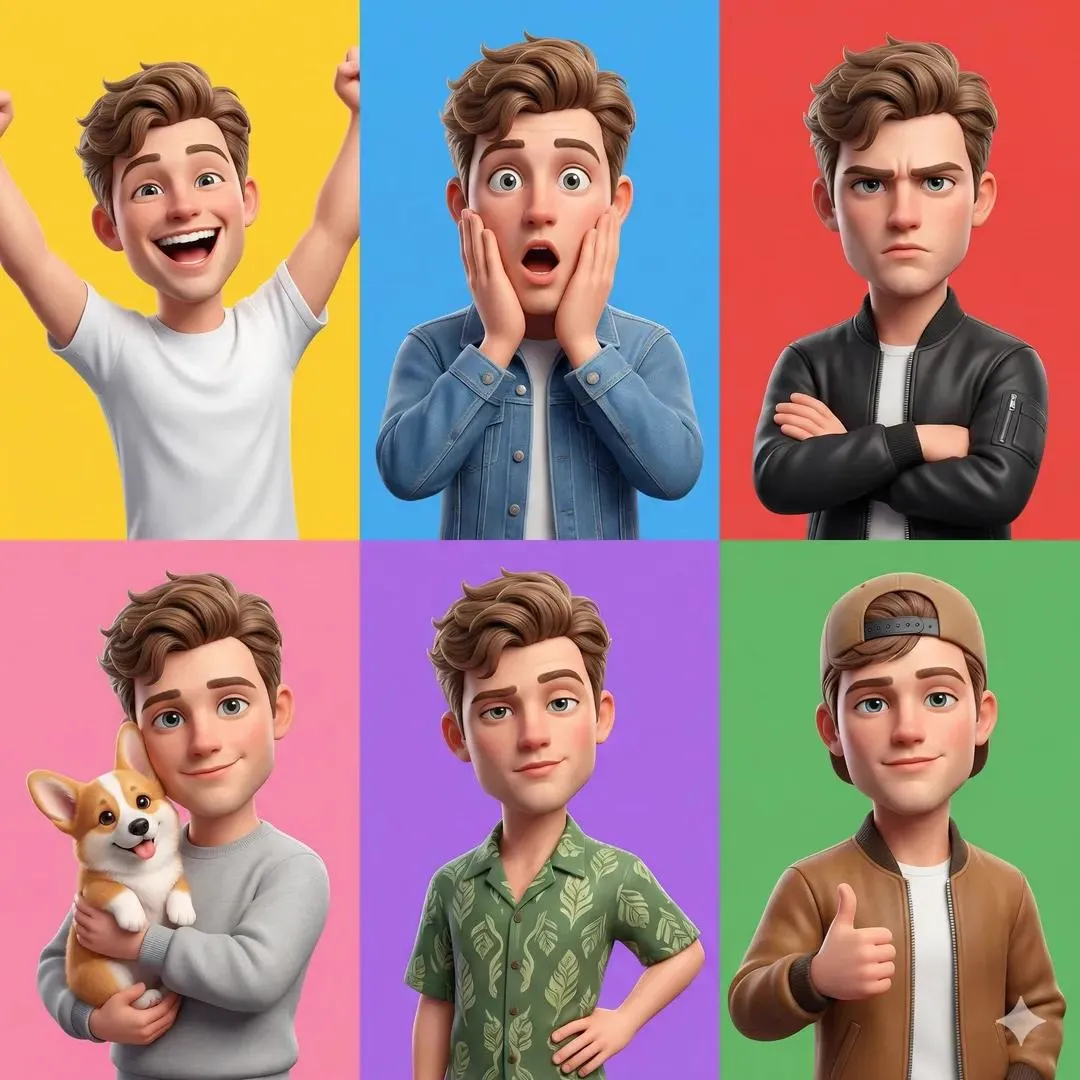
Lock the recurring elements: the host or character, the color grade, the caption style, the intro shot, and the music direction. Reference-driven generation keeps the character or product identical across episodes. A documented style guide, even a simple one-page document, lets every video in the series share a visual identity without re-deciding the look each time.
Series also build algorithms. Viewers who recognize the format are more likely to watch, and platforms reward consistent engagement. The marginal cost of the tenth video in a series is far lower than the first, which is exactly the economics that make AI short-form production sustainable.
Audio-First Editing for Social
Sound is the hidden half of short-form. Music choice sets the energy, voiceover carries the message, and sound design makes cuts land. Edit with audio first: pick the track, place the voiceover, then cut visuals to the sound. Editors that make this easy, with waveform-friendly timelines and one-click beat snapping, produce better videos faster.
Voiceover quality matters more than most creators think. A clean, energetic read with natural pacing outperforms a robotic one even when the visuals are identical. Use the best voice generation you have access to, and leave room for pauses; dead air between sentences reads as confidence, while dead air mid-sentence reads as an error.
Common Mistakes and How to Fix Them
Weak hooks. The most common failure is a video that starts with a logo or a slow setup. Fix: generate three hook variants before editing anything else and pick the one that makes you want to see the next second.
Caption neglect. No captions, or default captions that cover the subject, kill reach. Fix: generate captions, style them to the brand, and check them on a phone.
Pacing drift. Videos that drag in the middle lose viewers even when the hook is strong. Fix: remove silence aggressively and cut every shot that does not advance the beat.
Inconsistent look. A series where every video looks different confuses the audience and weakens the brand. Fix: apply the style guide and reference assets to every episode.
Ignoring the platform. A video formatted for YouTube does not belong on Reels. Fix: design vertical first, and only adapt outward.
Templates, Trends, and the Content Calendar
Short-form rewards consistency and timeliness, and both are easier to manage than most creators think. The two levers are templates and a calendar.
Templates are the factory tooling of short-form. A template captures the structure of a winning video: the hook format, the beat order, the caption style, the transition, and the music direction. Once a format performs well, duplicate it with new subjects and scripts instead of reinventing the edit each time. The best AI editors support template libraries that remember brand settings, and a library of a dozen proven templates is enough to sustain months of daily posting without creative burnout.
The calendar is the other half. Plan content weekly or monthly, batch the production, and leave room to react to trends. A trend is a temporary spike in audience interest in a topic, format, or sound, and short-form platforms actively amplify it. The workflow for riding a trend is simple: identify it early, produce a version of your template that fits it, and publish fast. Speed matters more than polish for trend content, which is exactly where the fast tier of AI generation shines.
Batching against the calendar solves the daily-grind problem. Instead of producing one video every day under deadline pressure, produce ten videos in two focused sessions a week. The quality is higher, the pressure is lower, and the pipeline has slack for trend responses. Most creators who burn out on short-form are not failing at editing; they are failing at planning.
A practical weekly rhythm: Monday, review performance and pick topics; Tuesday, script and storyboard the batch; Wednesday, generate and edit; Thursday, schedule and prepare trend contingencies; Friday, ship and measure. The rhythm adapts to your audience, but the principle holds: plan the system, then let the system produce.
Frequently Asked Questions
Can AI editors replace manual editing for Reels? For most short-form workflows, yes. AI handles assembly, captions, pacing, and generation, and the creator's job becomes direction and taste. Complex custom edits still need manual work.
Do I need footage, or can AI create everything? Both paths work. Real footage gives authenticity; generated footage gives flexibility. The best content mixes them.
How do I keep my Reels consistent? Build a style guide, lock characters and products with reference images, and reuse templates. Consistency compounds across episodes.
Which is more important, the hook or the edit? The hook decides whether anyone watches; the edit decides whether they stay. Fix the hook first, then polish the edit.
The Bottom Line
AI video editors have matured into real production tools for short-form, with the speed that Reels demand and the quality that viewers expect. Choose tools that combine generation and assembly, build a repeatable workflow around hooks and captions, and lock your series identity with references and templates. The creators who treat short-form as a system, not a series of one-off edits, are the ones who win the feed.
