
What an AI Editor Needs to Prove
The market for AI video editors has grown fast, and the names change quickly. Chasing the newest product is a mistake. What matters is whether an editor can do the job your project needs, and most short films fail for the same reasons: characters that change appearance between shots, motion that looks unnatural, and footage that does not match the intended style.
This guide breaks down what to look for in an AI video editor for short films, compares the main approaches, and walks through a workflow that takes a short film from script to final cut. The goal is not to crown a single winner. It is to give you the criteria to evaluate any editor against your own project.
What to Look for in an AI Editor
Control over output
The biggest differentiator between AI editors is control. Can you supply a starting image? Can you set a keyframe and have the model animate toward it? Can you steer the camera? Can you adjust the prompt for a single clip without regenerating everything? Each level of control costs time to learn but pays back in usable output. Editors that only accept a text prompt are the fastest to start with and the hardest to direct precisely.
Character consistency
Short films with characters are the hardest case for AI video. If the protagonist's face changes halfway through, the film loses its emotional grounding. Look for editors that accept multiple reference images of a character, or that support training a small custom model for that character. Multi-image reference input is the practical minimum; custom model support is the reliable upgrade.
Style and motion quality
A good editor lets you lock a visual style across the whole film, and it produces motion that follows the logic of the scene: weight, momentum, and camera behavior. Test this before committing. Generate the same prompt on several tools and compare how objects move. Movement is where AI video still visibly fails, and the tool you choose determines how often you have to regenerate.
Export and integration
Short films still get finished in a real editing timeline. Check that the editor exports clean clips at the resolution and frame rate you need, with predictable file sizes and no watermarks on paid plans. Integration with your editing software matters more than any single fancy feature.
Text-to-Video and Image-to-Video Editors
Text-to-video editors take a prompt and return a clip. They are ideal for the "impossible shot" — flying cities, dream sequences, abstract transitions — and for generating establishing imagery quickly. Their weakness is intentionality: the output is a suggestion, not a delivery, and getting a specific action to happen is still hit or miss.
Image-to-video editors start from a still you provide. That still can be a character design, a location painting, or a frame from your storyboard. The model then animates it, which gives you far more control over composition and look. For narrative short films, image-to-video is the more reliable workhorse, because every scene begins from an image you already approved.
The strongest workflows use both. Text-to-video for the shots that need to be invented, image-to-video for the shots that need to match the art you designed. Mixing them is not a weakness; it is how professionals get variety without losing the thread.
Editors That Keep Characters Consistent
Character consistency is the feature that separates editors suitable for films from editors suitable for clips. The tools that handle it well share a few capabilities.
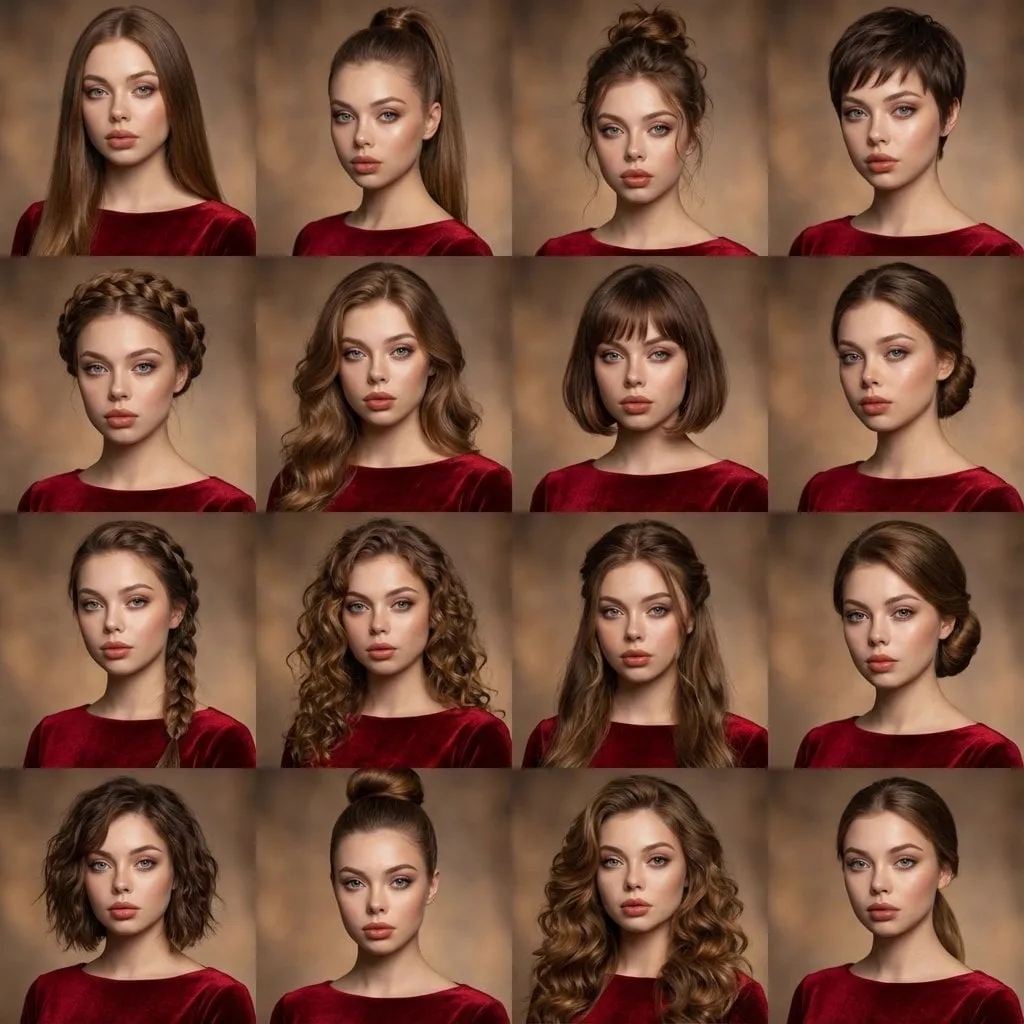
The first is multi-image reference. You upload several images of the same character from different angles, and the editor extracts a visual identity that it applies across the generation. This works best when your reference images are consistent themselves: same lighting, same outfit details, same proportions. Garbage in, garbage out applies to references as much as to prompts.
The second is custom model training. Some editors let you train a small model on your character, so the identity is baked into the generation process rather than inferred from references each time. This is the most robust approach for longer films, because it preserves identity even when the character changes pose, expression, or setting.
The third is keyframe-based animation. You give the editor the first and last frame of a movement, and it generates the transition. This gives you direct control over what happens in a shot, which is essential for scripted action. If a tool supports reference images and keyframes together, it can handle most of a short film's production.
From Script to Final Cut: A Practical Workflow
Step 1: Lock the art direction
Before generating anything, define the look. Collect or generate a style reference: color palette, lighting mood, character designs from multiple angles. This step is cheap and prevents the expensive failure of regenerating everything later because the style drifted.
Step 2: Storyboard with stills
Build your film as a sequence of stills first. For each scene, decide the composition, the camera angle, and the key moment. These stills become the input for image-to-video generation, and they also serve as your shot list. This is where an AI director agent can help: describe the scene in text and let it suggest framing options, then approve the ones that match your vision.
Step 3: Generate scene by scene
Generate one scene at a time and check it against your references. Confirm the character looks right, the motion is logical, and the style matches. Regenerate the scenes that fail. Doing this scene by scene is slower at the start and much faster overall, because problems are caught where they occur.
Step 4: Assemble and edit
Bring the approved clips into your editor. Cut for rhythm, add transitions only where they earn their place, and layer in sound. Sound carries a surprising amount of the emotional weight in a short film, so treat music and effects as first-class elements, not afterthoughts.
Step 5: Export and review on a real screen
Export at full quality and watch it on a proper display, not just in the preview window. Check for flicker, color shifts between clips, and pacing issues. Fix what you can by editing; regenerate only what you must.
Managing Budget Without Losing Quality
Generation costs add up quickly if you let them. The discipline is to spend on the shots that matter and economize everywhere else.
Spend your budget on hero shots: the moments the audience will remember, the shots with your character's face in close-up, and anything that carries emotion. For those, use the highest quality settings and as many takes as needed.
Save on filler: establishing shots, transitions, and background plates. Generate these at lower resolution or with faster models, since they will be on screen briefly and often covered by music or cuts. A common trick is to generate the hero scenes first, then measure the remaining runtime and fill it with cheaper material.
Also, keep a library of reusable assets: style references, character references, and approved background plates. Every scene you can generate from an existing asset costs less than one that needs everything created fresh.
Choosing the Right Editor for Your Project
Match the editor to the film, not the film to the editor.
For a stylized, art-led short film, prioritize style consistency and reference support. The tool must reproduce your art direction faithfully across every scene.
For a character-driven narrative, prioritize character consistency: multi-image reference and custom model training are non-negotiable.
For a fast-paced action or experimental piece, prioritize motion quality and keyframe control. The tool needs to handle movement without breaking the scene's logic.
For a first project, prioritize ease of use and low cost. Your first short film teaches you the workflow; you can invest in a more capable tool once you know what you actually need.
Whatever you choose, test it with the same few prompts you will use in production: a character shot, a motion-heavy shot, and a style-locked shot. If it passes those three, it can probably carry your project.
FAQ
How long does an AI short film take?
A tight two-minute film with a clear workflow usually takes a few days of focused work, including iterations. The generation itself is fast; the time goes into references, direction, and editing.
Do I need to know how to draw?
No. The references can be generated with image tools, and composition guidance is available from director agents and from studying films you admire. Drawing skills help, but they are not a requirement.
Can AI short films make money?
Yes, through ad revenue, sponsored content, festival submissions, and licensing, but the bar is quality and consistency. A film that looks accidentally generated will not hold an audience. The films that earn attention are the ones where the human direction is visible.
What is the most common beginner mistake?
Generating dozens of clips before locking the art direction, then discovering the style drifted and everything needs to be redone. Lock the look first, then generate.
Signs an Editor Will Slow You Down
Every editor has limits, but some limits are deal-breakers for film work. Watch for these signs before you commit.
No reference image support means every character consistency problem is on you to solve in text, which is not actually solvable. If the tool cannot accept a starting image, it is built for clips, not for films.
No way to lock settings means every generation can drift in model, style, or seed. Tools that hide or randomize these settings make consistency a lottery.
Export limitations — watermarks on paid plans, capped resolution, or fixed frame rates — bite at the finishing stage, when you discover your film cannot be exported cleanly. Check export options on day one, not on delivery day.
No iteration history means you cannot return to a previous version or see what changed between runs. Film work is iterative by nature, and a tool that forgets its own history forces you to redo work.
None of these are fatal on their own, but two or more of them together will cost you more time than the tool saves.
Test Before You Commit
The only reliable way to choose is to test. Build a three-shot test that mirrors your production: one character close-up, one motion-heavy action shot, and one style-locked scene. Run the same three prompts through every tool on your shortlist.
Score the results on the three things that matter: character consistency, motion quality, and style fidelity. Also time the workflow: how long does one usable shot take from prompt to export? A tool that produces slightly better images but takes three times longer will lose the race on a real project.
Test with the footage you will actually make, not with showcase prompts. A tool that handles a flying dragon beautifully may fail on a character walking through a room, and your film is about the room.
Keep the results. The test shots become your reference for what each tool can do, and they prevent the expensive mistake of switching tools mid-project after the look has already started to form.
FAQ
Can I use different editors for different scenes in one film?
Yes, and many professionals do, as long as the look is locked. Use whatever tool produces the best result per scene, but keep the style references, models, and color grade consistent, and check every scene against the same sheet.
How much does an AI short film cost to make?
The range is wide, from nearly free with free tiers and patience to hundreds of dollars for a heavily generated production. The cost is driven by regeneration, so the cheapest way to lower cost is to lock your art direction and references early.
The Bottom Line
The best AI video editor is the one that fits the film you actually want to make. Look for control, character consistency, and style locking, build a workflow that generates scene by scene, and spend your budget on the shots that matter. The tools have made short film production accessible. The craft is still yours.
