
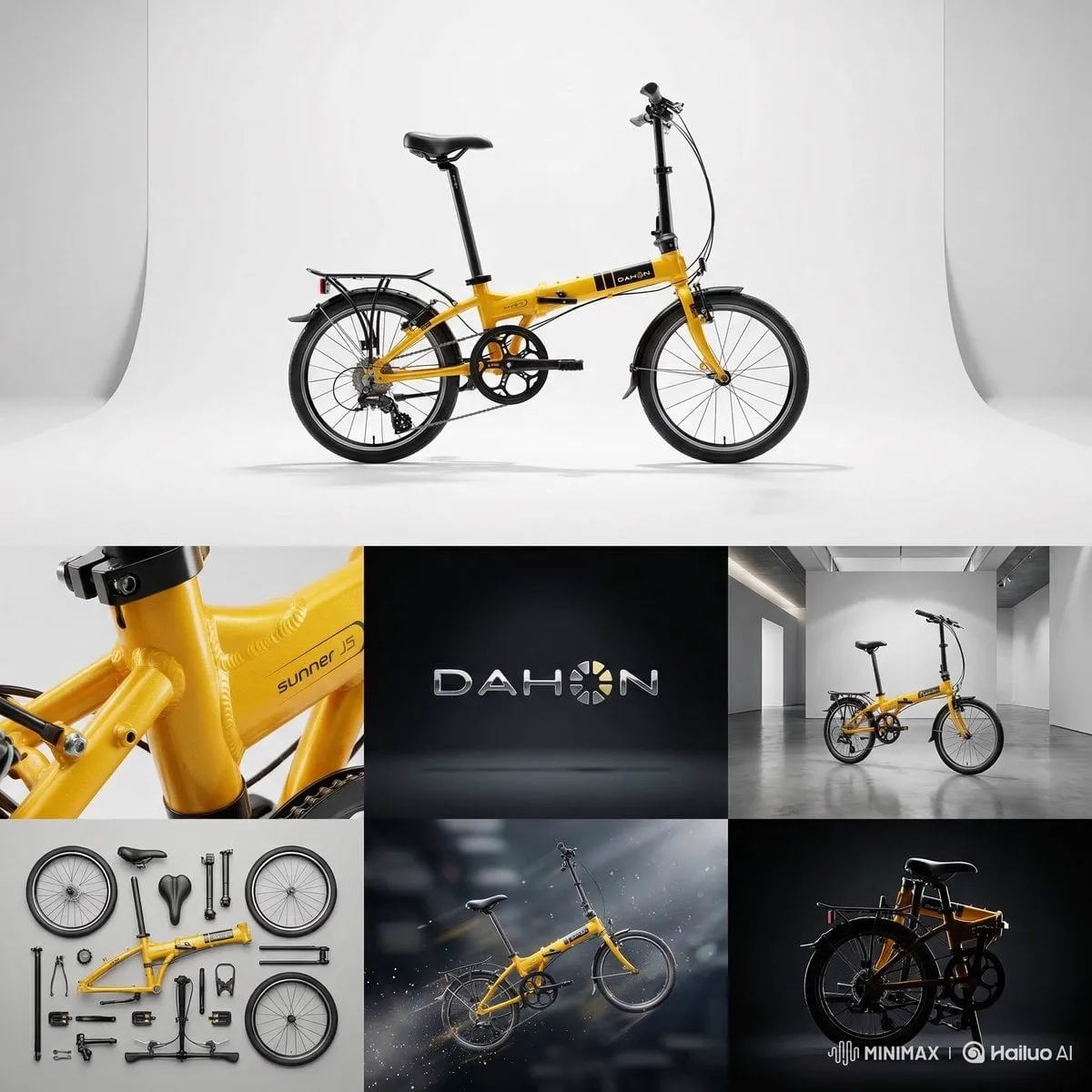
AI video generation has moved from a niche experiment to the center of the digital content ecosystem. In 2025, the market for AI-generated video is growing rapidly, and the question is no longer whether you should use these tools, but which ones you should use. Sora, Kling, PixVerse, Runway and dozens of other models compete for attention, each with different strengths in realism, motion consistency, and prompt fidelity.
This guide breaks down the best AI video generators of 2025, explains what makes each one valuable, and gives you a practical framework for choosing the right tool for your projects.
The State of AI Video Generation in 2025
The industry has entered what analysts call the industrial application phase. Basic video creation is no longer enough. Users expect cinematic quality, fast iteration, and brand consistency. Every new model pushes the limits of the previous generation, making realism, character stability, and prompt adherence dramatically better than just a year ago.
Three shifts define the current landscape. First, generation quality has crossed a threshold where AI footage is often indistinguishable from real footage in short clips. Second, speed has improved to the point where a full video can be generated in minutes rather than hours. Third, the tools have become integrated platforms rather than single-purpose experiments, combining video generation, image generation, editing, and audio tools in one interface.
For creators, this means the barrier to entry has never been lower, but the skill of choosing and combining models has become more important. The best results come from people who understand which model to use for which task.
How to Evaluate an AI Video Generator
Before comparing specific tools, it helps to define the criteria that matter. Different projects need different capabilities, and a model that is perfect for one use case may be useless for another.
Quality and realism
The most obvious criterion is output quality. Photorealistic models produce footage that looks like it was shot with a real camera, with natural lighting, skin texture, and motion blur. Stylized models produce animation, anime, or painterly looks. You need to decide which aesthetic your project requires before choosing a tool.
Motion consistency
A common failure of early video models was flickering or morphing between frames. The best 2025 models maintain stable subjects across a full clip, so a character looks the same at the beginning and the end. This matters enormously for narrative content, brand videos, and anything with recurring characters.
Prompt fidelity
Some models interpret prompts loosely, producing something that resembles your description but misses key details. Others follow instructions strictly, which is essential when you have a precise vision. For commercial work, strict prompt adherence saves time and reduces the number of retries.
Speed and cost
Generation speed varies widely. Some models produce a short clip in under a minute; others take several minutes. Cost is equally variable, and the most expensive models are not always the best fit for high-volume work. A smart strategy is to reserve premium models for hero shots and use cheaper models for supporting footage.
The Top AI Video Generators in 2025
Sora
Sora, from OpenAI, remains the benchmark for text-to-video quality. It excels at generating complex scenes with realistic physics, camera movement, and temporal coherence. Its ability to handle long prompts with many interacting elements sets it apart. The main drawbacks are cost and wait times, which make it best suited for high-impact projects rather than daily content.
Kling
Kling, developed by Kuaishou, is one of the strongest performers from Asia and is particularly appreciated for its motion dynamics and cultural nuance. It handles fast movement, action sequences, and stylized content well, and it offers an excellent balance between quality and accessibility. Kling is a strong default choice for creators who want cinematic results without the premium cost of the top-tier Western models.
Runway
Runway has built a complete creative suite around its video models. Gen-4 and its successors integrate image generation, video generation, and editing tools into a single workflow, which makes it extremely efficient for professional studios. Runway's strength is control: you can refine scenes, use keyframes, and iterate quickly within one interface.
PixVerse
PixVerse focuses on accessibility and community. It offers a wide range of styles, including strong anime and 3D looks, and its user interface is beginner-friendly. For creators who want to experiment quickly or produce content in a specific style, PixVerse is an attractive option.
Flux Series
While Flux is best known as an image generation model, its integration into video workflows gives it a special role. Its photorealistic image quality and fine detail control make it an excellent starting point for image-to-video pipelines, where a high-quality reference image is animated into a clip.
MiniMax and Luma
MiniMax Hailuo and Luma Ray 2 represent the value tier. They offer good quality at a fraction of the cost of premium models, making them ideal for high-volume content, social media posts, and iterative experimentation. Their performance per generation is among the best on the market, and they handle common use cases like talking heads, product demos, and simple animations very well.
Choosing Between Models: A Practical Framework
Start by defining your project type. For a commercial spot with photorealistic requirements, choose a premium model and budget for retries. For a social media series, choose a value model and focus on volume and consistency. For a stylized animation, look for a model that specializes in your aesthetic rather than the most realistic one.
The second step is to separate image and video generation. High-quality reference images, generated with a strong image model, dramatically improve video output regardless of the video model you use. Many professionals generate keyframes as images first, then animate them with a video model. This approach gives you control over composition and character design before the expensive video generation step.
The third step is to standardize your prompt templates. Write prompts that consistently describe camera angle, lighting, style, and subject placement. Once you have a template that produces reliable results, adapt it for each scene instead of writing every prompt from scratch.
Workflow Strategies for Professional Results
A professional workflow rarely uses a single model. The strongest results come from combining tools. One common pipeline starts with an image model to design characters and scenes, moves to a video model for animation, and finishes with an editing suite for sound, text, and final cuts.
For long-form content, break the video into scenes and generate each scene separately. This gives you more control over pacing and lets you retry individual scenes without regenerating the whole video. For series content, maintain a style guide and reuse the same reference images across episodes to keep characters consistent.
Batching is another key practice. Generate multiple variations of a scene in one session, then select the best take. This is more efficient than generating one version, reviewing it, and waiting for another. Most platforms allow queueing multiple jobs, so you can prepare a batch and review the results together.
Avoiding Common Mistakes
The most common mistake is using the most expensive model for everything. Premium models consume more resources and take longer, so they should be reserved for hero shots, opening scenes, and client-facing deliverables. For everything else, value models are often indistinguishable in quality to the average viewer.
Another mistake is neglecting prompt design. A poorly written prompt wastes time and budget. Invest in learning how to describe camera movement, lighting, and style precisely. Study the prompt guides published by the model providers, since each model responds differently to wording.
Finally, do not ignore consistency. If your project needs a recurring character, use reference images and multi-image fusion techniques rather than hoping the model remembers a description. A character that changes appearance between scenes breaks immersion and undermines the professional quality of the entire video.
The Business Case for AI Video
For agencies, studios, and independent creators, AI video generation is not just a creative tool; it is a business advantage. It collapses production timelines from days to hours, reduces the cost of iteration, and allows small teams to produce content at a scale previously reserved for large studios.
The economics favor a hybrid approach. Use AI for concept exploration, previsualization, and high-volume content, while keeping human oversight for direction, branding, and quality control. The tools are assistants, not replacements: the creator defines the vision, and the models execute it faster than ever.
Industry Use Cases in 2025
To see the practical value of these tools, it helps to look at how different industries use them today.
E-commerce and product marketing
Online stores use AI video to create product demos, lifestyle clips, and advertising variants without filming each product. A single product image can be animated into several different scenes, letting merchants test which style converts best. The speed of iteration is the main advantage: a campaign that would have taken weeks of production can be ready in a day.
Education and training
Course creators and corporate trainers use AI video to turn text-based lessons into engaging visual content. A complex concept can be explained with an animated sequence that would be impractical to produce with traditional animation. The consistency features are especially valuable here, since a recurring instructor character builds familiarity across an entire course.
Marketing and social media agencies
Agencies face constant pressure to produce more content for more channels. AI video lets them generate draft versions quickly, test hooks across platforms, and deliver polished final cuts faster. The best agencies combine AI generation with human art direction, using the models to explore directions before committing to a full production.
Entertainment and independent creators
For storytellers, AI video removes the barrier of production cost. Independent creators can produce short films, series, and music videos with characters and worlds that would require a studio budget. The trade-off is control: creators must learn to guide the models precisely to realize their vision.
Gaming and virtual worlds
Game studios use AI video for concept exploration, promotional trailers, and in-engine asset previews. The ability to generate stylized footage quickly helps teams communicate ideas and test visual directions before expensive production begins.
Building a Sustainable AI Video Practice
Whichever tools you choose, the long-term value comes from the system you build around them. Maintain a prompt library organized by style and use case. Keep a folder of reference images for recurring characters and brand elements. Document the settings that produced your best results, so you can reproduce them reliably.
Set a regular cadence for production. Consistency matters more than occasional bursts of activity, because it builds both your skills and your audience's expectations. Review your results monthly and retire prompts and models that underperform. The tools change quickly, but a well-maintained practice adapts and compounds.
Conclusion
The best AI video generator in 2025 depends entirely on your project. Sora leads in quality, Kling offers the best balance of performance and accessibility, Runway provides the most complete workflow, and value models like MiniMax and Luma keep daily production affordable. The winning strategy is not to find the single best tool, but to build a workflow that combines the right models for each stage of production.
Start small, experiment with free tiers, and build a library of prompts and reference assets that work for your brand. As the models improve, your process will improve with them, and the quality of your output will continue to rise.
FAQ
What is the best AI video generator overall? There is no single winner. Sora is best for premium quality, Kling offers the best balance, and value models like MiniMax are best for high-volume work.
Can AI video replace traditional filming? For many content types, yes, but the best results usually combine AI-generated footage with real footage and human direction.
How much does AI video generation cost? Costs vary widely by model and platform. Many platforms offer free tiers with limited generations, while premium models cost significantly more per generation.
How long does it take to generate a video? Most models generate short clips in under a few minutes, though complex scenes or premium models can take longer.
Do I need to know coding to use AI video tools? No. Modern platforms are designed for creators and use simple text prompts.
How do I keep characters consistent across videos? Use reference images and multi-image fusion techniques. Provide the same reference assets in every generation.
