
![Create a technical infographic of [VEHICLE] with a 45-degree isometric 3D...](https://storage.brightvectorlabs.com/prompts/bright/illustration-and-3d/2048733383140712808-0.webp)
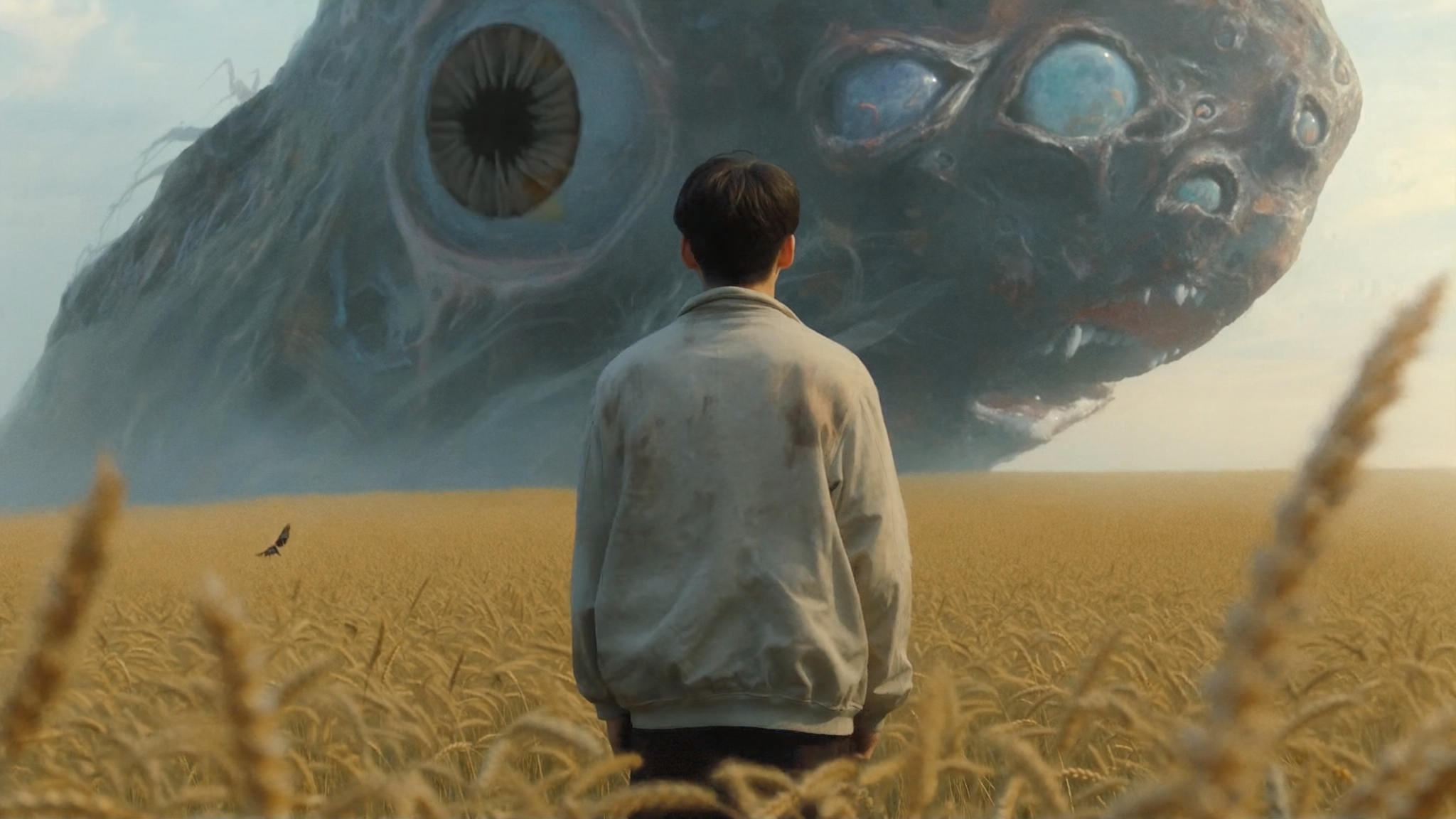

Video has become the most powerful way to connect with an audience online, and artificial intelligence has transformed how that video gets made. In 2025, producing beautiful, cinematic clips no longer requires expensive equipment or a large production crew. With the right AI video generator, an idea can become an engaging piece of content in a remarkably short time.
This guide is designed for content creators, marketers, and filmmakers who want to understand their options and build a reliable workflow. We will look at the current landscape, explore the most useful features, and give you practical steps to get the best possible results with artificial intelligence tools.
Why AI video generation matters in 2025
The demand for video content has never been higher. Social platforms, online stores, and marketing campaigns all rely on video to capture attention and drive action. At the same time, audiences expect a steady stream of fresh, high-quality material. Traditional video production is time-consuming and expensive, which creates a real challenge for independent creators.
Generative AI solves this by doing the heavy lifting automatically. Instead of shooting and editing every scene, you describe what you want and the system generates the footage for you. This shift from manual to generative work is the driving force behind the current boom in creative content.
Beyond speed, AI video generators offer flexibility. You can experiment with different styles, revisit and refine prompts, and produce variations of a concept without re-shooting. That freedom lets you move faster and take more creative risks than you could with conventional tools.
What to look for in an AI video generator
Not every AI video generator is created equal, and the best choice depends on what you are trying to make. Before you commit, it helps to understand the features that separate a convenient tool from a genuinely powerful one.
A broad and well-integrated model library
The strongest platforms make it easy to switch between multiple models without leaving a single workflow. One model may be ideal for photorealistic shots, while another excels at stylized animation or fast concept tests. A tool that offers a genuine library of options lets you match the right model to the job instead of being locked into one approach.
Creative control and prompt tuning
Look for tools that give you real control over the output. The ability to specify camera movement, lighting, aspect ratio, and style makes a huge difference in the final result. Negative prompts, which describe what you do not want, are also valuable because they let you steer the generation away from common artifacts.
Consistency and reference handling
Creating a character that stays stable across multiple scenes is one of the biggest challenges in AI video. Strong platforms support techniques like multi-image fusion, where you feed several reference images of the same subject. The model then preserves the common features, keeping the character recognizable from scene to scene.
Ease of iteration
The best results almost always come from multiple attempts. A good generator lets you regenerate quickly, tweak prompts, and review options without wasting time. Look for a tool that treats iteration as part of the workflow rather than a limitation.
Building a reliable generation workflow
A clear process helps you produce better results while saving time. The following steps work well across most projects.
- Define your goal and target platform before you start. The aspect ratio and pacing that work for a vertical short will differ from a wide cinematic shot.
- Write a concrete prompt that names the subject, describes the action, and sets the style and mood.
- Generate a first draft and review the composition. Does the frame read clearly? Is the movement natural?
- Refine the prompt based on what you see. Change one thing at a time so you understand the effect of each adjustment.
- Add reference images when consistency matters, for example a recurring character or a brand style.
- Use image-to-video or video-to-video features when they are faster than generating something from scratch.
- Polish the final result with sound, color grading, and editing in your usual video tools.
By keeping this sequence consistent, you build muscle memory and produce a steadier stream of high-quality output.
Making characters consistent across scenes
If you have ever generated a video where a character's face changes from one shot to the next, you know how quickly such an inconsistency can undermine your work. Consistent characters are essential for tutorials, brand content, and narrative projects.
The key to stability lies in giving the model enough context. A single text description leaves too much to interpretation. Instead, supply several reference images that show the same face from different angles and in different situations. The model uses the shared traits as its anchor, so the character stays recognizable even as the camera and environment change.
You can apply the same approach to style. Use a reference image that captures your desired color palette, lighting, and composition, and the model will carry that look through the whole project. This turns video generation from a guessing game into a controlled pipeline.
Prompting techniques that actually work
Your prompt is the most direct way to influence the output, so it is worth investing a little time in getting it right. A few techniques consistently improve results.
Name the subject specifically
Instead of writing something vague like "a nice forest scene," describe the exact image you want, such as "a misty pine forest at dawn with soft golden light." Specific nouns and clear settings give the model solid ground to build on.
Describe movement, not just appearance
Video lives in motion. Tell the model what changes over time-that the camera pans, that a character walks toward the camera, or that leaves drift across the frame. Movement language is what separates a living shot from a static one.
Use negative prompts to remove noise
Many tools let you list things you want to avoid, such as warped hands, flickering frames, or busy backgrounds. Cleaning the input this way reduces wasted renders and speeds up your final pass.
Iterate instead of overloading one attempt
It is tempting to write the perfect prompt the first time, but most great clips come from several rounds. Generate broadly, pick what works, and refine in small steps. This approach is faster in the long run than trying to nail everything at once.
Choosing between free and advanced models
The market offers everything from free entry-level models to specialist options built for demanding production work. Understanding the difference helps you allocate your resources wisely.
Humble, low-cost models are perfect for testing ideas. They give you a quick answer about whether a concept is worth pursuing without much investment. Their output may be less polished, but they are ideal for iteration and early-stage experimentation.
Premium models push the boundaries of realism and detail. They handle complex lighting, fine textures, and smooth motion more convincingly, which makes them appealing for brands and professionals. The trade-off is usually longer processing times and more computing power.
A practical strategy is to validate concepts on an accessible model and then re-render the final shots on a high-end model. This keeps you fast during exploration and delivers premium quality for the publishable result.
Using image and video editing features
Modern AI video tools are more than text-to-video engines. Image-to-video lets you animate a still picture, which is perfect when you already have a design or an illustration you want to bring to life. Video-to-video lets you restyle or repair an existing clip, changing its mood or fixing details without reshooting.
These features are valuable because they reuse what you have already made. A simple character design can become a series of animated scenes, and an old clip can be refreshed to match a new brand direction. Taken together, they give you a flexible, cost-effective production flow.
Avoiding common mistakes
Even experienced creators repeat a handful of mistakes. Knowing them upfront will save you time and effort.
- Relying on vague prompts. Without specifics, the model guesses, and viewers can tell. Name the subject, action, and mood.
- Forgetting about consistency. If a character appears in several scenes, plan reference images from the start rather than fixing problems later.
- Expecting perfection on the first render. Treat AI like an iterative medium and budget several rounds of refinement.
- Ignoring the destination format. A square, vertical, or widescreen frame changes the way you compose shots, so choose your aspect ratio early.
- Skipping post-production. Sound, subtitles, and color grading take a good AI shot and make it feel professional. Build your pipeline around that finishing step.
Advanced techniques for experienced creators
Once the basics feel comfortable, a few advanced techniques can take your results to a higher level. These add nuance and control that are especially useful for branded or narrative work.
Character sheet planning for series
If you are producing a series of videos around the same cast, build a simple character sheet before you begin. Describe each character's face, outfit, and distinguishing features in a consistent way, and gather a small set of reference images. Reusing this sheet across episodes keeps your world coherent and saves you from reinventing character descriptions every time.
Staging mood and lighting deliberately
Lighting is one of the most powerful storytelling tools, and AI models can follow clear lighting instructions. Decide whether you want a warm sunset glow, harsh studio light, or a moody neon street. Adding a lighting note to every prompt gives your whole project a consistent emotional tone that audiences notice.
Combining multiple generators
No single model is best at everything. Some professionals split their pipeline, using one model for the hero shots and another for stylized inserts or rough drafts. Because platforms with large libraries make this easy, you can move between strengths without losing the thread of your project.
Building a reusable prompt library
Keep a file of prompts that worked well, grouped by category such as product shots, character scenes, or atmospheric backgrounds. Over time this becomes a personal asset that makes every new project faster. You refine against it, adapt it to new ideas, and reuse what already performs well.
Understanding processing time and resources
A common source of frustration is differences in how fast videos generate. Processing time depends on several factors, including the length of the clip, the resolution, the complexity of the scene, and the model you select. A short concept clip may appear in seconds, while a longer, high-resolution render can take minutes.
Plan your workflow around this reality. Run concept tests and early iterations on fast, low-cost models so you can explore quickly. Reserve the slower, more powerful models for the final publishable pass. In a busy schedule, this split keeps you productive instead of waiting on every single render.
It is also wise to manage your expectations about queues during peak usage. Platforms that let you see task status and manage a queue are easier to use at scale, because you can submit several jobs and return when they are ready rather than staring at one render.
Frequently asked questions about AI video generators
Do I need technical skills to use these tools?
No. The majority of tools are designed for anyone who can write a clear description. Knowing basic prompt structure will make your life easier, but you do not need programming experience.
Are AI-generated videos good enough for professional use?
They increasingly are, especially as consistency and quality improve. Always check a platform's terms and licensing before publishing commercial work so you understand what you are allowed to do with the output.
What is the fastest way to start?
Pick one tool, make a simple test project, and run it end to end. Learn by producing a real clip rather than by reading every tutorial first. Once you know the basics, expand into more advanced features.
Can AI preserve my brand style?
Yes. Using consistent prompts, reference images, and stable styles, you can maintain a recognizable look across all your content. The key is to reuse and document your style guidance so it stays consistent over time.
How do I keep generated characters consistent?
Provide multiple reference images of the same subject and use the fusion or reference features that the platform offers. The more shared visual context you give the model, the more stable the character will be.
Conclusion
AI video generators have turned video creation into a fast, flexible, and increasingly affordable process. By choosing a platform with a strong model library, mastering basic prompting, and building a repeatable workflow, you can produce engaging content faster than traditional methods would ever allow.
The field is moving quickly, and the creators who adapt now will hold an advantage as the technology improves. Start small, iterate often, and lean on references and consistent style guidance. With that foundation, you can confidently create stunning videos and build a lasting connection with your audience.
