
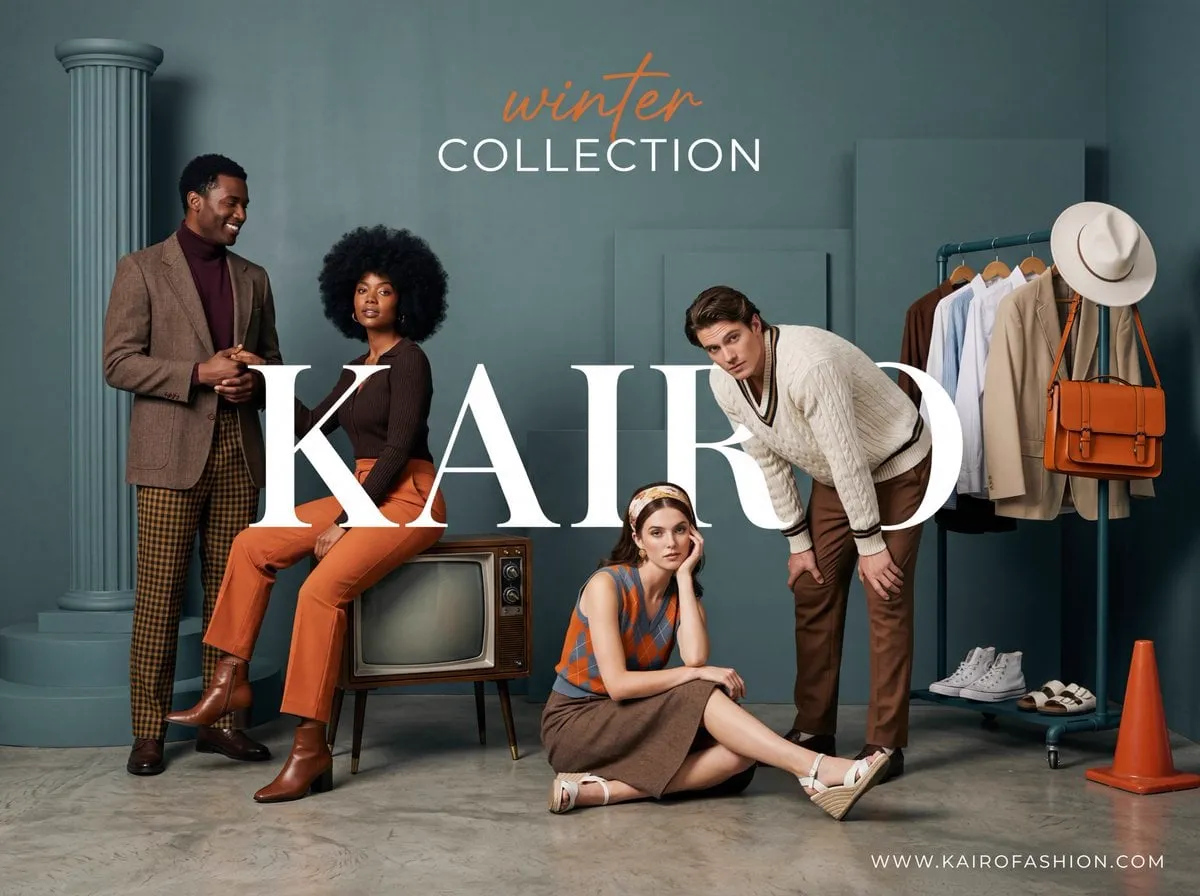
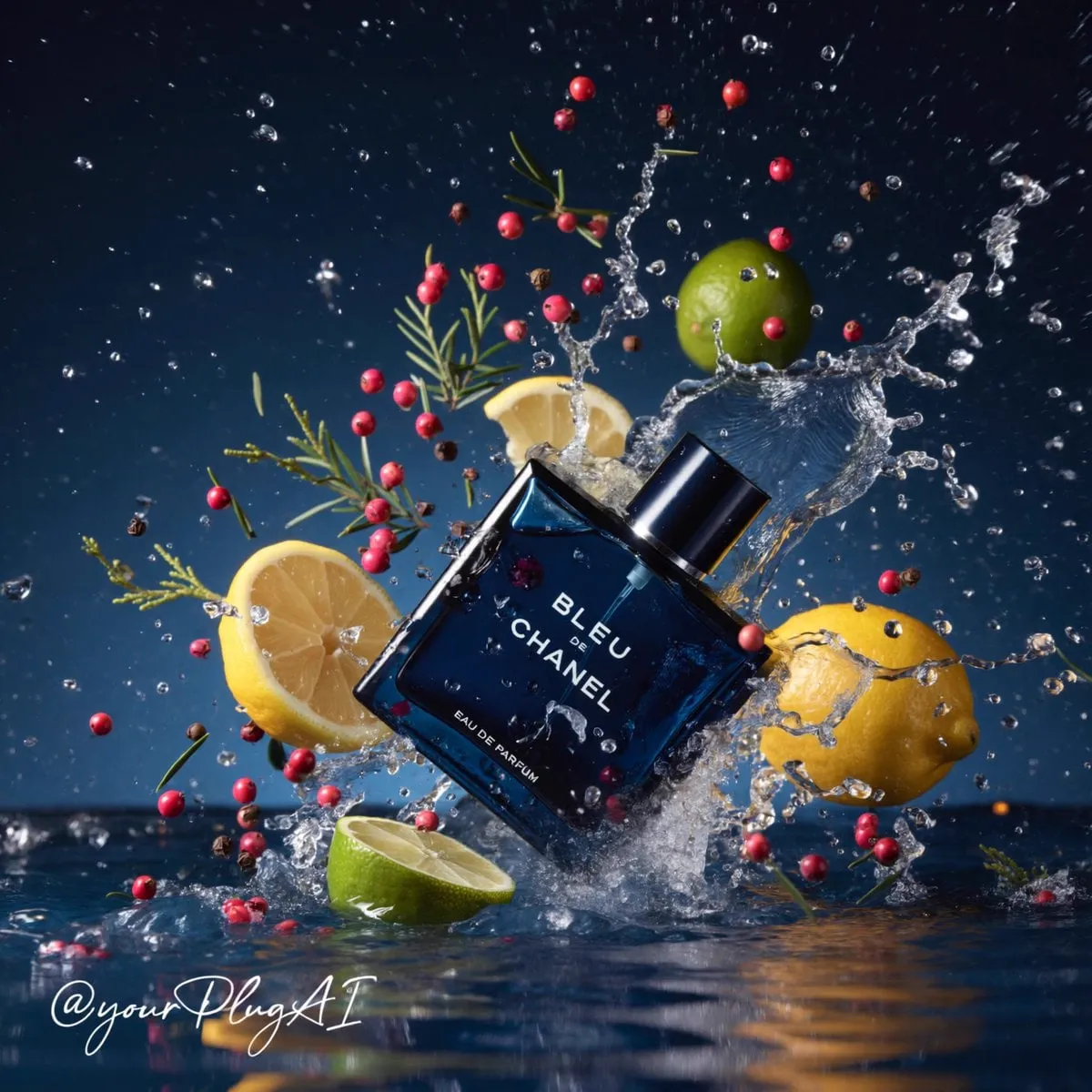
AI video generation has moved from a curiosity to a practical production tool faster than almost any technology in the content industry. What used to require a camera crew, actors, a studio, and weeks of editing can now be produced by a single person with a well-written prompt and the right model. That shift is the reason so many creators, marketers, and filmmakers are asking the same question: which AI video generator should I actually use?
The honest answer is that there is no single best tool. The models that dominate today each have distinct strengths, and the right choice depends on what you are trying to make. A cinematic brand spot, a character-driven animated short, a fast turnaround social clip, and a product demo all reward different tools and different workflows. This guide walks through the key criteria for choosing an AI video generator, compares the major models available now, and shows you a practical pipeline from a raw idea to a finished clip.
What to Look for in an AI Video Generator
Before comparing specific tools, it helps to define the dimensions that actually matter. Most people start with a single question, "which one looks best," but quality is only one part of the equation.
Video quality and realism
The most visible difference between models is the look of the output. Some models excel at photorealistic footage with believable lighting, skin texture, and camera motion. Others produce stylized animation, painterly frames, or anime-inspired visuals. When you evaluate quality, do it on clips similar to what you plan to make. A model that renders a dramatic live-action chase beautifully may be mediocre at a flat 2D cartoon, and the reverse is equally true.
Prompt adherence
A model can look great in its demo reel and still ignore what you actually asked for. Prompt adherence means the output follows your instructions about subject, action, camera angle, mood, and details. The best way to test this is to write a prompt with several specific, verifiable elements, such as "a red bicycle leaning against a blue wall at sunset, slow dolly-in shot" and check whether every element survived. Models with strong language understanding and good temporal reasoning tend to be more reliable here.
Character and scene consistency
Short clips are easy; stories are hard. If you want to produce a multi-shot sequence with the same character appearing in every scene, the model must keep the character's face, clothing, and proportions stable across separate generations. This is the single biggest technical weakness in AI video today, and the feature that separates tools designed for single viral clips from tools intended for actual filmmaking. Image references, keyframe control, and multi-image fusion features matter far more than raw resolution when consistency is your goal.
Speed, resolution, and cost
Production reality is about throughput. Some models generate a high-quality clip in under a minute; others take several minutes per pass. Resolution and duration also vary, from short 4- or 5-second clips to longer sequences. Your budget and deadline will push you toward different options. For most teams, the practical approach is to use a premium model for hero shots and a cheaper, faster model for b-roll, drafts, and experiments.
The Major Models in the Current Landscape
The model landscape changes quickly, but a handful of families define the market right now. Treat this as a map, not a fixed ranking, because new versions arrive constantly.
Runway
Runway has been a consistent leader for professional-grade output, especially for image-to-video and video-to-video work. Its strongest suit is cinematic control: you can take a still frame and generate motion around it, restyle existing footage, and use its editing tools to refine individual elements. Filmmakers and agencies favor it when they need footage that holds up next to traditionally shot material. It also offers a solid set of post-production tools, including inpainting and outpainting, which makes it more than a generator.
OpenAI Sora
Sora set the benchmark for what people expect from text-to-video: long, coherent, physically plausible scenes that respond to detailed prompts. Its strength is understanding complex scenes with multiple objects and interactions, and producing shots that feel like real cinematography. Access has been expanded over time, and it remains a reference point for quality. The main practical consideration is that it is best used for short, high-impact sequences rather than high-volume social content.
Kling AI
Kling has been a standout from the Chinese model ecosystem, known for strong prompt adherence and impressive motion quality. It handles complex actions, camera movement, and character motion well, and its professional mode gives creators granular control over parameters like motion strength and composition. It is a great middle ground between premium quality and practical cost, which makes it popular for both marketing content and narrative experiments.
PixVerse
PixVerse is aimed at fast, iterative creation for social platforms. It is known for quick turnaround, strong effect presets, and an active community of prompt styles. If your workflow is "generate many variations quickly, keep the best," PixVerse fits naturally. It is also one of the more approachable tools for beginners, with templates that reduce the need for expert prompting.
Pika
Pika focuses on creative effects and playful experimentation. It has tools for modifying existing videos, adding visual effects, and producing stylized results quickly. It is a favorite for meme-style content, short loops, and creators who want to remix footage rather than generate everything from scratch. Its editing-oriented features make it a good companion to a more serious generation model.
Luma
Luma's Dream Machine line has earned a reputation for smooth, natural motion and good camera control, including the ability to define camera trajectories. It is frequently used for product visualization, architectural walkthroughs, and cinematic establishing shots. Its strength is turning a single image into a convincing moving scene with realistic physics.
MiniMax Hailuo
Hailuo is another strong Asian-market model, notable for fast generation and surprisingly good motion quality for its price point. It handles dynamic action well and is often used for high-volume projects where you need dozens of clips without blowing the budget. For animators and marketers testing many concepts quickly, it is a reliable workhorse.
Image-to-Video: The Hidden Superpower
Text-to-video gets the headlines, but image-to-video is often the more useful workflow. When you start from an image, the model has a concrete visual anchor: the composition, character design, and lighting are already decided, so the model only needs to add motion. The results are far more controllable than a purely text-driven generation.
This matters for several reasons. First, you can use an AI image generator to design the exact frame you want, then animate it. Second, you can maintain character consistency by generating the character once in an image tool, then using that image as the reference for every shot. Third, you can keep art direction in your own hands: the look of the film is locked in the stills, and the video model simply brings them to life.
A practical rule is to think of the image as the "locked frame" and the video model as the camera operator. If the still looks right, the clip has a strong chance of looking right; if the still is weak, no amount of prompt engineering will save the final video.
Consistency Techniques: Characters That Stay the Same
Character consistency is the difference between a collection of clips and an actual story. When a character's face changes between scenes, the audience loses immersion immediately. The techniques for avoiding this have improved a lot, and you can combine several of them.
The first approach is reference-image control. Many models now accept a character reference image alongside the prompt, and newer versions of this feature support multiple references, letting you lock down several characters in the same scene or the same character from different angles.
The second approach is multi-image fusion, where you feed the model several images of the same character or scene and it learns the stable elements across them. This is particularly effective for maintaining wardrobe and facial features across a longer sequence.
The third approach is discipline in your own workflow: define the character sheet once, reuse the same reference images everywhere, keep the lighting consistent, and avoid radically different prompts between shots. Consistency is as much a production habit as a model feature.
Building a Practical Pipeline
A reliable pipeline looks less like magic and more like a repeatable manufacturing process. Here is a workflow that works for most projects, from a 30-second social clip to a short film.
Start with the script and a shot list. Write out what happens, then break it into individual shots, each with a clear subject, action, and camera move. For each shot, decide whether it will come from text-to-video, image-to-video, or video-to-video.
Design your key frames first. Generate stills that establish the look of the film, the characters, and the locations. Lock these before generating any video, because they become your reference material for every subsequent step.
Generate shots in batches, then review ruthlessly. Do not polish a bad shot; regenerate it with a better prompt or a better reference. The fastest teams generate many options and keep the best one, rather than trying to perfect a single mediocre output.
Edit for structure, not for pixels. Assemble the chosen clips into the timeline, then fix problems with the tools that exist for that purpose: inpainting to remove artifacts, outpainting to extend a frame, video-to-video to restyle, and upscalers for final resolution.
Add audio early rather than late. Music and sound effects dramatically improve how generated footage feels, and a well-placed soundtrack can make an average clip feel intentional.
Common Mistakes and How to Avoid Them
The biggest mistake is writing vague prompts. "A city street at night" will produce a generic result; "a rainy neon-lit street in Tokyo, a man in a yellow raincoat walking toward the camera, shallow depth of field, slow push-in" gives the model something to work with. Specificity is the cheapest quality upgrade available.
The second mistake is ignoring the relationship between prompt length and control. Extremely long prompts can confuse the model, especially older versions. Aim for a prompt that names the subject, the action, the setting, the camera movement, and the mood, in that order, and keep it under a few sentences.
The third mistake is jumping straight to the final output without references. If you need consistency, generate images first. If you need a specific style, create a style reference. Working without visual anchors makes every shot a gamble.
The fourth mistake is treating the first pass as the deliverable. Plan for multiple iterations. Budget time for regenerating shots, and resist the urge to ship the first version that looks acceptable.
Frequently Asked Questions
How long are AI-generated video clips?
Most models produce clips between four and ten seconds per generation, with some supporting longer outputs or extensions. For anything longer, you generate multiple shots and edit them together.
Do I need a powerful computer to use these tools?
No. Almost all of these tools run in the cloud, so the heavy computation happens on the provider's servers. You need a reliable internet connection and a browser, and for editing, any modern laptop will do.
Can I use my own images as starting points?
Yes, and you should. Image-to-video is one of the most reliable ways to get the exact composition you want, and reference images are essential for character consistency.
Which model is best for beginners?
For the fastest first success, a tool with strong templates and quick turnaround, such as PixVerse or Pika, is forgiving. If you want to grow into more professional output, Runway and Kling offer a good balance of capability and learning resources.
How much does it cost?
Pricing varies by tool and plan, and most providers offer free tiers with watermarks or low limits. For serious work, a paid plan on one or two tools usually costs less than a single hour of traditional video production.
Final Thoughts
The era of "will AI video work?" is over. The real question now is how you fit these tools into a production system that is fast, repeatable, and under your control. Start with a clear shot list, lock your look with reference images, choose models for what they do best, and edit like a filmmaker rather than a prompter. The technology is already good enough to produce work that holds up; the rest is craft, and craft is something you can build one project at a time.
