

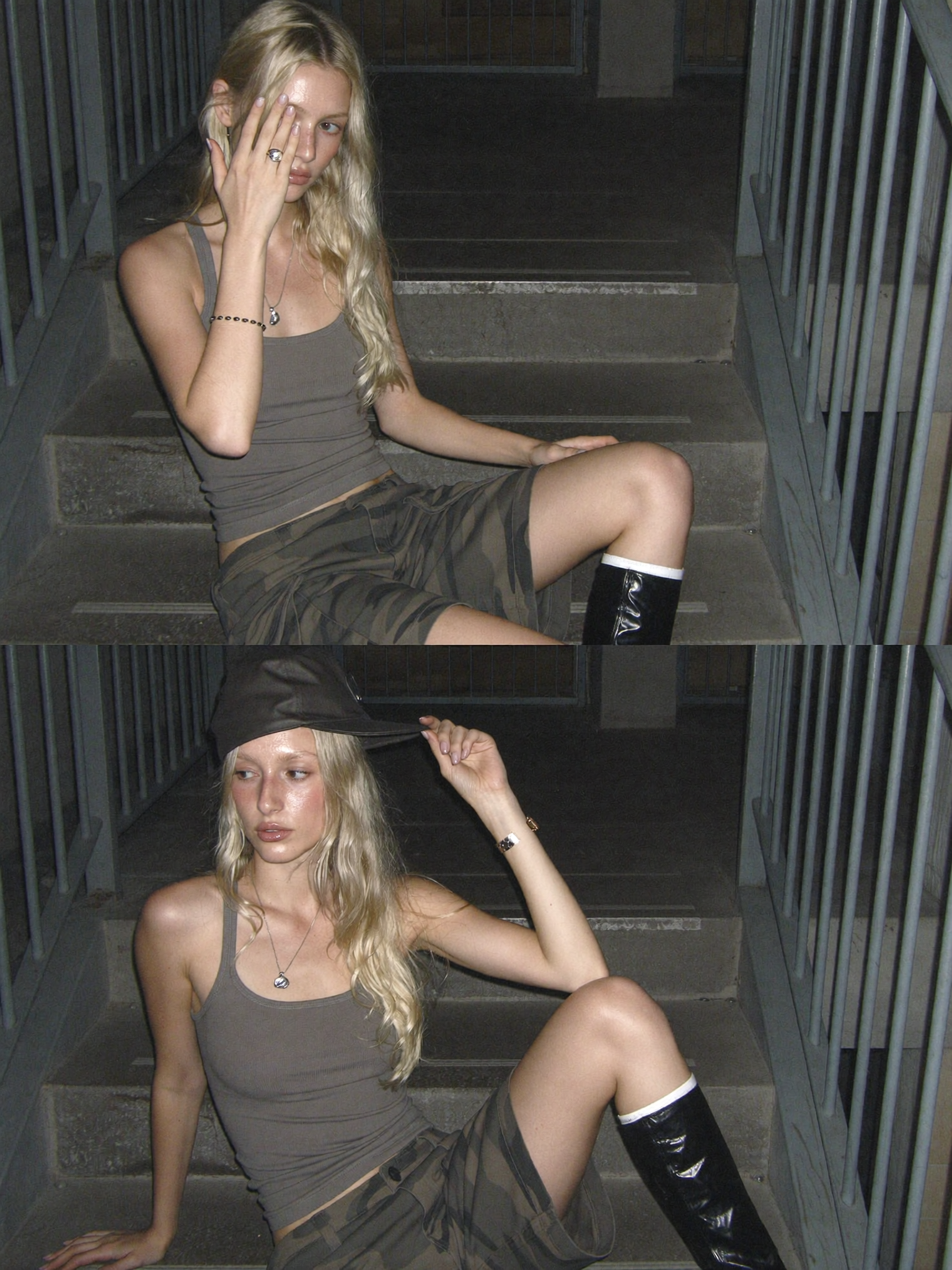
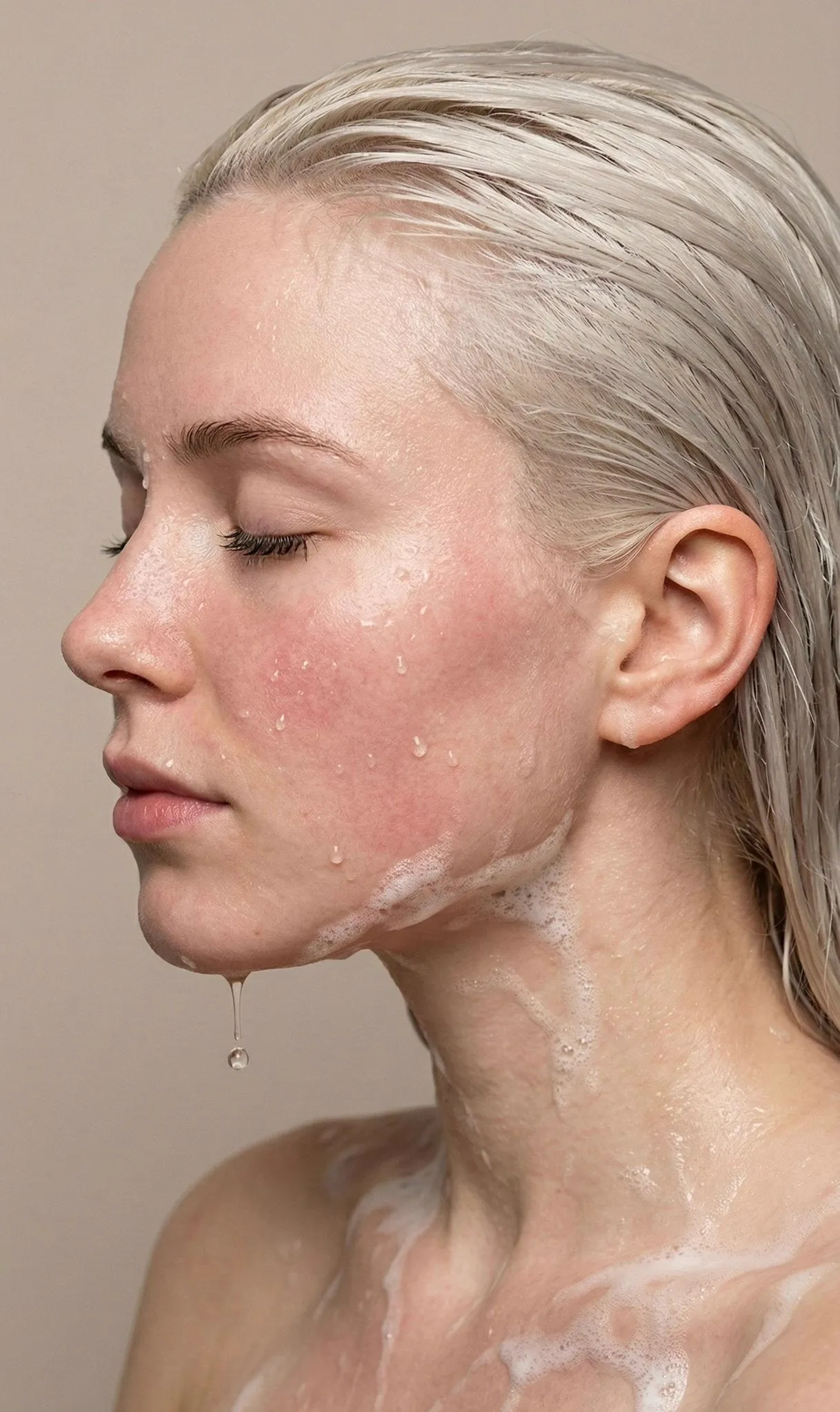
What Photorealism Really Means in AI Video
Ask ten creators what photorealistic video means and you will get ten answers, most of them wrong. It is not just high resolution. A video can be crisp and still feel synthetic, because realism is a combination of texture, lighting, motion, and coherence. The model that nails a close-up of a face may fall apart on a wide shot of a city street. Before comparing tools, it helps to define the target: footage that a viewer would not question if it appeared inside a documentary, a product film, or a narrative scene.
That standard matters because the market is moving fast. The demand for photorealistic generation is no longer a niche research curiosity; it is the primary benchmark for generative media. Agencies, indie filmmakers, and e-commerce teams all need footage that does not announce itself as machine-made. The models that deliver that illusion, and the workflows around them, are the subject of this guide.
A useful way to think about it: photorealism in AI video has three independent layers. The first is texture, the micro-detail that makes surfaces believable. The second is lighting, the way light interacts with those surfaces to create depth and mood. The third is motion, the physics of how objects and cameras move through time. A model can be strong on all three, or strong on two and weak on one, and the weak layer will dominate your perception of the output. When a clip looks almost right but still feels fake, the flaw is almost always in exactly one of these layers, and finding it tells you which model or setting to adjust.
How to Compare Video Models Without Getting Lost
Model marketing is loud, and every release claims to be the best. The way to cut through it is a fixed set of criteria, tested on your own footage, not on curated demo reels.
- Fidelity: detail, sharpness, and material accuracy in still frames.
- Motion coherence: whether objects stay stable across frames during movement.
- Prompt adherence: how closely the output matches what you actually asked for.
- Control: support for reference images, keyframes, camera controls, and style locking.
- Speed and cost: generation time and price per clip at usable quality.
- Ecosystem fit: whether the model works inside a platform that covers the rest of your pipeline.
Keep a spreadsheet, run the same three prompts through each candidate, and judge the results side by side. That takes an afternoon and saves weeks of regret later.
The Cinematic Realism Benchmarks: Flux and Runway
The Flux series has built its reputation on prompt interpretation and detail. Its training approach avoids destructive fine-tuning, so the model retains broad photographic knowledge while following specific instructions. For projects where the prompt is the contract, Flux is a strong first candidate.
Runway has pushed the other side of the equation: temporal coherence and editability. Its recent generations focus on making footage that behaves like real cinematography, with better handling of motion, cuts, and scene changes. If your project involves longer sequences that need to feel directed rather than merely generated, Runway's ecosystem is worth a serious look.
Neither model is universally best. Flux tends to win on surface detail and style control; Runway tends to win on motion and post-production flexibility. Choose based on the bottleneck of your specific project.
Breaking the Realism Barrier: Sora and Kling
OpenAI's Sora series brought something rare to video generation: narrative understanding. It does not just render scenes; it appears to hold a story in mind, producing sequences where actions, objects, and reactions stay consistent from one beat to the next. That makes it valuable for anything with a script, from short films to brand stories.
Kling, meanwhile, impressed creators with localized detail and physics-aware motion. It handles complex scenes where the camera moves through an environment, with believable interactions between objects. For creators who need sweeping, dynamic shots, Kling has become a default recommendation.
The practical difference is often this: Sora for story, Kling for spectacle. If you are choosing between them, decide whether your project leans on plot or on imagery.
A quick comparison habit
When a new model launch is announced, resist the urge to test it on its own demo prompts. Instead, keep a personal set of five challenge prompts that have broken models in the past: a close-up of a hand, a fast camera move through a crowd, a product with fine text, a character turning their head, and a reflective surface. Run the new model against these five, and you will know its real strengths within an hour. This habit pays for itself every time the industry announces the next breakthrough.
The Global Contenders: PixVerse, MiniMax, and Luma
Beyond the headline names, a second tier of models delivers excellent results, often with different trade-offs. PixVerse focuses on accessibility and speed, making it a good fit for high-volume social content where turnaround matters more than perfect material physics. Its cinematic lens controls, including depth of field and flare emulation, punch above their price class.
MiniMax (often seen through its Hailuo line) has been praised for natural character motion and expressive acting, useful for dialogue scenes and character-driven content. Luma's Ray series has made its mark on creative workflows, especially where artists want to iterate quickly between stills and motion.
These models are not fallbacks; they are specialists. The best strategy is to keep two or three in your toolkit and route each job to the model whose strengths match the shot.
Control Features That Matter More Than Raw Quality
Raw generation quality is table stakes. The features that separate professional workflows from hobbyist experiments are the control surfaces.
Multi-image fusion for consistency
Reference multiple images to lock a character, a product, or an environment. This is the single most important feature for brand and narrative work, because it converts one-off clips into usable series footage.
Direction and camera control
The ability to specify camera moves, focal length, and shot composition turns a generator into a director's tool. Without it, you are rolling dice on framing every time.
Specialized models for niche realism
Some platforms let you switch models per shot, so a talking-head scene and an aerial landscape shot can each use the architecture best suited to them. Model blending, when done deliberately, produces results no single model can match.
The control surface checklist
Before committing to any platform, verify that it exposes the controls your workflow depends on: reference image upload, keyframe placement, camera path specification, aspect ratio and duration settings, and seed control for reproducible generations. Seed control especially matters in production, because it lets you regenerate a nearly perfect clip with a small tweak instead of rolling the dice again from scratch. A platform with excellent output but no reproducibility is a platform that will frustrate you in month two, when a client asks for the same shot with the logo flipped.
Matching Models to Real Projects
- Product commercials: start with Flux or PixVerse for hero stills, then animate with a model strong in motion coherence. Product shots live on material fidelity.
- Narrative short films: Sora for story consistency, with a high-fidelity model for hero frames.
- Social media volume: prioritize speed and cost. PixVerse and MiniMax can keep up with daily posting schedules.
- Cinematic spectacle: Kling for environment and physics-heavy shots, Runway for editing flexibility.
- E-commerce and ads: consistency and speed dominate. Multi-image fusion is non-negotiable.
A Practical Evaluation Workflow
- Write three test prompts that represent your real workload, not generic showcase material.
- Run them through each candidate model at a comparable setting.
- Score the output on the six criteria above, without knowing which model produced which clip.
- Generate a longer sequence with your top two candidates to test coherence under pressure.
- Time the full loop: prompt to deliverable, including any fixes you had to make.
The model that wins your benchmark is the one you should build a workflow around, even if a competitor's demo reel looks flashier.
Common Pitfalls and How to Fix Them
Even with the right model, photorealistic video work has a set of recurring traps.
- Judging on stills only. A model can produce a perfect still and fail on motion. Always generate a moving sequence before committing.
- Skipping reference images. Text-only prompts produce generic faces and objects. A single reference photo immediately raises consistency and believability.
- Over-stylizing the prompt. Piling on style words makes output mushy. Describe the scene physically, then add at most two style qualifiers.
- Ignoring the platform's queue. Generation speed varies with server load. If your deadline is real, test the platform at the time of day you actually ship.
- Not versioning prompts. When you find something that works, save it immediately with the seed and settings. Future you will need it.
- Forgetting commercial rights. A model's license may restrict commercial use, and the restriction differs per model even on the same platform. Verify before billing a client.
None of these are fatal, but together they explain most "AI video is not ready" complaints. The models are ready; the workflows are the part that needs discipline.
FAQ
Is one model clearly the best for all photorealistic video?
No. The models lead in different dimensions, and the right choice depends on whether your bottleneck is detail, motion, story, speed, or cost.
How many models should a small team master?
Two is a strong default: one primary model for the majority of work and one specialist for the shots the primary model handles poorly. Mastering two models deeply beats spreading thin across five.
Do I need to generate at 4K to get professional results?
No. 1080p output from a strong model often looks better than 4K output from a weak one. Resolution is only one input to perceived quality.
How much does photorealistic video generation cost?
It varies widely by platform and model, from a few cents for short clips to several dollars for long, high-resolution sequences. Budget for iteration; the first pass is rarely the final pass.
Can I use my own footage as a reference?
Yes, and you should. Real footage anchors the model to your exact product, actor, or location, which dramatically improves consistency.
What causes the waxy, plastic look in AI faces?
Usually a combination of insufficient reference detail and over-smoothing in the model. Add close-up references, describe skin texture and lighting, and test a different model if the problem persists.
Should I run multiple models in parallel?
Running two candidates side by side is cheap and gives you a backup. Many professionals generate the same shot in two models and pick the better result, which raises the floor of quality without much extra cost.
How do I keep a product consistent across many ad variations?
Lock the product with a strong reference set and keep the same seed when possible. Change only the elements you want to test, such as background or copy, so the variations are actually comparable.
Can I use photorealistic AI video for documentary-style content?
Technically yes, but be careful about context. Realistic synthetic footage can mislead viewers if presented as authentic. Disclose synthetic content where honesty and platform policies require it.
What is the fastest way to improve output quality without changing models?
Improve your inputs. A sharper reference image, a more precise prompt, and a cleaner seed raise quality more reliably than chasing the newest model. The biggest quality gains come from workflow discipline, not hardware or version upgrades.
How do I explain photorealistic AI video to a client?
Focus on outcomes, not technology. Show the client a finished clip, explain the control they get over look and consistency, and be clear about iteration time and what the final asset will look like. Clients care about whether the footage sells the story, not which model produced it.
How do I know when a model is good enough to ship client work?
When it passes your benchmark across multiple project types, and when you can reproduce the result reliably. One lucky clip is not a workflow.
