
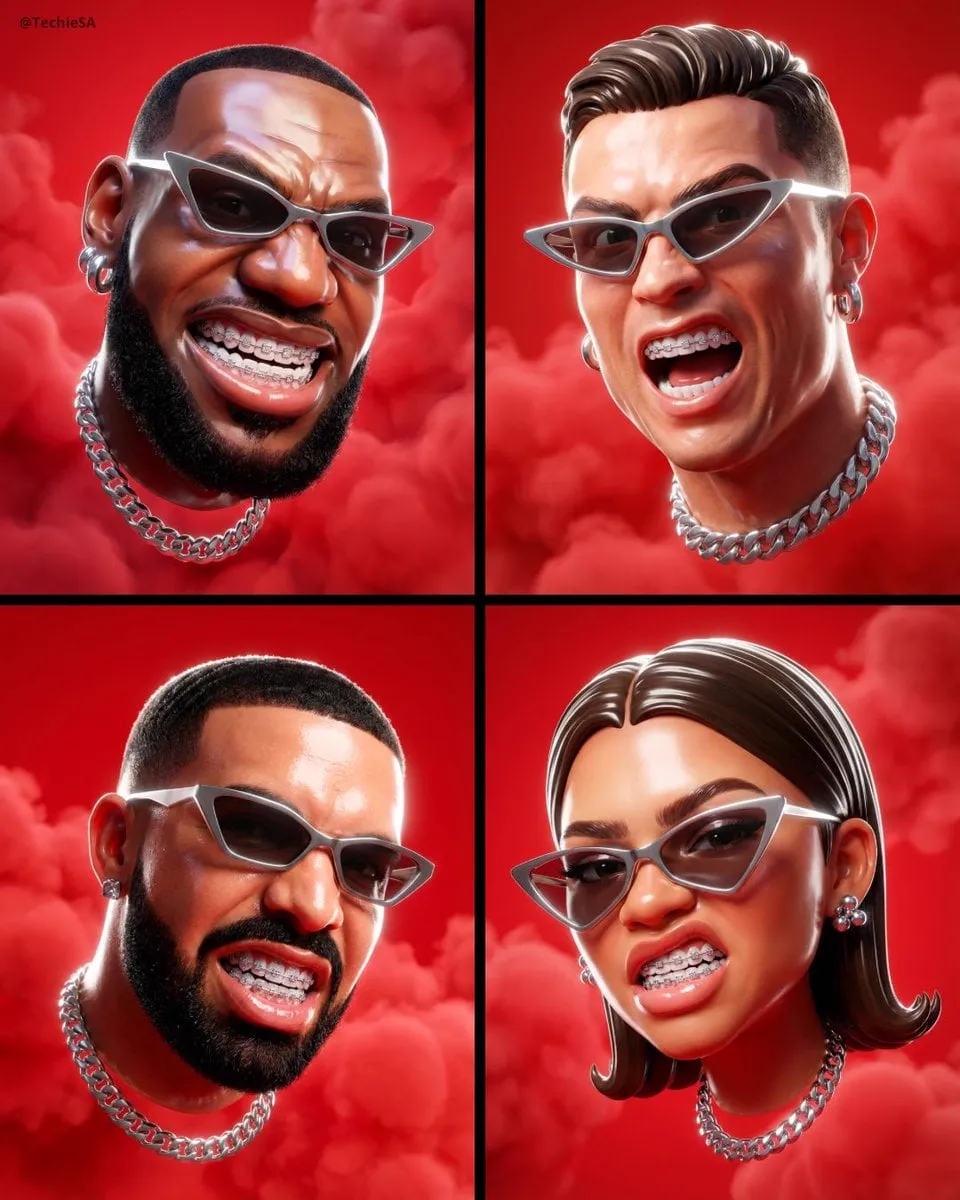
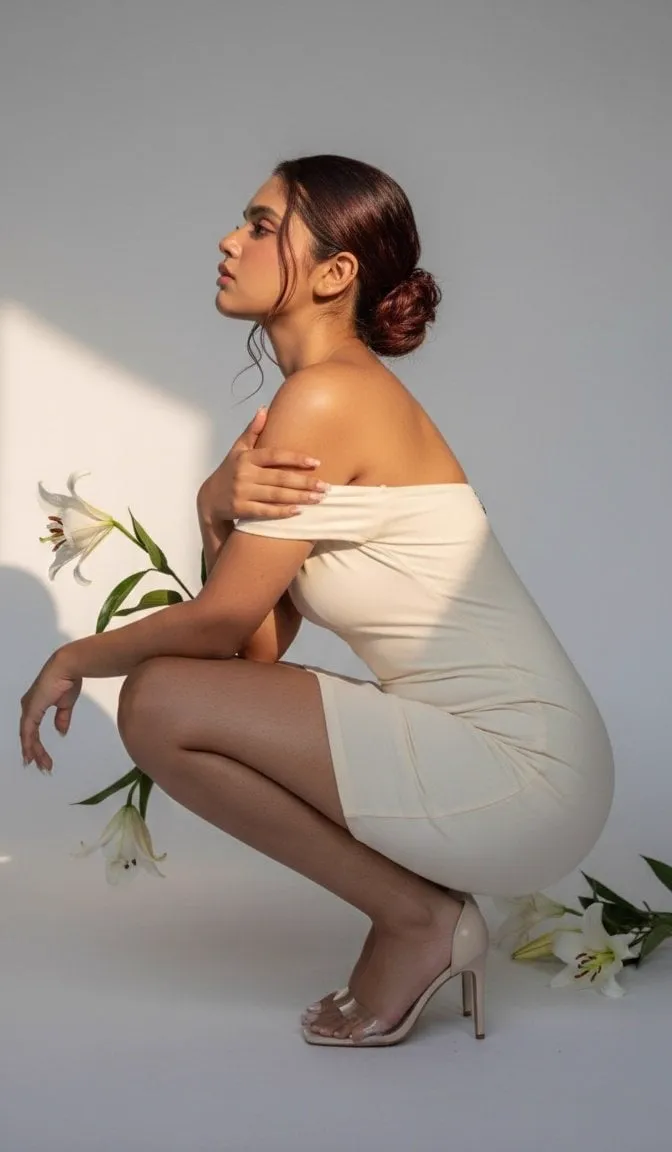
Text-to-image AI has gone from a curiosity to a daily work tool in a remarkably short time. Designers use it for concept exploration, marketers for campaign visuals, small businesses for product mockups, and creators for backgrounds and thumbnails. The good news is that you do not need a paid subscription to start: several strong options offer genuinely useful free tiers. The harder part is choosing among them, because each free tool has different strengths, limits, and allowance systems. This guide compares the best free text-to-image generators, explains what to evaluate, and helps you pick the right one for your actual work.
How to Evaluate a Text-to-Image Generator
Before comparing tools, decide what you will use them for. The best tool for a social media creator is not necessarily the best for a graphic designer. Evaluate every tool on the same criteria:
- Image quality: sharpness, anatomical accuracy, lighting, and detail. Test with faces, hands, and text, because those are where models fail visibly.
- Style range: can it do photorealism, illustration, 3D render, and flat design? Some tools are strong in one style only.
- Prompt adherence: does it follow your instructions about composition, colors, and specific elements? A beautiful image that ignores your brief is a failure.
- Ease of use: interface, presets, and editing tools. Speed matters when you generate many images a day.
- Free-tier limits: daily generation allowances, resolution caps, watermark policy, and commercial-use rights. Read the small print before relying on a free tier for client work.
- Speed: how fast a generation completes. Queue times and resolution choices affect throughput more than people expect.
The Free Options Worth Your Time
Stable Diffusion and Its Ecosystem
Stable Diffusion is the open-source foundation that spawned an entire ecosystem of free tools and interfaces. Because the models are open, you can run them locally on your own hardware or use free web interfaces built on them. The quality ranges from mediocre to excellent depending on the model version and settings.
The main advantage is control and cost: no usage limits if you run it locally, and full freedom to experiment with styles, fine-tuned models, and custom workflows. The main disadvantage is complexity. Local setup requires a capable GPU and some technical comfort, and web interfaces often impose queue times or daily limits. For users who want quality without constraints, learning the basics of Stable Diffusion is a worthwhile investment.
Bing Image Creator and DALL-E Models
Microsoft's Bing Image Creator offers free access to models based on the DALL-E family, and it is one of the easiest ways to get high-quality results without any setup. You type a prompt, the tool generates several variations, and you can refine or download them.
The free tier includes boost points that regenerate quickly, and after they run out the service slows down but keeps working. Quality is strong for photorealism and conceptual images, though the model has a recognizable "AI look" in some styles. The tool is best for quick, high-quality results when you do not need fine-grained control.
Ideogram
Ideogram stands out for one specific reason: it renders text inside images better than most competitors. If you need posters, logos, social graphics, or any image containing readable words, Ideogram's free tier is a serious option.
It also handles complex prompts well and offers multiple style presets. The free plan includes a daily generation allowance, and the interface is clean enough for beginners. For typography-heavy design work, Ideogram is often the best free choice.
Leonardo AI
Leonardo AI gives you a large set of models, a canvas editor, and generous daily allowances on the free tier. It is a favorite among creators who want game art, character design, and stylized visuals, and its fine-tuned models produce polished results across many styles.
The free tier refreshes its allowance daily, which is enough for steady experimentation. The interface is more complex than Bing or Ideogram, but the control it offers — model selection, image guidance, negative prompts — is worth the learning curve for serious users.
Canva and Adobe Firefly (Free Tiers)
For people already working inside design tools, the integrated generators are the most convenient. Canva's free text-to-image uses its own model and sits right inside the editor, making it trivial to drop an AI image into a design. Adobe Firefly offers free monthly allowances and integrates with Photoshop and Express, with the advantage of training on licensed content, which makes it safer for commercial use.
These are not the highest-quality generators on the list, but convenience wins for many workflows: if you already design in Canva or Adobe, generating in place beats exporting between tools.
Other Free Options
- Craiyon: extremely simple, completely free, but noticeably lower quality. Fine for quick ideas and placeholders.
- Playground: generous free tier with a friendly interface and style presets, good for beginners.
- Ideogram, Leonardo, and Bing cover the quality middle ground well, so the smaller tools matter mainly for niche needs.
Free vs Paid: What You Actually Give Up
Free tiers are generous enough for learning and light production, but they have real limits:
- Usage caps: most tools limit daily or monthly generations. Heavy production schedules outgrow free tiers quickly.
- Resolution and aspect ratio: some free tiers cap resolution or lock certain formats behind payment.
- Watermarks: a few tools watermark free exports, which is acceptable for drafts but not for client delivery.
- Commercial rights: not every free tier includes commercial use. If you sell the images or use them in paid campaigns, verify the license.
- Priority and speed: paid users often get faster queues and access to newer models first.
The practical strategy is to start free, learn the tool's strengths, and upgrade only when the limit actually blocks real work. Paying for convenience is reasonable; paying because you never learned the free tier's workflow is not.
A Comparison Table for Quick Decisions
| Tool | Best for | Free tier | Quality | Ease |
|---|---|---|---|---|
| Stable Diffusion | Control and no limits | Local or free web | High with tuning | Hard |
| Bing Image Creator | Quick photoreal results | Free with boost points | High | Easy |
| Ideogram | Text inside images | Daily allowance | High | Easy |
| Leonardo AI | Game art and stylized visuals | Daily allowance | High | Medium |
| Canva | Design workflow integration | Free basic tier | Medium | Easy |
| Adobe Firefly | Commercial-safe design | Monthly allowance | Medium | Easy |
| Craiyon | Quick placeholders | Unlimited | Low | Easy |
Prompting for Better Free-Tier Results
Free tiers make every generation count, so prompt quality matters even more. The same principles apply across tools:
- Structure the prompt: subject first, then action or setting, then style, then lighting and detail. "A ceramic coffee cup on a wooden table, steam rising, warm morning light, photorealistic, shallow depth of field."
- Be specific about style: "photorealistic", "3D render", "flat vector illustration", "watercolor" — naming the style changes the result more than adding adjectives.
- Use negative prompts where available: "no text, no watermark, no extra fingers" prevents the classic AI failures.
- Include aspect ratio hints: "vertical composition" or "16:9" helps when the tool supports it.
- Iterate rather than write longer prompts: if the first result misses, adjust one element at a time.
Common Prompt Mistakes and Fixes
Most disappointing free-tier results come from a handful of repeatable mistakes. The first is piling up adjectives: "a beautiful amazing stunning portrait" adds nothing, while "a portrait with soft window light and a shallow depth of field" gives the model real direction. The second is forgetting the subject: prompts that describe the style but not the content produce generic images. The third is inconsistent style words — mixing "photorealistic", "3D render", and "watercolor" in one prompt confuses the model and averages the result into mush. The fourth is ignoring aspect ratio: a poster prompt generated in a square frame forces you to crop the design later. Finally, many users give up after one bad result; free tiers make iteration cheap, so generate three variations of a prompt before judging it. Keep a small file of your best prompts per style — after a few weeks it becomes a reusable library that makes every new project faster.
From Free Image to Finished Asset
Free tools generate images, but the final asset usually needs a few finishing steps. Most workflows look like this:
- Generate several variations of the concept you need.
- Pick the strongest, then use the tool's editor or an external one to refine composition.
- Upscale if the resolution is below what you need. Several free upscalers exist, and some generators include upscaling in the free tier.
- Clean up artifacts — extra fingers, garbled background text, weird edges — with a quick edit in any design tool.
- Drop the result into your layout, post, or video project.
For creators producing video content, images generated free can become b-roll, thumbnails, or backgrounds for motion graphics. Several video platforms now accept images as starting points for animation, which extends the value of a good free image generator even further.
One habit separates people who get consistent results from those who gamble on every generation: keeping a prompt library. When a prompt works, save it with the tool and settings used — model, resolution, and any negative prompt. Name the file by style and use case, for example "product-shot-studio-light" or "hero-thumbnail-neon". Within a month you will have a dozen reliable templates, and every new project starts by picking a proven base instead of writing a prompt from scratch. This is the same pattern professional designers use with color palettes and type systems, and it is what makes free-tier limits feel generous: you spend fewer generations per result because your prompts already work.
Frequently Asked Questions
Can I use free AI images commercially? It depends on the tool and its license. Stable Diffusion models are broadly permissive, but check each web interface's terms. Adobe Firefly is designed for commercial use. Bing Image Creator's terms allow use of the images but with caveats — always read the current license before selling the output.
Which free tool gives the best quality? For general quality with no setup, Bing Image Creator is the strongest easy option. For the highest ceiling, Stable Diffusion with a good model and settings beats the web tools, but requires more effort.
How many images can I generate free each day? It varies: Leonardo and Ideogram refresh daily allowances, Bing uses boost points that slow down after depletion, and Canva's free tier is limited but workable. Check the current policy, because limits change.
Do I need a powerful computer? Only for local Stable Diffusion. Every other tool on this list runs in the cloud.
Is there a fully unlimited free generator? Craiyon is effectively unlimited but low quality. Everything else balances quality against some limit — that is how the economics work.
What resolution do I need for social media? For most platforms, 1024x1024 or 1024x1792 covers feed posts, stories, and thumbnails. If a tool only outputs smaller images, upscale before publishing and check that fine details like text edges survive. Avoid using a low-resolution AI image as a full-screen background; the artifacts become obvious at large sizes.
Choosing Your Tool
The right free text-to-image generator depends on your work. If you want the easiest path to high quality, start with Bing Image Creator. If you design graphics with text, Ideogram is the standout. If you want style control and a daily allowance, Leonardo AI. If you already live in Canva or Adobe, use their built-in generators. And if you want total freedom and are willing to learn, Stable Diffusion rewards the effort with unlimited, high-quality generation.
The pattern is the same for every option: learn one tool well, build a reusable prompt library for the styles you use, and upgrade only when the free limit blocks real work. Text-to-image AI is a skill, not a magic button — and with the right free tool, the only thing stopping you from producing professional visuals is practice. Start today with one image you actually need: a thumbnail, a concept, a mockup. The fastest way to learn is to give yourself a real deliverable and let the first week of practice be part of the work, not extra homework.
