
The digital economy runs on images. In a stream where a hundred posts race past a person every minute, the images that stop the thumb are the ones that make an instant, legible statement about the person or brand behind them. For photographers, creators, and professionals alike, posing is the most direct lever you control. Good posing can elevate a simple phone camera shot to something that looks deliberate and professional, while a weak pose can sink an otherwise perfect setup.
The good news is that posing is a skill, not a talent. It is built from a set of observable principles about composition, angle, weight, and expression, and once you understand those principles, you can apply them confidently in almost any situation. This guide breaks down the foundations of effective posing, shows how to adapt poses across different content genres, and shares advanced techniques that separate competent work from genuinely striking imagery.
Why pose is the foundation of an attention-grabbing image
Viewers read a photograph before they consciously understand it. In the first fraction of a second, the brain processes the angle of a body, the direction of a gaze, and the flow of lines in a frame, and it forms an immediate emotional impression. Pose is a non-verbal language that translates emotion, intention, and personality directly into visual form.
A well-chosen pose does several jobs at once. It creates a clear focal point, guiding the eye toward the subject. It establishes a mood, whether grounded, playful, authoritative, or approachable. And it shapes the viewer's perception of the subject's character before a single word is read. This is why posing matters so much in personal branding, where the image is often the first and only chance to make an impression.
Posing also solves practical problems. A thoughtful pose can flatter light, emphasize or de-emphasize certain features, and make a subject look taller, more relaxed, or more dynamic. When you treat pose as a design decision rather than an afterthought, you gain control over the message your image sends and the way your audience responds to it.
Learning the visual language of the body
Before adapting poses to specific genres, it helps to internalize the building blocks of how the body communicates in a frame. Three elements carry most of the meaning: the line of the body, the angle of the camera, and the subject's energy.
The line of the body is the skeleton of the pose. Straight, symmetrical lines read as formal and grounded. Diagonal, asymmetric lines read as dynamic and energetic. A subtle shift in weight, a rotated shoulder, or a bent knee can change the entire feeling of an image without changing anything else. Learning to see and control these lines gives you a vocabulary far more flexible than memorizing a handful of poses.
The camera angle determines how the subject's position is interpreted. A camera at eye level creates equality and invites connection. A camera looking slightly upward gives the subject authority and presence. A camera looking downward makes the subject feel approachable, intimate, or at times more vulnerable. Matching the angle to the message you want to send is a core decision.
The subject's energy refers to the feeling of tension or release in the body. Tension reads as focus, readiness, and drama; relaxation reads as warmth, confidence, and ease. The most effective poses often combine elements of both, such as a relaxed face with a carefully controlled body line, because that contrast reads as intentional and engaging.
Working with angles and dynamic lines
Once the fundamentals are clear, the next step is using angles and lines to create movement and interest even in a static image. Dynamic lines are the easiest way to make a subject feel alive rather than stiff.
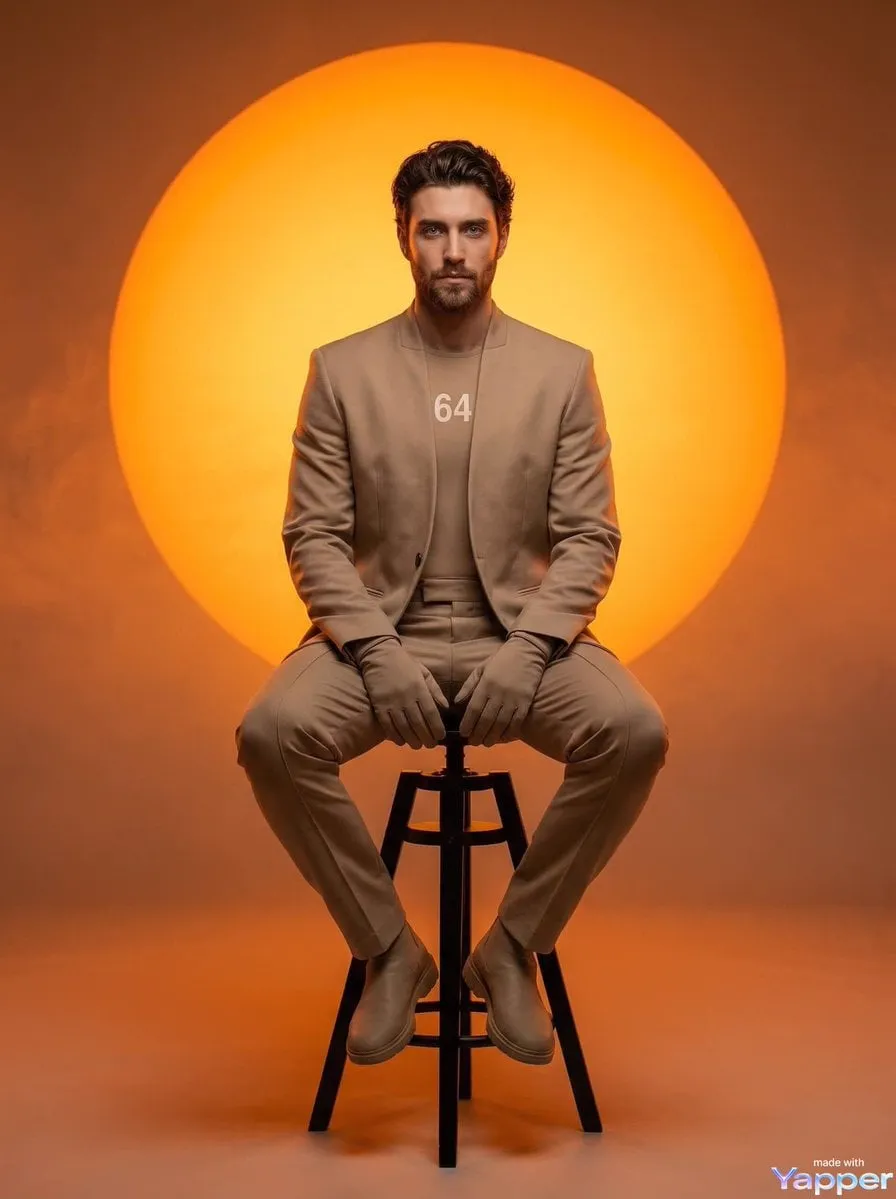
A classic technique is the contrapposto stance, in which the weight rests on one leg while the other hip and shoulder angle slightly toward the camera. This creates a natural S-curve through the body that looks effortless and sophisticated. The slight asymmetry reads as ease and confidence, which is why it appears so frequently in editorial and fashion imagery.
The camera height and lens choice also shape the pose. A slight low angle flatters most subjects by lengthening the line of the body and creating a more heroic silhouette. A high angle can emphasize the eyes and create softness and closeness. Experimenting with height while keeping the pose constant produces surprisingly different results, and mastering this relationship gives you a lot of control without requiring the subject to change anything.
Dynamic lines also apply to arms and limbs. Keeping elbows slightly away from the torso, pointing a toe, or framing hands in a natural, unclenched position prevents the flat look that comes from limbs pressed against the body. Small adjustments in the position of a hand or a foot have an outsized effect on the energy of the final image.
Using negative space and body weight
Composition is more than the subject; it is the relationship between the subject and the empty space around it. Negative space, the unoccupied area of the frame, is a powerful tool that some photographers underuse. Used well, it can emphasize a subject's mood, create balance, and make an image feel less crowded or busy.
When you pose a subject, decide how much space surrounds them and where it sits. Leaving space around a seated or portrait frame can convey solitude, calm, or minimalism. Placing the subject off-center with open space in the direction they face can create a sense of motion or anticipation. Negative space works best when it is deliberate rather than accidental, so treating it as a design element gives your images a more curated feel.
Body weight placement is equally important. Shifting weight to one hip creates the classic diagonal that adds elegance. Centering the weight evenly can read as stiff, but with the right energy it can also read as grounded and deliberate. Understanding how weight shifts the line of the body lets you tune a pose for the exact message you want, rather than relying on luck.
Pose and facial expression: the emotional layer
A strong body pose is only half of the equation; the face carries the emotional load. Posing a body in an energetic way while ignoring the face creates a disconnect that viewers feel immediately. The most persuasive images unify body, face, and intention.
Eye contact is the most direct tool. Looking straight into the camera creates a sense of confidence, engagement, and directness that is ideal for personal branding and professional portraits. Looking slightly off-camera can create a feeling of contemplation, aspiration, or mystery, and it is often used when the subject is meant to appear reflective or selective.
The subtlety of facial expression matters as much as the pose. A nearly imperceptible shift between a closed smile, an open smile, and a neutral relaxed mouth changes how approachable or powerful a subject appears. Practicing small variations and reviewing them on screen builds the control needed to produce consistent, intentional results.
The relationship between the face and the body must feel coherent. A relaxed, confident body with a tight, forced smile looks contradictory. Coaching the subject to settle into a mental state, then letting the expression emerge naturally, produces far better results than asking for a specific smile.
Adapting poses for different content genres
A pose that works for a corporate portrait will not necessarily work for a fitness tutorial or a creative editorial. Adapting your approach to the genre and its audience is what makes you versatile as a creator or photographer.
For personal branding and professional content, the priority is approachability combined with authority. Poses that keep the torso open, the shoulders relaxed, and the gaze direct convey confidence without distance. Standing with a slight contrapposto, seated with an engaged lean, or leaning on a surface with one hand are all reliable choices that read as professional and friendly.
For educational and tutorial content, clarity and energy matter more than elegance. The subject is often demonstrating something, so the pose must keep the hands visible, the movement clear, and the frame uncluttered. A dynamic, slightly leaning posture with an engaged expression keeps the audience focused on the demonstration rather than the pose itself.
For creative, expressive, and entertainment content, the rules loosen considerably. Here the goal is to convey mood, drama, or a distinct character. Bold diagonal lines, exaggerated weight shifts, unusual camera angles, and expressive faces all have their place. The unifying principle is intentionality: the pose should serve the mood or the character, not undercut it.
Advanced techniques: manipulating perception and space
Once the basics become second nature, you can start playing with the way the viewer perceives the subject. Advanced posing is about using small illusions to enhance proportions, create depth, and direct attention.
One classic technique is lengthening the body's line. Asking a subject to elongate the neck by moving the crown of the head upward, turning the body at a three-quarter angle to the camera, and shifting one knee forward are all small, effective ways to make a subject look taller and more present. These adjustments work by changing the proportions the eye perceives, not by actually changing the person.
Conversely, compressing proportions can create softness or a grounded, intimate feeling. Shot from a higher angle with a relaxed posture and a gentle lean toward the camera, a subject can appear warmer and more accessible. The same principles used in reverse produce a very different feeling, which is why understanding the mechanism is more valuable than memorizing any single "trick".
Depth is another dimension to control. Placing the subject at an angle to the camera rather than flat on can add natural depth to the frame. A slight turn of the shoulders or the inclusion of the near and far hands creates a roundness that draws the viewer in, distinguishing a dynamic image from a flat one.
Posing for motion and lifestyle shots
Not all attention-grabbing images are static. Many of the most engaging shots in lifestyle, sport, and brand content happen mid-motion, and posing for these requires a slightly different mindset.
The goal in motion is to capture a pose that looks natural but is actually composed. Guiding the subject to move through the intended position and capturing the peak of the movement, when the body is most balanced and expressive, often produces far better results than trying to hold a "dynamic" pose. Encouraging repetition of the movement gives the camera multiple chances at the strongest moment.
Even in candid-feeling shots, controlling the environment matters. Choosing the right background, timing the light, and positioning the subject relative to the camera all remain in your control. The distinction is subtle: the pose feels spontaneous, but the setup around it was deliberate.
Common posing mistakes and how to avoid them
Even experienced photographers slip into familiar patterns that flatten an image. Naming these mistakes makes them easier to spot and correct.
The first is stiffness. When a subject appears rigid, with arms at the sides and weight evenly distributed, the image reads as uncomfortable or generic. Encouraging small movements, weight shifts, and relaxed shoulders usually solves this.
The second is ignoring the hands. Hands are the most expressive part of the body after the face, and leaving them clenched or dangling undirected creates tension. Giving the hands a clear role in the composition, even just placing them naturally on a surface, improves the image noticeably.
The third is poor use of space. Crowding the subject into the center of the frame, or filling the frame with too much background, weakens the intended message. Treating negative space as a deliberate partner in the composition fixes this.
The fourth is a mismatch between pose and expression. A confident body with a hesitant face, or a relaxed body with a tense expression, confuses the viewer. Aligning the emotional layer with the physical layer creates a coherent, persuasive image.
The fifth is over-posing. Piling on too many adjustments results in a pose that looks contrived. The goal is a small number of effective decisions that work together, not a catalog of tricks applied all at once.
Bringing it together: your posing workflow
Posing becomes reliable when you approach it as a repeatable workflow rather than a series of hopeful instincts. A simple sequence helps you stay in control and produce consistent results.
Before the shoot, define the message and the genre. Decide what emotional impression the image should create and select the angle, pose family, and expression direction accordingly. This small amount of upfront thinking saves time and keeps every decision purposeful.
During the shoot, build a rapport with the subject. Direction works best when it is positive and calm. Instead of pointing out what is wrong, guide the subject toward the intended position with instructions like "turn slightly" or "relax the shoulder toward the camera." Check results on screen frequently and make the subject part of the feedback loop.
After the shoot, review honestly. Compare the images against the original intention, not against an abstract ideal. Keep what works, adjust what does not, and note any techniques that produced particularly strong results so you can repeat them next time. Over many shoots, this feedback loop builds both confidence and a personal style.
Final thoughts
Posing is the bridge between a subject and an image that commands attention. It is learnable, and it is one of the few creative skills whose impact you can see immediately on screen. By understanding the visual language of the body, controlling angle and line, using space and weight deliberately, aligning expression with posture, and adapting to genre, you equip yourself to create images that are consistently compelling.
The most important step is simply to practice with intention. Run experiments, build a small library of techniques that work for you, and let the feedback loop sharpen your instincts over time. As you gain control, posing will stop being a source of uncertainty and become one of your most reliable creative assets.
Whether you are building a personal brand, teaching through short videos, or chasing a bold editorial concept, the principles in this guide give you the foundation to pose with purpose. Master the small decisions, and the images you produce will hold the attention they deserve.
