
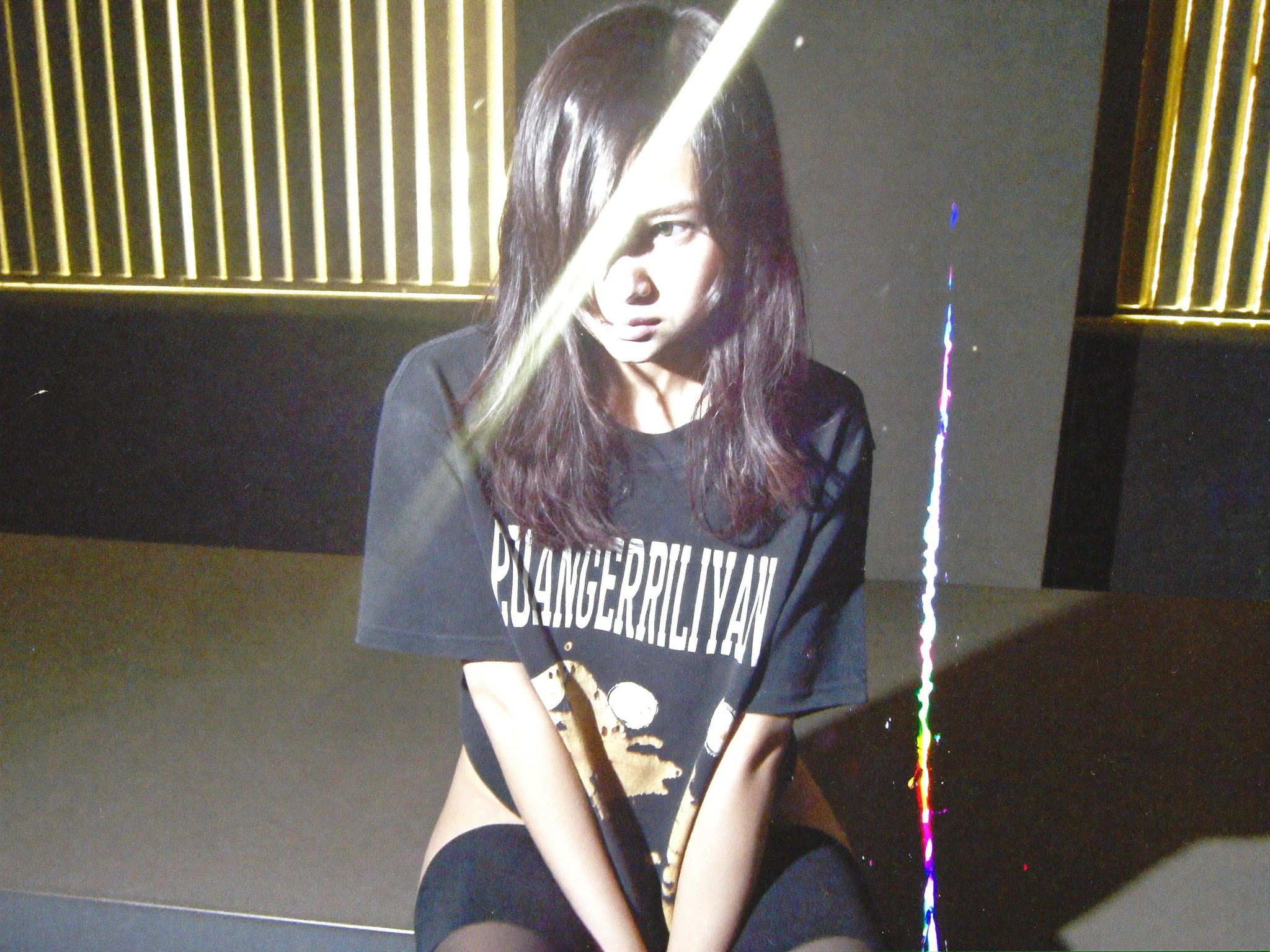
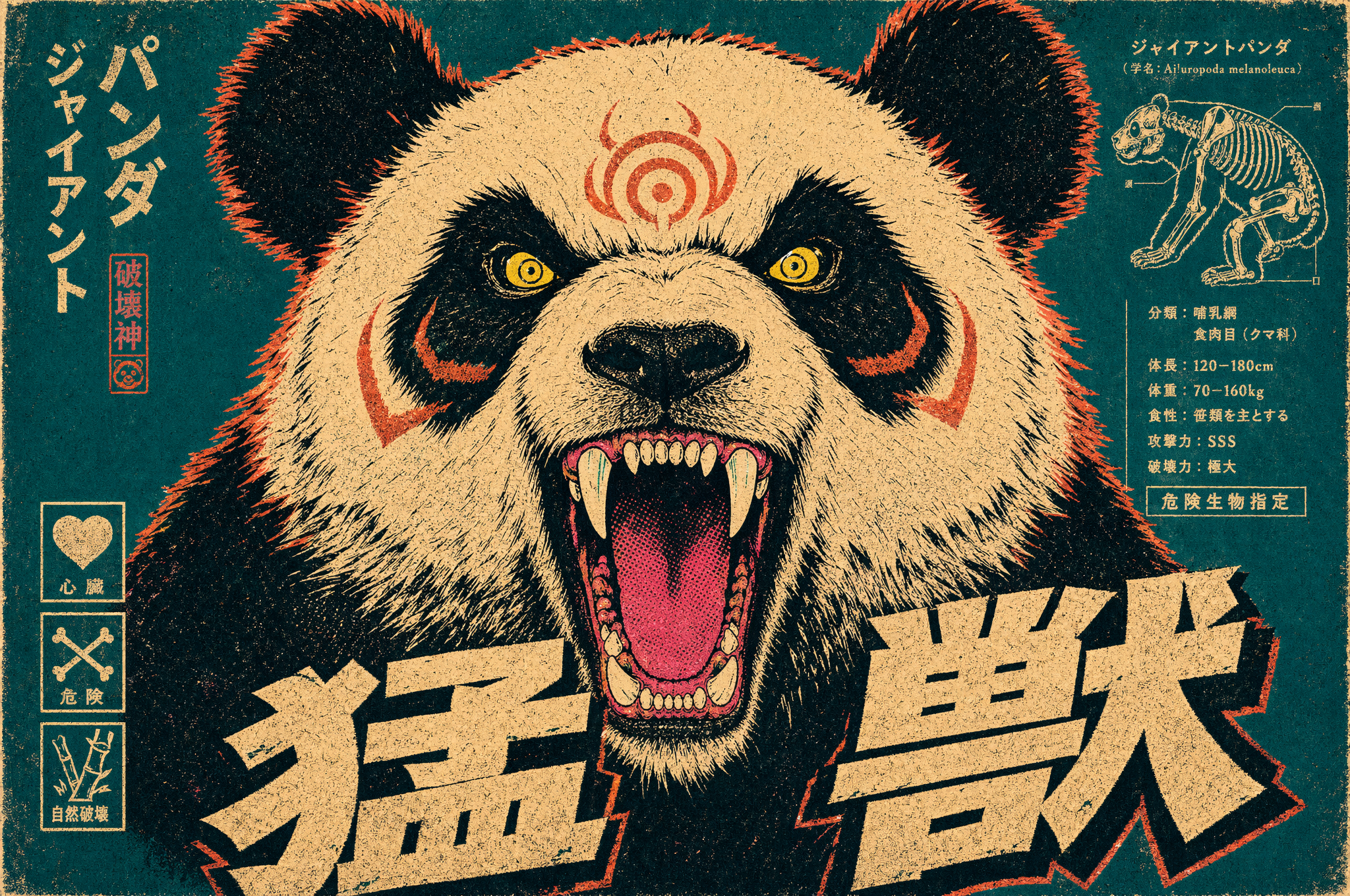
The era of relying on a single video generation model is over. Hyper-realistic content now comes from orchestrating multiple specialized models, each tuned for a different task: one for textures, another for motion, another for cinematic lighting. The real skill is no longer writing a prompt — it is building a pipeline that keeps characters consistent and quality predictable from scene to scene.
Why one model is not enough
Every model has strengths rooted in its training data. Some excel at human faces, others at physics-based motion, others at stylized rendering. If you commit to a single model, you accept its weaknesses along with its strengths. Creators working at a professional level need to choose the best tool for each part of the job.
This does not mean more complexity for you: platforms that aggregate many models let you switch between engines without changing your workflow. Start by exploring what different models do well with the same prompt, then assign each task to the model that fits it best.
Consistency is the real benchmark
Raw realism is no longer the differentiator — temporal consistency is. Viewers accept an impressive shot, but they lose trust when a character's face changes between scenes. The solution is anchoring: prepare a set of reference images of your character and use it across every scene, regardless of which model generates the motion.
Build the reference set with an AI image generator: design the character, create variations of angle and expression, then reuse the same set throughout the project. When a scene drifts, fix it from the reference, not from the prompt.
A practical production pipeline
Hyper-realistic video is produced in stages, not in one shot:
- Concept and references: define the character, style, and palette;
- Prototype: generate short tests to lock the look and movement;
- Segment production: create scenes one by one;
- Review: check each segment for quality and consistency;
- Final render: use high-end models for the finished result.
Working in segments makes mistakes cheap: only the faulty segment gets regenerated. For scenes that start from a still image, image-to-video gives you control over the first frame, which is the strongest anchor of all.
Combining models inside one project
Realistic base, stylized close-up, dynamic action — different scenes call for different engines. With a shared reference set, you can switch models between scenes without breaking the character. The AI video generator of Domer keeps this workflow in one place, so the transition between models stays smooth.
For camera and motion control, newer models like Seedance 2.0 give precise control over movement, while GPT Image 2 provides high-quality image foundations for realistic scenes.
The business case
Consistency and speed translate directly into savings. When characters stay stable and segments are produced independently, post-production time drops dramatically. Agencies and studios can iterate faster, test more directions, and deliver content that feels produced, not generated.
The same pipeline works for marketing, entertainment, and enterprise training — anywhere you need realistic video at scale without a studio budget.
Common mistakes
- Relying on a single generalist model for everything;
- Skipping reference sets in multi-scene projects;
- Generating long videos in one pass;
- Choosing models by hype instead of by task.
Conclusion
Hyper-realistic video with AI is a pipeline problem, not a prompt problem. Build reference sets, work in segments, assign models by task, and review each stage. That is how you move beyond single-model limits and produce content that holds up from first frame to last.
Pick one project — a product demo, a short narrative, a brand spot — and run it through the full pipeline. Measure the time, check the consistency, and refine. Repeating that loop is what turns good results into predictable production.
