
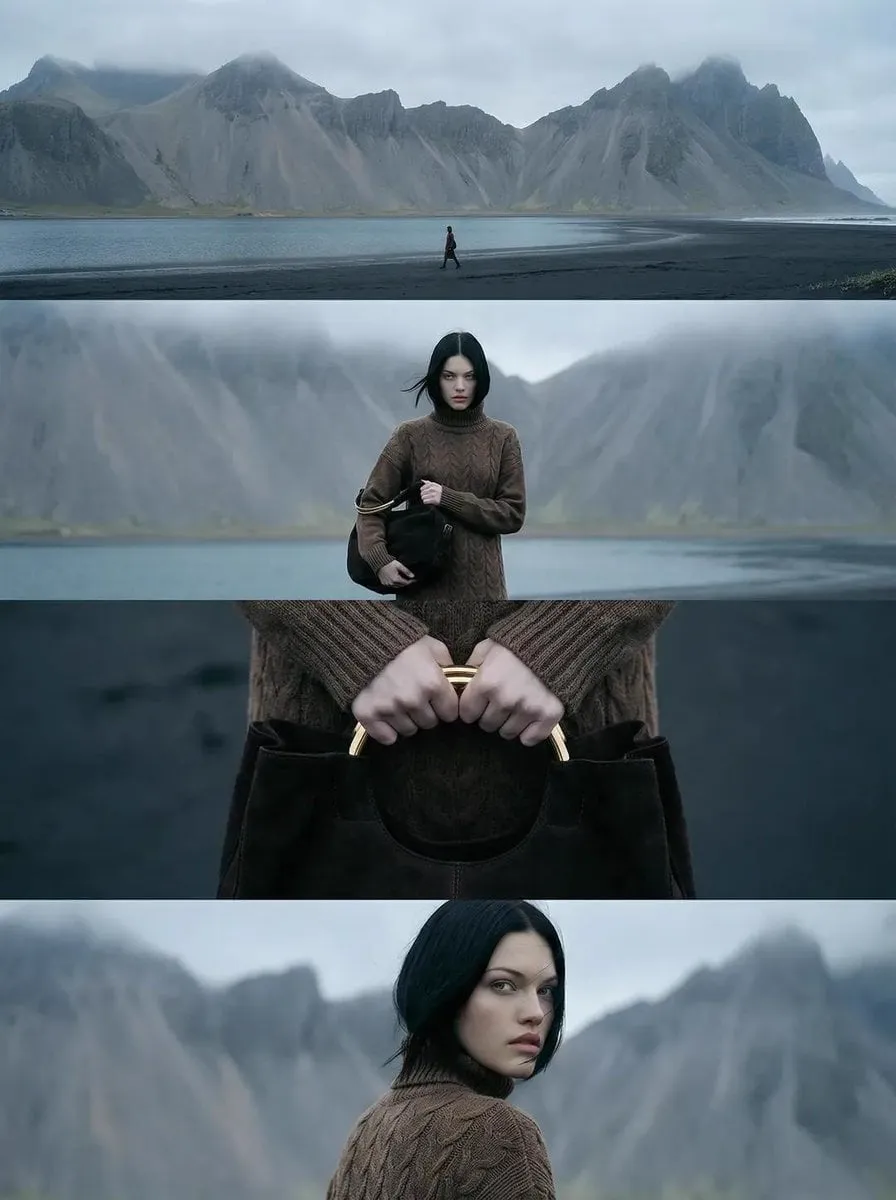
Every marketing team eventually hits the same question: should we spend this quarter polishing our brand identity, or should we invest in stories people actually feel? The debate usually gets framed as a choice between two camps. One side argues that without a recognizable identity, no amount of storytelling matters, because nobody knows who is speaking. The other side argues that a logo and a color palette are hollow unless you give people a reason to care.
The truth is more useful than either camp. Branding and storytelling are not rivals fighting for the same budget. They are two layers of the same machine, and the brands that grow fastest usually treat them as one system. This article explains what each discipline actually does, where they conflict, how to combine them, and how to decide which one deserves more attention at your particular stage of growth.
Why This Question Keeps Coming Up
The question never disappears because the environment keeps changing. Consumers today do not simply buy products; they buy identities, values, and shared experiences. A phone is not just a phone, a coffee is not just a coffee, and a workout app is not just software. People attach meaning to the brands they choose, and meaning comes from both recognition and emotion.
At the same time, attention is scarcer than ever. Feeds are crowded, ad prices rise, and the average viewer makes a judgment about your content in a fraction of a second. In that environment, a brand that is only consistent becomes boring, and a brand that is only emotional becomes forgettable the moment the campaign ends.
The rise of AI-generated content adds another twist. Production costs have collapsed, which means more brands can publish more content than ever before. That sounds like an advantage, but it also means the market is flooded with polished but interchangeable material. When everyone can make a beautiful video, the differentiators shift to two things: a recognizable identity and a memorable point of view. That is exactly the branding and storytelling axis.
So the question is not academic. It is a resource-allocation decision that every founder, marketer, and content team makes repeatedly.
What Branding Actually Does (and What It Cannot)
Branding is the total set of distinguishing features that identify a product or company: the name, logo, color palette, typography, photography style, voice, tone, packaging, and positioning. Its core job is recognition and trust. When someone sees your content out of context and can identify you within seconds, your branding is working.
The mechanism underneath branding is consistency. Repeated exposure to the same visual and verbal cues creates familiarity, and familiarity creates preference. That is why the most valuable brands in the world are often the most disciplined: they say no to good ideas that do not fit the identity. Think of the brands you can recognize from a single color or a single font. That recognition did not happen by accident; it happened because someone protected the system for years.
But branding has hard limits. Consistency cannot manufacture emotional depth. A brand can be perfectly recognizable and still be completely forgettable, because recognition is not the same as attachment. Branding also cannot rescue a product that fails to deliver. If the experience contradicts the identity, the identity becomes a liability rather than an asset. Finally, branding alone rarely spreads on its own; a consistent identity gives you a platform, but something has to happen on that platform for people to pay attention.
What Storytelling Does (and Where It Falls Short)
Storytelling is the creation of narrative arcs: characters, conflicts, turning points, and resolutions. Its job is empathy and memory. When a story makes people feel something, they remember how the brand made them feel, and that emotional memory outlasts any feature list.
Stories work because they are how humans process the world. We are wired to remember narratives better than vague claims. A story about a founder who started in a garage is remembered; a statement that says "we are an innovative company" is not. Stories also give people something to share. Nobody shares a logo, but people share moments that made them laugh, cry, or think.
Storytelling has weaknesses too. A story without a stable brand frame is scattered: a beautiful campaign that has no connection to the rest of your communication confuses people more than it helps. Emotional spikes that do not compound are also wasted. One viral video can create a spike of attention, but if the next ten pieces of content feel completely different, the spike evaporates and the brand starts over from zero. In other words, storytelling provides the fuel, but without branding there is no engine to convert that fuel into lasting momentum.
The Real Relationship: Storytelling Sits Inside Branding
The most practical mental model is a hierarchy. Branding is the container; storytelling is the content inside it. Your brand promise defines the frame, and every story you tell should confirm that frame rather than fight it.
Imagine a brand whose core value is craftsmanship. Every story that brand tells should feature makers, materials, and process, because those stories confirm the identity. Now imagine the same brand publishing a loud, chaotic meme campaign that contradicts its careful image. That campaign might get attention, but it damages the frame. The brand becomes harder to trust, and the next careful story lands with less force because the audience no longer knows what the brand stands for.
This is why the strongest campaigns feel inevitable. When you look at a piece of content and think "of course they made that," it usually means the story and the identity are aligned. The story is surprising enough to be interesting and consistent enough to be believable.
The practical takeaway: do not ask whether to choose branding or storytelling. Ask whether your stories reinforce your identity, and whether your identity gives your stories a frame that makes them more powerful.
A Decision Framework for Your Brand
If you need a concrete way to allocate effort, use these four criteria.
First, stage of the business. If people do not know you exist, recognition comes first. A new brand should spend more energy on identity, positioning, and a tight visual system. An established brand with high recognition should spend more energy on story, culture, and community, because that is where the next level of loyalty comes from.
Second, category. Commodity products with little emotional difference benefit more from branding that creates a point of difference. Emotional and expressive categories benefit more from storytelling that creates attachment. A logistics company and a cosmetics brand face different problems, even if the marketing playbooks look similar.
Third, audience and channel. Younger audiences respond to narrative and personality; professional buyers respond to consistency and proof. Short-form video rewards emotional hooks; a website and sales deck reward clarity and coherence.
Fourth, measurement. Branding metrics are long-term: aided and unaided awareness, search volume, direct traffic. Storytelling metrics are shorter-term: watch time, shares, comments, sentiment. If you cannot point to the metric you are trying to move, you are not ready to spend.
A simple rule of thumb: if people cannot remember who you are, work on identity. If people know who you are but do not care, work on story.
Branding-Led Workflows: When Consistency Wins
When recognition is the bottleneck, invest in systems. A brand book, design tokens, templates, and a tone-of-voice document turn creativity into repeatable output. The goal is that any person on the team can produce something that looks and sounds like the brand without thinking too hard.
The benefits are scalability and coherence. Templates mean a small team can publish across five platforms without re-inventing the layout every time. A tone guide means customer support, social media, and the blog all sound like the same company. In practice, this is where AI tools shine: reference images, style prompts, and preset palettes let you generate on-brand visuals at scale while a human reviews the output.
The risk of a pure branding-led approach is sameness. A system that is too rigid produces content that is consistent and dull. The fix is to treat the system as a baseline, not a ceiling: keep the visual frame stable, then vary the content inside it.
Storytelling-Led Workflows: When Emotion Wins
When people know you but do not care, shift toward narrative. Run campaigns with arcs, publish customer stories, show the founder's journey, and give your content recurring characters and themes. The goal is that people feel something and want to come back.
Storytelling-led teams usually keep a story bible: a document that records the characters, the recurring themes, the tone, and the do-not-say list. The story bible is the bridge between storytelling and branding. It allows many different stories to be told while keeping a single coherent identity, which is exactly the balance the hierarchy model describes.
The risk here is the opposite of the branding-led approach: creativity without constraint. When every campaign is a fresh creative experiment, the audience never builds a stable image of the brand. The discipline is to ask, before every story, whether it could only have been told by your brand.
Using AI Video Tools to Execute Both Sides
This is where the two disciplines finally merge in day-to-day work. Modern AI video tools let a small team produce branded content at a pace that used to require a full production studio, but only if you feed them a consistent visual identity.
Build a reference kit before you generate anything. Collect your logo, color palette, product shots, and a set of reference images that define your look. When a tool supports multi-image fusion, upload several references together so the output keeps your character, your product, or your environment consistent across shots.
Keep a style library separate from your content. One set of prompts and presets for your brand look, another set for the specific story you are telling this week. That separation is the practical version of the branding/storytelling hierarchy: the style library is your identity, and the weekly story is the content inside it.
Finally, review every AI output against your brand frame. Automation produces volume; judgment produces a brand. The teams that win are the ones that use AI for speed and keep human taste for the final call.
Common Mistakes That Break the Balance
Five mistakes come up again and again.
Rebranding every quarter. If your identity changes constantly, you never accumulate recognition. Rebrand when the strategy changes, not when you are bored.
Storytelling without a strategy. One-off emotional videos that do not connect to a positioning create noise, not brand equity. Every story should serve a strategic job.
Treating brand guidelines as a straitjacket. Guidelines exist to create coherence, not to kill experimentation. If your team is afraid to try anything, the identity is too rigid.
Chasing every trend. A trend that contradicts your frame costs you trust even when it earns you views. Ask whether the trend serves the brand before joining it.
Ignoring measurement. Branding and storytelling both need metrics, and the metrics are different. If you only measure engagement, you will over-invest in story; if you only measure awareness, you will under-invest in emotion.
FAQ
Can a startup afford storytelling?
Yes, if you keep it small. A founder story, a customer story, or a behind-the-scenes video costs little and builds more trust than a polished corporate brochure.
How long until branding pays off?
Recognition compounds slowly. Most brands see meaningful movement only after months of consistent output, which is why consistency matters more than intensity.
Do stories need to be true?
Yes. Audiences are extremely good at detecting manufactured narratives. A true story with rough edges outperforms a polished fiction.
How do I measure emotional connection?
Watch time, repeat visits, shares, comments, and sentiment analysis. You can also run simple surveys that ask people what your brand stands for and how it makes them feel.
Should we use AI for both branding and storytelling?
Use AI for execution on both sides, but keep the strategy human. AI is excellent at producing consistent visuals and drafting narrative variations; it is not yet good at deciding what your brand should mean.
