
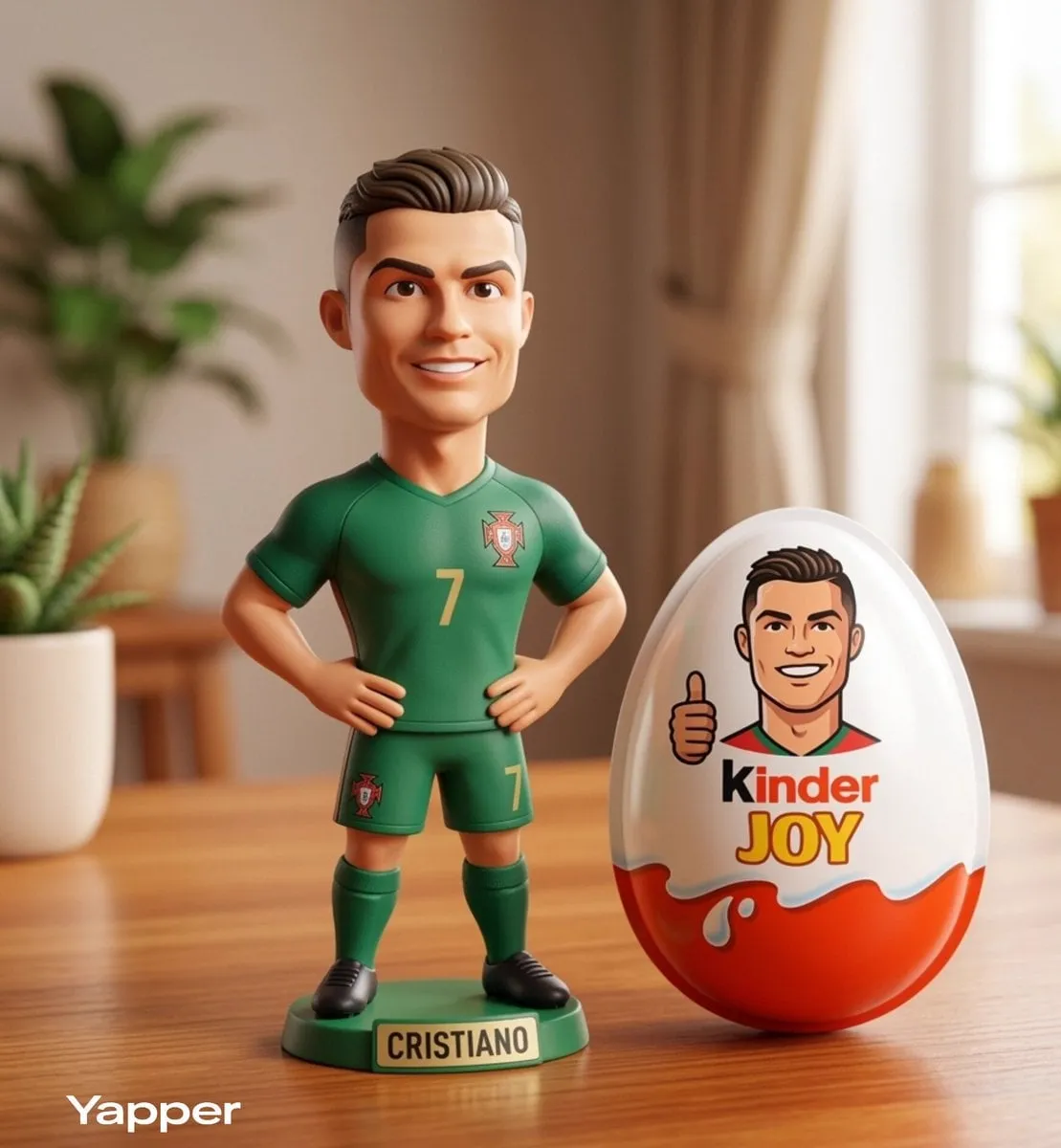
Why AI Characters Keep Changing Faces
Every AI filmmaker eventually hits the same wall. You generate a character in the first scene and fall in love with the result. By the third scene, the hair is slightly different. By the fifth, the face has changed entirely. The character your audience met is not the character finishing the story.
This problem — character continuity — is the single biggest obstacle between AI video and real storytelling. A single stunning image is easy. A character who survives an entire series, who can be filmed from any angle, in any light, in any mood, without turning into a stranger — that is the craft.
This guide introduces a mental model that makes character consistency tractable: the Lego Pixel method. The name comes from a simple idea. A Lego figure is the same figure no matter how you pose it, because the pieces are fixed and the identity lives in the arrangement. A digital character should work the same way. Every visual detail — eye shape, skin tone, hairstyle, costume — is a building block, and the character's identity is the stable assembly of those blocks across every frame.
The Lego Pixel Metaphor: Identity as a Fixed Assembly
Think of a character not as a picture but as a set of rules. The rules define the permanent features: face shape, eye color, distinctive marks, body proportions, wardrobe. When a scene is generated, the model follows the rules and builds the character in a new pose, a new place, a new expression — but the assembly of permanent features stays the same.
The metaphor matters because it changes how you work. If you treat the character as an image, you will keep regenerating images and hoping they match. If you treat the character as a rule set, you will build tools — reference libraries, identity files, style anchors — that enforce the rules automatically.
Consider what happens when a single pixel fails. If the eye color changes between shots, the audience's brain registers a mismatch even if they cannot name it. The Lego Pixel method says: every visible detail is a pixel in the character's identity, and the character is only as consistent as the pixels that stay fixed.
Building the Identity File
The first practical step is assembling an identity file for each character: a collection of reference images that define the permanent features.
Start with a core portrait: a front-facing, neutral-expression image with even lighting. This is the anchor, the image the model will lean on most heavily.
Add profile views: left and right. Profiles resolve the most common source of drift — the model guessing what the nose, jaw, and ears look like from the side.
Add a full-body image showing the complete outfit and proportions. Costume continuity is a separate failure mode from facial continuity, and it needs its own reference.
Add expression shots: smiling, serious, surprised. Expressions test whether the model can change the face without changing the face. If the model turns a smile into a different person, your identity file is too weak.
Add environmental context shots if the character has a signature setting: the same character in different locations helps the model separate identity from environment.
Curate ruthlessly. Every image in the file must agree on the permanent features. If two images show different hair lengths, the model will average them into a fuzzy mess. Reshoot or regenerate until the file is unanimous on the features that matter.
Multi-Image Fusion: Turning Many Images into One Identity
With the identity file ready, the next step is fusion: combining multiple images into a single stable identity that the generation model can use.
The technical term is multi-image fusion. Instead of conditioning the model on one image, you supply the whole set, and the model extracts the common features while treating the differences as variation. The result is a character that has a canonical face, body, and wardrobe, but can still move, emote, and appear in new situations.
The quality of fusion depends heavily on the variety of the reference set. Five images of the same angle teach the model almost nothing new. Five images covering front, profile, full body, and expression give the model a three-dimensional understanding of the character. More coverage means more stability in more situations.
Fusion also works across models. If you build the identity with one model and want to render the final scene with another, the fused identity travels between them. Each model interprets the identity with its own strengths — one better at skin texture, another at motion — but the underlying character remains recognizable.
Keyframes and the Continuity of Motion
Still-image consistency is only half the battle. Characters also need to stay consistent while moving: walking into a room, turning their head, reacting to an event.
Keyframes are the tool for this. A keyframe is a fixed state of the character — a pose, an expression, a position — that the model uses as a checkpoint for a shot. By setting keyframes at the start and end of a movement, you give the model two anchors to interpolate between, which reduces drift dramatically.
The technique becomes essential for dynamic scenes. A character who runs across a street in a single shot has many moments where the model could drift. Breaking the shot into segments, each with its own keyframe, keeps every segment anchored to the same identity.
When a character must interact with objects or other characters, keyframes do double duty: they anchor the character's identity and the object's placement simultaneously. The payoff is scenes where the audience never questions whether the person on screen is the person from the previous scene.
Style Transfer: Moving Characters Between Looks
Sometimes the character must change style without changing identity: the same person in a different outfit, a different era, a different art direction. This is where style transfer comes in.
The goal is to preserve the identity core while swapping the surface. A practical approach is to generate the character in the new style, then fold the result back into a fresh reference set. The new set still shows the same face, the same proportions, the same marks — but in the new wardrobe and style.
This is also how you adapt characters across art styles: the same protagonist in photorealistic form, animated form, and pixel-art form. Each style gets its own identity file built on the same core. The audience recognizes the character across the styles because the permanent features survive the translation.
Building a Reference Library for Your Whole Project
Individual characters benefit from identity files, but projects benefit from a reference library: a structured collection of every recurring element — characters, creatures, vehicles, props, environments, and signature styles.
Organize the library by element type, and store for each element: the canonical reference images, the identity file, the list of models it has been tested with, and notes on what caused drift in past shoots. This turns the library into a living document that gets better with every project.
The library pays for itself immediately on serialized content. A web series with a recurring cast can produce episode after episode without re-solving the consistency problem, because the solutions are already stored.
It also accelerates collaboration. If multiple creators work on the same project, the library is the shared source of truth. Everyone generates from the same identities, and the output stays coherent without constant back-and-forth.
Model Selection and Iteration Costs
Character consistency is not free. Different models preserve identity with different degrees of fidelity, and the difference shows up in the final footage.
Heavyweight photorealistic models generally preserve identity well but cost more per generation, which makes iteration expensive. Fast models iterate cheaply but drift more easily, so they are best used for blocking, composition tests, and rough cuts.
The recommended pattern is a two-pass approach. Pass one uses fast models to establish the shot list, the composition, and the pacing. Pass two regenerates the hero shots with the highest-fidelity model, using the same identity files. The character is validated early, cheaply, and only the shots that matter receive the expensive pass.
Track drift during validation. Keep a contact sheet of the character from each generated shot, side by side with the identity file. A glance at the sheet reveals which shots drifted and which model caused it. This evidence-driven approach turns consistency from a hope into a measured property.
Common Failure Modes and Fixes
Characters change clothes mid-scene. Fix: lock the wardrobe in the identity file and do not describe clothing in the scene prompt. The outfit is a permanent feature, not a variable.
Faces age or reshape between shots. Fix: strengthen the identity file with more front and profile views, and re-validate after any model change.
Expressions turn into different people. Fix: add expression shots to the identity file, especially the expressions the scene requires, and use keyframes for dramatic expression changes.
Side views collapse the face. Fix: include left and right profile references; profile drift is almost always a missing-reference problem.
Different models render the same identity differently. Fix: pick one model per scene and validate the character with every model change before committing to a full shoot.
Validation: The Contact Sheet Habit
Consistency is not something you feel; it is something you measure. The cheapest measurement tool is the contact sheet: a single image grid with the character from every generated shot placed side by side with the identity file. One glance tells you which shots drifted, which models caused it, and which scenes need regeneration.
Make the contact sheet a standard step after every batch. For a short scene, the sheet takes minutes to assemble and pays for itself by catching drift before it reaches the edit. For a series, keep a running sheet per character across episodes — it becomes the character's medical record, showing where consistency holds and where it breaks under specific conditions.
When drift appears, diagnose before fixing. Is the face drifting, or only the costume? Does it happen at certain angles, in certain lighting, or with certain expressions? The diagnosis tells you which part of the identity file to strengthen. Random regeneration without diagnosis wastes budget and rarely fixes the root cause.
A useful discipline: write one line of notes for every regeneration you keep. "Kept — profile view, dusk lighting, model X." Over a few weeks, those notes become a personal playbook that tells you exactly which combinations hold consistency and which do not. That playbook is worth more than any single tool upgrade.
Frequently Asked Questions
How many reference images do I need? Five is a workable minimum, eight to twelve is comfortable, and more helps for complex characters or heavy action. Quality and agreement between images matter more than raw count.
Does this work for non-human characters? Yes. The method applies to creatures, robots, vehicles, and props. Any recurring visual element benefits from an identity file.
Can I reuse a character across projects? Yes, and you should. The identity file is the asset; each project is a new deployment of the same asset.
What if the character must change appearance across a story arc? Build the identity for each stage of the arc — younger, older, scarred, healed — and switch between stage files at the right story beats. The audience follows the arc because each stage is internally consistent.
How long does it take to set up a character? The first time, plan for a session of trial and error. Once you have a template for identity files, new characters take minutes to assemble.
Final Thoughts
Character consistency is not a technical problem to solve once and forget; it is a craft to practice. The Lego Pixel method gives you the mental model — identity as a fixed assembly of details — and the practical tools: identity files, multi-image fusion, keyframes, and validation sheets.
Start with one character and one short scene. Build the identity file, generate three shots, and compare them side by side. Fix what drifts, note what works, and then add a second character, a longer scene, a different model. Every cycle makes the next one faster.
The creators who master consistency will own the next era of AI storytelling, because audiences follow characters, not clips. A character who survives an entire series is worth more than a thousand beautiful one-off images. Build your characters like Lego — fixed pieces, infinite poses — and the stories will finally hold together.
