

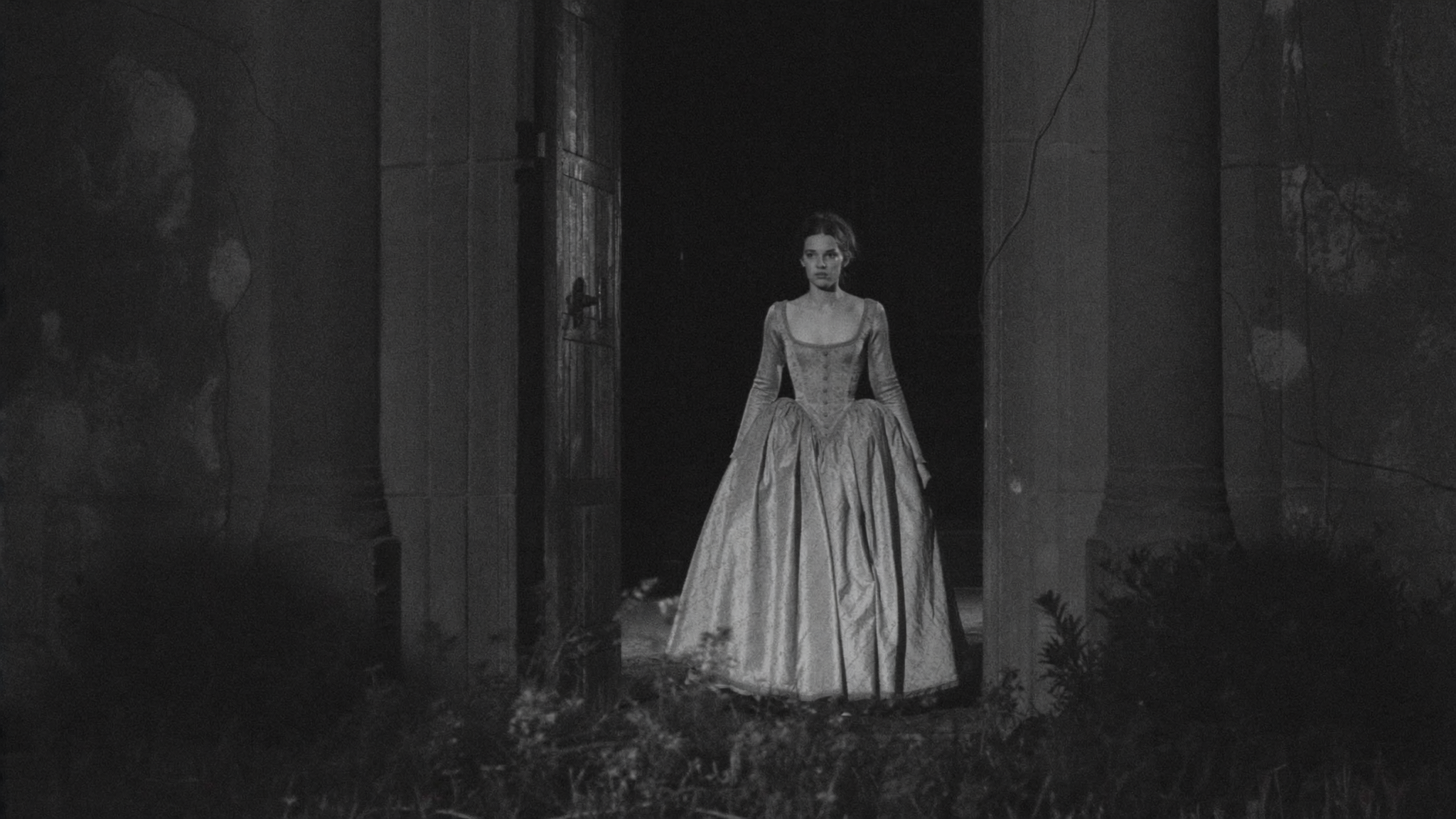
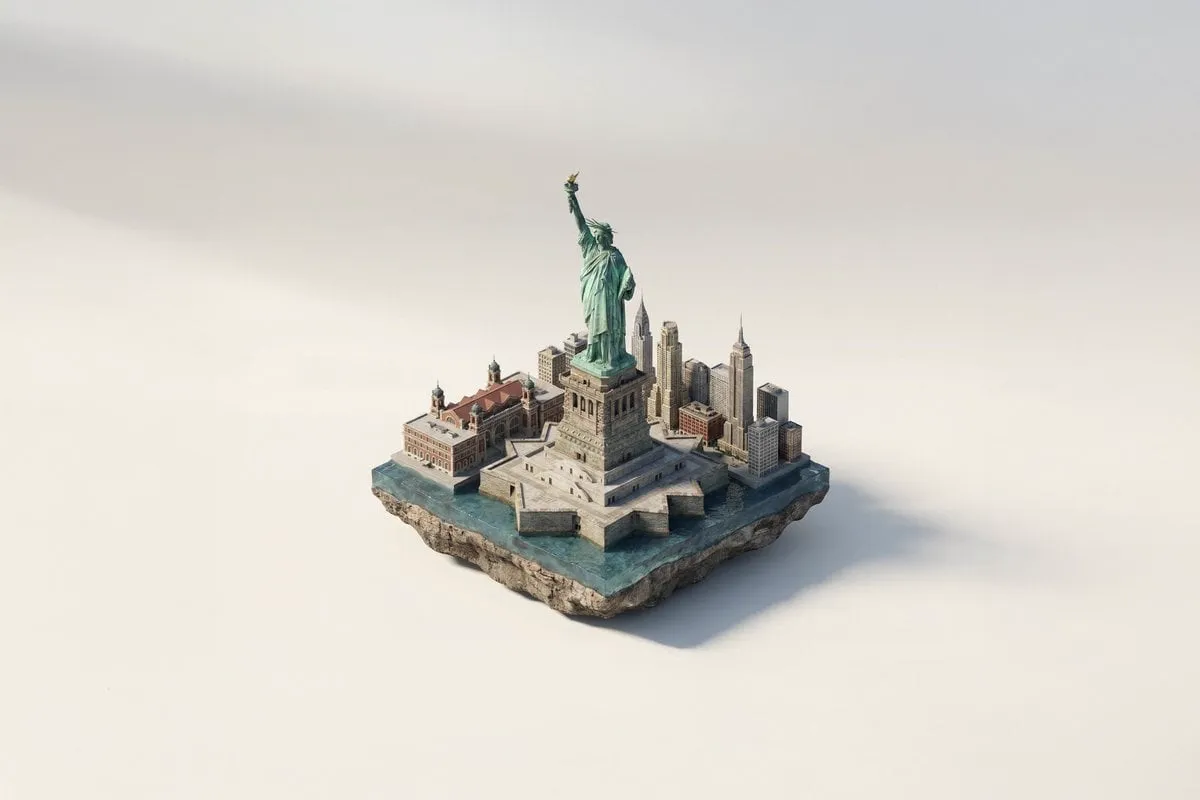
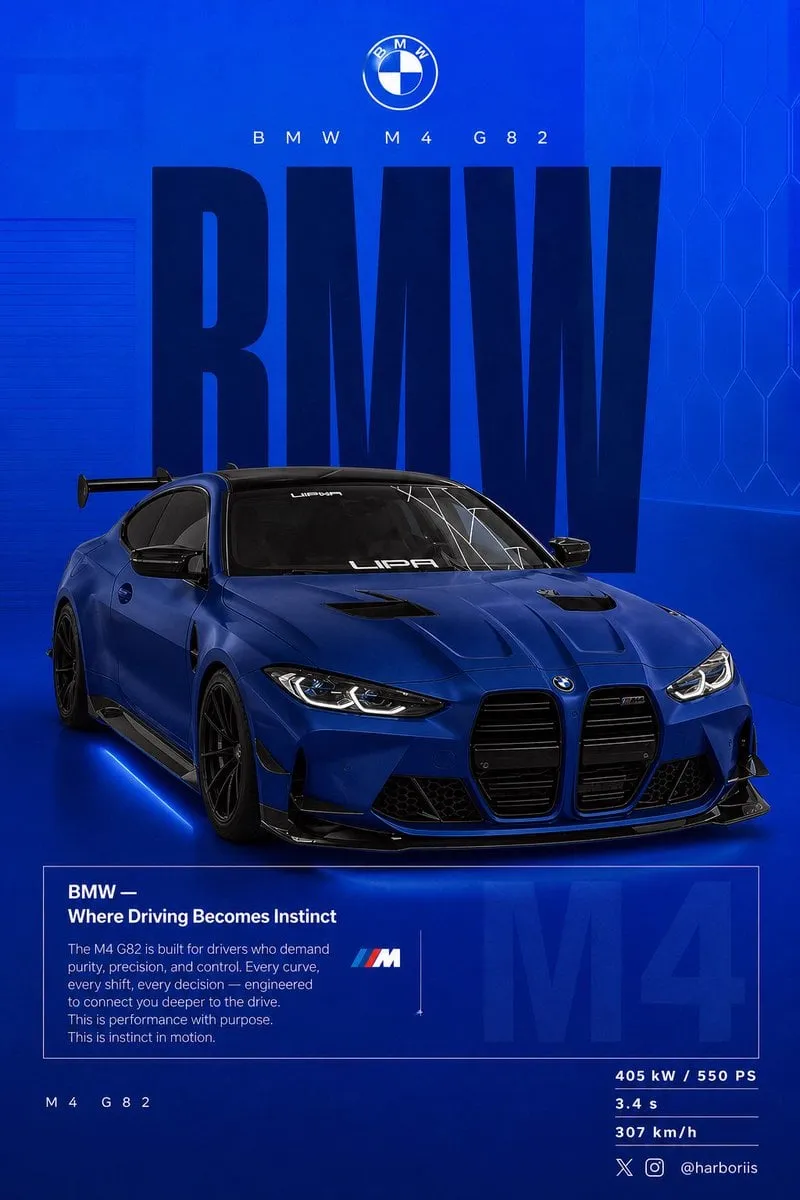
Every successful creator is recognizable within seconds. Before the logo, before the name, the audience sees a visual signature: a palette, a lighting mood, a way of moving, a recurring character. In the past, building that signature required years of craft and expensive production. Today, image-to-video AI collapses the distance between a reference image and a consistent, animated universe. The result is that visual identity, once the privilege of studios and agencies, is now a strategic asset that any creator can build deliberately.
This guide explains how to construct a signature style using image-to-video generation: choosing the right model portfolio, locking consistency with reference images and keyframes, building a repeatable pipeline, and turning style into a durable advantage.
Why Image-to-Video Is the Right Starting Point
Text-to-video is impressive, but it has a fundamental weakness: words cannot fully describe a face, a texture, or a color grade. Every generation starts from scratch, and small variations in prompt interpretation produce large variations in output. Image-to-video solves this by providing a visual anchor. You start with an image that already contains your style, and the model animates it while preserving its identity.
This is why image-to-video has become the core technique for style building. The reference image carries the aesthetic; the model adds motion. Contextual and temporal consistency improve dramatically compared with pure text prompting, because the system has a concrete target to preserve rather than a fuzzy description to interpret. For creators who want a repeatable look, this is the difference between gambling and engineering.
The Market Context: Why This Matters Now
The generative media market has grown from a niche experiment into a mainstream industry, with projections of strong compound annual growth over the next several years. The driving force is the ability to give still images contextual and temporal consistency: characters that stay the same, products that keep their color, environments that maintain their mood across cuts.
At the same time, the quality bar has been raised by next-generation models. What was impressive last year is table stakes today. The question creators now face is no longer "how do I generate a video?" but "how do I make it look like me?" The answer lies in model selection and consistency control, which are exactly the skills this guide teaches.
Building a Model Portfolio: Matching Models to Intentions
A signature style is not the product of a single model; it is the product of a portfolio used with intention. Different models render light differently, move characters differently, and interpret prompts with different fidelity. Learning the personality of each model is the first step toward control.
Premium Models: Quality and Control
Premium video models deliver the highest visual fidelity and the most sophisticated control. They excel at subtle textures, realistic lighting, and faithful prompt understanding, which makes them ideal for hero content: advertisements, cinematic sequences, and brand pieces where the style must be flawless.
The trade-off is speed and cost. Premium generation takes longer and consumes more of your plan's allowance. The discipline is to use premium models only when the concept has already survived iteration, not for every draft.
Fast and Cost-Effective Models: Iteration Engines
At the other end of the spectrum are fast, economical models designed for exploration. When you are testing three different motions, five color treatments, or a dozen scene compositions, you do not need cinematic quality; you need speed. These models let you see the shape of the idea quickly, discard what does not work, and refine the survivors.
A healthy workflow alternates between the two: fast models for the search space, premium models for the final render. This keeps cost under control without sacrificing quality, and it dramatically increases the number of iterations you can run per day, which is the real engine of improvement.
Specialized Models: Refining the Details
Beyond the general categories, specialized models handle niche jobs: anime aesthetics, specific motion styles, physics-heavy scenes, product rendering. When your signature style depends on a particular treatment, a specialized model may outperform every generalist. The strategic move is to keep a shortlist of two or three specialists that support your aesthetic and rotate them in where they shine.
The Technical Foundation: Consistency Tools
Consistency is the backbone of a signature style. Two tools matter most.
Multi-Image Fusion and Keyframe Control
Multi-image fusion lets you feed several reference images and build a stable identity vector for the subject. The vector persists across generations, so the character or product looks identical in every scene. Keyframe control goes further: you define the first and last frame of a shot, and the model fills the motion between them while respecting the anchored identity. Together, these tools make serialized content possible.
GPU Task Queues and Batch Generation
Underneath, platforms manage GPU work through task queues. This is invisible to the user but decisive for workflow: batch generation lets you queue twenty variations at once, background processing lets you walk away and return to results, and predictable queue behavior makes volume production viable. For a creator building a style library, these features matter as much as model quality.
Community Marketplaces and Model Monetization
Many platforms now support community marketplaces where creators train custom models and share or sell them. If your signature style becomes popular, you can package it as a model and earn from other creators. More importantly, marketplaces expand the palette of available aesthetics, which makes style exploration cheaper for everyone. A signature style is not just a creative asset anymore; it can be an economic one.
The Pipeline: From Reference to Signature Style
Here is a concrete three-stage pipeline for building a signature style with image-to-video AI.
Stage 1: Set the Style Seed
Everything starts with the reference. Collect three to five strong images that define your aesthetic: the subject, the lighting, the palette, the mood. If you do not have them yet, generate candidates with an image model and curate the best. This seed becomes the identity vector that every generation inherits.
Take the time to make this stage excellent. The seed is the single highest-leverage artifact in the whole process. A weak seed produces weak consistency no matter how good the models are.
Stage 2: Inject Motion and Dynamics
With the seed locked, animate it. Write scene prompts that describe action, camera movement, and environment while deliberately avoiding descriptions of appearance; the identity vector handles appearance. Generate drafts with a fast model to validate composition, then render winners with a premium model.
Use keyframes for any scene with a visible start and end state. If the character walks across the frame, set the first and last frame; the model fills the walk with the correct identity throughout.
Stage 3: Correct and Refine Consistency
Review the sequence as a whole, not clip by clip. Watch for drift: a face that subtly changes, a color that shifts between cuts, a texture that loses fidelity in motion. Fix drift by strengthening references, adding a corrective prompt, or re-generating with a more consistent model. Once the sequence is stable, save the winning configuration: model, references, prompts, and parameters, as a reusable template.
A Practical Example: Building a Brand Mascot
Imagine you want a mascot for your channel: a small robot with a signature orange glow. Here is how the pipeline plays out.
- Seed: generate three images of the robot in different poses, all with the orange glow and the same matte finish.
- Identity: build the reference set and let the platform create the identity vector.
- Scenes: write six scene prompts: the robot waking up, exploring a city, meeting a character, reacting, celebrating, and winking at the camera. Do not describe the robot's appearance in the prompts; the vector carries it.
- Keyframes: set first and last frames for the scenes with clear movement.
- Drafts: generate all six with a fast model. Review the sequence. The robot's glow flickers in scene four; regenerate it with a stronger reference weight.
- Final: render the six approved scenes with a premium model, add voice-over and music, and assemble.
After one session, you have a reusable mascot pipeline. Every future video reuses the same identity, which is exactly how recognizable brands are built.
The Role of the AI Director Agent
Modern platforms increasingly include an AI agent director that assists with creative decisions. Given your concept, it proposes a narrative structure, suggests shot types, and keeps references consistent across the sequence. For style building, the director agent is especially useful in the planning phase: it turns a vague idea into a shot list, which makes the generation phase fast and focused.
The agent proposes; you decide. The judgment of what fits your signature style remains human. But the mechanical work of structuring scenes and maintaining consistency, which used to consume most of the creative day, is now handled by the system.
Decision Criteria: Choosing Your Tools
If you are starting to build a signature style, use these criteria to choose your stack:
- Define your aesthetic first. The seed images are more important than the platform. Generate and curate them before evaluating tools.
- Match models to jobs. Premium for hero content, fast for iteration, specialized for your signature treatment.
- Prioritize consistency features. Multi-image fusion and keyframe control are non-negotiable for serialized content.
- Consider the marketplace. If you want to monetize your style later, choose a platform with a community marketplace.
- Test with volume. Run small batches across candidates and let results, not marketing, decide.
Common Pitfalls When Building a Signature Style
Style building looks simple until it is not. These are the pitfalls that slow creators down most often.
- Weak seeds: a blurry or inconsistent reference set produces drift no matter how good the model is. Curate the seed until it is excellent before generating anything.
- Describing appearance in prompts: once the identity vector exists, describing the character in the prompt competes with the vector and confuses the model. Use prompts for action, environment, and mood only.
- Jumping between models mid-sequence: model personalities differ, and mixing them introduces subtle style shifts. Standardize the model within a sequence.
- Skipping whole-sequence review: judging clips in isolation hides drift. Watch the sequence as a whole and compare the subject across cuts.
- Not saving winning configurations: the combination of references, model, and parameters that worked is an asset. Save it as a template or the next project starts from zero.
- Expecting perfection on the first pass: good style work is iterative. Plan for three to five passes and treat each as learning.
FAQ
How many reference images do I need to build a consistent character?
Three to five high-quality images with varied poses and lighting are usually enough. Very specific details may require additional references.
What is the difference between text-to-video and image-to-video for style?
Text-to-video interprets a description and starts fresh each time; image-to-video animates a reference and preserves its identity. For consistent style, image-to-video is the stronger foundation.
How do I keep colors and lighting consistent across scenes?
Lock them in the seed images, use the same reference set for the whole sequence, and correct drift during review. Optionally apply a unified color grade in post-production.
Do I need premium models for everything?
No. Use fast models for drafts and exploration, and reserve premium models for the final render. This controls cost and increases your iteration rate.
Can I sell my trained style model?
On platforms with community marketplaces, yes. A popular signature style can be packaged and monetized, turning creative identity into an economic asset.
How long does it take to build a signature style?
The first coherent sequence can be built in a single working session. The signature strengthens over time as you reuse the identity, refine the references, and document winning configurations.
Conclusion
A signature visual style is the most durable asset a creator can own, and image-to-video AI has made it buildable by anyone with discipline. The formula is simple: curate a strong seed, lock consistency with references and keyframes, alternate fast and premium models, and save every winning configuration as a reusable template. The technology is mature, the process is learnable, and the advantage belongs to creators who treat style as a system rather than a happy accident. Build the pipeline once, and every future video compounds the identity you have created.
