
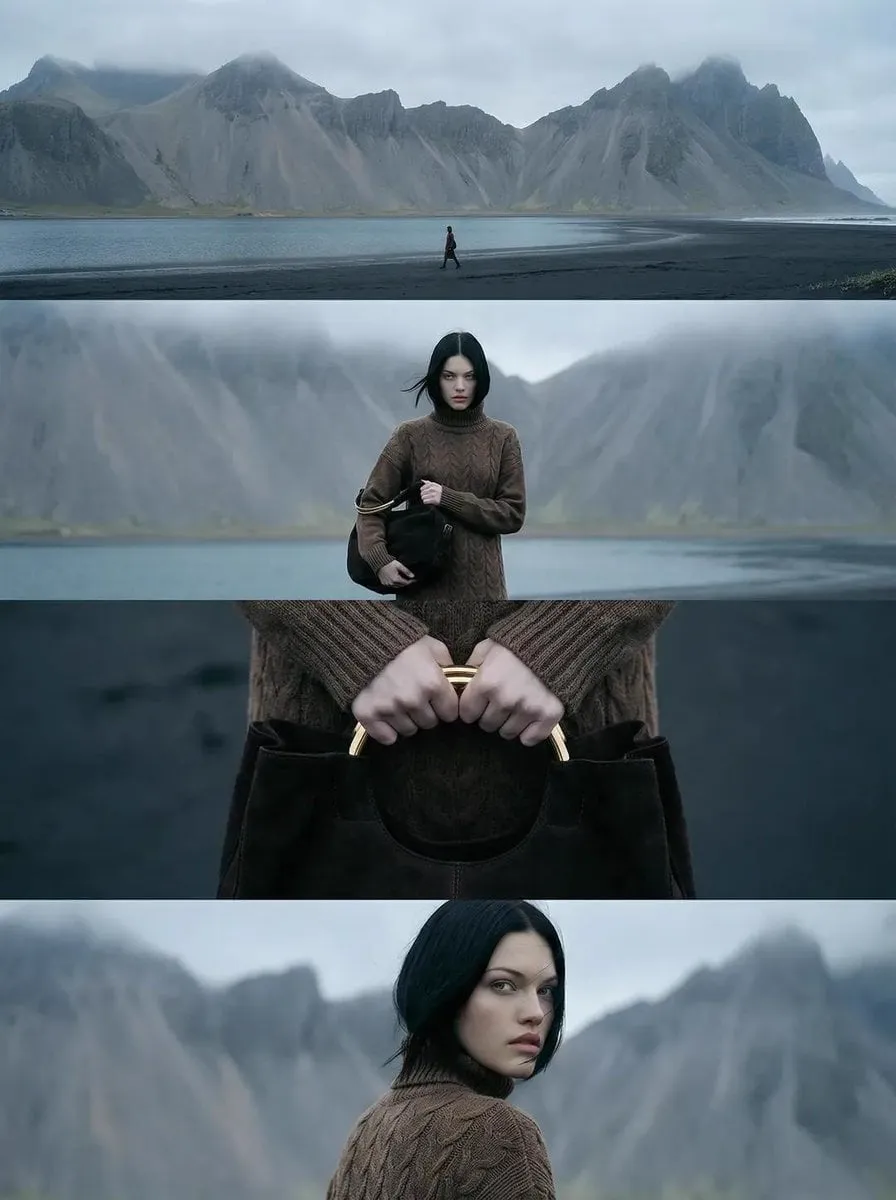
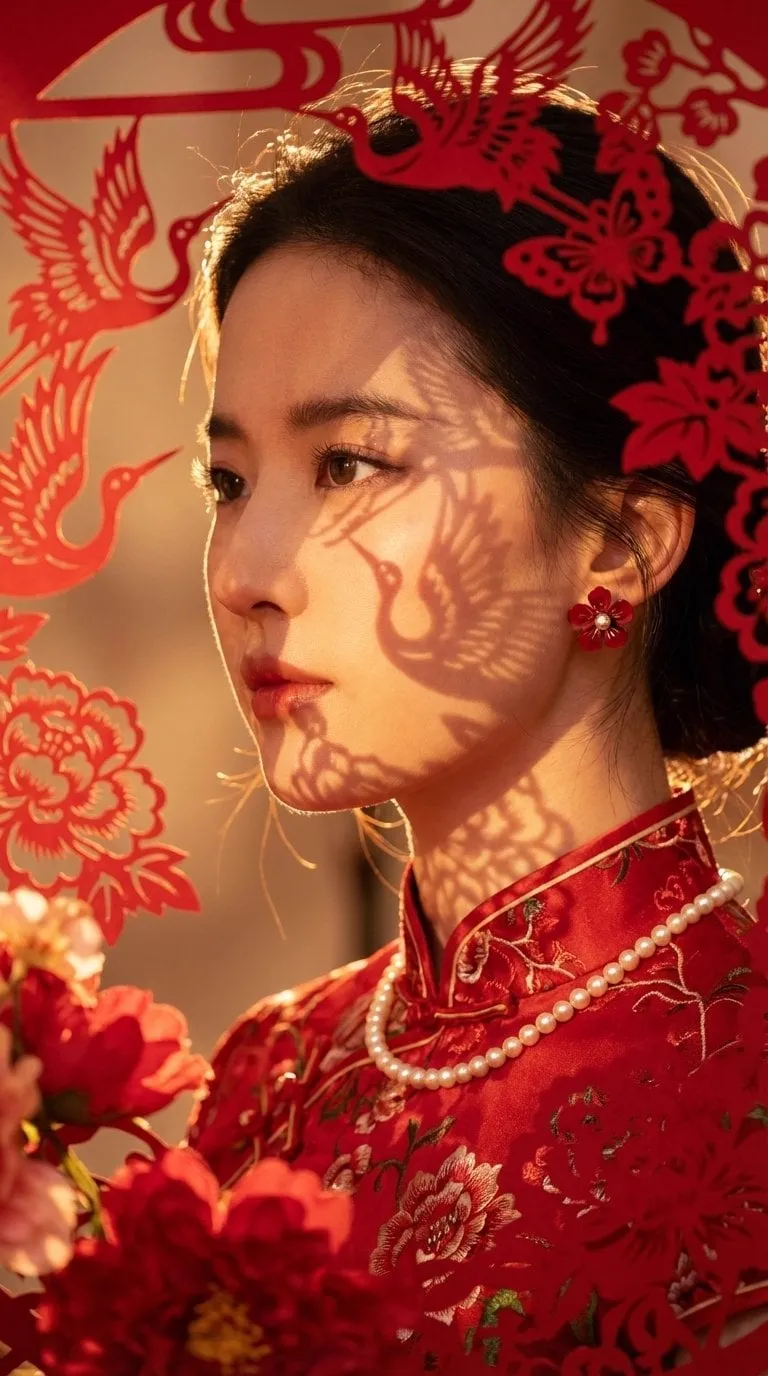
Can AI Generate Video from Text? How Text-to-Video Works in 2025
The question used to be theoretical. Can artificial intelligence really turn a sentence into a moving image? In 2025, the answer is a practical yes. Text-to-video generation has advanced so far that creators can describe a scene in plain language and receive cinema-grade footage in return, complete with realistic motion, consistent characters, and coherent lighting. What sounded like science fiction a few years ago is now a mainstream production tool used by marketers, educators, and independent filmmakers.
This guide explains how text-to-video actually works, what the leading models can do, how platforms keep output consistent, and how you can build a reliable workflow around it.
The State of Text-to-Video in 2025
Text-to-video technology has made unprecedented progress. The global generative AI video market is projected to reach tens of billions of dollars by the end of the decade, and the pace of improvement shows no signs of slowing. A few years ago, AI could produce only short, distorted clips. Today, models generate stable, narratively coherent, high-resolution footage from text descriptions.
The shift matters for business and creativity alike. Digital marketing teams can produce campaign videos from briefs in hours instead of weeks. Educators can turn lesson outlines into animated explainers. Indie filmmakers can visualize scenes before investing in production. The capability is no longer a novelty; it is a mainstream operational asset.
How Text-to-Video Generation Works
Text-to-video generation combines natural language processing with video diffusion models. The process begins when the user provides a text description. The system converts that text into embeddings, mathematical representations that capture meaning, then guides a diffusion process that iteratively refines random noise into a sequence of coherent frames.
The quality of the output depends on three factors: the model's understanding of language, its training on real-world motion and physics, and its ability to maintain consistency across frames. Modern transformer architectures handle the language side exceptionally well, while diffusion models trained on massive video datasets handle the visual side. The result is footage that understands not just what objects look like, but how they move, how light behaves, and how scenes relate over time.
The Models Leading the Field
No single model dominates every use case, and knowing the landscape is the first skill of text-to-video production.
OpenAI's Sora Series set a new benchmark for realism and world modeling. Sora produces videos with physical plausibility and a structural understanding of scenes: how objects interact, how light falls, how space is organized. It is the reference point for narrative and complex motion work.
Kling AI from Kuaishou is a strong global contender known for prompt adherence and aesthetic diversity. It handles stylized visuals well and offers an accessible entry point for many creators.
Runway Gen-4 and Gen-3 Alpha remain the gold standard for cinematic quality and scene coherence. They are especially strong when you need multiple clips that belong to the same production.
For high-volume and cost-sensitive work, models like MiniMax Hailuo deliver solid results at lower cost. For specialized effects and motion, Luma Ray, Pika, and Vidu Q1 offer targeted strengths.
A practical strategy is to build a model toolkit: premium models for hero shots, efficient models for drafts and variations, specialized models for effects. This keeps quality high and budgets under control.
Consistency: Characters, Style, and Scenes
The hardest problem in text-to-video is not generating a single impressive clip; it is generating a sequence that feels like one production. Viewers instantly notice when a character changes face between scenes or when lighting drifts between shots.
Consistency starts with reference-based generation. Instead of describing a character from scratch every time, you supply reference images: multiple angles, expressions, and outfits. The model builds a stable interpretation and carries it across scenes. Multi-image fusion takes this further by combining several references into a coherent character or environment model.
Style works the same way. A reference image can anchor the palette, art direction, and mood of an entire series. Once anchored, every generated clip inherits that identity, and the content begins to look like a branded production rather than isolated experiments.
The Role of an AI Director Agent
The most interesting development in text-to-video is the emergence of agents that act like directors. Beyond raw generation, these agents help with scene composition, shot ordering, and narrative structure. Instead of prompting each clip in isolation, you describe the whole scene, and the agent decomposes it into consistent shots.
This adds two valuable properties. First, scalability: a defined workflow can reproduce the same style and structure across episodes, campaigns, and series. Second, reliability: when the agent manages the parameters, you can iterate on the story without breaking the visual identity.
The human remains the creative authority. The agent handles the mechanical work of composition, continuity, and parameter management, freeing the creator to focus on story and intent.
Building a Reliable Workflow
A production-ready text-to-video workflow looks like this:
- Write the treatment. One sentence for the concept, one paragraph for the action, one list of shots.
- Anchor the style. Create or select a reference image that defines the look and mood.
- Build character references. Generate a multi-angle sheet of the main characters before any scene work.
- Generate scene by scene. Use the best model for each shot, always passing the references.
- Review for continuity. Watch the whole timeline together and fix drift with adjusted references.
- Add audio. Layer voiceover, music, and effects, aligned to the visual cuts.
- Publish and iterate. Reuse the style anchor for the next video; each project gets faster.
The first project takes the longest because you build the anchors. Every project after that inherits the system.
Technology Behind Reliable Platforms
Reliable text-to-video platforms are engineered for scale and stability. Backend architectures typically separate user management, membership systems, and generation pipelines. A task queue manages GPU resources: jobs are prioritized, model capacities are allocated, and peak loads are smoothed so users get predictable turnaround.
Storage and delivery matter as well. Generated videos live in scalable storage with content delivery networks so results stream quickly worldwide. The engineering goal is that the platform stays fast and stable whether you generate one clip or a hundred, which is exactly what production teams need.
Practical Applications
Text-to-video generation serves a wide range of real use cases:
- Marketing: campaign videos, product demos, and localized variations produced from briefs.
- Education: animated explainers and lesson visuals built from outlines.
- Entertainment: short films, music videos, and concept visualization.
- E-commerce: product videos and lifestyle footage without studio shoots.
- Corporate: training videos, internal communications, and presentation assets.
In every case, the workflow is the same: strong prompts, solid references, and a review step that checks the whole project, not just individual clips.
Common Mistakes to Avoid
- Skipping character references: without them, characters change appearance every scene.
- Using one model for everything: premium models on drafts waste budget; fast models on hero shots waste quality.
- Ignoring audio: generated footage without sound feels unfinished regardless of visual quality.
- Overloading prompts: cramming every detail into one prompt produces chaos. Split the scene into shots.
- Forgetting continuity review: evaluate the full timeline together, not clip by clip.
Building Your Model Toolkit
Newcomers often ask which models to start with. The answer depends on your primary use case, but a sensible starting toolkit follows a clear pattern.
Choose one flagship model for quality. If your work is narrative and needs physical plausibility, start with Sora. If you produce cinematic brand content, start with Runway. If you want stylized visuals with strong prompt adherence, start with Kling. Master that model before expanding.
Add one efficient model for volume. MiniMax Hailuo and similar models handle drafts, variations, and routine content at lower cost. This is the model you use when the shot is not the centerpiece of the production.
Add one specialized model for the edge cases your flagship handles poorly: fast motion, object persistence, or specific effects. Luma Ray, Pika, and Vidu Q1 each cover different niches.
Finally, treat image generation as part of the toolkit. Strong reference images from a capable image generator make every video generation more consistent, because the video models anchor to the stills you provide.
The guiding principle is to know exactly what each model is for. When a shot fails, you should know whether the problem is the prompt, the reference, or the model choice. A small, well-understood toolkit produces better results than a large collection of models you use at random.
Key Takeaways
Five principles define professional text-to-video work in 2025. First, model selection is a craft: no single model wins every task, so build a toolkit and match the model to the shot. Second, orchestration beats isolation: a mix of flagship, efficient, and specialized models balances quality against cost. Third, consistency comes from references: style anchors and multi-angle character sheets are the difference between a production and a collection of clips. Fourth, infrastructure enables scale: task queues, GPU management, and stable platforms determine whether a workflow is productive or painful. Fifth, human judgment remains essential: the tools amplify creative vision but cannot replace it. Teams that respect these principles build workflows that scale and repeat.
FAQ
Can AI really generate video from text?
Yes. Modern models turn text descriptions into coherent video footage with realistic motion and consistent scenes. The quality depends on the model, the prompt, and the references you provide.
How long does it take to generate a video?
A short clip can take anywhere from a few seconds to several minutes depending on the model, resolution, and current load. Full productions take longer because they involve multiple shots and post-production.
Do I need technical skills?
No. The tools are prompt-driven. The skills that matter are writing clear prompts, building good references, and editing the output.
How do I keep a character consistent across clips?
Build a multi-angle reference sheet and pass it to every generation. Multi-image fusion keeps the character stable across scenes and shots.
Is text-to-video good enough for professional use?
For social content, marketing, education, and concept work, yes. For hero productions, combine generated footage with professional finishing and human direction.
What are the current limitations of text-to-video?
The main limits are cost, control, and consistency at the edges. Premium models still cost more per clip than efficient ones, so budget planning matters. Fine control over specific details, such as exact camera moves or precise object behavior, often requires iteration and reference work. And while consistency has improved dramatically, complex multi-scene productions still benefit from human review and post-production.
How do platforms keep generation fast under heavy load?
They use task queues and resource management. Generation jobs are prioritized, GPU capacity is allocated across models, and peak loads are smoothed so individual users get predictable turnaround. Good infrastructure is invisible: you simply get your results without long waits, even during busy periods.
Can I combine AI-generated footage with real footage?
Yes, and this is a common professional pattern. Generated footage handles backgrounds, environments, concept visualization, and impossible shots, while real footage provides authentic product detail and human presence. The key is unifying the grade and references so the two sources feel like one production.
What should I do before publishing generated content?
Check the terms of the tools you use, confirm the rights to your reference images, and review every clip for artifacts and consistency. If the content is monetized or used in advertising, apply the platform's disclosure rules for AI-generated material.
Final Thoughts
Can AI generate video from text? In 2025, the question has shifted from whether it can to how well you can use it. The models are powerful, the platforms are reliable, and the workflows are becoming standard practice. The craft lies in choosing the right model for each shot, building references that hold characters and styles together, and reviewing the whole production rather than individual clips. Master that system, and text becomes one of the fastest paths from idea to video.
