
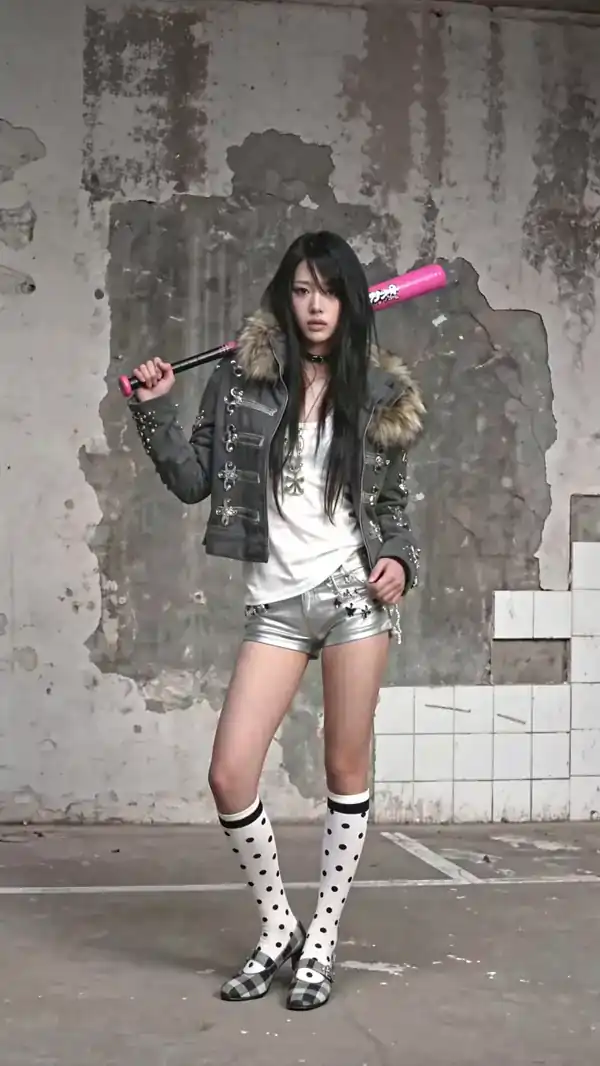
Every AI filmmaker has seen it happen: the hero looks perfect in the first shot, and by the third shot they have different eyes, another haircut, and a coat that changed color. Character drift is the most frustrating failure mode in AI video, and it is the one that most reliably separates amateur work from professional results. The fix is not luck or a better prompt; it is a technique called multi-image fusion. This guide explains what it is, how to use it, and how to fix it when it still goes wrong.
Why Characters Drift Between Shots
Text is an unreliable description of a face. When you write "a young woman with brown hair and a red jacket", the model has to guess the rest: the shape of the nose, the distance between the eyes, the exact tone of the jacket, the way the hair falls. Every guess is a chance to drift, and a new generation starts from scratch with new guesses.
This is not a bug; it is how generative models work. They are probability machines. Without a fixed anchor, every shot is a fresh roll of the dice. The entire discipline of character consistency is about replacing those dice with a fixed reference.
What Character Consistency Actually Means
Consistency is not pixel-perfect duplication. A real character in a real film is the same person across shots, even though the lighting, angle and expression change. What consistency means is that the viewer never doubts the identity: the face reads as the same face, the hair as the same hair, the costume as the same costume.
That definition gives you a practical test. Review any two shots of the same character side by side. If the viewer would believe both are the same person, the consistency is good enough. The goal is narrative credibility, not frame cloning.
How Multi-Image Fusion Works
Multi-image fusion builds a character model from several images instead of one. When you feed the generator three, five or even ten pictures of the same character, taken from different angles and in different lighting, the model extracts the stable features: the face, the proportions, the signature details of the outfit. The variable details, like a particular expression or a shadow, get separated from the identity.
The result is a much tighter anchor. A single reference leaves room for interpretation; a pack of references pins the identity down. This is the same logic studios use when they photograph actors from every angle before CGI work: more information, less ambiguity.
Building a Reference Pack for Your Character
The quality of your reference pack determines the quality of your consistency. Here is how to build one properly.
Aim for at least three images, ideally five or more. Include a front view, a side view, and a three-quarter view. Add variety in lighting: bright, dim, warm, cool. Include different expressions if the character has a range. If the costume has signature details, get a close-up of each: the emblem, the collar, the weapon.
Keep the pack clean. The character should be the clear subject in every image, without busy backgrounds or other people competing for attention. If you are working from generated images, regenerate any reference that does not show the character clearly.
Finally, store the pack where you can find it and reuse it. Consistency is a habit, and the habit is: every shot of this character uses this exact set of images.
Combining Text Prompts with Image References
References do not replace prompts; they anchor them. The prompt still controls what happens, while the references control who it happens to.
Write the prompt for the action, environment, camera and mood as usual. Then attach the reference pack. The model uses the images for identity and the text for direction. If they conflict, such as a prompt that describes a completely different outfit, the model will struggle, so keep your text consistent with the identity in your references.
A reliable prompt template looks like this: subject and action, environment and time, lighting, camera movement and shot size, mood, then a negative clause for what to avoid. The reference pack rides along as the identity anchor, and the wording stays identical every time the character appears.
Managing Assets and Metadata
As your project grows, reference packs multiply: characters, locations, products, style sheets. Without organization, consistency work collapses into chaos.
Use a consistent naming scheme, something like character-name_variant-number. Keep metadata notes with each pack: the canonical description of the character, the palette, the signature details. This metadata becomes the wording you reuse in every prompt, which keeps both the references and the language stable.
Treat the reference library as a production asset, not a folder of loose images. The creator who can reach for the right pack in seconds will produce consistent work for years; the one who hunts for files will cut corners and pay for it in drift.
Working with an AI Director for Scene Coverage
An AI director agent can take consistency further by planning the whole sequence. Given your script and your reference packs, it can break the story into shots, assign the right pack to each shot, and keep the camera language coherent across the film.
This is particularly valuable for multi-character scenes. When two characters appear together, the agent can ensure both packs are attached, and it can flag shots where the continuity would break before you waste a generation. The agent does not replace your taste; it replaces the mental overhead of tracking a dozen packs and a hundred prompts.
Troubleshooting Consistency Failures
When a shot still drifts, work through these checks in order.
First, verify the reference pack is actually attached. Most drift comes from missing references, not bad models.
Second, check the prompt for conflicting details. If you changed the character's description between shots, the model gets a mixed signal. Copy the exact wording from a shot that worked.
Third, strengthen the pack. If three images are not enough, add more angles and lighting. Sometimes the model simply needs more information about the face.
Fourth, review the character in a test still before generating the video. If the still is inconsistent, the video will be worse. Fix the still first.
Fifth, use keyframe control where available. Locking the first frame of a shot to a frame you already approved prevents mid-shot drift.
Advanced: Style Consistency Beyond Characters
The same technique extends beyond people. If your film has a distinctive world, build a style pack: reference frames that capture the palette, the lighting recipe, the texture language. Attach it to every shot, and the whole film starts to feel like one coherent production.
Locations work the same way. A room that appears in several scenes needs a location pack, so the furniture, the window placement and the light stay recognizably the same. Consistency is a general principle of anchored identity, and characters are just the most obvious case.
Worked Example: Building a Character Pack
Let us walk through a real example. Your film has a protagonist named Mara: a courier with a red jacket, dark braided hair, and a scar above her left eyebrow.
You collect five images: a front-facing portrait in neutral light, a side profile, a three-quarter view, a shot in warm evening light, and a close-up of the scar detail. You name the folder mara_reference_v1 and write the canonical description in a note: "Mara, early thirties, dark braided hair, red courier jacket, scar above left eyebrow, olive skin."
Every prompt that features Mara starts from that note and attaches the pack. Even when the shot is a distant wide where her face is barely visible, the pack rides along, because the model uses the identity to inform the whole figure, the jacket, the proportions.
After a few shots, you notice the jacket color drifting toward orange. You check the pack, add a reference image that pins the red tone, and update the note to say "deep red jacket, not orange". The drift disappears. That is the whole discipline: observe, anchor, document, repeat.
The Reference Pack Checklist
Before you start generating, run this checklist.
At least three images per character, five or more for the leads. Front, side and three-quarter angles covered. Lighting variety included: bright, dim, warm, cool. Signature details captured in close-ups. The character clearly the subject in every frame, no busy backgrounds. A canonical written description stored with the pack. A consistent naming scheme you can reuse. A test still generated and approved before any video work.
Working through the checklist takes twenty minutes and saves hours. Most drift failures trace back to a skipped item: no side view, no detail close-up, no written description.
Consistency for Non-Human Subjects
Characters are not the only identity that drifts. Products, locations and creatures fail the same way, and the same technique fixes them.
For products, build a pack of the product from different angles and lighting conditions, including the logo and any signature detail. A commercial where the bottle changes shape between shots destroys credibility instantly, and the fix is exactly the reference discipline.
For locations, collect frames that define the architecture, the palette and the light. A room that is recognizably the same room across scenes is what makes the world feel real.
For creatures, robots and monsters, the pack matters even more, because the model has fewer real-world anchors to keep it stable. Exaggerated features drift fast; pin them with close-up references.
When to Regenerate vs Move On
Not every inconsistency deserves a fight. Deciding when to regenerate is a cost decision.
Regenerate when the identity is wrong: the face, the costume or the proportions read as a different character. This is the core failure, and it always needs a fix.
Regenerate when the shot contradicts the story: the wrong time of day, the wrong location, an object that appears or disappears.
Move on when the imperfection is invisible at final size. A tiny background detail that nobody will see does not justify another generation cycle. Your time is the most expensive resource in the project.
The rule of thumb: if you have to explain the problem to someone, fix it. If you would not have noticed it without zooming in, let it go.
One habit keeps the whole system honest: a continuity log. After each accepted shot, write one line: shot number, character, reference pack version, and any drift you corrected. When the next shot drifts, the log tells you whether the fix was a prompt issue or a pack issue, and it stops you from solving the same problem twice.
FAQ
How many reference images do I need? At least three, five or more for important characters. More angles and lighting variety make the identity more stable.
Can I use a single image? You can, but drift is much more likely. A single image leaves too much room for interpretation.
What if my character is stylized or animated? The same technique works, and the pack is even more important because stylized features are easier to confuse.
Why does the character change even with references? Check the prompt for conflicting wording, strengthen the pack, and fix the character in a test still before generating video.
How do I keep two characters from merging into one? Attach both reference packs and keep both descriptions identical in every prompt where both appear.
Do references need to be perfect images? They need to be clear and consistent with each other. A pack of good clean images beats one perfect image every time.
Character consistency is not a model feature you hope for; it is a workflow you build. A disciplined reference pack, stable prompt wording, organized assets, and a habit of reviewing against the pack will keep your hero recognizable from the first frame to the last. That reliability is what turns a collection of impressive clips into an actual film, and it is well within reach of any creator willing to do the planning.
