
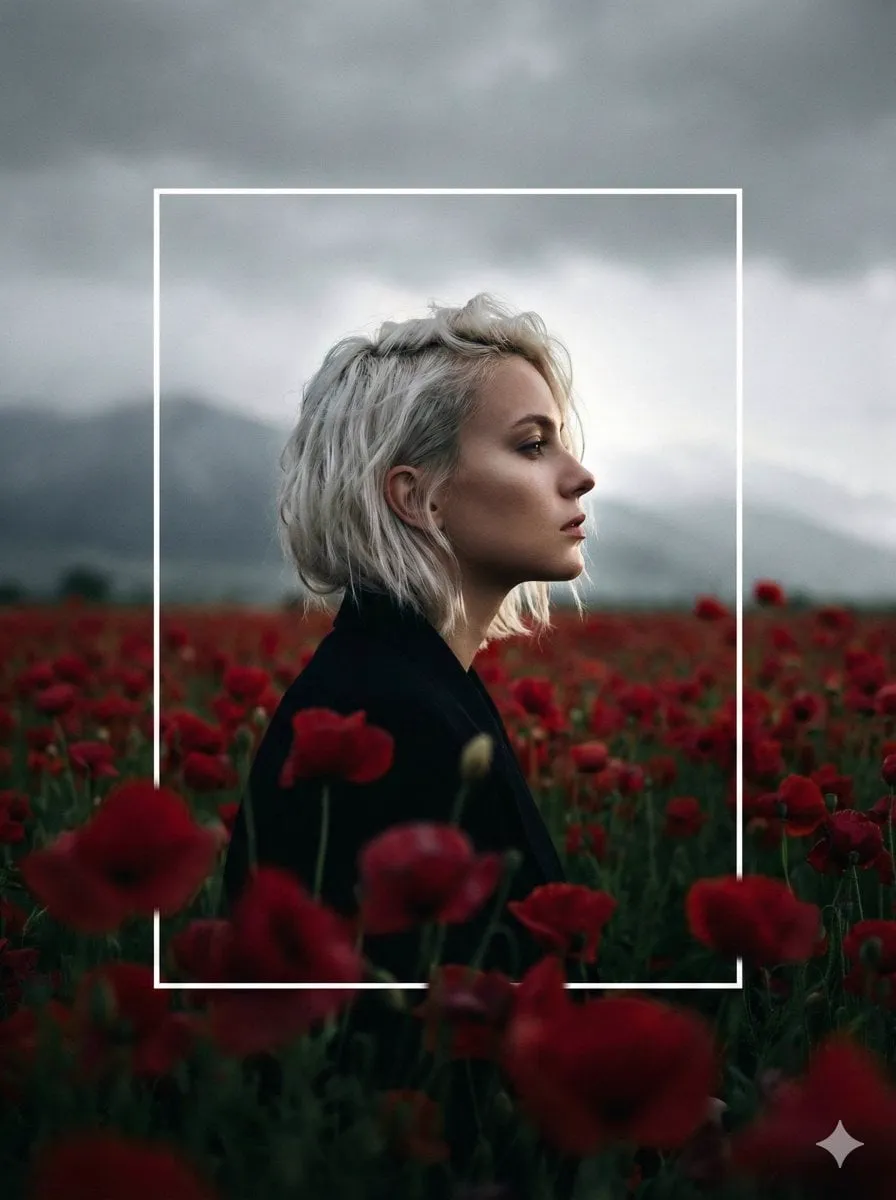

One of the most frustrating problems in AI video production is consistency. You generate a striking character in one scene, only to find that the same character looks noticeably different in the next shot. The nose changes. The outfit shifts color. The hairstyle morphs between cuts. For anything longer than a single clip — a short film, an explainer series, a branded campaign — this visual instability undermines the entire story. Audiences may not be able to say why, but they feel that something is wrong.
Solving character consistency is arguably the most important technical skill in modern generative video. This guide explains why the problem happens, the techniques that help, and how to build a repeatable workflow for keeping characters recognizable across many shots.
Why characters drift between shots
Generative models produce an image or clip based on a text description (and sometimes an image reference). A text description is ambiguous. Words like "a woman with dark hair" leave a huge amount of visual space. The model fills that space slightly differently each generation, so identity drifts. This is the root cause: unless you anchor identity with something concrete, every generation is effectively a new draw at the same character.
The anchoring problem
To keep a character stable, you need anchors — attributes that stay constant across all prompts for that character. The more specific and repeatable these anchors are, the more consistent the result:
- Fixed visual markers: distinctive hairstyle, scar, accessory, costume details.
- A consistent color palette for clothing and environment.
- The same lighting style per scene, described identically.
- Possibly a reference image used as a base across all shots.
Thought of this way, consistency is less about luck and more about disciplined prompt and asset management.
The reference-image approach
The single most powerful technique is using a reference image to ground the character. When your tool supports starting a generation from an image, provide a stable "character sheet" or a strong portrait of the character and reference it in every shot. The model uses that image as a visual base, which dramatically improves fidelity.
- Create one canonical portrait or full character sheet first and treat it as your source of truth.
- Reuse the same reference for every scene featuring that character.
- Keep the reference consistent with the scene's lighting by describing the lighting in the prompt.
This is analogous to how traditional animation uses model sheets. A central reference document keeps everyone — or every prompt — drawing the same character.
Writing character blocks you can reuse
A powerful habit is writing a reusable "character block" that you paste into every prompt where the character appears. Instead of re-describing from scratch, you copy the same precise description each time. For example, a fixed line defining hair, eyes, build, outfit, and a signature accessory. Because the text is identical, the model receives the same intent every time, which improves consistency.
It also helps to maintain this as a small library:
- Character blocks for each recurring character.
- Style blocks describing the visual look of the project (color grading, rendering style).
- Scene blocks for recurring locations.
Treating these as reusable assets mirrors how studios manage style guides and character profiles.
Building a visual library of characters and styles
As your project grows, you will benefit from an organized library. Save your reference portraits, character blocks, style descriptions, and successful shots in a folder structure you can revisit. This library becomes your project's memory:
- Character sheets for every protagonist and recurring side character.
- Style references that lock the project's look.
- A log of prompts that produced good results, so you can reproduce them.
A little organization at the start saves enormous rework later, especially for series or campaigns where you return to characters across many videos.
Managing multiple shots and scenes
Once you have anchors, the challenge is applying them across an entire sequence without losing cohesion. A systematic process helps.
- Define the core cast and their references before writing any scene.
- Establish a style guide for the whole project.
- For each scene, start a shot from the character reference and the scene description.
- Review each generated shot against the reference image, not just in isolation.
- Replace off-model shots rather than trying to "fix" them in editing, if possible.
Checking shots against the reference — rather than just looking at them individually — is the key habit. It catches subtle drift before it compounds across a cut.
Controlling style and rendering consistency
Character identity is not the only thing that drifts. The whole look of the video — color grade, rendering style, grain, lighting — must stay consistent too. You can control this by:
- Reusing a single style block in every prompt.
- Keeping the described lighting and environment consistent per location.
- Using reference frames for the overall look where your tool supports it.
- Doing a light, uniform color pass in editing to unify footage from different sources.
Style consistency makes a collection of shots feel like one film rather than a highlight reel of separate generations.
The role of the AI "director" agent
Some platforms are experimenting with an AI agent that acts as a creative director — orchestrating multiple model calls, managing references, and coordinating scenes toward a consistent result. Conceptually, this is valuable: it automates the discipline we described. Instead of manually pasting the same character block into ten prompts, the agent applies your references and parameters consistently across the whole production.
When evaluating such tools, the practical question is whether they genuinely maintain your character references across shots and scenes, reduce manual re-entry, and produce stable output. The same consistency principles apply; the agent just reduces the tedious parts.
Practical advice for your first consistent project
Start small. Pick one character and two or three shots, and practice keeping that character recognizable.
- Create a strong reference portrait.
- Write a reusable character block.
- Generate the shots referencing the same image.
- Compare the results side by side to the reference.
Once you can keep one character stable across three shots, extend the discipline to scene style, then to a longer sequence. Consistency is a skill built with intent, not something a single feature delivers automatically.
Common mistakes to avoid
- No reference image: Relying on text alone invites drift.
- Rewriting description each time: Slight wording changes create bigger visual changes.
- Describing generic markers: "Brown hair" is too vague; combine several specific markers.
- Checking shots only in isolation: Always compare against the reference.
- Skipping the style block: A consistent look needs a repeated style anchor.
- Trying to patch bad shots in editing: Regenerating with better anchors is often cleaner.
Going further: hands, action, and difficult details
Once the basics are working, the hardest details to keep consistent tend to be the ones the models get subtly wrong. Rather than fighting the tool, plan around its common weak points.
- Hands and fingers: most drift and artifacts collect here. Favor prompt wording that limits how much hand detail is on screen, and pre-plan coverage so you do not depend on a wide shot of many hands.
- Faces at angles: a character in profile, from behind, or in extreme close-up can shift. Anchor with a reference that shows several angles if your tool supports multiple references.
- Props and identities: if a character carries a signature item, describe it identically every time and, if possible, use a reference for it too.
- Clothing continuity: note outfit changes deliberately in the prompt. It is an easy source of silent inconsistency between shots that share a scene.
Reviewing exactly these areas on every shot will catch most of the subtle drift that ruins longer pieces.
Consistency across scenes, lighting, and environments
Characters do not exist in a void; the world around them must stay coherent too. A character that looks the same but is lit differently, or appears in a location that changes color between cuts, still breaks the illusion.
- Describe the lighting of each location consistently and reuse that text every time the character appears there.
- Keep the color palette of each environment stable (a "cool, overcast street" should stay that way shot to shot).
- Use style blocks that lock the rendering look of the whole project so scenes feel like they belong together.
- Apply a gentle, uniform color pass in editing as a final unifier.
When character identity, lighting, and environment all hold steady, the sequence reads as one continuous world rather than a series of one-off generations.
Multi-character scenes and interactions
Keeping one character stable is hard; keeping two interacting consistently is harder. Some guidance helps:
- Reference each character separately whenever the tool allows, and mention both by the same description in the scene prompt.
- Keep the outfit and appearance text for both characters identical to their individual blocks.
- Expect to iterate more on interaction shots; test a single shot for both characters before committing across a sequence.
- If a character is new to the scene, run a consistency check early before you write many prompts around them.
Planning the cast before writing scenes is the same discipline studios use with model sheets. Define everyone up front and the scenes have a stable foundation.
Branded characters and recurring IP
This matters even more for brands. A mascot or spokesperson character must be recognizable not just within one video but across an entire campaign and possibly across future seasons. For recurring brand characters:
- Treat the character's reference and description as a formal asset, versioned and shared with the team.
- Lock the key visual markers (face, accessories, palette) so they cannot drift between campaigns.
- Keep a log of what produces good results so the character stays reproducible months later.
A little formalization here pays off enormously, because a recognizable brand character is one of the most valuable assets you can build.
Choosing tools that support consistency
Not all tools make consistency equally easy. When comparing options, favor those with:
- Image or character references as a first-class input.
- Reusable style/presets settings.
- Options to start generation from a seed or prior frame for temporal stability.
- Consistent lighting and camera controls.
The right tool reduces the manual discipline required, but even the best tool will reward good references and stable descriptions. Pick a tool that makes your workflow easier, then hold your process discipline.
A workflow template you can adapt
To keep the whole method in one place, here is a repeatable workflow:
- Define the cast: create a reference and a character block for every recurring role.
- Define the world: write a style block and location blocks with consistent lighting.
- Generate deliberately: anchor every shot with references and the right blocks.
- Review rigorously: compare each shot to the reference, checking hands, faces, props, and light.
- Finish uniformly: apply a light color pass and confirm everything matches before export.
Adapt the steps to your tools and project size. The point is to make consistency a built-in stage rather than an afterthought.
Frequently asked questions
Why does my character change even with a detailed prompt?
Because text is ambiguous. Add a reference image and repeat the exact same character block in every prompt to reduce drift.
Can I fix consistency entirely in post-production?
To a limited degree, but it is far easier to fix it in generation. Stable anchors upstream save hours downstream.
What if my tool doesn't support reference images?
Then repeat a very detailed, identical character block and accept more iteration. Some tools now handle image references; prefer one that does for serious projects.
Is consistency more important for long videos?
Yes. The longer the format, the more the audience notices identity drifting, because they spend more time with the character.
Why do my characters' hands look wrong?
Hands are one of the most common failure points in generative images. Plan coverage to minimize close-ups on hands and review those frames carefully; regenerating with stronger references helps.
How do I keep multiple characters consistent in the same scene?
Reference each character separately and reuse each one's description in the scene prompt. Expect extra iteration on interaction shots and check both characters before committing across a sequence.
Does consistency matter for short single clips?
Less so for a single clip, because there are few cuts to reveal drift. It becomes critical as soon as you assemble several shots, even short ones, into one piece.
Conclusion
Character consistency is the difference between a collection of AI clips and a piece of AI storytelling. It is achievable through disciplined, repeatable methods: a strong reference image, reusable character and style blocks, an organized visual library, and a habit of checking every shot against your source of truth.
Generative tools have removed much of the mechanical effort in making images and video. What remains — and what determines whether the result feels professional — is the craft of shaping and stabilizing a vision across many frames. Keep an eye on the hard details like hands and lighting, define your whole cast up front, and treat character and style references as formal assets you reuse faithfully. Master consistency, and your generated characters will finally feel like real, lasting people rather than one-time visitors.
