
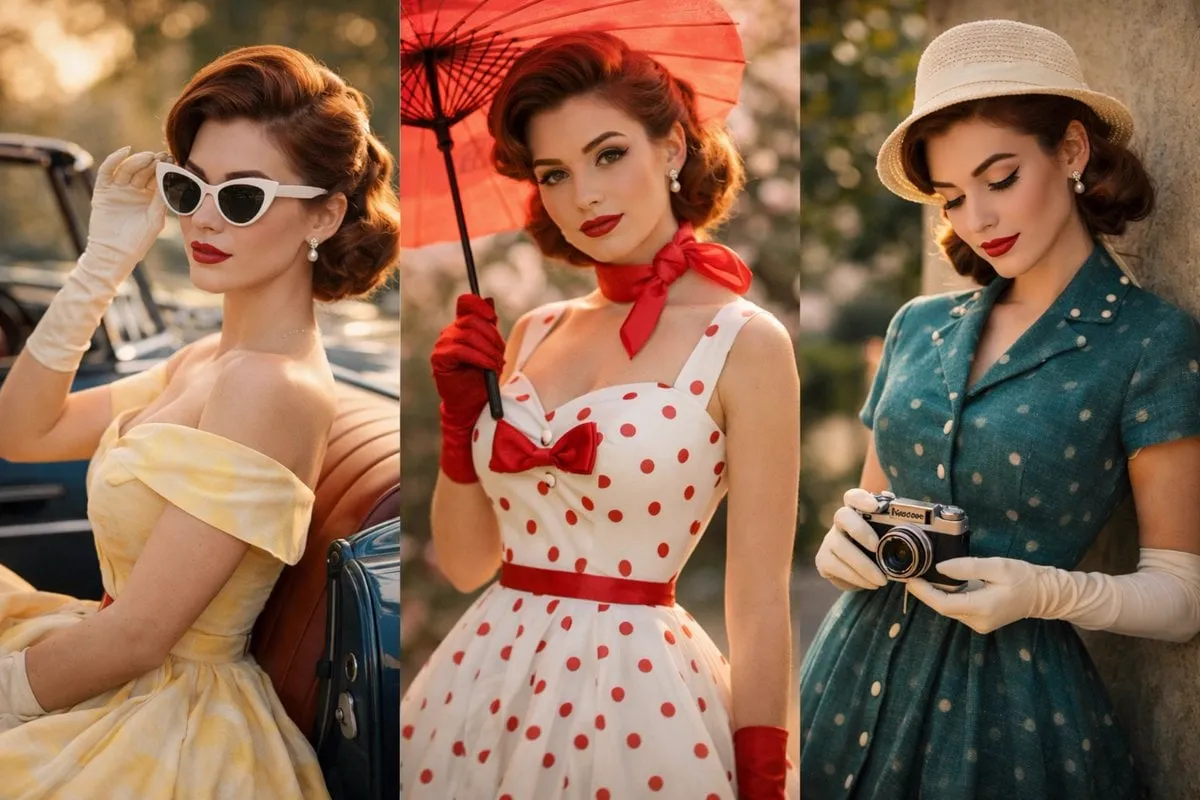

There is a moment every AI video maker knows: you generate a protagonist for scene one, and the face is perfect. Then you generate scene two, and the same character looks like a distant cousin. Ears are different, the hairline moved, the brand of the jacket changed. Consistency — the hardest problem in AI-generated storytelling — silently destroys the illusion your story depends on.
The good news is that 2025 has fundamentally changed what you can do about it. Instead of relying on luck and exactly repeated prompts, you can lock a character down with reference imagery and keep that identity from shot to shot and even across different models. This guide explains why character consistency fails, and how you can make it a solved problem instead of a coin flip.
Why consistency is the make-or-break of AI video
If you publish a single one-off clip, a slightly shifting face is annoying but survivable. The moment you try a multi-scene narrative, a brand campaign, or an episodic series, consistency becomes the entire game. Audiences are extremely good at noticing when a character looks "off." That split-second of doubt deflates the emotion you worked to build.
Consistency also matters for practical reasons. Every scene you re-roll because a face drifted is wasted effort, wasted time, and a bigger risk that you settle for a mediocre take. Solving consistency means you can iterate on story and performance instead of fighting the model over a jawline.
What the models produce differently
The deeper cause of the problem is that every AI model has its own visual signature. One model renders faces with a certain softness; another exaggerates the chins; a third interprets fabric textures in its own way. When you hop between tools because one is better at action and another at lighting, you drag those differing signatures into the same project — and your character inherits the whiplash.
Bridging this visual gap is the core work. If you want the same hero to survive a switch between different renderer models, you need a stable anchor that all of them can honor, rather than a description that each one interprets differently.
The solution: reference-based consistency (multi-image fusion)
The reliable modern technique goes by a few names — reference-guided generation, multi-image fusion, or "character lock." Whatever you call it, the principle is the same: you give the model one or more ground-truth images of the character and instruct it to reconstruct that identity, only changing the scene and action.
Set up a solid character sheet first
Before generating a single scene, build a reference sheet. Produce a few consistent views — the face, a three-quarter angle, the full body in the outfit, and a close-up expression. This becomes your visual contract for the whole project. The more unambiguous this sheet is, the less the model has to improvise.
Feed the same anchors into every shot
When a tool supports multiple input images or "fusion," pass the same reference set into each generation and vary only the scene description. This is a radically different workflow from describing the character in text every time. The model stops guessing and starts copying a known identity. Across different models, your shared references pull the different visual signatures back toward the same person.
Keep the wardrobe and props under control
Characters change when their environment does. Lock down not just the face but the signature costume and key props. If the hero carries a distinctive item, keep that item present in the references. Small, repeated details are what make a synthetic character feel like a real, recognizable person — not an actor who got recast.
Steady style equals steady brand
Consistency extends beyond the character to the entire look. Define a color palette, a lighting mood, and a rendering style for the project, and describe them in every prompt. When the world feels continuous, minor imperfections in a specific frame disappear into the whole.
This discipline pays off double for brands. A mascot character, a recurring presenter, or a stylized product visual that stays identical across dozens of videos builds recognition the way a real face does. Inconsistent output, by contrast, actively erodes trust in the brand.
Choosing models with confidence
You do not have to give up model selection to gain consistency. Modern workflows let you name the exact model per job — pick the face specialist for the hero, the scene specialist for the environment, and the motion specialist for the action. As long as the reference anchors travel with every call, the final cut reads as one photographer shot it all.
The practical rule: decide your model strategy per shot, but never let the identity strategy vary. The reference sheet is the constant; the models are the interchangeable specialists doing the work.
A repeatable consistency workflow
Here is a loop that will not drag on forever:
First, make the character sheet and save it as the project's canonical reference. Second, generate each scene with character reference images attached, plus a scene-only prompt that describes location, action, camera, and style. Third, review the batch and flag any frames where the face or costume drifts. Fourth, re-roll flagged shots with a tighter prompt or a stronger model, always keeping the reference anchors. Finally, assemble, and give the cut one approval pass with the reference sheet up on screen to confirm every shot matches.
Building a reusable character library
The real payoff of consistency work is that it compounds. Once you have a reference sheet you trust, you should keep it in a small library instead of rebuilding it for every project.
Organize your library by collection: recurring cast members with their sheets, signature outfits, key props, and recurring environments. Name files clearly so you can find the exact angle you need ("hero-face-front.jpg", "hero-outfit-blue.jpg"). Document which models played nicely with which sheet, so you repeat successes. Over time, a living library of proven references lets you spin up new episodes without renegotiating who the character is — the audience recognizes them instantly because the identity never churned.
A quality checklist before you call it done
Consistency survives on a final review that is specific, not vibes. Run every cut against the same list: does the hero match the reference sheet in the face, the hair, the outfit? Does the color grade hold from scene to scene? Is the lighting mood continuous, or does one scene look like a different time of day? Are key props present where they should be? Do fast-motion shots still read as the same character, or have they redrawn the features?
Catching a drift here costs a quick re-roll; letting it slide means a story that undermines itself. A ten-second check against the sheet on screen is the cheapest insurance you will buy all project long.
When consistency still fails
Even with references, problems can show up. Fast motion and extreme camera movement blur a face and tempt the model to redraw it — counter this with shorter clips and less radical moves. Crowded scenes draw attention away from single subjects, so lock the focus. And if a reference sheet carries inconsistent detail itself, the model faithfully reproduces the confusion; make the reference set clean before you reuse it.
Text prompts alone are the trap
It is worth being explicit about why descriptions fail as a consistency mechanism. A written description — "a young woman with brown hair and a green jacket" — is a broad idea that every model interprets differently. One model reads "young" as nineteen, another as thirty, and still another changes the eye color because the text never specified it.
Reference images close that gap because they are concrete. When the model is shown the actual face, it reconstructs that face instead of interpreting a description. This is why workflow matters more than raw model power: two competent tools fed the same reference will drift far less than the same model fed subtly different descriptions from take to take.
Building continuity across an entire series
Single scenes are easy to keep consistent. A whole episode, or a season of episodes, is a different challenge — and here a simple rule scales: design the identity once, then never redesign it mid-story.
Decide the character's full look before episode one: face, hairstyle, wardrobe fitted to the tone, signature gestures, and the world's color story. Put them all in the canonical reference set. From then on, every new episode starts from that same sheet, so the audience watches one character grow across scenes instead of meeting a new face every time. Save each episode's best shots back into the library when a new angle or outfit becomes canon, so the identity evolves deliberately rather than by accident.
This discipline is what lets an AI-driven series feel like a continued story — and it is the same principle behind every recognizable mascot or presenter you have ever followed.
Consistency of expression, not just face
Character consistency is more than matching bone structure. Audiences also notice emotional drift — a character who is cheerful in one scene and sullen in the next, with nothing in the story explaining it. When character acts and the world behaves with the same reliability, the suspension of disbelief holds.
Hold expression notes alongside the visual sheet. Define the emotional baseline of the character and list the key moods that appear across the story, then pass that intention into the prompt with each scene. Pair the mood with a matching camera and color: warm, open light for calm; tighter framing and cool tones for tension. What looks like a small craft detail is, in fact, how an audience comes to believe the character exists.
Troubleshooting the stubborn drift
When a character keeps drifting no matter what you try, work methodically through the likely causes. Start with the reference sheet itself — if it is internally inconsistent, cleaner references often fix more than any prompt tweak. Then check camera intensity: reduce extreme moves if fast motion redraws features. Review the style: if models render skin or hair very differently, standardize on one per project. Finally, consider that the tool may simply need a stronger, dedicated face model; some renderers are markedly better at identity than others.
Work in single-variable changes and retest — changing three things at once tells you nothing about which one mattered. Keep a short log of what you changed and the effect, and the fixes become repeatable knowledge instead of guesswork.
Frequently asked questions
Can I really keep the same character across different AI models? Yes. Shared reference images force different tools to reconstruct the same identity, narrowing the visual gap between their distinct styles.
What if my tool doesn't support multiple image inputs? Work within its limits: strengthen the text description with very specific facial and costume details, and reuse an uploaded seed or starting image if the tool offers one.
How many reference images do I need? A solid sheet of three to five consistent views covers most projects. More isn't automatically better if the set is messy or internally inconsistent.
Does this work for animated or stylized characters? Absolutely. The same reference anchoring applies to cartoons, mascots, and stylized art — it just uses an illustration of the character instead of a photo.
Is consistency worth the extra setup? Unquestionably. A few minutes spent building a reference sheet saves hours of re-rolling failed scenes and produces a story audiences actually believe. In the long run, it is the single highest-leverage habit you can adopt.
Final thoughts
Character consistency stopped being the wall that blocks AI storytelling. With reference-based generation and a clean, reusable character sheet, you can keep a protagonist recognizable across scenes, across models, and across an entire series. Stop fighting the models one frame at a time; build your anchors once and let every shot work from the same face the audience fell in love with. That single shift is what turns scattered AI clips into stories worth following.
